
The question “How much will I receive on my tax return?” is a common one that resonates with millions of taxpayers annually. However, the phrasing itself often contains a subtle but significant misunderstanding. Most individuals, when asking this, are actually referring to their tax refund, not their tax return. Understanding this distinction is the first crucial step in comprehending the intricacies of your annual tax filing and, more importantly, how much money, if any, you might receive back from the government.
Deconstructing the “Tax Return” vs. “Tax Refund” Misconception
Clarifying these two terms is fundamental to navigating your personal finance journey concerning taxes. While often used interchangeably in casual conversation, they represent distinct components of your annual tax responsibilities.
Your Tax Return: The Annual Report
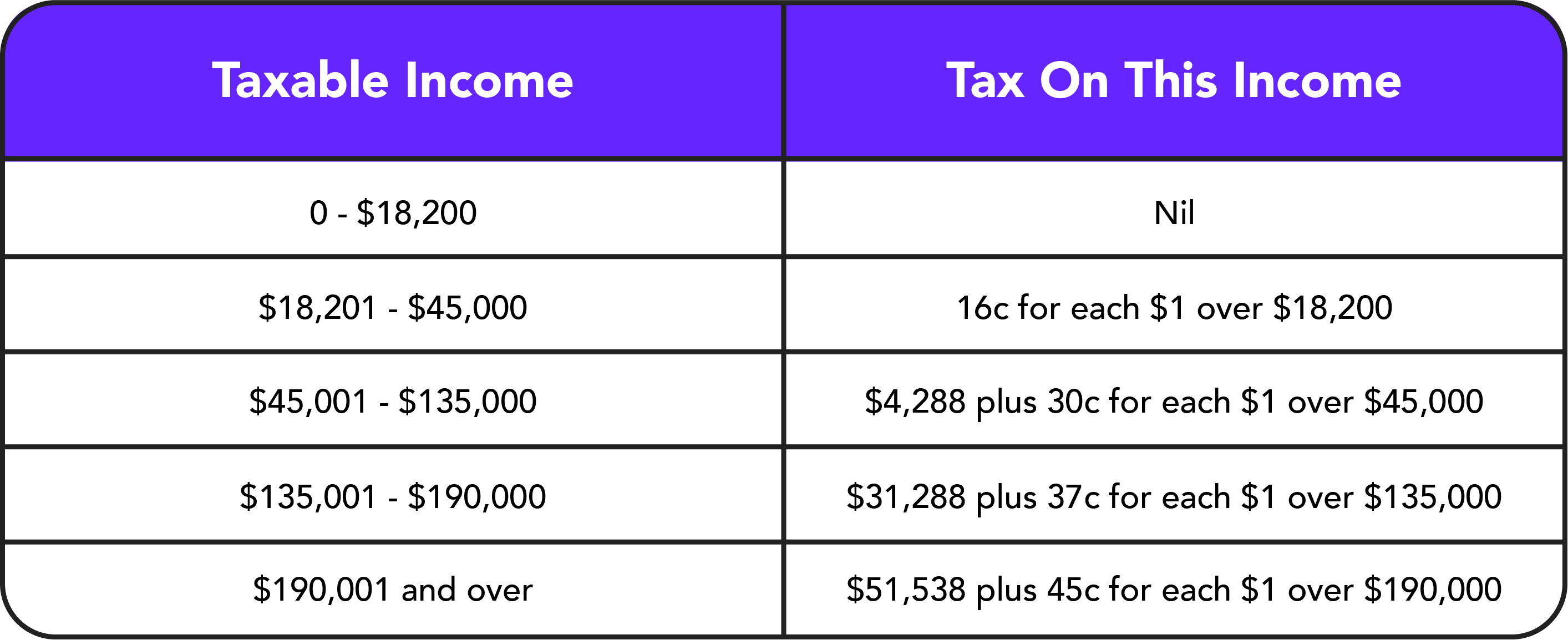
Your tax return is the collection of official forms and documentation you submit to the Internal Revenue Service (IRS) or your state tax authority each year. This comprehensive report details your income, expenses, deductions, credits, and other financial activities for the preceding tax year. It’s essentially an accounting of your financial life that determines your total tax liability – the actual amount of tax you owe based on your income and specific financial situation. Whether you prepare it yourself using tax software, use an accountant, or complete paper forms, the submitted document is your tax return.
Your Tax Refund: The Government’s Overpayment Back to You
A tax refund, on the other hand, is the money you receive back from the government if you have overpaid your taxes throughout the year. This overpayment typically occurs when more money is withheld from your paychecks (via W-4 forms for employees) or paid through estimated taxes (for self-employed individuals) than your actual tax liability dictated by your tax return. The refund is not a bonus or a gift; it’s simply the return of your own money that the government held for you. Conversely, if you underpaid your taxes, you would owe the government an additional payment rather than receiving a refund.
Core Determinants of Your Refund Amount
The amount you receive as a tax refund, or owe in additional taxes, is the result of a complex interplay of several financial factors throughout the year. Understanding these determinants is key to estimating your potential refund and planning your finances effectively.
Gross Income and Taxable Income
Your starting point is your gross income – all the money you earned from wages, salaries, self-employment, investments, and other sources before any deductions. From this, certain adjustments are made to arrive at your Adjusted Gross Income (AGI). Further deductions then reduce your AGI to your taxable income, which is the amount upon which your tax liability is calculated using the applicable tax brackets. A higher taxable income generally means a higher tax liability, making it less likely to receive a large refund unless you have significant withholdings or credits.
Withholding: The Crucial Difference-Maker
For most employees, federal and state income taxes are withheld from each paycheck based on the information provided on their W-4 form. This form tells your employer how much tax to hold back. If you have too much withheld, you’re likely to receive a refund. If too little is withheld, you might owe taxes. Adjusting your W-4 can significantly impact your refund size, allowing you to either receive more money throughout the year or a larger lump sum at tax time.
The Power of Tax Credits
Tax credits are particularly impactful because they directly reduce your tax liability dollar-for-dollar. Unlike deductions, which reduce your taxable income, credits reduce the actual amount of tax you owe.
- Refundable vs. Non-Refundable Credits: It’s important to distinguish between these two types. Non-refundable credits can reduce your tax liability to zero, but no further. If the credit amount exceeds your tax liability, you won’t get the difference back. Examples include the Retirement Savings Contributions Credit. Refundable credits, however, can reduce your tax liability below zero, meaning the government will send you the difference as part of your refund. The Earned Income Tax Credit (EITC) and a portion of the Child Tax Credit are prime examples of refundable credits that significantly boost refunds for eligible taxpayers.
Strategic Use of Deductions
Deductions reduce your taxable income, thereby lowering your overall tax bill. The more deductions you qualify for, the less income is subject to tax.
- Standard Deduction vs. Itemized Deductions: Nearly all taxpayers choose between taking the standard deduction (a fixed dollar amount based on your filing status) or itemizing their deductions (listing out specific eligible expenses like mortgage interest, state and local taxes, charitable contributions, and medical expenses). You should choose whichever method results in a lower taxable income. For many, the standard deduction is simpler and results in a greater tax benefit than itemizing.
Filing Status and Dependents
Your filing status (Single, Married Filing Jointly, Married Filing Separately, Head of Household, or Qualifying Widow(er)) significantly impacts your standard deduction amount, tax bracket thresholds, and eligibility for certain credits and deductions. Similarly, claiming eligible dependents (such as children or qualifying relatives) can unlock valuable tax benefits, including the Child Tax Credit, Credit for Other Dependents, and various educational credits, all of which can influence your refund amount.
Practical Methods for Estimating Your Refund
Waiting until April 15th to discover your tax outcome can be anxiety-inducing. Fortunately, several tools and strategies exist to help you estimate your potential refund (or liability) well in advance, enabling better financial planning.
Leveraging Online Tax Calculators
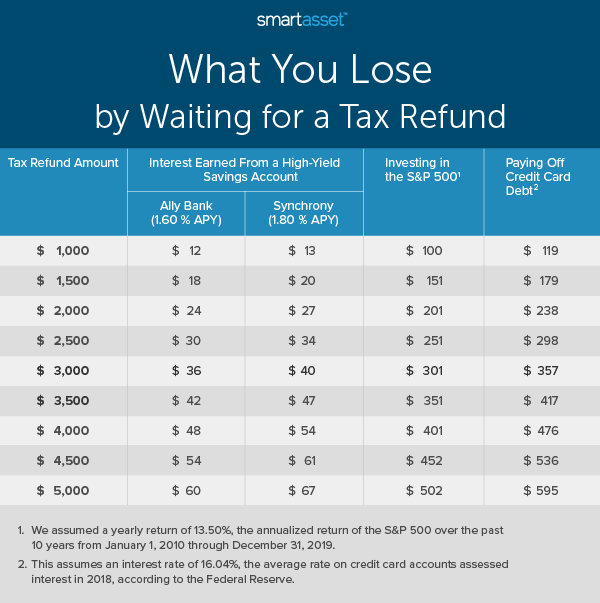
Many reputable tax software companies and financial websites offer free online tax calculators. These tools typically ask for key pieces of information, such as your income, filing status, dependents, and estimated deductions and credits, to provide an approximate refund or payment due amount. While not definitive, they offer a good preliminary estimate. The IRS also provides a withholding estimator tool that helps you assess if you’re withholding the correct amount throughout the year.
Reviewing Prior-Year Returns for Patterns
Your previous year’s tax return can be an invaluable resource. While your income and deductions may change year-to-year, your prior return offers a baseline understanding of your tax situation. Look at your AGI, total deductions, credits claimed, and the amount of tax withheld. This can help you identify recurring financial patterns and provide a rough idea of what to expect, adjusting for any significant life changes.
Understanding Your W-4 and Pay Stubs
Your W-4 form dictates how much tax is withheld from each paycheck. Reviewing your most recent W-4 and understanding the allowances claimed can give you insight into your year-to-date withholding. Compare your year-to-date withholding (found on your pay stubs) against your estimated tax liability to gauge whether you’re on track for a refund or an owed payment. If you’ve had major life changes (marriage, new child, new job), updating your W-4 is critical.
Consulting with a Tax Professional
For complex financial situations, significant life changes, or simply a desire for accuracy and peace of mind, consulting with a qualified tax professional (such as a CPA or Enrolled Agent) is highly recommended. They can help you accurately project your tax outcome, identify all eligible deductions and credits, and offer personalized advice for optimizing your tax situation.
Strategies to Influence Future Refunds and Tax Liabilities
While tax filing can feel like a reactive process, there are proactive steps you can take throughout the year to manage your tax liability and ultimately influence your future refund.
Fine-Tuning Your W-4 Withholding
One of the most direct ways to control your refund size is by adjusting your W-4 form. If you consistently receive a large refund, it means you’re giving the government an interest-free loan. You might consider adjusting your W-4 to have less tax withheld, thereby increasing your take-home pay throughout the year. Conversely, if you frequently owe taxes, increasing your withholding can help you avoid a large tax bill or underpayment penalties. Regularly reviewing and updating your W-4, especially after significant life events, is a smart financial habit.
Proactively Seeking Eligible Credits and Deductions
Don’t wait until tax season to think about credits and deductions. Throughout the year, be mindful of potential tax-saving opportunities. Keep meticulous records of eligible expenses like medical costs, charitable contributions, student loan interest, and work-related expenses. Research credits you might qualify for, such as those for education, dependent care, or energy-efficient home improvements. Maximize contributions to health savings accounts (HSAs) and flexible spending accounts (FSAs), as these offer significant tax advantages.
Maximizing Tax-Advantaged Accounts
Contributing to retirement accounts like a 401(k) or Traditional IRA can directly reduce your taxable income, potentially leading to a larger refund or smaller tax bill. These contributions are often tax-deductible in the year they are made (for Traditional accounts). Even Roth accounts, while not offering an upfront deduction, provide tax-free growth and withdrawals in retirement, contributing to long-term financial health. Similarly, 529 college savings plans offer state tax deductions in many states.
Year-Round Tax Planning for Financial Health
Effective tax management is not a once-a-year event; it’s an ongoing process. Maintain organized financial records, stay informed about changes in tax law, and periodically review your financial situation. Consider “tax-loss harvesting” for investments to offset capital gains. If you’re self-employed, be diligent with estimated tax payments to avoid penalties. Proactive tax planning can significantly reduce your overall tax burden and align your tax strategy with your broader financial goals.
Smart Financial Decisions for Your Tax Refund
Receiving a tax refund can feel like a windfall, but how you utilize this money can have a lasting impact on your financial well-being. Resist the urge for impulsive spending and instead, make thoughtful decisions that align with your financial priorities.
Prioritizing Debt Reduction
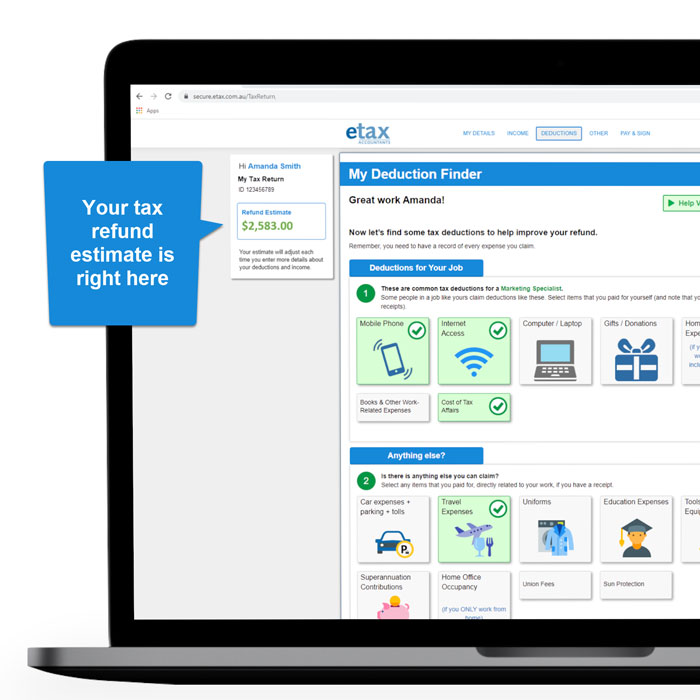
If you have high-interest debt, such as credit card balances or personal loans, using your tax refund to pay it down should be a top priority. Eliminating high-interest debt saves you money in the long run by reducing interest payments and frees up cash flow for future savings and investments. The guaranteed return on investment from paying off a 20% interest credit card is far greater than most market returns.
Building an Emergency Fund
An emergency fund is crucial for financial security, providing a buffer against unexpected expenses like job loss, medical emergencies, or car repairs. If your emergency fund is lacking, direct your tax refund towards building it up to cover at least three to six months’ worth of essential living expenses. This foundational step provides immense peace of mind.
Investing for Long-Term Growth
Once high-interest debt is managed and your emergency fund is robust, consider investing your refund for long-term growth. Options include contributing to your retirement accounts (IRA, 401(k) if allowed outside payroll), opening a brokerage account for diversified investments, or funding a 529 college savings plan for educational goals. Compounding returns over time can significantly amplify your refund’s value.
Thoughtful Spending and Gifting
While financial prudence is paramount, there’s nothing wrong with allocating a portion of your refund for a thoughtful purpose, once your financial priorities are met. This could be a responsible purchase that improves your quality of life, an educational course to boost your skills, or even a charitable donation to a cause you care about. The key is intentionality and ensuring it doesn’t derail your broader financial objectives.
Ultimately, your tax refund amount is a reflection of your annual financial activities and the choices you make regarding your income, expenses, and withholding. By understanding the mechanisms behind it and adopting proactive financial habits, you can gain greater control over your tax situation and ensure that any money you receive back serves your overall financial health.
aViewFromTheCave is a participant in the Amazon Services LLC Associates Program, an affiliate advertising program designed to provide a means for sites to earn advertising fees by advertising and linking to Amazon.com. Amazon, the Amazon logo, AmazonSupply, and the AmazonSupply logo are trademarks of Amazon.com, Inc. or its affiliates. As an Amazon Associate we earn affiliate commissions from qualifying purchases.