
The question “how much will I have in retirement?” resonates deeply with almost everyone, regardless of age or current financial standing. It’s a profound inquiry that touches upon our aspirations for financial security, peace of mind, and the ability to live comfortably without the demands of full-time employment. Far from being a simple calculation, determining your future retirement wealth involves a multifaceted analysis of various financial principles, personal choices, and economic realities. This article delves into the core components that shape your retirement nest egg, offering a professional, insightful, and engaging perspective to help you project and enhance your financial future.

For many, retirement isn’t just an endpoint; it’s a chapter filled with new opportunities, hobbies, travel, and quality time with loved ones. Yet, without adequate financial planning, this vision can quickly turn into a source of stress. Understanding the factors that contribute to your retirement savings and adopting robust strategies are crucial steps in transforming an uncertain future into a confident reality. Let’s explore the key variables and actionable steps involved in answering this critical question.
Understanding the Variables Shaping Your Retirement Nest Egg
Predicting your retirement balance isn’t a precise science, but it becomes much clearer when you dissect the key variables at play. These elements interact dynamically over decades, collectively determining the ultimate size and sustainability of your retirement fund.
The Power of Consistent Contributions
At its most fundamental level, what you will have in retirement directly correlates with how much you consistently contribute to your retirement accounts. This isn’t just about the dollar amount, but also the frequency and discipline of your savings habits. Starting early allows compounding interest to work its magic over a longer period, making even modest regular contributions grow into substantial sums. Consider the difference between someone contributing $500 per month from age 25 versus someone starting the same contribution at age 35 – the early starter could potentially have hundreds of thousands more due to the extended compounding period.
Many employers offer retirement plans like 401(k)s or 403(b)s, often with matching contributions. Failing to contribute enough to capture the full employer match is akin to leaving free money on the table. This match essentially provides an immediate, guaranteed return on your investment, significantly accelerating your savings growth. Beyond employer-sponsored plans, individual retirement accounts (IRAs) like Traditional or Roth IRAs provide additional avenues for saving, each with unique tax advantages that can boost your long-term wealth accumulation.
Investment Growth and Compounding Returns
Simply saving money isn’t enough; for your retirement fund to grow significantly, it needs to be invested wisely. The returns generated by your investments—be it stocks, bonds, mutual funds, or exchange-traded funds (ETFs)—are critical. Compounding returns, often called the “eighth wonder of the world,” mean that not only do your initial contributions earn returns, but those returns themselves begin to earn returns. Over several decades, this exponential growth can transform relatively small investments into substantial wealth.
The rate of return you can expect depends on your asset allocation, which is the mix of different investment types in your portfolio. A portfolio heavily weighted towards equities typically offers higher potential returns but also comes with greater volatility, especially in the short term. Conversely, a more conservative portfolio with a higher proportion of bonds might offer lower returns but greater stability. As you approach retirement, it’s common to gradually shift towards a more conservative allocation to protect accumulated capital. Understanding market cycles, diversification, and your personal risk tolerance are crucial for optimizing investment growth without undue stress.
The Crucial Role of Time Horizon
Time is arguably the most powerful ally in retirement planning. The longer your money has to grow and compound, the less you need to contribute out of your own pocket to reach your goals. For someone starting in their 20s, a relatively small monthly contribution can grow into a seven-figure sum by retirement age. For someone starting in their 40s or 50s, the required contributions will be significantly higher to achieve the same goal, as the window for compounding is much shorter.
This “time horizon” also impacts investment strategy. Younger investors with decades until retirement can afford to take on more risk with growth-oriented investments, as they have time to recover from market downturns. Older investors, with a shorter time frame, typically lean towards preserving capital, shifting towards less volatile assets. Recognizing your personal time horizon is fundamental to setting realistic savings goals and adopting an appropriate investment strategy.
Factoring In Inflation and Healthcare Costs
While it’s easy to project what a million dollars looks like today, it’s crucial to remember that inflation erodes purchasing power over time. A million dollars in 30 years will likely buy significantly less than it does today. Therefore, your retirement projections must account for an average inflation rate (e.g., 2-3% per year) to ensure your future nest egg provides the same real purchasing power as today’s equivalent. This means your investments need to generate returns that outpace inflation to grow your real wealth.
Healthcare costs are another formidable factor, especially in retirement. As we age, healthcare needs typically increase, and these costs can be substantial, even with Medicare coverage. Long-term care, prescription drugs, and supplemental insurance can quickly drain retirement savings. Including a realistic estimate for future healthcare expenses in your retirement plan is essential. Some financial planners suggest setting aside a dedicated portion of savings specifically for potential medical costs, or considering options like Health Savings Accounts (HSAs) if eligible, which offer unique triple tax advantages for healthcare savings.
Estimating Your Future Retirement Income
Once you understand the variables, the next step is to translate them into a tangible estimate of your future retirement income. This involves employing various rules of thumb and utilizing more sophisticated tools.
The “Percentage of Pre-Retirement Income” Rule
A common guideline suggests that you’ll need approximately 70-80% of your pre-retirement annual income to maintain your lifestyle in retirement. The logic behind this is that certain work-related expenses (like commuting, professional wardrobe, and some taxes) will decrease, while others (like healthcare and leisure) might increase. If you earn $100,000 annually before retirement, you might aim for $70,000-$80,000 per year in retirement income. This rule provides a good starting point but should be adjusted based on individual lifestyle expectations. For instance, someone planning extensive world travel might need more, while someone planning a more modest, debt-free existence might need less.
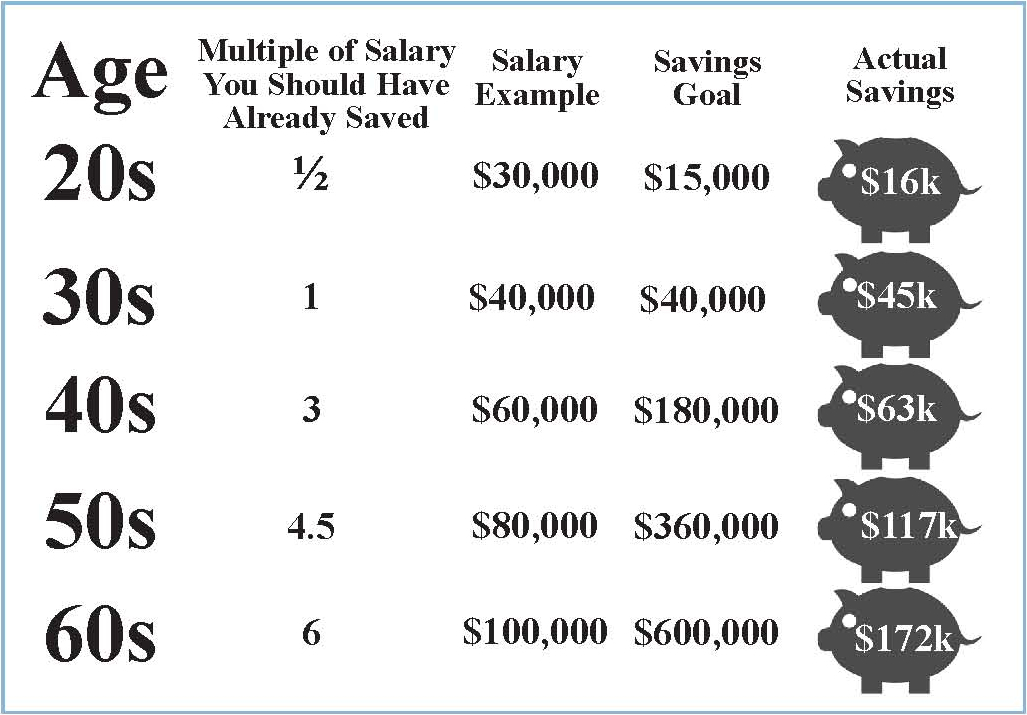
Utilizing Retirement Calculators and Planning Tools
Online retirement calculators are invaluable resources. They allow you to input your current age, desired retirement age, current savings, annual contributions, expected investment returns, and inflation rates to project your future balance and annual retirement income. Many calculators also let you factor in Social Security benefits, pension income, and other income sources. While these tools provide estimates, they are powerful for visualizing different scenarios and understanding the impact of changes to your savings rate or investment strategy. Some financial institutions offer more sophisticated tools that allow for detailed cash flow analysis and stress-testing your plan against various market conditions.
The 4% Rule and Sustainable Withdrawal Rates
A popular guideline for determining how much you can safely withdraw from your retirement portfolio each year is the “4% Rule.” This rule suggests that if you withdraw 4% of your initial retirement portfolio balance in the first year of retirement, and then adjust that amount for inflation in subsequent years, your money has a high probability of lasting 30 years or more. For example, if you have $1,000,000 saved, you could withdraw $40,000 in your first year of retirement. While widely cited, the 4% rule is not infallible and has been subject to debate, especially in periods of low-interest rates or high inflation. Some financial professionals now advocate for a more dynamic withdrawal strategy, adjusting withdrawals based on market performance, or using a slightly lower percentage like 3% or 3.5% for added security.
Strategies to Boost Your Retirement Savings
If your initial projections fall short of your goals, don’t despair. There are numerous proactive steps you can take to significantly increase your retirement savings.
Maximizing Contributions to Retirement Accounts
The most direct way to boost your savings is to contribute as much as possible to tax-advantaged retirement accounts. For 401(k)s and 403(b)s, contribute at least enough to get the full employer match. Beyond that, aim to contribute the maximum allowed by the IRS annually. These limits are adjusted periodically, so stay informed. For IRAs, similarly contribute the maximum allowed. If you have access to both an employer-sponsored plan and an IRA, leveraging both can supercharge your savings. Remember, these contributions reduce your taxable income in many cases (Traditional 401(k)/IRA), or allow for tax-free withdrawals in retirement (Roth 401(k)/IRA), providing significant long-term benefits.
Optimizing Your Investment Portfolio
Regularly review and rebalance your investment portfolio. Ensure your asset allocation aligns with your risk tolerance and time horizon. Don’t let your portfolio drift too far from your target allocation due to market performance. Consider diversifying across different asset classes, geographies, and investment styles to mitigate risk. If you’re unsure, seeking advice from a qualified financial advisor can be immensely helpful in crafting an optimal investment strategy. They can help you select appropriate funds, manage risk, and identify opportunities for growth based on your specific circumstances.
Considering Late-Career Savings and Catch-Up Contributions
If you’re closer to retirement age and realize you’re behind, the IRS offers “catch-up” contributions for those aged 50 and over. These allow you to contribute an additional amount beyond the standard limits to 401(k)s and IRAs, providing a crucial opportunity to accelerate your savings in your final working years. While it requires a greater financial commitment, these catch-up contributions can significantly bridge a savings gap.
The Impact of Downsizing and Lifestyle Adjustments
Beyond increasing income, reducing expenses can also bolster your retirement savings. Downsizing your home, paying off your mortgage before retirement, or adopting a more frugal lifestyle can free up substantial funds that can then be directed towards retirement accounts. Every dollar saved on expenses is a dollar that doesn’t need to be replaced by retirement income. Consider what truly brings you joy and fulfillment, and cut back on non-essential spending. Living below your means in your working years is one of the most powerful strategies for building a robust retirement fund.
Navigating the Road to a Secure Retirement
Planning for retirement is not a one-time event; it’s an ongoing journey that requires continuous attention and adaptation.
Regular Review and Adjustment
Your financial situation, life goals, and market conditions will change over time. It’s crucial to review your retirement plan annually, or at least every few years. Are you still on track to meet your goals? Has your risk tolerance changed? Have there been significant life events like marriage, divorce, or the birth of children that necessitate adjustments? Rebalancing your portfolio, updating your contribution amounts, and revising your income projections based on new information will keep your plan robust and relevant. Flexibility is key; a rigid plan is often a failed plan.

Seeking Professional Financial Guidance
While this article provides a comprehensive overview, personal finance can be complex. Consulting with a certified financial planner (CFP) can provide tailored advice based on your unique circumstances, risk profile, and goals. A good financial advisor can help you develop a holistic financial plan, optimize your investments, navigate tax implications, plan for estate considerations, and provide guidance during market volatility. Their expertise can be invaluable in ensuring you’re making the best decisions for your future.
Ultimately, the question of “how much will I have in retirement?” has no universal answer, but it’s a question you can actively shape. By understanding the core variables, utilizing effective estimation tools, and consistently implementing smart financial strategies, you can transition from uncertainty to confidence, building the secure and fulfilling retirement you envision. The journey requires discipline, foresight, and adaptability, but the destination of financial freedom is well worth the effort.
aViewFromTheCave is a participant in the Amazon Services LLC Associates Program, an affiliate advertising program designed to provide a means for sites to earn advertising fees by advertising and linking to Amazon.com. Amazon, the Amazon logo, AmazonSupply, and the AmazonSupply logo are trademarks of Amazon.com, Inc. or its affiliates. As an Amazon Associate we earn affiliate commissions from qualifying purchases.