
For many Americans, Social Security represents a cornerstone of their retirement income, providing a vital safety net in later life. Understanding how your benefits are calculated and what factors influence your payout is crucial for effective retirement planning. It’s not a one-size-fits-all figure; your benefit amount is a highly personalized calculation based on decades of your work history and strategic decisions you make nearing retirement.
The Pillars of Social Security Benefit Calculation
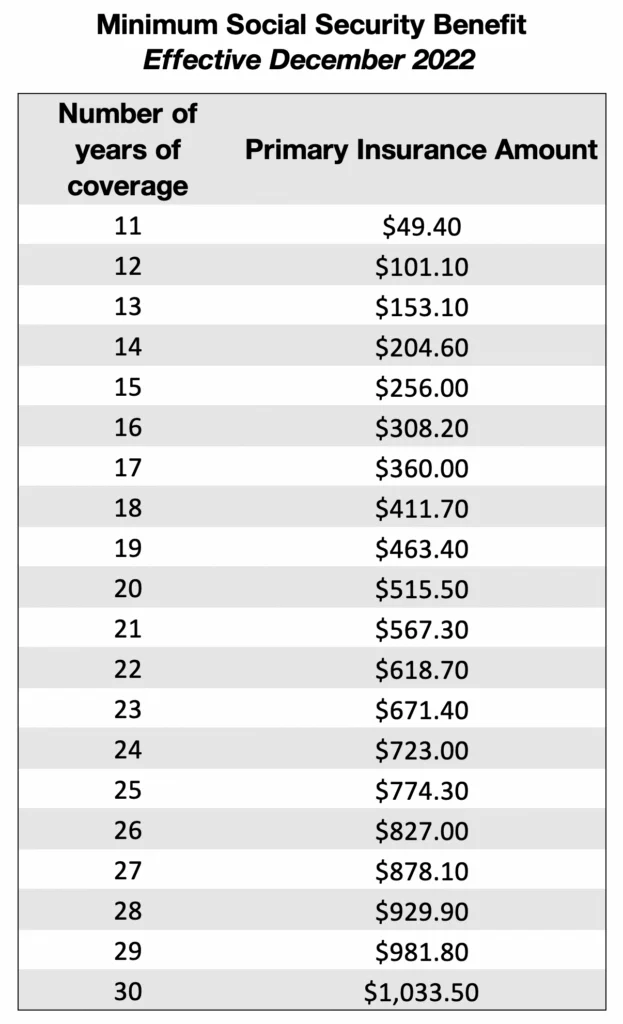
The Social Security Administration (SSA) uses a specific formula to determine your Primary Insurance Amount (PIA), which is the benefit you would receive if you claim at your full retirement age (FRA). This calculation hinges on a few core components:
Your Earning History and Indexed Earnings
The SSA considers your highest 35 years of indexed earnings. “Indexed” means your past earnings are adjusted to account for changes in the average wage level in the economy over time. This process ensures that your earlier earnings reflect their current value, providing a fairer representation of your lifetime contributions. If you have fewer than 35 years of earnings, zero-earning years will be factored into the average, which can reduce your overall benefit. Therefore, a consistent work history with strong earnings over at least 35 years is beneficial.
Average Indexed Monthly Earnings (AIME)
Once your 35 highest-earning years are identified and indexed, the total indexed earnings are summed up and then divided by 420 (the number of months in 35 years). This yields your Average Indexed Monthly Earnings (AIME). The AIME is a critical input for the next step in the calculation.
The Progressive Benefit Formula (Bend Points)
The AIME is then run through a progressive benefit formula that includes “bend points.” These bend points are dollar amounts that change annually and divide your AIME into segments, each multiplied by a different percentage. For example, for those becoming eligible for benefits in 2024:
-
90% of the first $1,174 of your AIME
-
32% of your AIME between $1,174 and $7,078
-
15% of your AIME above $7,078
This progressive structure means that lower-income workers receive a higher percentage of their average indexed earnings back as benefits compared to higher-income workers, reflecting Social Security’s goal of providing a floor of protection. The sum of these percentages applied to your AIME segments determines your PIA.
Key Factors That Significantly Influence Your Benefit Amount
While the calculation is standardized, several personal choices and circumstances can profoundly impact the actual monthly benefit you receive.
Your Age When You Claim Benefits
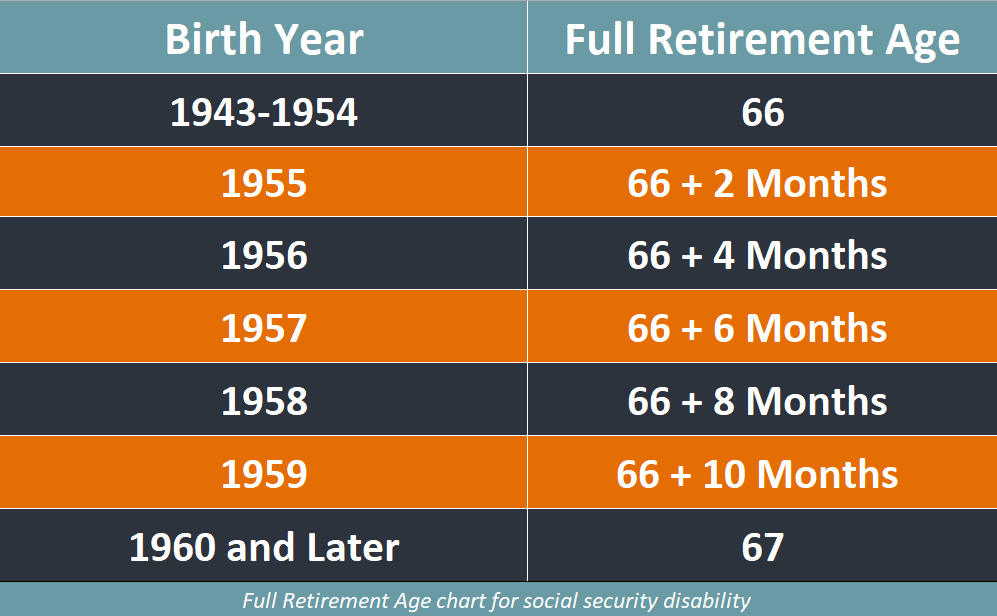
This is arguably the most impactful decision. Your full retirement age (FRA) varies based on your birth year (e.g., age 67 for those born in 1960 or later).
-
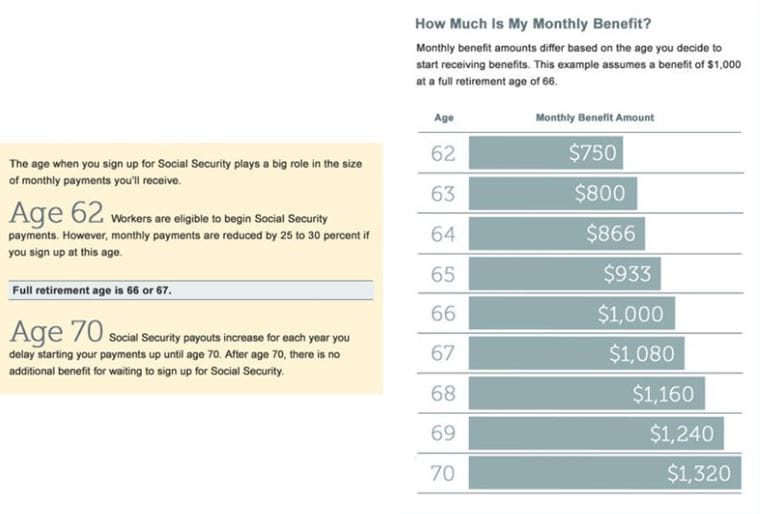
Claiming Early (Age 62-FRA): You can start receiving benefits as early as age 62, but your monthly payment will be permanently reduced. The reduction can be substantial, up to 30% if you claim at 62 when your FRA is 67.
-
Claiming at Full Retirement Age (FRA): This is when you receive 100% of your PIA.
-
Delaying Benefits (FRA-Age 70): For each month you delay claiming past your FRA, up to age 70, you earn delayed retirement credits. These credits increase your monthly benefit by a certain percentage per year (typically 8% per year for those born in 1943 or later). Delaying until age 70 can result in a benefit that is 24% to 32% higher than your FRA benefit, making it a powerful strategy for maximizing lifetime income, especially if you anticipate a long lifespan.
Your Lifetime Earnings Record
As established, your 35 highest-earning years are critical. Consistent high earnings over this period will lead to a higher AIME and, consequently, a higher PIA. Conversely, periods of unemployment, low earnings, or working fewer than 35 years can significantly reduce your average and your eventual benefit.
Spousal and Survivor Benefits
Social Security is not just for individual workers; it also provides benefits for spouses, divorced spouses, and survivors (widows/widowers).
-
Spousal Benefits: If your spouse has a higher PIA, you may be eligible to receive up to 50% of their FRA benefit, potentially more than your own PIA. You can typically claim spousal benefits once your spouse has filed for their own benefits, and you must be at least 62 or caring for a qualifying child.
-
Survivor Benefits: A surviving spouse can receive benefits based on the deceased worker’s earnings record. The amount can be up to 100% of the deceased worker’s benefit if claimed at the surviving spouse’s FRA, or a reduced amount if claimed earlier. This can be a vital source of income for surviving family members.
-
Divorced Spousal Benefits: If you were married for at least 10 years, are currently unmarried, and are at least 62, you might be eligible for benefits based on your ex-spouse’s record, even if they have remarried. This does not affect your ex-spouse’s benefit.
Working While Receiving Benefits
If you claim Social Security benefits before your FRA and continue to work, your benefits may be temporarily reduced if your earnings exceed certain annual limits. For 2024, if you are under FRA, the SSA deducts $1 from your benefits for every $2 you earn above $22,320. In the year you reach FRA, the deduction is $1 for every $3 earned above $59,520 (until the month you reach FRA). Once you reach your FRA, there are no limits on how much you can earn, and your benefits will no longer be reduced. The SSA will also recalculate your benefit amount at your FRA to account for any benefits withheld due to the earnings limit, potentially increasing your monthly payout.
Taxation of Benefits
Depending on your combined income (adjusted gross income + nontaxable interest + half of your Social Security benefits), a portion of your Social Security benefits may be subject to federal income tax. Up to 50% of your benefits can be taxed if your combined income is between $25,000 and $34,000 for an individual ($32,000 and $44,000 for a married couple filing jointly). Up to 85% of your benefits can be taxed if your combined income exceeds $34,000 for an individual ($44,000 for a married couple filing jointly). Some states also tax Social Security benefits.
Estimating Your Future Social Security Payouts
The best way to understand your potential Social Security benefits is to access your personalized information directly from the SSA.
Your Social Security Statement
Every year, the SSA sends out Social Security Statements to workers aged 60 and over who are not yet receiving benefits. For those under 60, statements are available online. This statement provides:
-
A detailed record of your yearly earnings as reported to the SSA. It’s crucial to review this carefully for accuracy, as errors can impact your benefits.
-
Estimates of your retirement benefits at age 62, at your full retirement age, and at age 70.
-
Estimates for disability and survivor benefits.
You can access your statement and create a “my Social Security” account online at the SSA website (ssa.gov). This account is an invaluable resource for tracking your earnings and understanding your projected benefits.
Online Calculators and Planning Tools
Beyond your personal statement, numerous online calculators, including those offered by the SSA and reputable financial planning websites, can help you model different claiming strategies. These tools allow you to input various scenarios, such as different retirement ages, future earnings projections, and spousal coordination options, to see how they impact your potential benefit.
Consulting a Financial Advisor
For complex situations, or if you want a holistic view of how Social Security fits into your broader retirement portfolio, a qualified financial advisor can provide tailored guidance. They can help you analyze your claiming options in the context of your other assets, liabilities, and financial goals.
Strategies to Potentially Maximize Your Social Security Benefits
While the calculation formula is fixed, you have agency over several factors that can enhance your eventual payout.
Work Longer and Earn More
Since your benefits are based on your 35 highest-earning years, continuing to work past this threshold, especially if you’re replacing lower-earning years with higher ones, can increase your AIME. Even working an extra year or two can sometimes replace a zero-earning or low-earning year, significantly boosting your average.
Strategically Delaying Your Claim
For individuals who are healthy, have other income sources, or don’t immediately need the Social Security funds, delaying your claim until age 70 is often the most powerful strategy to maximize your monthly benefit. The guaranteed annual 8% increase (for most) represents a return that is hard to beat in many other low-risk investments.
Coordinated Spousal Filing Strategies
Couples have more options than single individuals. Strategic claiming can significantly increase the total lifetime benefits for a household. For instance, one spouse might claim early to provide immediate income while the other delays until age 70 to maximize their individual benefit. Spousal benefits, restricted applications, and “file and suspend” (though largely phased out, with limited exceptions) are complex areas where professional advice can be invaluable.
Understanding Cost-of-Living Adjustments (COLAs)
Social Security benefits are subject to annual Cost-of-Living Adjustments (COLAs), which are designed to help benefits keep pace with inflation. These adjustments are applied to your benefit amount, meaning your payments will typically increase over time, helping to preserve your purchasing power in retirement.
Integrating Social Security into Your Overall Retirement Plan
It’s crucial to view Social Security not as your sole source of retirement income, but as one pillar within a diversified financial strategy. While a vital component, it’s unlikely to replace 100% of your pre-retirement income. Most financial planners recommend aiming for Social Security to cover about 40% of your pre-retirement income, necessitating other savings vehicles like 401(k)s, IRAs, and personal investments to bridge the gap.
Understanding how much you will receive from Social Security is a foundational step in retirement planning. By actively monitoring your earnings record, exploring various claiming scenarios, and making informed decisions, you can optimize this significant benefit and ensure a more secure financial future.
aViewFromTheCave is a participant in the Amazon Services LLC Associates Program, an affiliate advertising program designed to provide a means for sites to earn advertising fees by advertising and linking to Amazon.com. Amazon, the Amazon logo, AmazonSupply, and the AmazonSupply logo are trademarks of Amazon.com, Inc. or its affiliates. As an Amazon Associate we earn affiliate commissions from qualifying purchases.