
Retiring at 62 offers a tempting glimpse of freedom and leisure, an opportunity to leave the daily grind behind and embrace a new chapter of life. For many, it’s the earliest age at which they can begin claiming Social Security benefits, making it a significant milestone. However, the decision to retire at 62 is not merely a question of desire; it’s fundamentally a financial one. Understanding precisely “how much you will get” requires a deep dive into various income streams, potential penalties, and strategic financial planning. This comprehensive guide will illuminate the financial realities and considerations for those contemplating retirement at the threshold of 62.

The Core of Your Retirement Income: Social Security at 62
For the vast majority of Americans, Social Security will form a foundational component of their retirement income. While you become eligible to claim benefits starting at age 62, it’s crucial to understand the implications of early claiming.
Understanding Early Claiming Penalties
The Social Security Administration (SSA) defines a “Full Retirement Age” (FRA) based on your birth year. For most people nearing retirement today, this age ranges from 66 to 67. Claiming Social Security benefits before your FRA results in a permanent reduction of your monthly benefit amount.
- The Reduction Formula: If you claim benefits at 62, your monthly payment will be significantly reduced compared to what you would receive at your FRA. For instance, if your FRA is 67, claiming at 62 means a reduction of about 30%. This reduction is applied each month for the rest of your life. While receiving benefits for more years, the cumulative total might be less than if you waited. The SSA calculates this reduction based on the number of months you claim before your FRA.
- Lost Growth Opportunity: Beyond the direct reduction, you also forgo the annual delayed retirement credits that accrue between your FRA and age 70. These credits can increase your benefit by 8% per year.
How Your AIME Influences Your Benefit
Your Social Security benefit amount is primarily determined by your Average Indexed Monthly Earnings (AIME) over your 35 highest-earning years.
- Calculating AIME: The SSA indexes your past earnings to account for changes in average wages over time, bringing earlier earnings up to a more current value. They then take your 35 highest indexed earning years, sum them, and divide by 420 (35 years x 12 months) to arrive at your AIME.
- PIA and Bend Points: This AIME is then used to calculate your Primary Insurance Amount (PIA), which is your full monthly benefit at your Full Retirement Age. The PIA is determined by a progressive formula using “bend points” – thresholds where the percentage of your AIME used to calculate your benefit changes. Lower earners receive a higher percentage of their AIME than higher earners, making Social Security a progressive system.
Estimating Your Social Security Benefit
You don’t have to guess what your Social Security benefit will be. The SSA provides excellent tools for estimation:
- Your Online Social Security Account: By creating an account at ssa.gov, you can access your personalized Social Security Statement. This statement provides your detailed earnings history and estimates your future benefits at age 62, your FRA, and age 70. It’s the most accurate way to get a personalized projection.
- SSA Benefit Calculators: The SSA website also offers various online calculators that allow you to model different retirement scenarios, including claiming at 62, and see how working longer or different income levels might impact your benefits.
Understanding these fundamentals is the first step in assessing the financial viability of retiring at 62.
Beyond Social Security: Tapping into Other Retirement Savings
While Social Security provides a base, it’s rarely enough to maintain a comfortable lifestyle on its own, especially with the early claiming penalty. Your personal savings and investment vehicles will play a critical role in augmenting your income.
Navigating Your 401(k) and IRA Withdrawals
Most employer-sponsored 401(k)s and individual retirement accounts (IRAs) are designed for retirement, but withdrawing from them before age 59½ typically incurs a 10% early withdrawal penalty, in addition to regular income taxes. However, there are exceptions:
- Rule of 55: If you leave your job (whether voluntarily or involuntarily) in the year you turn 55 or later, you can take penalty-free withdrawals from your 401(k) or 403(b) from that specific employer’s plan. This rule applies to the plan of the employer you just left. If you rolled previous 401(k)s into an IRA, this rule generally doesn’t apply to those funds.
- SEPP (Substantially Equal Periodic Payments) or 72(t) Distributions: This strategy allows penalty-free withdrawals from IRAs (and sometimes 401(k)s after rolling over to an IRA) before age 59½ by taking a series of substantially equal periodic payments over your life expectancy. This is a complex strategy and should be approached with professional guidance as the payment schedule is fixed for at least five years or until age 59½, whichever is longer.
- Roth vs. Traditional: The tax treatment of your withdrawals will depend on whether your accounts are traditional (pre-tax contributions, taxable withdrawals) or Roth (after-tax contributions, tax-free withdrawals if qualified). Understanding this difference is crucial for tax planning.
Pensions and Defined Benefit Plans
If you’re fortunate enough to have a pension from a former employer, this can be a significant and stable income stream.
- Payout Options: Pensions often come with several payout options, such as a single life annuity (pays only as long as you live), a joint and survivor annuity (pays less but continues for your spouse after your death), or a lump-sum payment (which can then be rolled into an IRA). The timing and choice of payout can greatly affect your long-term income.
- Vesting Schedules: Ensure you are fully vested in your pension plan. Most plans require a certain number of years of service before you earn the right to a full pension benefit.
Personal Savings and Investment Accounts
Beyond tax-advantaged retirement accounts, many individuals have brokerage accounts, savings accounts, certificates of deposit (CDs), or other general investment vehicles.
- Accessibility and Flexibility: These funds are typically more accessible and liquid than retirement accounts, with no age restrictions or penalties on withdrawals. However, they are subject to capital gains taxes on appreciated assets.
- Strategic Use: These funds can be vital for bridging the gap between early retirement and when you might want to start drawing more heavily from tax-advantaged accounts, or for covering unexpected expenses.
Health Savings Accounts (HSAs) in Retirement
An often-underestimated resource, HSAs can become powerful retirement savings tools for those who maintained high-deductible health plans.
- Triple Tax Advantage: Contributions are tax-deductible, earnings grow tax-free, and qualified withdrawals for medical expenses are tax-free.
- Post-65 Flexibility: After age 65, HSA funds can be withdrawn for any purpose without penalty (though non-medical withdrawals will be taxed as ordinary income, similar to a traditional IRA). This makes them incredibly flexible. They can cover Medicare premiums, deductibles, co-pays, and even long-term care insurance premiums.
Combining these various income sources requires careful planning to optimize withdrawals, minimize taxes, and ensure your funds last throughout your retirement.
Factors That Shape Your Retirement Payout
The question of “how much” is dynamic and influenced by a multitude of personal and economic factors that extend beyond just your account balances.
Your Work History and Earnings Record
This is paramount, especially for Social Security and pensions.
- Consistent Contributions: A long history of consistent employment and contributions to Social Security at higher earnings levels will directly translate into higher Social Security benefits. Gaps in employment or years with low earnings (especially within your top 35) can reduce your AIME.
- Pension Eligibility and Amount: Similarly, your length of service and final salary (for defined benefit plans) are key determinants of your pension amount.
Investment Performance and Market Volatility
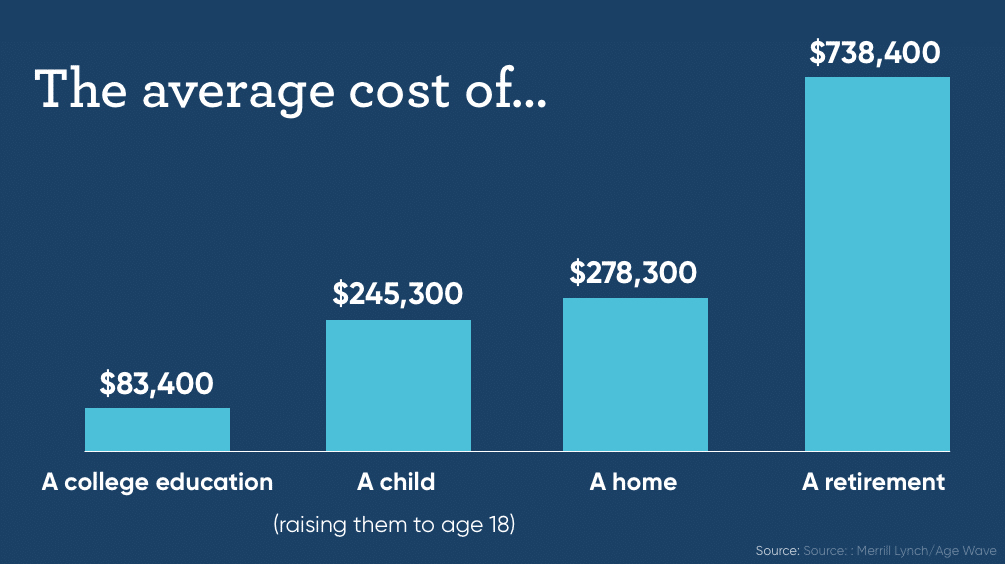
The health of your 401(k)s, IRAs, and other investment accounts is directly tied to market performance.
- Compounding Growth: Strong investment returns in the years leading up to retirement can significantly boost your nest egg. Conversely, a market downturn just before or early in retirement (known as sequence of returns risk) can severely impact the longevity of your funds, as you’re forced to sell assets at a loss to generate income.
- Asset Allocation: Your investment strategy and asset allocation (the mix of stocks, bonds, and other investments) play a critical role in managing risk and growth potential as you approach retirement.
Longevity and Healthcare Costs
These two factors represent significant variables in retirement planning.
- Living Longer: While a blessing, increased longevity means your retirement savings need to stretch further. Actuarial tables suggest a significant chance of living into your 80s or 90s, requiring a robust financial plan.
- Rising Healthcare Expenses: Healthcare is often one of the largest and most unpredictable expenses in retirement. Before Medicare eligibility at 65, you’ll need to secure health insurance through an employer’s COBRA, a spouse’s plan, or the ACA marketplace. Even with Medicare, deductibles, co-pays, and services not covered (like dental, vision, and often long-term care) can be substantial.
Inflation and Purchasing Power
Inflation, the silent thief, erodes the purchasing power of your money over time.
- Erosion of Fixed Income: If a significant portion of your retirement income is fixed (e.g., a non-indexed pension, or Social Security benefits that only receive cost-of-living adjustments), inflation will gradually reduce its real value.
- Long-Term Impact: Over a 20 or 30-year retirement, even a modest 2-3% annual inflation rate can drastically reduce the buying power of your savings. Your retirement portfolio needs to generate returns that at least keep pace with inflation to maintain your lifestyle.
Strategic Considerations for Retiring at 62
Making the leap to retire at 62 involves more than just calculating your income streams; it requires a holistic assessment of your financial readiness and lifestyle expectations.
Assessing Your Expenses and Lifestyle Needs
A thorough understanding of your anticipated retirement expenses is non-negotiable.
- Budgeting for Retirement: Create a detailed retirement budget. Don’t just assume your expenses will drop. While commuting costs and work-related expenses might decrease, others might increase (e.g., hobbies, travel, healthcare, home maintenance).
- Desired Lifestyle: Be realistic about the lifestyle you envision. Does your projected income support travel, dining out, hobbies, and potential new pursuits, or will it necessitate a more frugal existence? A “bare bones” budget might cover essentials, but won’t provide the fulfilling retirement many dream of.
Bridging the Healthcare Gap
One of the most significant challenges for early retirees is healthcare coverage before Medicare eligibility at age 65.
- Pre-Medicare Options: You’ll need to find health insurance for three years. Options include:
- COBRA: If your former employer offered it, COBRA allows you to continue your group health coverage for up to 18 months, but you’ll pay the full premium plus an administrative fee.
- Spousal Coverage: If your spouse is still working and has employer-sponsored health insurance, you might be able to join their plan.
- Affordable Care Act (ACA) Marketplace: HealthCare.gov (or state exchanges) offers subsidized plans based on income. This can be a highly cost-effective option for many early retirees.
- Retiree Health Benefits: A decreasing number of employers still offer retiree health benefits; check if yours does.
The Impact of Spousal Benefits and Survivor Benefits
Social Security benefits are not just for individuals; they extend to families.
- Spousal Benefits: If you’re married, your spouse may be eligible for a spousal benefit based on your work record (up to 50% of your PIA). If they claim early, this benefit is also reduced.
- Survivor Benefits: Should you predecease your spouse, they may be eligible for a survivor benefit based on your work record (which could be up to 100% of your benefit, depending on their age at claiming). This benefit can be a crucial safety net for the surviving spouse. Strategic claiming decisions between spouses can optimize combined lifetime benefits.
Exploring Part-Time Work or ‘Unretirement’
Retiring at 62 doesn’t have to mean a complete cessation of work.
- Supplementing Income: Many retirees choose to work part-time to supplement their income, cover discretionary expenses, or simply stay engaged.
- Social Security Earnings Limit: If you claim Social Security at 62 and continue to work, your benefits may be reduced if your earnings exceed a certain limit (this limit changes annually). For example, in 2024, for those below FRA, $1 in benefits is withheld for every $2 earned above $22,320. Once you reach your FRA, these limits no longer apply. Understanding this limit is vital to avoid unexpected benefit reductions.
Maximizing Your Retirement Income and Longevity of Funds
Even if retiring at 62 is your goal, there are strategies to enhance your financial security and make your money last.
The Power of Delayed Gratification (If Possible)
While the appeal of retiring at 62 is strong, delaying some income streams, particularly Social Security, can yield substantial long-term benefits.
- Social Security Delay: For every year you delay claiming Social Security past age 62 up to age 70, your monthly benefit grows. If you can bridge the gap with other savings or part-time work, waiting even a few years can significantly increase your guaranteed lifetime income. This is especially impactful for the higher-earning spouse.
- Compounding Growth: Allowing your investment accounts more time to grow, especially during your peak earning years, can add hundreds of thousands to your nest egg. Every extra year of work means another year of contributions and compounding, without withdrawals.
Diversifying Your Income Streams
Reliance on a single income source in retirement (like just Social Security) is risky.
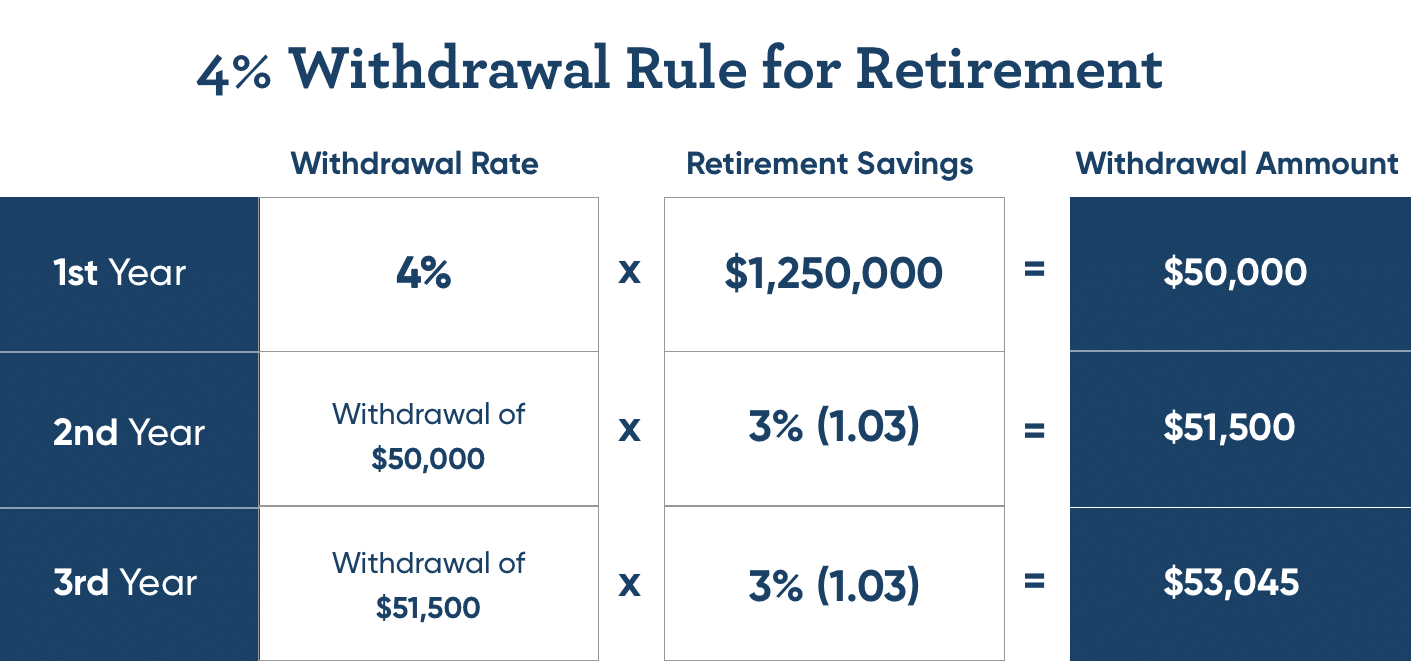
- Multiple Buckets: Aim for a diversified set of income streams: Social Security, pensions (if applicable), investment withdrawals (from various account types like 401k, IRA, brokerage), and potentially part-time work or rental income. This diversification provides flexibility and reduces vulnerability if one source underperforms.
- Tax Efficiency: Diversifying across different types of accounts (taxable, tax-deferred, tax-free like Roth) allows for greater tax planning flexibility in retirement. You can strategically withdraw from different “buckets” to manage your annual tax liability.
Professional Financial Planning
The complexities of retiring at 62, managing various accounts, taxes, healthcare, and longevity risks, underscore the value of professional guidance.
- Holistic Approach: A qualified financial advisor can help you create a comprehensive retirement plan that considers all your assets, liabilities, income needs, and goals. They can help you with cash flow projections, tax-efficient withdrawal strategies, investment management, risk assessment, and estate planning.
- Expert Navigation: An advisor can help you navigate the intricate rules surrounding Social Security claiming, Medicare, and early withdrawals, ensuring you make informed decisions that align with your long-term financial well-being. They can also provide an objective perspective during potentially emotional financial decisions.
Retiring at 62 is an achievable dream for many, but it demands meticulous planning and a realistic understanding of “how much you will get.” By thoroughly assessing your Social Security benefits, tapping into your diverse savings, understanding the influencing factors, and making strategic decisions, you can lay a robust financial foundation for a fulfilling early retirement.
aViewFromTheCave is a participant in the Amazon Services LLC Associates Program, an affiliate advertising program designed to provide a means for sites to earn advertising fees by advertising and linking to Amazon.com. Amazon, the Amazon logo, AmazonSupply, and the AmazonSupply logo are trademarks of Amazon.com, Inc. or its affiliates. As an Amazon Associate we earn affiliate commissions from qualifying purchases.