
The financial landscape of the 21st century has been defined by several seismic shifts, but none perhaps as dramatic or as polarizing as the rise of Bitcoin. Today, Bitcoin is discussed in the boardrooms of Wall Street, held on the balance sheets of public companies like MicroStrategy, and integrated into the national economies of countries like El Salvador. However, to truly appreciate the magnitude of its financial journey, one must look back to 2010—the first year Bitcoin actually established a market price.
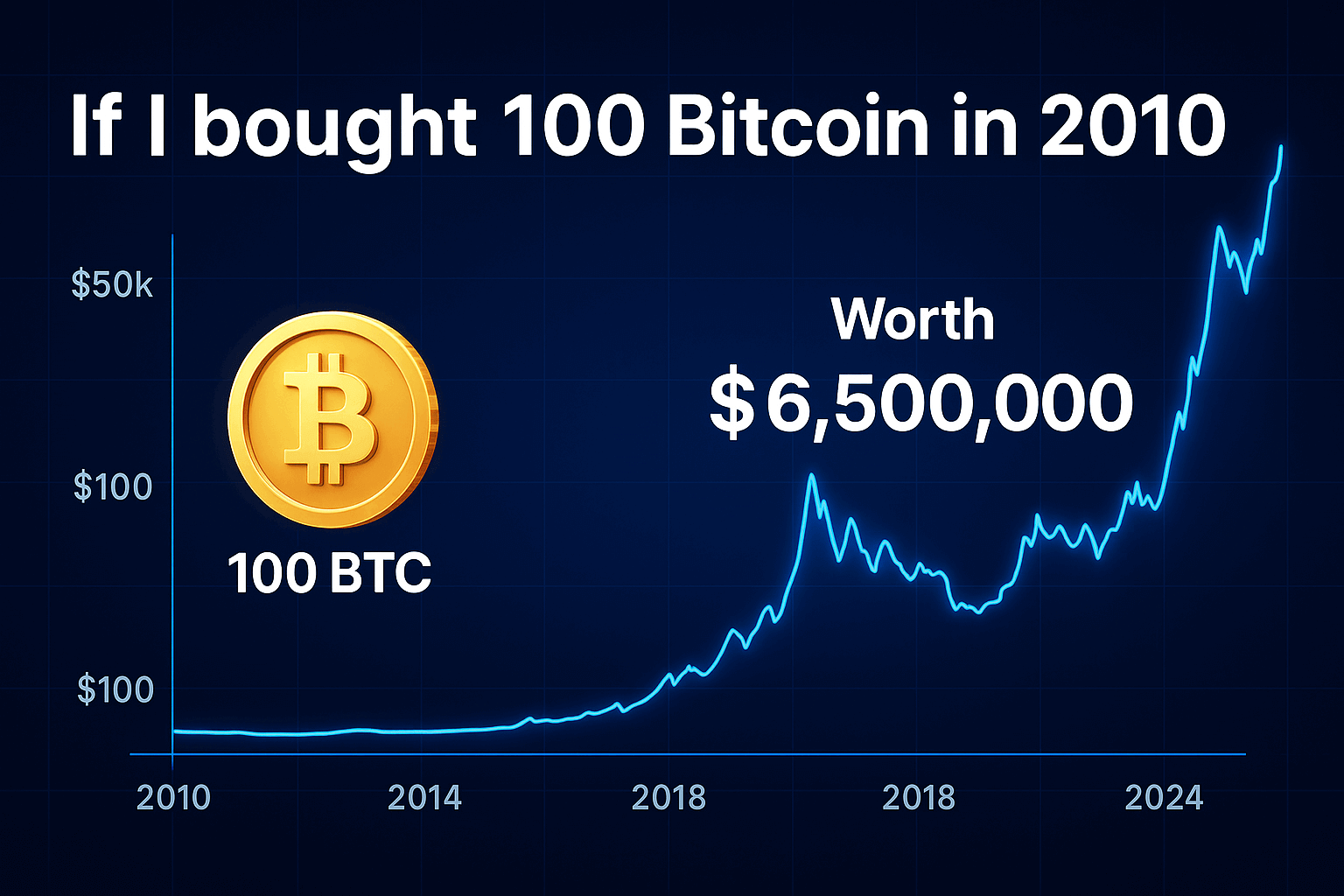
In 2010, Bitcoin was not an institutional asset; it was a radical experiment in digital scarcity. For those looking back and asking “how much was Bitcoin in 2010,” the answer is a humbling reminder of how nascent markets begin.
The Infancy of an Asset: Bitcoin’s Market Value in 2010
At the start of 2010, Bitcoin didn’t even have a formal exchange. Its value was largely theoretical, shared among a small group of cryptographers and hobbyists. However, as the year progressed, the first iterations of market pricing began to emerge.
The New Liberty Standard and the Sub-Penny Era
The very first recorded exchange rate for Bitcoin was established by the “New Liberty Standard” in late 2009 and early 2010. The formula used to determine the price was based on the cost of the electricity required to mine a coin. In early 2010, you could purchase 1,309 Bitcoins for just $1. This puts the price of a single Bitcoin at approximately $0.00076. By March 2010, the price had “surged” to about $0.003 per coin.
The Famous Pizza Transaction: A $410 Million Lunch
One cannot discuss the price of Bitcoin in 2010 without mentioning the “Bitcoin Pizza” event. On May 22, 2010, programmer Laszlo Hanyecz paid 10,000 BTC for two Papa John’s pizzas. At the time, the 10,000 BTC were worth roughly $41. This transaction is historically significant because it represented the first time Bitcoin was used as a medium of exchange for a physical good. At today’s prices, those two pizzas would be worth over $400 million, making it perhaps the most expensive meal in human history from an opportunity-cost perspective.
The Summer Rally and the Ten-Cent Milestone
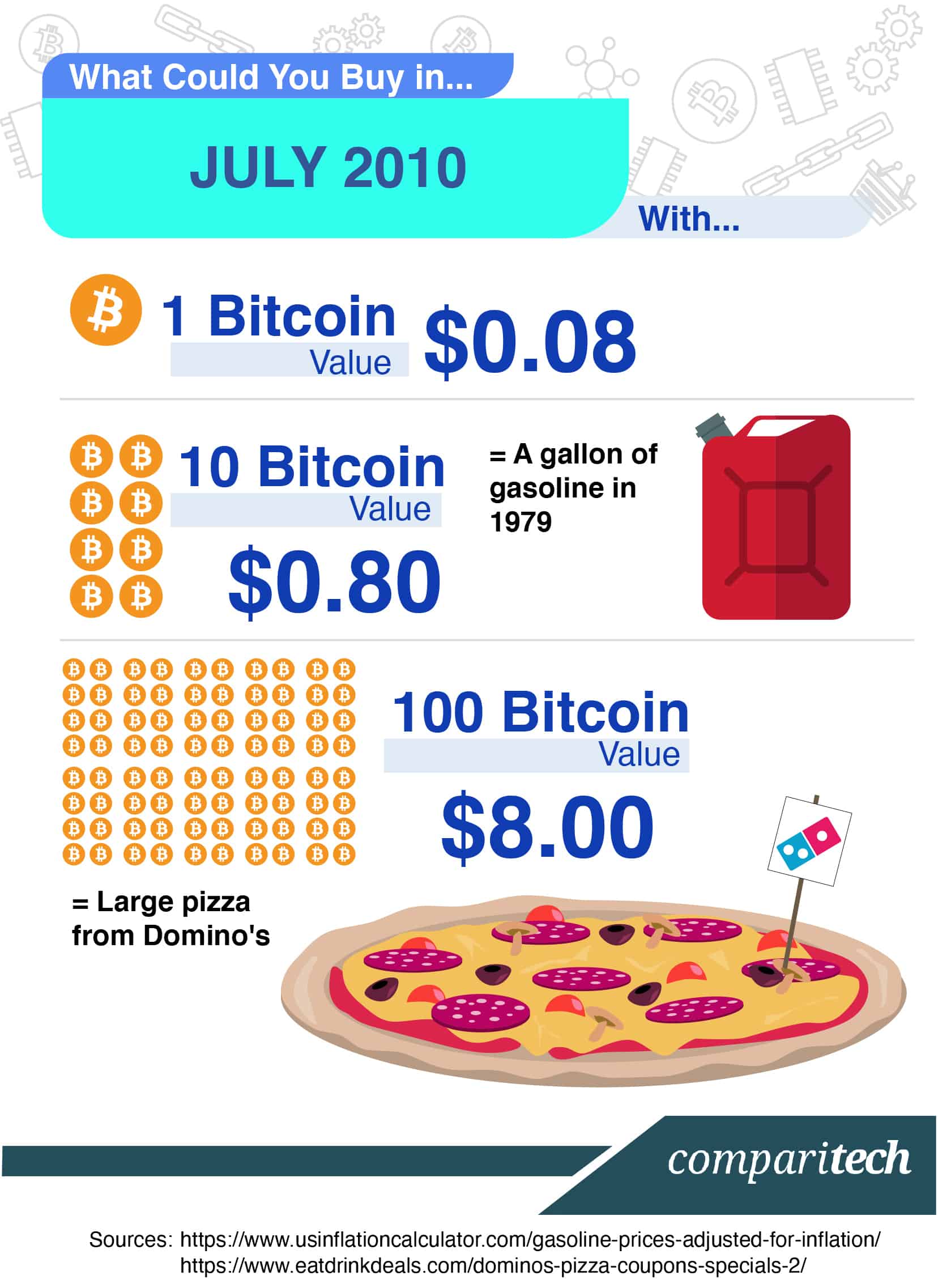
By July 2010, the tide began to turn. Following an article on Slashdot that brought significant attention to the project, the price of Bitcoin jumped tenfold in a matter of days, rising from $0.008 to $0.08. In October 2010, the price hit $0.10, and by the end of the year, Bitcoin was trading at approximately $0.30. The growth from $0.00076 to $0.30 in a single year represented an astronomical percentage gain, yet the total market capitalization remained negligible compared to traditional financial assets.
Why Bitcoin Had (Almost) No Value in 2010
To understand why Bitcoin was priced in fractions of a cent, we must look at the financial infrastructure—or lack thereof—surrounding the asset during its second year of existence.
The Absence of Liquidity and Exchanges
In 2010, there were no Robinhood apps, no Coinbases, and no regulated futures markets. If you wanted to buy Bitcoin, you often had to find someone on an IRC chat or a forum and send them money via PayPal, hoping they would send the coins to your digital wallet. The lack of liquidity meant that even a small purchase could move the market significantly. Without a centralized, liquid exchange, price discovery was inefficient and localized.
Perception as a Technical Experiment vs. an Investment
In 2010, Bitcoin was not viewed as “Digital Gold.” To the few who knew of it, it was a software experiment. The primary concern wasn’t the “return on investment” (ROI), but rather whether the network would survive a 51% attack or a critical bug in the code. Because the risk of total failure was perceived to be near 100%, the market priced it accordingly—at nearly zero. Only the most risk-tolerant individuals were willing to exchange even a few dollars for thousands of “magic internet coins.”
The Role of the Cypherpunk Community
The early “investors” weren’t traditional hedge fund managers; they were cypherpunks. Their motivation for holding Bitcoin was ideological rather than purely financial. They sought a decentralized alternative to the central banking system following the 2008 financial crisis. This ideological backing provided a “floor” for the price, as these early adopters were less likely to sell based on market volatility, viewing their holdings as a vote for a new financial paradigm.
The Financial Evolution: From “Magic Internet Money” to a Trillion-Dollar Asset Class

The journey from the $0.30 price point of late 2010 to the tens of thousands of dollars today reflects a profound shift in how the global financial system perceives value and scarcity.
The Shift from Medium of Exchange to Store of Value
Initially, Bitcoin was marketed as a “Peer-to-Peer Electronic Cash System.” However, as the price rose and the network grew, the narrative shifted toward Bitcoin being a “Store of Value.” The fixed supply of 21 million coins created a scarcity profile that mirrored gold. Investors began to see Bitcoin not as something to buy pizza with, but as a hedge against the debasement of fiat currencies. This transition was pivotal in attracting larger capital allocations.
Institutional Adoption and Market Maturation
The jump from 2010’s cents to today’s dollars required the entry of institutional “smart money.” In 2010, the idea of a Bitcoin ETF (Exchange-Traded Fund) would have been laughable. Today, major financial institutions like BlackRock and Fidelity offer Bitcoin products to their clients. This institutionalization has provided the liquidity and regulatory framework necessary for Bitcoin to be treated as a legitimate component of a diversified investment portfolio.
Risk Profiles: 2010 vs. Today
In 2010, Bitcoin was a high-risk, high-reward “lottery ticket” investment. Today, while still volatile, the existential risk of the network disappearing has drastically decreased. The financial community now views Bitcoin as a “mature” alternative asset. The trade-off for this decreased risk is that the era of 10,000x returns is likely over. An investor in 2010 was betting on the birth of a new system; an investor today is betting on the continued adoption of an established one.
Investment Lessons from the 2010 Era
The history of Bitcoin’s price in 2010 offers several timeless lessons for personal finance and modern investing, particularly regarding how we handle emerging technologies.
The Power of Asymmetric Bets
An asymmetric bet is one where the potential downside is limited (you can only lose 100% of your investment), but the potential upside is virtually unlimited. In 2010, putting $10 into Bitcoin was the ultimate asymmetric bet. If it went to zero, the loss was the price of a lunch. If it succeeded, the gain was life-changing. Understanding how to allocate a small portion of a portfolio to high-convexity assets remains a hallmark of sophisticated wealth management.
Understanding the “HODL” Philosophy in a Financial Context
The term “HODL” (a misspelling of “hold”) has become a meme, but its financial roots are in the 2010–2011 era. Investors who bought at $0.10 and saw the price rise to $30, only to crash back to $2, faced immense psychological pressure. The lesson here is the importance of “time in the market” over “timing the market.” Those who achieved the greatest financial success were those who ignored the short-term noise and focused on the long-term thesis.
Identifying Emerging Financial Technologies
The 2010 Bitcoin era teaches us to look at the “fringe” of finance. Often, the most significant future assets start as misunderstood or ridiculed experiments. For the modern investor, the lesson is to maintain a level of curiosity about technological shifts—whether in AI-driven finance, decentralized protocols, or new fintech platforms—before they become mainstream and their prices reflect that reality.
The “What If” Calculation: Portfolio Implications of Early Adoption
It is a common pastime for investors to calculate what a small investment in 2010 would be worth today. While these calculations can lead to “FOMO” (Fear Of Missing Out), they serve as a powerful tool for visualizing the impact of exponential growth.
Visualizing the Growth: $100 Then vs. Now
If an investor had the foresight—or the luck—to invest $100 in Bitcoin in July 2010 when the price was approximately $0.05, they would have acquired 2,000 BTC. At a modern price of $60,000 per coin, that $100 investment would be worth $120 million. This level of wealth creation is almost unprecedented in the history of capital markets for such a short timeframe.
Survivorship Bias in Crypto Investing
While the $120 million figure is staggering, financial professionals warn against “survivorship bias.” For every Bitcoin that succeeded, there were hundreds of other digital projects and “altcoins” that went to zero. Many early investors lost their private keys, had their coins stolen in exchange hacks, or sold far too early. The financial reality of 2010 was that holding onto a volatile, experimental asset for over a decade required a level of discipline that few possess.
Building a Diversified Strategy in the Wake of Bitcoin’s Success
The takeaway from Bitcoin’s 2010 valuation isn’t that one should chase the next “meme coin” in hopes of a repeat performance. Instead, it highlights the importance of innovation-adjusted diversification. A modern, resilient portfolio should account for the fact that the traditional financial system is being disrupted. By allocating a small, manageable percentage to “frontier” assets, investors can capture potential upside without jeopardizing their overall financial security.
In conclusion, Bitcoin in 2010 was a curiosity priced at pennies, supported by a community of visionaries who saw value where the world saw nothing. For the modern student of money, the history of that year serves as a masterclass in market psychology, the evolution of value, and the transformative power of decentralized technology. Whether Bitcoin continues its trajectory or stabilizes, its journey from $0.00076 to a global financial powerhouse remains the most compelling financial story of our time.
aViewFromTheCave is a participant in the Amazon Services LLC Associates Program, an affiliate advertising program designed to provide a means for sites to earn advertising fees by advertising and linking to Amazon.com. Amazon, the Amazon logo, AmazonSupply, and the AmazonSupply logo are trademarks of Amazon.com, Inc. or its affiliates. As an Amazon Associate we earn affiliate commissions from qualifying purchases.