
The rumble that wasn’t there yesterday, the warning light that just illuminated, or the outright failure to start – a car breakdown is more than just an inconvenience; it’s often a sudden and unwelcome assault on your personal finances. For many, a vehicle is an essential tool for daily life, making the question “how much to fix my car?” not just a query, but a pressing financial concern. Understanding the potential costs, the factors that drive them, and how to financially prepare is crucial for maintaining both your vehicle and your financial equilibrium.
The Unpredictable Nature of Car Repairs and Their Financial Impact
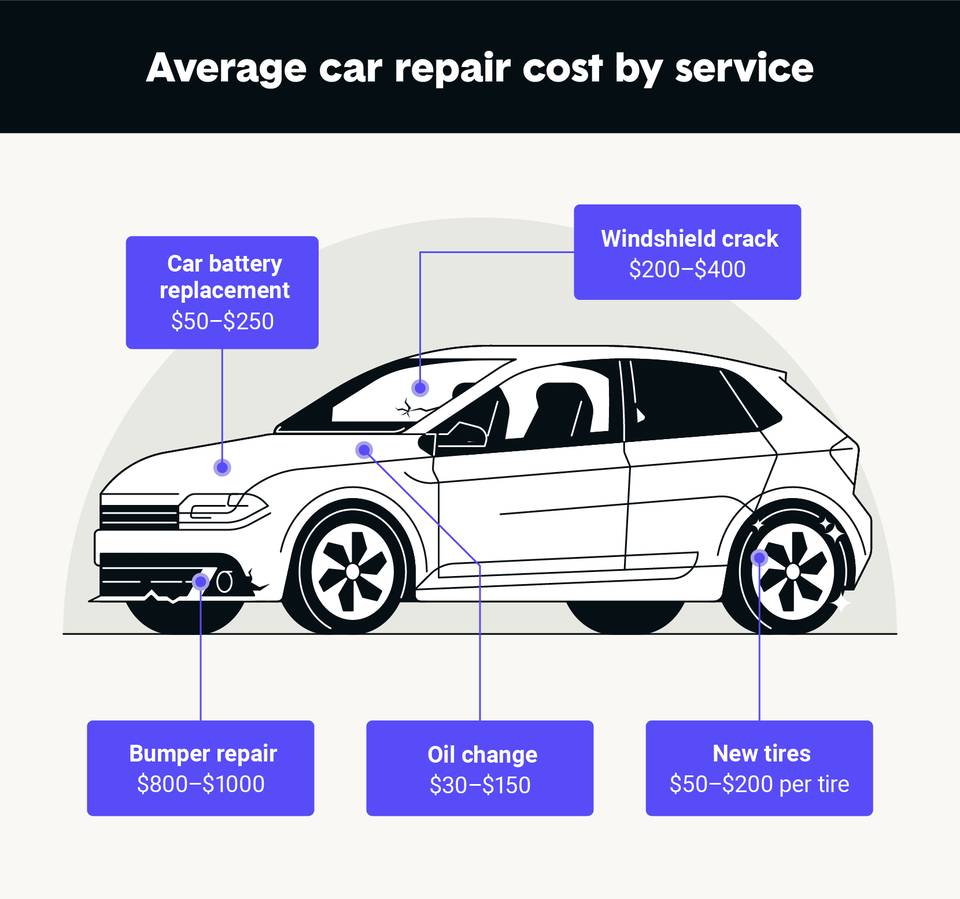
Unlike a monthly utility bill, car repairs rarely arrive with forewarning or a predictable price tag. This inherent unpredictability makes them particularly challenging to budget for, often leading to financial stress or, in worst-case scenarios, accumulating debt. From a minor sensor replacement to a major engine overhaul, the financial spectrum of car repairs is vast, ranging from a few hundred dollars to several thousand.
The immediate financial impact often extends beyond the repair bill itself. There are potential costs associated with alternative transportation (rideshares, rentals, public transport), lost wages if you can’t get to work, and the psychological burden of dealing with an unexpected financial hit. Therefore, approaching car ownership with a robust financial strategy that accounts for these inevitable expenditures is not just wise; it’s a fundamental aspect of sound personal finance.
Deconstructing the Cost Factors: What Influences Your Bill?
The final repair bill is a culmination of several variables, each playing a significant role in determining the total cost. Understanding these elements empowers you to make more informed decisions and potentially mitigate expenses.
Labor Rates: A Significant Variable
Labor is often the largest single component of a car repair bill. Rates can vary dramatically based on several factors:
-
Type of Shop: Dealerships typically charge the highest labor rates, reflecting specialized tools, manufacturer-trained technicians, and premium facilities. Independent repair shops often offer more competitive rates while still employing skilled mechanics. Smaller, local garages might have the lowest rates, but it’s essential to ensure their expertise matches the repair needed.
-
Geographic Location: Labor costs are generally higher in metropolitan areas and regions with a higher cost of living compared to rural areas.
-
Complexity of the Job: Some repairs require more specialized skills, diagnostic time, or intricate disassembly, justifying a higher labor charge.
Parts: OEM vs. Aftermarket vs. Used
The cost of parts can fluctuate wildly depending on their origin and quality:
-
Original Equipment Manufacturer (OEM) Parts: These are identical to the parts your car was built with, supplied by the vehicle manufacturer. They are generally the most expensive but guarantee perfect fit and performance, often coming with a manufacturer’s warranty.
-
Aftermarket Parts: Produced by companies other than the original car manufacturer, these parts are designed to function identically to OEM parts. They are typically more affordable, and their quality can range from excellent to subpar. Reputable aftermarket brands often offer good value and warranties.
-
Used/Salvage Parts: Sourced from wrecked or salvaged vehicles, used parts are the most economical option. They are ideal for non-critical components or older vehicles where new parts might be hard to find or prohibitively expensive. However, their condition and longevity are less predictable, and warranties are often limited or non-existent.
Type of Repair and Vehicle Specifics
The nature of the repair itself and the make and model of your vehicle are major cost drivers:
-
Minor Maintenance vs. Major Component Failure: A simple oil change or tire rotation will be a fraction of the cost of replacing a transmission, engine, or hybrid battery pack. Diagnostic services also add to the initial cost to pinpoint the issue.
-
Vehicle Make and Model: Luxury vehicles, sports cars, and those with advanced technological features often have higher parts costs due to specialized components and lower production volumes. Parts for common economy cars are typically more readily available and cheaper.
-
Age and Mileage: Older vehicles, especially those with high mileage, are more prone to wear-and-tear failures, and certain parts might become scarce, driving up costs. Newer vehicles might have expensive proprietary technology that requires specialized diagnostic tools and training.
Strategies for Managing Car Repair Expenses
Proactive financial planning and smart decision-making can significantly mitigate the sting of unexpected car repairs.
The Essential Emergency Fund for Automotive Woes
The single most effective strategy for managing car repair costs is to have a dedicated emergency fund. This isn’t just a general rainy-day fund; ideally, it includes a specific allocation for vehicle maintenance and unexpected repairs. Financial experts often recommend having at least three to six months of living expenses saved in an emergency fund, but a separate, smaller fund specifically for car repairs (e.g., $1,000-$2,000) can prevent you from dipping into your main emergency savings for car-related issues. Automate transfers to this fund to build it steadily over time.

Understanding Car Warranties and Service Contracts
Before authorizing any repair, thoroughly understand your vehicle’s warranty status:
-
Factory Warranty: New cars come with a manufacturer’s warranty covering specific components for a certain period or mileage. Be aware of what’s covered (e.g., powertrain, bumper-to-bumper) and for how long.
-
Extended Warranties/Service Contracts: These are purchased separately and provide coverage beyond the factory warranty. While they can offer peace of mind, carefully scrutinize the contract’s terms, exclusions, deductible, and the reputation of the provider. Sometimes, the cost of the extended warranty outweighs the potential savings from repairs.
-
Recall Campaigns: Check if the repair needed is part of a manufacturer’s recall. Recalls are federally mandated and repaired for free, regardless of warranty status.
Savvy Shopping for Mechanics
Don’t settle for the first quote you receive, especially for significant repairs.
-
Get Multiple Quotes: For non-emergency repairs, obtain estimates from at least two or three different reputable shops. Compare not just the total price but also the breakdown of parts, labor, and warranty offered on the repair.
-
Check Reviews and Certifications: Utilize online resources like Yelp, Google Reviews, and the Better Business Bureau. Look for shops with ASE (Automotive Service Excellence) certified technicians, indicating a commitment to professional standards.
-
Build a Relationship: Finding a trustworthy mechanic before you desperately need one can save you money and stress in the long run. A good relationship often comes with fair pricing and honest advice.
DIY vs. Professional Repair: A Cost-Benefit Analysis
For those with some mechanical aptitude, certain minor repairs can be tackled at home, saving significantly on labor costs.
-
DIY Potential: Simple tasks like replacing air filters, wiper blades, topping off fluids, or even changing brakes on some vehicles can be done with basic tools and guidance from online tutorials.
-
Know Your Limits: Attempting complex repairs without proper tools, knowledge, or safety precautions can lead to further damage, personal injury, or a more expensive professional repair down the line. Always weigh the potential savings against the risk and your own skill level. Critical systems like steering, brakes, and engine components are often best left to professionals.
Proactive Financial Planning for Future Automotive Health
Beyond addressing immediate repair needs, a holistic financial approach to car ownership can lead to substantial long-term savings.
Budgeting for Routine Maintenance
Preventative maintenance is not an expense; it’s an investment that saves you money in the long run. Adhering to your vehicle’s service schedule for oil changes, tire rotations, fluid checks, and belt replacements can prevent minor issues from escalating into costly major repairs. Integrate these routine costs into your monthly or annual budget, viewing them as a fixed overhead of vehicle ownership.
Leveraging Financial Tools and Apps
Modern financial technology offers powerful tools to manage car-related expenses:
-
Budgeting Apps: Apps like Mint, YNAB (You Need A Budget), or Personal Capital can help you track all vehicle-related spending, identify patterns, and allocate funds specifically for maintenance and repairs.
-
Savings Automation: Set up automatic transfers from your checking account to your dedicated car repair savings fund. Even small, consistent contributions add up.
-
Vehicle Maintenance Trackers: Some apps help you keep track of service history and upcoming maintenance, allowing you to anticipate expenses.
The Long-Term Financial Impact of Car Ownership
Understanding the total cost of car ownership (TCO) is essential for making financially sound decisions. Beyond repairs, TCO includes depreciation, insurance, fuel, registration fees, and financing costs. When a repair bill is excessively high relative to your car’s market value, it might be more financially prudent to invest in a newer, more reliable vehicle. This decision requires a careful financial analysis: “Is the cost of this repair more than the car is worth, and would that money be better spent as a down payment on a new vehicle with lower expected maintenance costs?”

The Hidden Costs of Delaying Repairs
Procrastinating on necessary car repairs can seem like a way to save money in the short term, but it almost invariably leads to greater financial burdens. A minor issue, left unaddressed, can rapidly cascade into multiple, more severe problems. For example, ignoring a worn brake pad can lead to rotor damage, or a failing water pump can cause engine overheating and catastrophic engine failure. Beyond the escalating repair costs, delaying repairs can compromise your safety, lead to fines for illegal vehicle conditions, and severely diminish your car’s resale value.
Ultimately, the question “how much to fix my car?” underscores the critical link between vehicle health and financial well-being. By adopting proactive financial strategies, understanding the cost drivers, and making informed decisions, you can navigate the inevitable bumps in the road with greater financial resilience.
aViewFromTheCave is a participant in the Amazon Services LLC Associates Program, an affiliate advertising program designed to provide a means for sites to earn advertising fees by advertising and linking to Amazon.com. Amazon, the Amazon logo, AmazonSupply, and the AmazonSupply logo are trademarks of Amazon.com, Inc. or its affiliates. As an Amazon Associate we earn affiliate commissions from qualifying purchases.