
In an era dominated by digital commerce, Amazon stands as an undeniable titan, an almost ubiquitous presence in the daily lives of millions. From the swift delivery of household essentials to the vast libraries of digital entertainment, Amazon’s ecosystem offers an unparalleled breadth of services and products. Consequently, the seemingly simple question, “How much is Amazon monthly?” quickly reveals itself to be multifaceted, encompassing not just what consumers pay for subscriptions and purchases, but also what entrepreneurs spend to leverage its massive marketplace, and even what individuals earn through its various programs.
This article delves into the intricate financial landscape of Amazon, dissecting the various streams of expenditure and income that define one’s monthly engagement with the e-commerce behemoth. Whether you’re a casual shopper, a Prime subscriber, or an ambitious seller, understanding the true financial implications requires a granular look at Amazon’s diverse offerings and the monetary flows they entail.
Unpacking Your Monthly Amazon Expenditure
For the vast majority of users, their primary financial interaction with Amazon revolves around spending. This includes recurring subscription fees, the cost of digital content, and the cumulative impact of product purchases. Understanding these outlays is crucial for effective personal financial management.
The Core Subscription: Amazon Prime
At the heart of many consumers’ monthly Amazon expenditure is Amazon Prime. This flagship subscription service offers a suite of benefits that have become indispensable for many, primarily fast, free shipping.
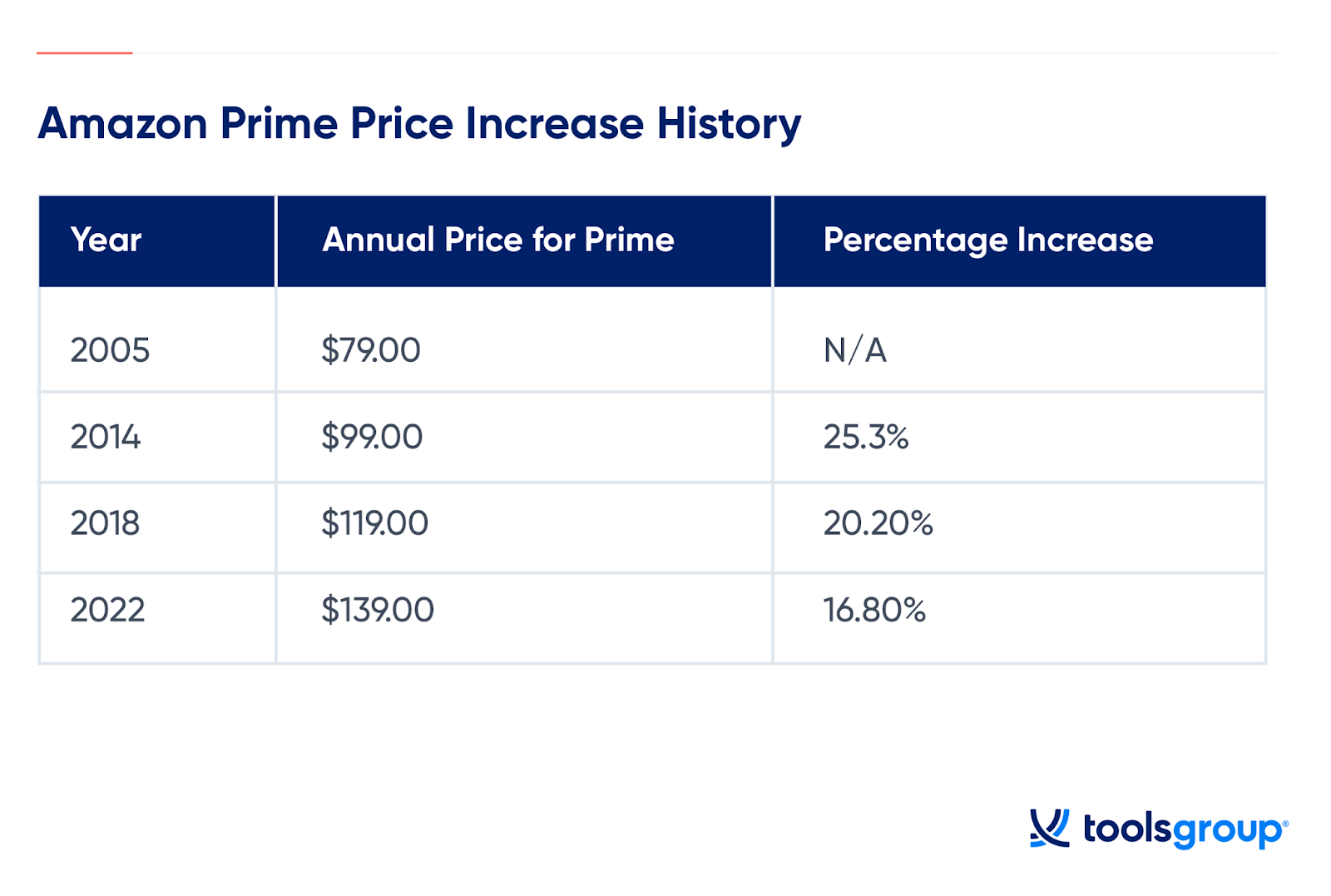
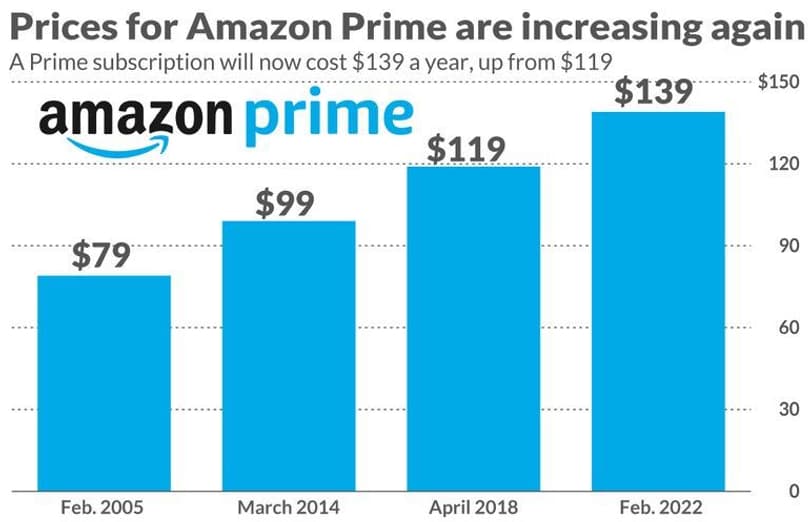
Currently, a monthly Amazon Prime subscription typically costs around $14.99 in the U.S. Opting for an annual membership, priced at approximately $139 per year, provides a noticeable saving, effectively reducing the monthly cost to about $11.58. This annual commitment often represents a strategic financial decision for regular Amazon shoppers.
Beyond shipping, Prime membership includes access to Prime Video for streaming movies and TV shows, Prime Music for ad-free listening, Prime Reading for a rotating selection of e-books, exclusive deals, and cloud photo storage. For many, the value derived from these bundled services justifies the monthly or annual fee, transforming it from a mere shipping cost into an entertainment and convenience package. Furthermore, Amazon offers discounted Prime memberships for eligible EBT and Medicaid recipients, as well as students, significantly lowering the monthly barrier to entry and extending its reach.
Ancillary Amazon Digital Subscriptions
Beyond the comprehensive Prime package, Amazon offers a variety of specialized digital subscriptions that can add to a user’s monthly financial commitment. These services, while optional, often appeal to specific interests and can subtly increase one’s overall Amazon bill.
For music enthusiasts, Amazon Music Unlimited provides a deeper catalog than Prime Music, often costing an additional $9.99 per month for Prime members or $10.99 for non-Prime members. Readers might gravitate towards Kindle Unlimited, offering access to millions of e-books and thousands of audiobooks for around $11.99 monthly. Similarly, Audible, Amazon’s audiobook platform, has various membership tiers, typically starting at $14.95 per month for one credit. Families might also consider Amazon Kids+, a subscription service with age-appropriate content for children, which usually costs around $4.99 per month for Prime members. Each of these services, while offering distinct value, represents an additional “monthly Amazon cost” that can accumulate quickly if not actively managed.
Recurring Purchases and Spontaneous Spending
Perhaps the most variable, yet often the largest, component of monthly Amazon expenditure comes from product purchases. This ranges from planned recurring buys to impulsive impulse buys.
Amazon’s Subscribe & Save program is designed to facilitate recurring purchases of everyday essentials like groceries, pet food, and household supplies. While it offers a percentage discount (up to 15% on certain items when subscribing to five or more products), it also establishes a consistent monthly spending pattern that users need to factor into their budgets. Beyond subscriptions, the sheer convenience and competitive pricing of Amazon make it a primary destination for one-off purchases of electronics, clothing, books, and gifts. Monitoring these variable expenditures is critical. Many consumers find their monthly Amazon bill significantly higher than just their Prime subscription, due to the cumulative effect of small, frequent orders. Utilizing budgeting apps or regularly reviewing Amazon’s order history can help in tracking and controlling this often-overlooked segment of monthly spending. Savvy users might also leverage credit cards offering Amazon-specific rewards or general online shopping cashback to mitigate some of these costs.
The Entrepreneur’s Monthly Financial Outlay with Amazon
Amazon isn’t just a place to shop; it’s a colossal marketplace where millions of businesses operate. For entrepreneurs and small businesses, engaging with Amazon’s selling ecosystem entails a distinct set of monthly financial obligations, crucial for calculating profitability and cash flow.
Seller Account Subscriptions and Fees
To sell on Amazon, businesses typically choose between two main plans: the Individual and Professional Seller plans. The Professional Seller Plan comes with a monthly subscription fee of approximately $39.99. This fee unlocks advanced selling tools, bulk listing options, and eligibility for the Buy Box. In contrast, the Individual Seller Plan has no monthly subscription fee but charges a $0.99 per-item fee for every sale, making it more suitable for those selling fewer than 40 items a month.
Beyond these subscription fees, all sellers incur referral fees, which are a percentage of the sale price (typically 8% to 15%, depending on the product category). Some categories, like media items, also incur a variable closing fee. Understanding these various fees and how they apply to specific products is fundamental to setting profitable pricing and managing monthly expenses.
Fulfillment by Amazon (FBA) Costs
Many sellers opt for Fulfillment by Amazon (FBA), a service where Amazon stores, picks, packs, ships products, and handles customer service. While FBA offers immense logistical advantages, it also introduces several layers of monthly costs.
The primary FBA costs are fulfillment fees, charged per unit based on the product’s size and weight. These fees cover the entire fulfillment process from warehouse to customer. Additionally, sellers incur monthly inventory storage fees, calculated per cubic foot based on the average daily volume of their inventory in Amazon’s fulfillment centers. These storage fees are significantly higher during peak holiday seasons (October to December) and can also include long-term storage fees for inventory that remains in a fulfillment center for extended periods. Other potential FBA-related costs include inventory placement fees, removal order fees (to have inventory returned to the seller), and disposal fees. Managing inventory efficiently is paramount to controlling these monthly FBA expenses.
Advertising and Promotional Spend
In Amazon’s highly competitive marketplace, visibility is often achieved through paid advertising. Many sellers consider Amazon Ads (Sponsored Products, Sponsored Brands, Sponsored Display) a necessary monthly investment to drive sales and gain market share.
These advertising campaigns operate on a pay-per-click (PPC) model, meaning sellers bid on keywords and pay only when a shopper clicks their ad. The actual monthly advertising spend can vary wildly, from a few hundred to tens of thousands of dollars, depending on the product, competition, and sales goals. Budgeting for advertising is a critical component of a seller’s monthly financial plan, as inadequate spend can lead to poor visibility, while unchecked spend can quickly erode profits. Furthermore, sellers often run promotions, discounts, or participate in Amazon’s lightning deals, which while driving sales, can impact their monthly revenue and profit margins.
Generating Monthly Income Through Amazon
While many users focus on how much they spend on Amazon, the platform also offers significant opportunities for individuals and businesses to earn monthly income. This ranges from direct sales to various affiliate and content creation programs.
Amazon Seller Revenue Streams
For businesses leveraging Amazon as a sales channel, the primary source of income is, naturally, sales revenue. After deducting all the aforementioned fees (seller subscriptions, referral fees, FBA costs, advertising), what remains is the net profit. Consistent monthly sales volume, combined with efficient cost management, is key to generating a predictable income stream. Successful Amazon sellers meticulously track their gross sales, cost of goods sold (COGS), and all Amazon-related expenses to ensure a healthy monthly profit. The monthly income here is not a fixed payout but a dynamic figure reflecting sales performance and operational efficiency.
Amazon Associates Program (Affiliate Marketing)
Individuals and content creators can earn monthly income through the Amazon Associates Program, Amazon’s affiliate marketing initiative. Participants earn commissions by directing traffic from their websites, blogs, or social media channels to Amazon products. When a customer makes a qualifying purchase after clicking an Associates link, the affiliate receives a percentage of the sale.
Monthly earnings from the Associates program are highly variable, depending on factors such as website traffic, conversion rates, and the specific product categories (commission rates differ across categories). There’s no direct “monthly cost” to participate, but it requires continuous effort in content creation, audience engagement, and strategic link placement. For many content creators, this program provides a valuable, albeit fluctuating, supplementary monthly income.
Other Amazon Income Opportunities
Amazon offers several other avenues for generating monthly income, catering to different skill sets and interests.
Kindle Direct Publishing (KDP) allows authors to self-publish e-books and paperbacks, earning royalties (typically 35% or 70% of the list price) on each sale. Consistent sales of popular titles can result in a steady monthly royalty income. Similarly, Merch by Amazon enables designers to upload custom artwork for t-shirts, hoodies, and other products, with Amazon handling production and shipping. Designers earn a royalty on each item sold. Finally, Amazon Mechanical Turk (MTurk) is a crowdsourcing marketplace where individuals (dubbed “Workers”) can complete various small, digital tasks (Human Intelligence Tasks or HITs) for a small fee per task. While individual tasks pay little, consistent effort can accumulate into a modest monthly income, often serving as a flexible side hustle.
Strategic Financial Management in Your Amazon Ecosystem
Navigating the financial intricacies of Amazon, whether as a consumer or an entrepreneur, demands a strategic approach to budgeting, tracking, and optimization. Proactive financial management can significantly enhance value for money or boost profitability.
Budgeting and Tracking Amazon Spending
For consumers, the first step is always awareness. Regularly review your Amazon account’s “Your Orders” history to understand your spending patterns beyond just subscriptions. Utilize budgeting apps that can categorize Amazon purchases, helping you identify trends and potential areas for reduction. Make it a habit to check your “Memberships & Subscriptions” page to ensure you’re not paying for services you no longer use. Consider the annual Prime membership if your monthly spending exceeds the equivalent annual cost difference. Financial mindfulness can prevent “subscription creep” and unnecessary expenditures.
Optimizing Seller Profitability
For Amazon sellers, monthly financial management is about constant optimization. This includes meticulous tracking of all fees against revenue for each product. Strategic pricing is crucial – understanding your break-even point and competitor pricing allows for competitive yet profitable offers. Efficient inventory management is another cornerstone; avoiding excess stock minimizes storage fees, especially long-term storage penalties. Regularly analyze your advertising campaigns’ performance, adjusting bids and targeting to ensure maximum return on ad spend (ROAS) and prevent wasted monthly budget. Monitoring Key Performance Indicators (KPIs) like net profit margin, inventory turnover, and customer acquisition cost can drive data-backed decisions that enhance monthly profitability.
Maximizing Amazon Income Potential
For those generating income through Amazon, diversification and continuous learning are vital. If you’re an affiliate, explore different niches and content formats to broaden your reach and income streams. For KDP authors, consistency in publishing and effective marketing are key. Sellers should continuously research market trends, identify new product opportunities, and adapt their strategies to Amazon’s ever-evolving algorithms and policies. Staying informed about changes in commission structures, fee schedules, or program requirements is also crucial to anticipate impacts on your monthly income. Building a multifaceted presence across various Amazon income opportunities can create a more resilient and substantial monthly earnings portfolio.

Conclusion
The question “How much is Amazon monthly?” is far from simple. It encapsulates a dynamic interplay of personal consumption habits, strategic business expenditures, and diverse income generation opportunities. For consumers, it’s about the cumulative cost of convenience, entertainment, and everyday goods, necessitating diligent budgeting and subscription management. For entrepreneurs, it’s a complex equation of fees, advertising spend, and logistical costs, all balanced against sales revenue to achieve monthly profitability. For content creators and individuals seeking supplementary income, Amazon provides various platforms for earning, each with its own potential and demands.
Ultimately, your monthly financial relationship with Amazon is a reflection of how deeply integrated you are into its ecosystem. Understanding these various financial touchpoints is not just about counting dollars; it’s about making informed choices, optimizing value, and strategically engaging with one of the world’s most powerful economic platforms. By taking a granular approach, both consumers and entrepreneurs can master their Amazon finances, ensuring a relationship that is both beneficial and fiscally responsible.
aViewFromTheCave is a participant in the Amazon Services LLC Associates Program, an affiliate advertising program designed to provide a means for sites to earn advertising fees by advertising and linking to Amazon.com. Amazon, the Amazon logo, AmazonSupply, and the AmazonSupply logo are trademarks of Amazon.com, Inc. or its affiliates. As an Amazon Associate we earn affiliate commissions from qualifying purchases.