
The allure of distant lands, the promise of new experiences, or the necessity of visiting loved ones often begins with a single, seemingly simple question: “How much is the plane ticket?” Yet, behind this straightforward query lies a complex financial landscape, influenced by a myriad of factors that can make understanding and budgeting for air travel a daunting task. For anyone looking to manage their personal finances effectively, deciphering the true cost of airfare and employing strategic booking methods is not just about saving a few dollars; it’s about making informed financial decisions that enhance your travel experiences without compromising your broader financial health. This article delves into the intricacies of plane ticket pricing, offering insights and actionable strategies to help you navigate the costs and secure the best possible value for your money, ensuring your travel aspirations align seamlessly with your financial realities.

The Anatomy of an Airfare: Deconstructing the Price Tag
Before we can strategize on how to save, it’s crucial to understand what precisely constitutes the price of a plane ticket. Far from being a single, fixed cost, airfares are an amalgamation of various charges, each contributing to the final amount you pay. Recognizing these components is the first step towards demystifying air travel expenses and gaining greater control over your travel budget.
Base Fare and Fuel Surcharges
At the core of every ticket price is the base fare. This is the amount the airline charges for the seat itself, largely dictated by demand, route popularity, and competition. It’s often the most volatile component, fluctuating minute by minute based on booking trends. Historically, airlines also levied a separate fuel surcharge, designed to offset the fluctuating costs of aviation fuel. While many airlines have now integrated this into the base fare or other fees, its historical presence underscores how external economic factors directly impact ticket pricing. The base fare is essentially the airline’s profit margin, and understanding its variability is key to grasping why prices change so dramatically. It represents the fundamental cost of transportation before any additional services or regulatory impositions are factored in.
Taxes, Fees, and Government Levies
Beyond the airline’s base charge, a significant portion of your ticket price is allocated to various taxes, fees, and government levies. These are mandatory charges imposed by national and international authorities for a multitude of purposes. Examples include airport departure and arrival taxes, passenger service charges, security fees, customs and immigration fees, and value-added taxes (VAT) in some countries. These charges can vary substantially from country to country and even between airports within the same country, reflecting local infrastructure costs, security measures, and national fiscal policies. While these fees are non-negotiable and outside the airline’s direct control, their transparency in the breakdown of your ticket price allows you to see how much of your payment goes directly to government bodies rather than the carrier. These mandatory charges can sometimes account for a substantial percentage of the overall ticket price, particularly on shorter, international flights.
Ancillary Services and Optional Add-ons
In today’s competitive airline industry, particularly among budget carriers, the unbundling of services has become a common practice. What was once included in the price of a full-service ticket is now often offered as an optional ancillary service or add-on, allowing passengers to customize their travel experience—at an additional cost. These can include checked baggage fees, seat selection charges, in-flight meals and entertainment, priority boarding, extra legroom, and even charges for printing a boarding pass at the airport. While these options provide flexibility, they can quickly inflate the initial advertised price of a “cheap” ticket. A critical part of budgeting for air travel involves anticipating which of these add-ons are necessary for your comfort and convenience, and factoring them into your total expenditure from the outset. Neglecting to account for these can lead to unpleasant surprises and budget overruns, transforming a seemingly good deal into an expensive affair.
Key Factors Influencing Plane Ticket Prices
Understanding the fixed components of an airfare is only half the battle; the other half is comprehending the dynamic forces that cause prices to fluctuate so wildly. Airfare pricing is a sophisticated algorithm-driven process, responding instantly to a multitude of market conditions and strategic decisions by airlines. Being aware of these influencing factors empowers you to predict trends and make more opportune booking decisions.
Time of Booking and Travel Seasonality
Perhaps the most significant factor influencing airfare is the time of booking relative to the departure date, alongside travel seasonality. Airlines employ complex yield management strategies, meaning prices are rarely static. Generally, booking too early (e.g., more than six months out) or too late (e.g., within two weeks of departure) tends to be more expensive. There’s often a “sweet spot” for booking, which varies by route and airline, but commonly falls between 1.5 to 3 months before a domestic flight and 3 to 6 months for international travel. This window allows airlines to optimize their load factors while still offering competitive rates.
Travel seasonality plays an equally crucial role. Peak travel seasons (e.g., summer holidays, Christmas, New Year, school breaks) inherently command higher prices due to increased demand. Conversely, traveling during the “shoulder seasons” (just before or after peak) or the “off-peak” season can result in substantial savings. Days of the week also matter; flying on Tuesdays, Wednesdays, and Saturdays is often cheaper than on Fridays and Sundays, which are popular for weekend getaways and business travel. Understanding these temporal patterns allows travelers to strategically plan their booking and travel dates to maximize savings.
Route Popularity and Competition
The dynamics of route popularity and competition significantly shape airfare costs. Highly popular routes, especially those connecting major business hubs or popular tourist destinations, tend to have more airlines competing for passengers. This competition can drive prices down as airlines vie for market share, often leading to sales and promotions. Conversely, less popular routes, or those served by only one or a limited number of carriers, may experience higher prices due to reduced competition and the airline’s quasi-monopoly.
The presence of multiple airports serving the same metropolitan area can also introduce healthy competition, as airlines may offer lower fares to attract passengers willing to travel a little further to a secondary airport. Monitoring new route announcements or increased flight frequencies on an existing route can signal potential price drops as airlines compete to fill new capacity. For the financially savvy traveler, identifying routes with robust competition is a key strategy for securing better deals.
Airline Business Models (Full-Service vs. Low-Cost)
The fundamental business model of an airline dictates its pricing structure. Full-service carriers (FSCs), such as major national airlines, typically offer a bundled price that includes checked baggage, in-flight meals, entertainment, and seat selection. While their initial ticket price might appear higher, the overall value proposition, considering all included services, can sometimes be comparable to or even better than a low-cost carrier (LCC) once all optional fees are added.
Low-cost carriers, on the other hand, operate on a “unbundled” model, offering very low base fares but charging extra for almost every ancillary service. Their strategy relies on high volume, quick turnarounds, and maximizing revenue through add-ons. For travelers who require minimal services (e.g., no checked luggage, willing to forego in-flight meals), LCCs can offer significant savings. However, for those needing a more comprehensive travel experience, the final cost can quickly escalate. Understanding which business model best suits your travel needs is crucial for accurate budget forecasting and avoiding hidden costs.
Demand Fluctuations and Special Events
Airfare pricing is inherently dynamic, heavily influenced by real-time demand fluctuations and special events. Airlines constantly adjust prices based on booking rates for specific flights. If a flight is filling up quickly, prices will typically rise; if seats remain unsold, prices may drop to stimulate demand. This is why prices can change multiple times a day.
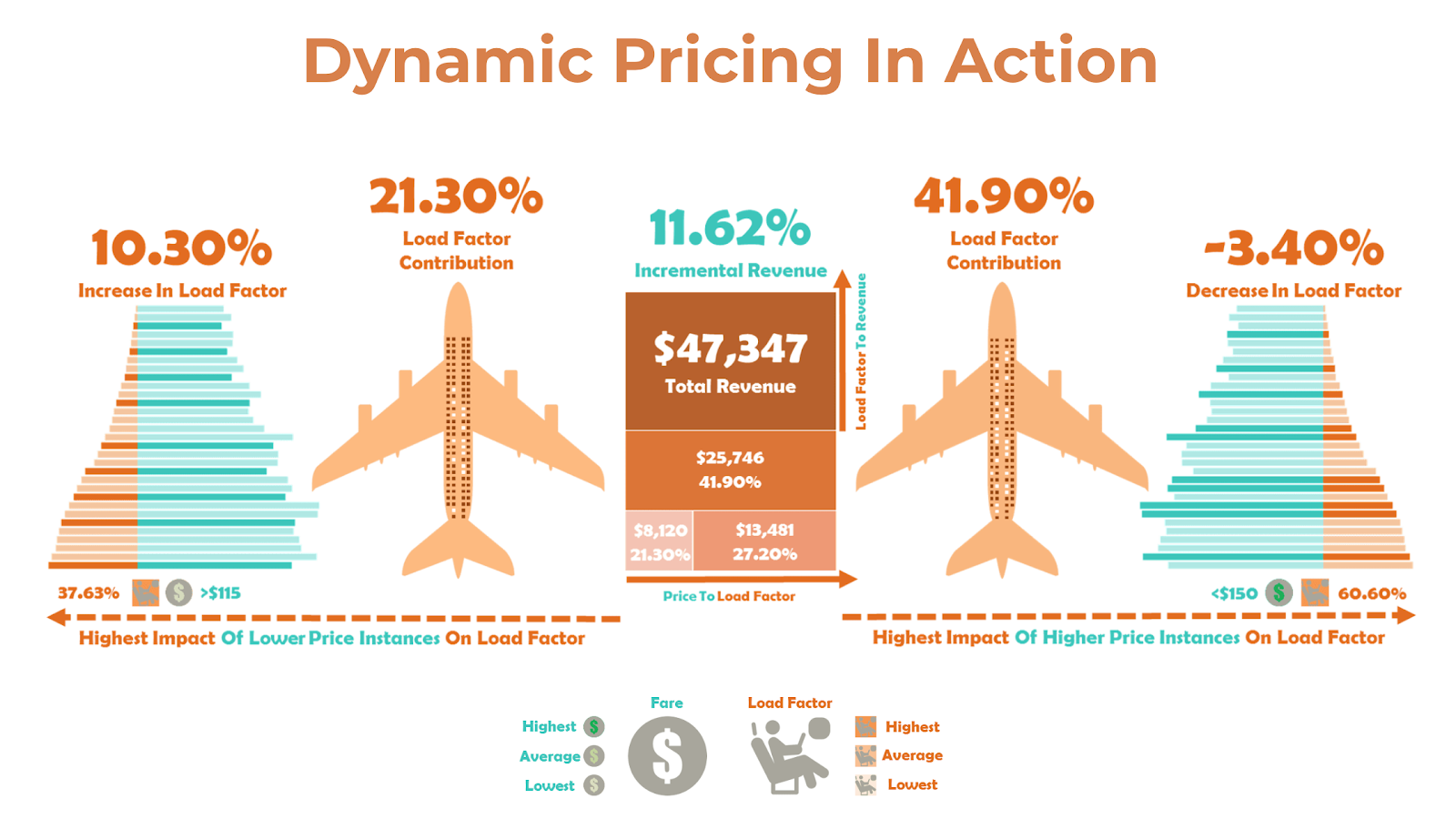
Special events are major price drivers. International expos, major sporting events (e.g., Olympics, World Cup), music festivals, significant conferences, or even local holidays can cause a surge in demand for flights to a particular destination, leading to dramatic price hikes. Being aware of such events in your desired destination or during your intended travel dates is vital for budget planning. Booking well in advance of these periods is often the only way to mitigate the inevitable price increases. Conversely, traveling during periods of low demand, when no major events are occurring, can offer substantial cost advantages.
Savvy Strategies for Reducing Your Airfare Expenses
Armed with an understanding of how airfares are priced and what influences them, the next step is to adopt proactive financial strategies to minimize your out-of-pocket expenses. Smarter booking isn’t just about luck; it’s about employing a disciplined and informed approach to travel planning.
Flexibility is Your Financial Friend
One of the most powerful tools in a traveler’s financial arsenal is flexibility. Being flexible with your travel dates, times, and even destination can unlock significant savings. As discussed, mid-week flights (Tuesdays, Wednesdays, Thursdays) and early morning or late-night departures are often cheaper than weekend or prime-time flights. If your schedule allows, shifting your departure or return by just a day or two can yield considerable reductions in price. Furthermore, being open to flying into or out of alternative airports (e.g., secondary airports outside major cities) can also offer cheaper fares due to lower taxes, fees, or less competition. The less rigid your travel plans, the more opportunities you’ll have to capitalize on lower fares.
Leveraging Price Comparison Websites and Alerts
In the digital age, numerous price comparison websites have revolutionized how travelers search for flights. Platforms like Google Flights, Skyscanner, Kayak, Expedia, and others aggregate data from hundreds of airlines and online travel agencies, allowing you to compare prices across various carriers and routes. Crucially, many of these sites offer features like “price alerts,” where you can set up notifications for specific routes, receiving an email whenever the fare drops. Some even provide tools to visualize price trends over time, helping you identify the optimal booking window. Regularly checking these sites and setting up alerts can ensure you don’t miss out on a good deal. However, remember to also check airline’s direct websites, as they sometimes offer exclusive promotions or slightly different pricing.
The Power of Loyalty Programs and Credit Card Rewards
For frequent flyers, or even occasional travelers, loyalty programs and credit card rewards can be a game-changer for reducing airfare costs. Earning airline miles through specific airline loyalty programs or transferable points through travel-focused credit cards can lead to free flights, upgrades, or significant discounts. Many credit cards offer substantial sign-up bonuses in points, which can be enough for a round-trip domestic or even international flight. Strategically using these cards for everyday spending, paying them off in full to avoid interest, and taking advantage of bonus categories can accelerate your points accumulation. Understanding the value of your points and miles, and knowing when to redeem them for maximum value, requires a bit of research but can result in substantial long-term savings on air travel.
Considering Alternative Airports and Layovers
Sometimes, the most direct route to your destination isn’t the cheapest. Considering alternative airports in the vicinity of your primary destination or departure city can often lead to lower fares. While this might require additional ground transportation, the savings on airfare can sometimes outweigh the extra time and cost. Similarly, being open to flights with layovers instead of direct routes can significantly reduce ticket prices, especially for international travel. Direct flights command a premium for convenience. If you’re not in a rush and can tolerate a stop or two, you might find much more budget-friendly options. Just be mindful of layover durations and airport logistics to ensure a smooth journey.
The Art of Incognito Browsing and VPNs (While Acknowledging Limitations)
A widely debated strategy is the use of incognito browsing or Virtual Private Networks (VPNs) when searching for flights. The theory suggests that airline and travel websites track your searches through cookies and IP addresses, potentially showing you higher prices on subsequent visits to encourage immediate booking out of fear of further increases. While evidence for direct price manipulation based on individual browsing history is often anecdotal and difficult to definitively prove, clearing cookies, using incognito/private browsing mode, or even connecting via a VPN to a server in a different country (which might see different regional pricing) can sometimes display different fare options. It’s not a guaranteed solution, but it’s a simple, free tactic worth trying as part of your comprehensive search strategy, especially when prices seem stubbornly high.
Budgeting for Air Travel: A Financial Planning Imperative
Ultimately, securing the best deal on a plane ticket is only one aspect of responsible financial management for travel. Integrating air travel costs into your broader personal finance framework is essential to avoid debt, achieve your travel dreams, and maintain financial stability.
Integrating Travel into Your Personal Budget
For many, travel is a significant discretionary expense, making its integration into your personal budget a critical step. Rather than treating travel as an occasional, unplanned splurge, consider it a recurring line item in your financial plan. Allocate a specific amount each month to a dedicated “travel fund” or savings account. This proactive approach ensures that when the time comes to book a plane ticket, the funds are readily available, preventing the need to dip into emergency savings or resort to credit card debt. Having a clear travel budget helps you set realistic expectations for your trips and provides a framework for making informed decisions about destinations, timing, and travel class based on your financial capacity.
Setting Realistic Travel Savings Goals
Once travel is part of your budget, the next step is setting realistic travel savings goals. This involves not just estimating the cost of a plane ticket, but also factoring in accommodation, food, activities, local transportation, and incidental expenses. Researching these costs for your desired destination will give you a clearer picture of the total financial commitment. With a total estimated cost, you can then divide it by the number of months until your desired departure date to determine your monthly savings target. For example, if a trip including airfare costs $2,000 and you plan to travel in 10 months, you’d aim to save $200 per month. Realistic goals prevent frustration and keep you motivated towards achieving your travel aspirations without financial strain.
Utilizing Financial Tools for Tracking and Management
In today’s digital age, a plethora of financial tools can assist in tracking and managing your travel budget. Budgeting apps (e.g., Mint, YNAB, Personal Capital), spreadsheet templates, or even simple notes on your phone can help you monitor your travel savings progress, track your actual travel expenses against your budget, and identify areas where you might be overspending. Many credit card and banking apps also offer categorization features that can help you see where your money is going. By consistently using these tools, you gain real-time insight into your financial health, allowing for adjustments as needed and ensuring you stay on track to fund your plane ticket and entire trip responsibly. This proactive management empowers you to make financially sound choices, turning travel dreams into achievable realities.
Conclusion: Empowering Your Travel Budget
The question “how much the plane ticket” is more than just a search query; it’s the gateway to understanding a complex financial product within the travel industry. By dissecting the components of airfare, recognizing the myriad factors that influence its price, and adopting savvy financial strategies for booking and budgeting, travelers can transform what often feels like an opaque and unpredictable expense into a manageable and predictable part of their personal finance portfolio. Empowering yourself with this knowledge not only leads to significant savings but also cultivates a more mindful and financially responsible approach to exploring the world. Your journey begins not just at the airport, but with the intelligent management of your travel funds, ensuring that every flight brings joy, not financial stress.
aViewFromTheCave is a participant in the Amazon Services LLC Associates Program, an affiliate advertising program designed to provide a means for sites to earn advertising fees by advertising and linking to Amazon.com. Amazon, the Amazon logo, AmazonSupply, and the AmazonSupply logo are trademarks of Amazon.com, Inc. or its affiliates. As an Amazon Associate we earn affiliate commissions from qualifying purchases.