
In the labyrinth of personal finance, a few numbers stand out as critical pillars supporting the vast network of financial transactions. Among them, the routing number holds a place of paramount importance. Often overshadowed by the more frequently used account number, the routing number is the unsung hero that ensures your money reaches its intended destination securely and efficiently. Whether you’re setting up a direct deposit for your paycheck, initiating a wire transfer, paying bills online, or even filing your taxes for a refund, knowing how to quickly and accurately locate your bank’s routing number is an essential skill for managing your personal finances effectively. This article delves into what a routing number is, why it matters so much, and provides a comprehensive guide to finding it for any bank, ensuring your financial operations run smoothly.

Understanding the Routing Number: Its Purpose and Importance
Before embarking on the quest to find this elusive nine-digit code, it’s crucial to grasp its fundamental nature and the pivotal role it plays in the financial ecosystem. Understanding its function not only demystifies the process but also highlights the importance of accuracy when dealing with such critical financial identifiers.
What Exactly is a Routing Number?
At its core, a routing number, officially known as an ABA (American Bankers Association) routing transit number, is a nine-digit code used by banks to identify financial institutions in the United States. It’s akin to a unique address for your bank, enabling the secure and correct routing of funds for various transactions. Established in 1910, this system was designed to facilitate the sorting and delivery of paper checks, and it has since evolved to become indispensable for electronic transactions as well. Each digit within the nine-digit sequence serves a specific purpose, identifying the Federal Reserve district where the bank is located, the specific bank within that district, and a checksum digit for error validation. While most financial institutions in the U.S. have a single primary routing number, larger banks or those operating across different regions might use multiple routing numbers, often specific to the type of transaction or even the state where the account was opened.
Why Do You Need Your Routing Number?
The applications of a routing number are far-reaching in personal finance. Its absence or inaccuracy can lead to significant delays, fees, or even the misdirection of funds. Here are some of the most common scenarios where your routing number is absolutely necessary:
- Direct Deposits: This is perhaps the most frequent use. For your employer to deposit your paycheck directly into your bank account, they need both your account number and your bank’s routing number. The same applies to government benefits, pension payments, or any regular income you receive electronically.
- Automated Clearing House (ACH) Transfers: ACH transactions encompass a wide array of electronic money transfers, including direct deposits, automatic bill payments (e.g., utility bills, mortgage payments, credit card payments), and person-to-person payments through services like Zelle (though Zelle typically abstracts the routing number from the user).
- Wire Transfers: When you need to send a large sum of money quickly, especially internationally, wire transfers are often used. These require precise routing information, and sometimes, a bank might have a specific routing number designated solely for wire transfers, distinct from its general ACH routing number.
- Online Bill Payments: While many online bill payment systems allow you to pay directly from your bank account, they often leverage ACH technology, requiring the routing number for authentication and correct fund transfers.
- Tax Refunds: If you opt for a direct deposit of your tax refund from the IRS, you’ll need to provide your bank’s routing number along with your account number on your tax return.
- Setting Up Investment Accounts: When linking your bank account to a brokerage or investment platform for funding, you’ll typically need to provide both your account and routing numbers.
Distinguishing Routing Numbers from Account Numbers and SWIFT/BIC Codes
It’s crucial not to confuse your routing number with other financial identifiers. Your account number is unique to your specific bank account, while the routing number identifies your bank. Think of the routing number as the street address and the account number as the house number on that street. Together, they pinpoint exactly where your money needs to go.
For international transactions, particularly wire transfers, you might encounter SWIFT (Society for Worldwide Interbank Financial Telecommunication) codes or BIC (Bank Identifier Code) codes. These are international equivalents of routing numbers, identifying specific banks and branches globally. While some U.S. banks may have SWIFT codes, they are distinct from the domestic ABA routing number and are generally only needed for international transfers. Understanding these distinctions prevents critical errors in financial transactions.
Common and Convenient Ways to Locate Your Routing Number
Fortunately, finding your routing number is usually a straightforward process. Banks make this information readily available through several channels, both physical and digital. Knowing where to look can save you time and prevent unnecessary frustration.
Checking Your Bank Statements
One of the most reliable and readily accessible sources for your routing number is your bank statement. Whether you receive paper statements in the mail or access them digitally through your online banking portal, the routing number is typically printed on them. For physical statements, look for it near your account number, often at the top or bottom of the statement. For digital statements, navigate to your “Statements” section within your online banking account, download a recent statement, and locate the number in a similar fashion. This method ensures you’re getting the exact routing number associated with your account.
Examining Your Checkbook or Deposit Slips
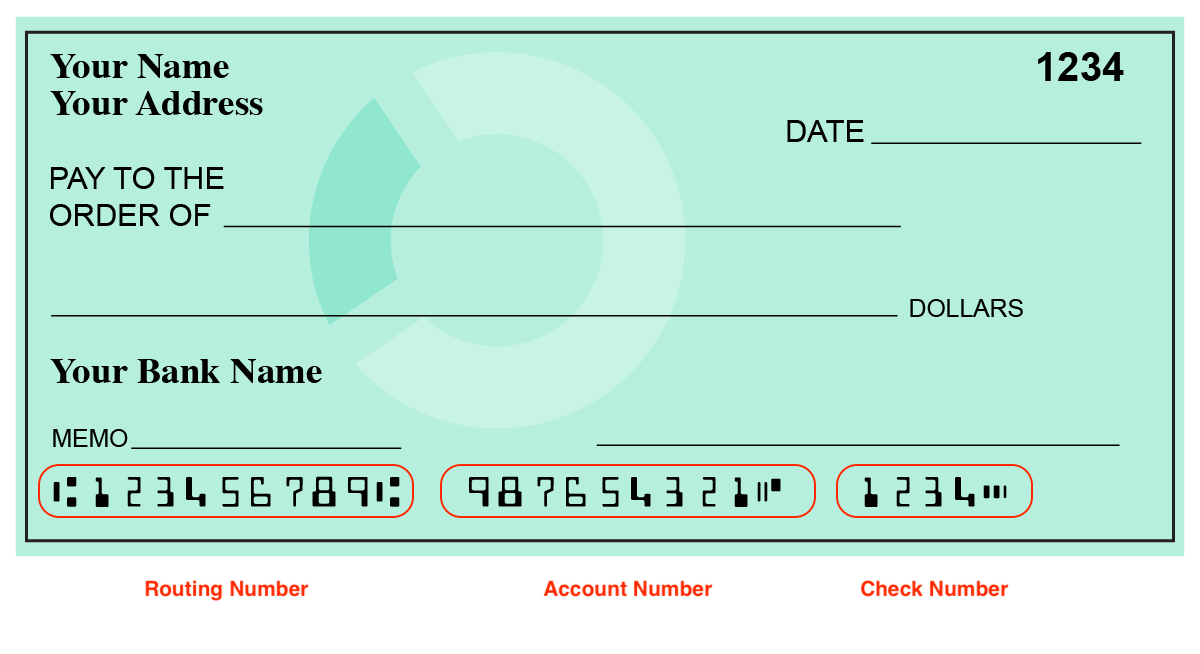
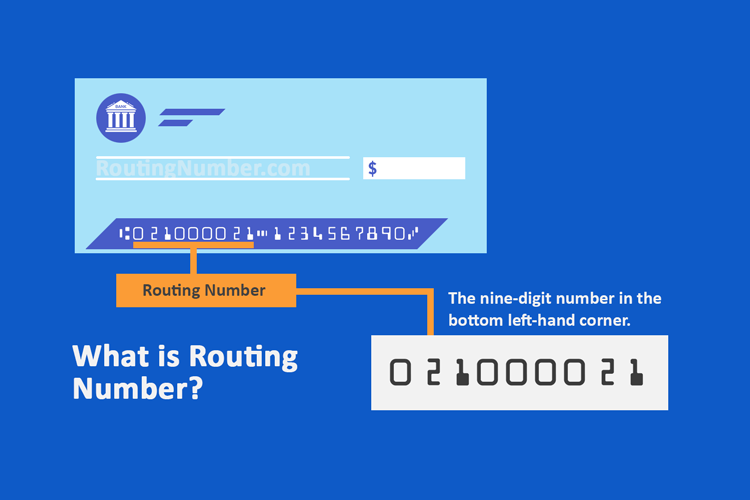
If you still use paper checks or deposit slips, your routing number is literally at your fingertips. For checks, it’s the first set of nine digits printed on the bottom left corner of the check, usually preceding your account number (the middle set of digits) and the check number (the last set). Deposit slips follow a similar pattern. It’s important to note that while this is generally a reliable method, some banks might use a different routing number for wire transfers than for ACH transactions (which checks are primarily used for). Always double-check if you’re specifically needing a wire transfer routing number.
Utilizing Online Banking Platforms
In the age of digital finance, your online banking portal is often the quickest and most convenient way to find your routing number. Once you log into your bank’s secure online platform or mobile app, navigate to your account details. This information is typically found under sections like “Account Summary,” “Account Information,” “Direct Deposit Information,” or “Statements.” Banks are legally required to make this information easily accessible, so a quick search within your account dashboard should yield the routing number for your specific account. Many banks even have a dedicated “Direct Deposit Form” or “Wire Transfer Instructions” section where this information is explicitly stated.
Using Your Bank’s Official Website
Even if you don’t want to log into your account, most banks prominently display their routing numbers on their official public websites. Look for sections like “Contact Us,” “Help,” “FAQ,” “About Us,” or “Direct Deposit Information.” Often, the primary routing number is also listed in the footer of the website. A simple search query within the bank’s website for “routing number” or “direct deposit” will usually lead you to the relevant page. Always ensure you are on the official bank website to avoid phishing scams or misinformation. Verify the URL before inputting any personal information or trusting any displayed numbers.
Direct Assistance: When Online isn’t Enough
While digital resources are often sufficient, there are times when direct human interaction becomes necessary, especially if you have a complex query or require specific, verified information.
Contacting Customer Service Directly
If you’ve exhausted the self-service options or if you have specific requirements (e.g., a different routing number for international wire transfers), contacting your bank’s customer service is an excellent next step. You can typically find their contact number on the back of your debit card, on your bank statements, or on their official website. When you call, be prepared to verify your identity with personal information (such as your account number, date of birth, or social security number) to ensure you receive accurate and secure information. Most banks also offer online chat support, which can be a quick way to get your routing number during business hours.
Visiting a Local Bank Branch
For those who prefer face-to-face interaction or have a complex financial setup, visiting a local bank branch can provide the most personalized assistance. A bank teller or customer service representative can instantly provide you with the correct routing number for your specific account and transaction type. This method is particularly useful if you are unsure about which routing number to use for a specialized transaction, such as a large wire transfer that requires specific branch routing information. Remember to bring a form of identification and your account details to expedite the process.
Special Considerations and Common Pitfalls
While finding a routing number is generally straightforward, certain scenarios or common mistakes can complicate the process or lead to errors. Being aware of these can save you significant headaches.
Different Routing Numbers for Different Transaction Types
It’s a common misconception that a bank has only one routing number. While many smaller banks do use a single routing number for all domestic transactions, larger institutions, especially those with national or international operations, may have multiple. For instance, a bank might have one routing number for ACH transactions (like direct deposits and electronic bill payments) and a separate one specifically for domestic or international wire transfers. Some banks might also have different routing numbers based on the state or region where the account was opened. Always clarify which routing number you need based on the specific type of transaction you are performing. When in doubt, contact your bank directly.
Bank Mergers and Acquisitions
The financial landscape is constantly evolving, with banks frequently merging or acquiring other institutions. When this happens, routing numbers can sometimes change. If your bank has recently undergone a merger or acquisition, the routing number you’ve used in the past might no longer be valid. Banks typically notify their customers of such changes well in advance, but it’s crucial to stay informed and verify your routing number if you suspect such a change has occurred. Using an old routing number after a merger can cause transactions to be rejected or delayed.
Ensuring Accuracy: Double-Checking Before Use
The importance of accuracy cannot be overstated when it comes to financial numbers. Even a single incorrect digit in a routing number can cause funds to be sent to the wrong bank, rejected, or subjected to lengthy investigation processes. This can lead to significant delays, inconvenience, and potentially fees. Always double-check the routing number against a reliable source (your bank’s official website, a current statement, or direct confirmation from a bank representative) before using it for any transaction. If you are entering the number into an online form, take an extra moment to visually verify each digit.
Routing Numbers for Online-Only Banks
Online-only banks, which operate without physical branches, follow the same rules as traditional banks when it comes to routing numbers. The methods for finding them are primarily digital: logging into your online account, checking their official website’s FAQ or help sections, or contacting their online customer support. Since there are no physical checks or branches, relying on their digital platforms and customer service is the standard approach.
In conclusion, the routing number is a small but mighty piece of financial information that underpins a vast array of personal and business transactions. While seemingly simple, understanding its purpose and knowing precisely where and how to find it correctly is a fundamental aspect of sound personal finance management. By utilizing your bank statements, online banking portals, checks, or direct bank contact, you can confidently navigate your financial life, ensuring your money always finds its way home.
aViewFromTheCave is a participant in the Amazon Services LLC Associates Program, an affiliate advertising program designed to provide a means for sites to earn advertising fees by advertising and linking to Amazon.com. Amazon, the Amazon logo, AmazonSupply, and the AmazonSupply logo are trademarks of Amazon.com, Inc. or its affiliates. As an Amazon Associate we earn affiliate commissions from qualifying purchases.