
The question of how much one should save is among the most fundamental yet complex queries in the world of personal finance. There is no singular, universal number that applies to every individual, as the “correct” amount is dictated by income levels, age, cost of living, and personal long-term aspirations. However, establishing a disciplined savings strategy is the cornerstone of building generational wealth and ensuring peace of mind during economic volatility. To answer this question effectively, one must look beyond simple percentages and examine the various tiers of savings, from immediate liquidity to long-term retirement planning.
Establishing the Baseline: The Emergency Fund
Before an individual can focus on aggressive wealth building or luxury purchases, they must establish a safety net. This is commonly referred to as an emergency fund. The purpose of this fund is to provide a financial buffer against the unexpected—job loss, medical emergencies, or significant home repairs—without the need to rely on high-interest debt like credit cards.
Why Three Months Isn’t Always Enough
The traditional advice often suggests saving three to six months’ worth of essential living expenses. While this is a solid baseline, the specific amount should be tailored to one’s professional stability. For a tenured employee in a high-demand field with low overhead, three months might suffice. However, for freelancers, entrepreneurs, or those working in cyclical industries, a twelve-month cushion is often more appropriate. This expanded timeframe accounts for the volatility of irregular income and the potential length of a job search in a specialized niche.
Where to Store Your Liquidity
Liquidity is the primary requirement for an emergency fund. It does not belong in the stock market, where a downturn could erase its value just when it is needed most. Instead, these funds should reside in a High-Yield Savings Account (HYSA) or a Money Market Account. These vehicles offer a modest return through interest—often significantly higher than a standard checking account—while ensuring the capital is accessible within one to two business days. The goal here is preservation of capital and accessibility, not aggressive growth.
Popular Budgeting Frameworks for Saving
Once the foundation of an emergency fund is laid, the next step is to determine a sustainable, ongoing savings rate. Many financial experts rely on established frameworks to help individuals allocate their post-tax income effectively.
The 50/30/20 Rule
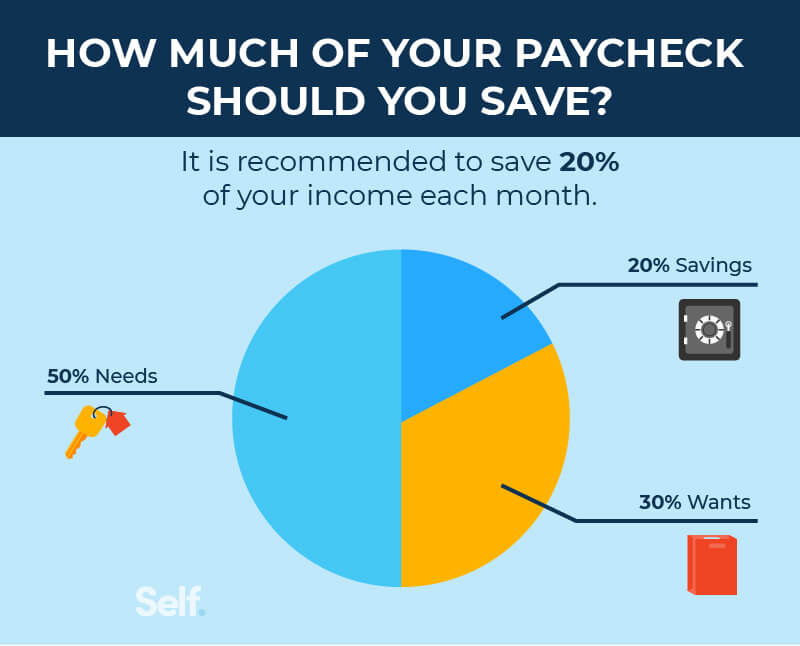
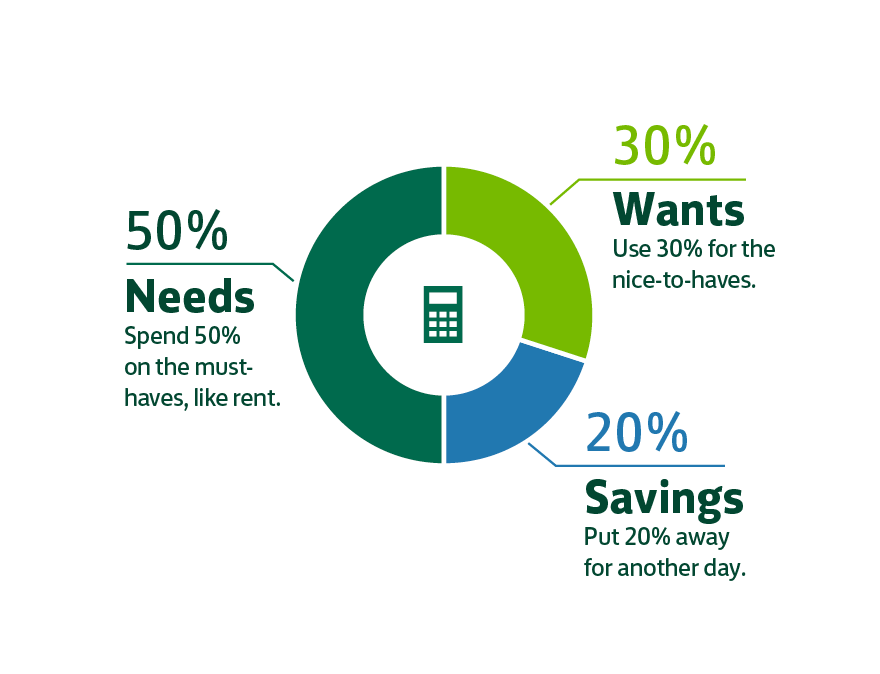
One of the most widely recognized models is the 50/30/20 rule, popularized by Senator Elizabeth Warren. In this model, 50% of your take-home pay is allocated to “Needs” (housing, utilities, groceries, insurance), 30% to “Wants” (dining out, hobbies, travel), and the remaining 20% to “Savings and Debt Repayment.”
This 20% threshold is often considered the gold standard for those seeking a balanced financial life. By consistently setting aside a fifth of one’s income, an individual can simultaneously fund their retirement, save for a down payment on a home, and pay down principal on existing loans. If 20% feels unattainable initially, the key is to start at a lower percentage—such as 5% or 10%—and increase the rate by 1% every six months or whenever a salary increase occurs.
The Inverse Budget: Pay Yourself First
For those who find traditional budgeting cumbersome, the “Pay Yourself First” method is highly effective. Instead of calculating what is left over at the end of the month, you treat your savings like a mandatory bill that must be paid as soon as your paycheck arrives. By automating a transfer to a brokerage or savings account on payday, you force yourself to live on the remainder. This shift in psychology moves saving from a “choice” to a “requirement,” effectively curbing impulse spending before it can occur.
Saving for the Long Term: Retirement and Wealth Building
Saving is not just about hoarding cash; it is about deferred consumption. You are choosing to spend less today so that you can maintain your lifestyle in the future when you are no longer working.

The 15% Retirement Standard
Most financial planners suggest that at least 15% of gross annual income should be directed toward retirement accounts, such as a 401(k), 403(b), or an Individual Retirement Account (IRA). This percentage is designed to take advantage of compound interest over a 30-to-40-year career. The beauty of compound interest lies in its ability to turn modest, consistent contributions into significant sums. For example, an individual who saves $500 a month starting at age 25 could potentially see their portfolio grow to over $1 million by age 65, assuming a 7% average annual return.
The Role of Employer Matching
When calculating your savings rate, it is essential to consider employer contributions. If a company offers a 401(k) match, this is essentially a 100% return on investment. If an employer matches up to 5% of your salary, and you contribute 10%, your total retirement savings rate is effectively 15%. Failing to contribute enough to receive the full match is equivalent to leaving part of your total compensation package on the table.
Calculating Savings for Specific Life Goals
Beyond general retirement and emergency funds, most people have “sinking fund” needs—specific, mid-term goals that require dedicated capital.
The Sinking Fund Strategy
A sinking fund is a way to save for a specific purchase by setting aside small amounts over time. Common examples include saving for a wedding, a down payment on a house, a new vehicle, or an annual vacation. To determine how much to save for these goals, you must work backward from the target date. If you need $12,000 for a house deposit in two years, you must save $500 per month.
Integrating these specific goals into your monthly budget prevents the “financial shock” that occurs when a large expense arises. It also provides psychological clarity; when you see your “Travel Fund” growing, you can spend that money guilt-free because it has been intentionally allocated for that purpose.
The Impact of Lifestyle Creep
As careers progress and incomes rise, many people fall victim to “lifestyle creep”—the tendency to increase spending in lockstep with raises. To optimize savings, one should aim to save at least 50% of every raise or bonus. This allows for a modest improvement in lifestyle while significantly accelerating the timeline to financial independence. If you can maintain the same standard of living while your income doubles, your savings rate will skyrocket, allowing you to reach major milestones years ahead of schedule.
Maximizing Your Savings Efficiency
How much you save is only half of the equation; where you put those savings determines how hard that money works for you. In an era of fluctuating inflation, simply leaving money in a traditional brick-and-mortar savings account can actually result in a loss of purchasing power.
Transitioning from Saving to Investing
While “saving” is the act of putting money aside, “investing” is the act of putting that money to work. For long-term goals (anything more than five years away), cash is a poor vehicle. To combat inflation, a significant portion of your savings should be moved into diversified assets, such as low-cost index funds or Exchange-Traded Funds (ETFs).
Historically, the S&P 500 has returned an average of roughly 10% annually before inflation. By shifting your savings into the market, you transition from a linear growth model to an exponential one. However, this requires a higher risk tolerance and a longer time horizon, as market volatility is a certainty in the short term.
The Impact of Inflation on Your Targets
When determining “how much” is enough, one must account for the eroding effect of inflation. A million dollars today will not have the same purchasing power in thirty years. Therefore, your savings goals must be dynamic. Financial professionals often use the “Rule of 72” to estimate how long it will take for prices to double, or they adjust their retirement “FIRE” (Financial Independence, Retire Early) number based on a conservative inflation estimate of 2-3%. By over-saving slightly in the present, you create a margin of safety against future economic shifts.
In summary, the answer to how much you should save is a multi-tiered approach: prioritize an emergency fund of three to six months, aim for a baseline savings rate of 20% of your net income, and ensure at least 15% of your gross income is fueling retirement vehicles. By automating these processes and remaining vigilant against lifestyle creep, you transform saving from a chore into a powerful engine for personal and professional freedom.
aViewFromTheCave is a participant in the Amazon Services LLC Associates Program, an affiliate advertising program designed to provide a means for sites to earn advertising fees by advertising and linking to Amazon.com. Amazon, the Amazon logo, AmazonSupply, and the AmazonSupply logo are trademarks of Amazon.com, Inc. or its affiliates. As an Amazon Associate we earn affiliate commissions from qualifying purchases.