
Navigating the landscape of health insurance can feel like an arduous journey, fraught with complex terminology, varying plan types, and a dizzying array of premium costs. For many, the question isn’t just “Do I need health insurance?” but rather, “How much should I pay for health insurance?” This isn’t a simple question with a singular answer; instead, it’s a deeply personal finance decision influenced by a multitude of factors, from individual health needs and financial circumstances to geographical location and available plan options. Understanding what goes into the cost of health insurance, and how to evaluate its true value, is paramount to making an informed decision that protects both your health and your financial well-being.
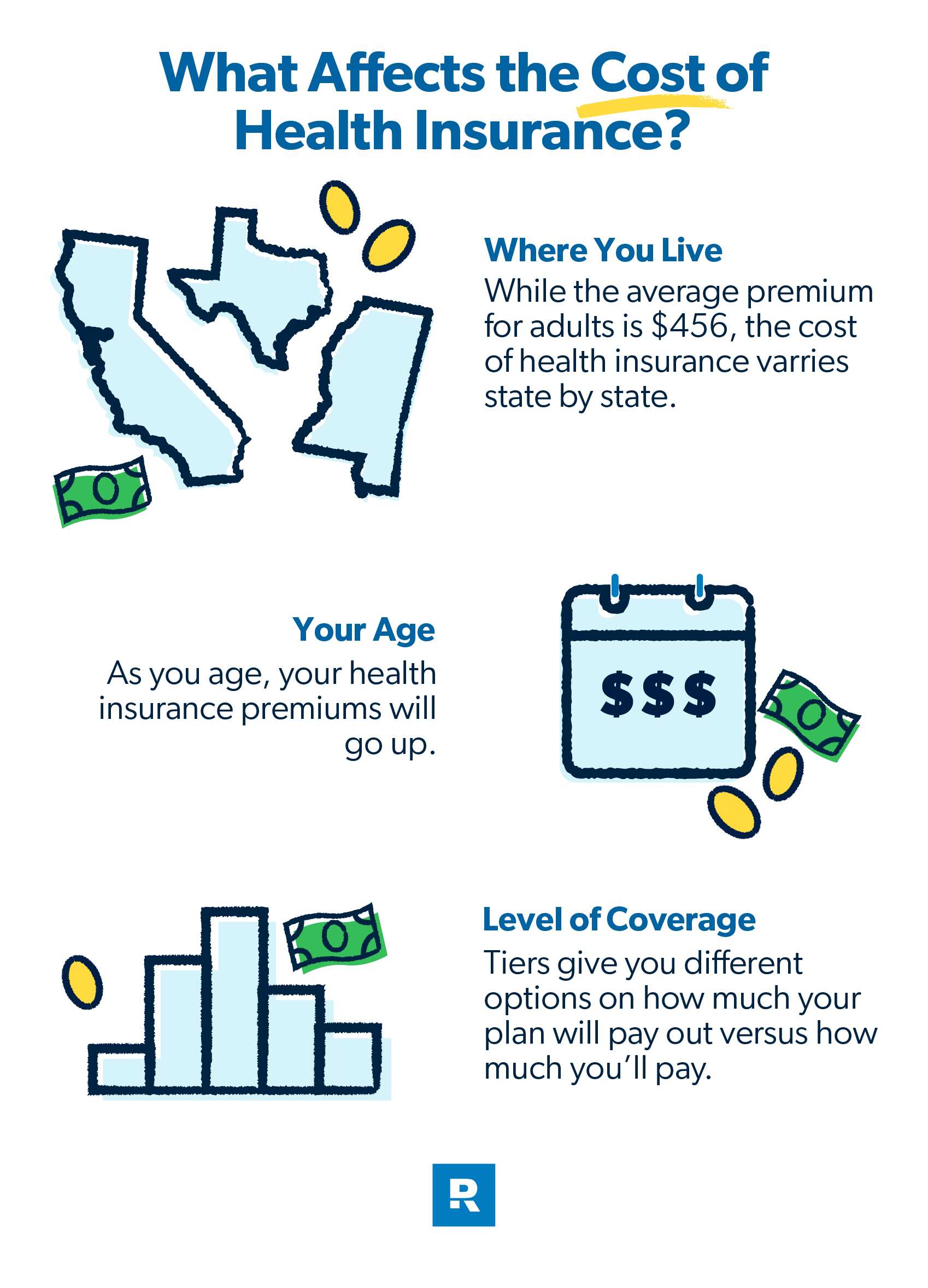
Understanding the Core Factors Influencing Premiums
The premium—the amount you pay monthly for your health insurance—is just one piece of the puzzle. However, it’s the most immediate and visible cost. Several key factors determine how much you’ll pay each month, and recognizing these can help you understand why prices vary so widely.
Age and Location: Demographic Drivers of Cost
Age is consistently one of the most significant determinants of health insurance premiums. As individuals age, the likelihood of needing medical care generally increases, which translates to higher risk for insurers and, consequently, higher premiums. Under the Affordable Care Act (ACA), insurers can only charge older adults up to three times more than what they charge younger adults for the same plan, but this “age band” still allows for substantial differences.
Your geographical location also plays a critical role. Healthcare costs vary significantly by state, city, and even county. Factors like the local cost of living, the number of competing insurance providers, state regulations, and the general health status of the regional population all contribute to the average cost of insurance in a given area. A lack of competition among insurers in a specific region, for instance, can lead to higher prices due to less pressure to offer competitive rates.
Plan Type and Coverage Level: The Spectrum of Protection
Health insurance plans come in various structures, each with different levels of flexibility, coverage, and associated costs. Common types include:
-
HMO (Health Maintenance Organization): Typically offers lower premiums, but restricts you to a network of doctors and hospitals and usually requires a referral from a primary care physician (PCP) to see specialists.
-
PPO (Preferred Provider Organization): Offers more flexibility, allowing you to see out-of-network providers (though at a higher cost) and usually doesn’t require a referral for specialists. Premiums are generally higher than HMOs.
-
EPO (Exclusive Provider Organization): Similar to an HMO in that it limits coverage to a network of providers, but you typically don’t need a PCP referral to see specialists. Usually falls between HMO and PPO in terms of cost and flexibility.
-
POS (Point of Service): A hybrid of HMO and PPO, offering lower costs for in-network care but allowing out-of-network care at a higher price. Referrals may be required.
-
High-Deductible Health Plans (HDHPs): These plans have lower monthly premiums but require you to pay a higher amount out-of-pocket before insurance starts to cover costs. They are often paired with Health Savings Accounts (HSAs), which offer tax advantages.
The level of coverage within these plan types also impacts the premium. Plans with lower deductibles, lower co-pays, and more comprehensive benefits (e.g., extensive prescription drug coverage, mental health services, maternity care) will naturally have higher monthly premiums because they shift more of the financial risk from the policyholder to the insurer.
Health Status and Lifestyle (Post-ACA Regulations)
Before the ACA, an individual’s health status and pre-existing conditions were major factors in determining health insurance premiums, often leading to denials or exorbitant costs for those with chronic illnesses. However, under current ACA regulations, insurers can no longer charge more or deny coverage based on health status, gender, or pre-existing conditions in the individual and small group markets. This significantly leveled the playing field, ensuring that everyone, regardless of their medical history, has access to affordable coverage. While health status doesn’t directly dictate your premium rate in the individual market, your personal expected usage of healthcare services should heavily influence your choice of plan type (e.g., HDHP vs. low-deductible).
Income and Subsidies: Making Insurance Accessible
For many individuals and families, the sticker price of health insurance premiums can be daunting. This is where income and subsidies come into play, particularly for those who purchase plans through the Health Insurance Marketplace (Healthcare.gov or state exchanges). The ACA provides two main types of financial assistance:
-
Premium Tax Credits (Subsidies): These reduce your monthly premium payment. Eligibility is based on your household income relative to the federal poverty level (FPL). The lower your income, the larger the tax credit you may receive.
-
Cost-Sharing Reductions (CSRs): These reduce the amount you have to pay for deductibles, co-payments, and co-insurance. CSRs are available only if you choose a Silver-tier plan and meet certain income thresholds.
These subsidies are crucial for making health insurance affordable for millions of Americans, allowing them to access comprehensive coverage at a manageable monthly cost. Therefore, when asking “how much should I pay,” you must also consider how much you will actually pay after any subsidies.
Deciphering the Cost-Benefit Equation: Beyond the Premium
While the monthly premium is important, focusing solely on this figure can be a costly mistake. The true financial impact of your health insurance plan comes into focus when you consider the other out-of-pocket costs you might incur throughout the year, especially if you need medical care.
The Deductible Dilemma: High vs. Low
Your deductible is the amount you must pay out-of-pocket for covered healthcare services before your insurance company begins to pay. For example, if your deductible is $5,000, you’ll pay the first $5,000 of your medical bills yourself before your insurer steps in (though some services, like preventive care, are often covered before you meet your deductible).
-
High-Deductible Plans (HDHPs): These plans typically have lower monthly premiums. They are often a good fit for healthy individuals who anticipate minimal medical needs and want to save on monthly costs, or those who can afford to cover the high deductible if an unexpected health event occurs. They are also popular when paired with HSAs for their tax benefits.
-
Low-Deductible Plans: These plans come with higher monthly premiums but mean your insurance coverage kicks in much sooner. They are generally better for individuals or families with chronic conditions, anticipated surgeries, or frequent medical needs, as they offer more predictable out-of-pocket costs once the premium is paid.
The choice between a high and low deductible requires a careful assessment of your health status, risk tolerance, and emergency savings.

Co-payments and Co-insurance: Shared Responsibility
Beyond the deductible, you’ll encounter co-payments and co-insurance.
-
Co-payment (Co-pay): A fixed amount you pay for a covered healthcare service after you’ve paid your deductible. For example, you might pay a $30 co-pay for a doctor’s visit, and your insurer pays the rest. Some plans cover co-pays even before you meet your deductible.
-
Co-insurance: A percentage of the cost of a covered healthcare service you pay after you’ve met your deductible. For example, if your plan has an 80/20 co-insurance, your insurer pays 80% of the cost, and you pay the remaining 20%.
These costs can add up, especially if you have multiple doctor visits, tests, or procedures. Understanding these figures is crucial for projecting your potential annual healthcare spending.
Out-of-Pocket Maximum: Your Financial Safety Net
Perhaps the most critical figure after your premium is the out-of-pocket maximum. This is the absolute most you will have to pay for covered services in a plan year. Once you reach this limit through deductibles, co-payments, and co-insurance, your insurance company pays 100% of the cost of all covered services for the remainder of the year.
The out-of-pocket maximum is your ultimate financial protection against catastrophic medical bills. A plan with a lower out-of-pocket maximum offers more financial security, albeit usually with a higher premium or deductible. When comparing plans, always look at the out-of-pocket maximum. It defines your worst-case financial scenario for healthcare expenses in a given year.
Prescription Drug Coverage: A Significant, Often Overlooked, Cost Factor
For many, prescription medications are a routine and necessary part of healthcare. The quality of your plan’s prescription drug coverage can drastically impact your overall costs. Plans often categorize drugs into tiers (e.g., generic, preferred brand, non-preferred brand, specialty), with different co-pays or co-insurance for each tier. If you rely on specific brand-name or specialty medications, ensuring your chosen plan covers them adequately and at a reasonable cost is paramount. A plan with a low premium might have very high prescription drug costs, negating any initial savings.
Strategies for Finding the Right Plan and Managing Costs
Finding the “right” amount to pay isn’t about finding the cheapest plan, but about finding the plan that offers the best balance of cost and coverage for your unique needs.
Leveraging Employer-Sponsored Plans
For most Americans, an employer-sponsored health insurance plan is the most cost-effective option. Employers typically subsidize a significant portion of the premium, making these plans substantially cheaper than individual plans purchased on the open market. Employer plans often offer a selection of choices, allowing employees to pick a plan that best fits their needs. If you have access to an employer plan, thoroughly review its offerings before looking elsewhere.
Navigating the Health Insurance Marketplace (ACA)
If you don’t have access to employer-sponsored insurance, the Health Insurance Marketplace (Healthcare.gov or state equivalents) is your primary resource.
-
Open Enrollment: The annual period when individuals can sign up for, renew, or change their health insurance plans. Missing this window means you typically can’t enroll unless you qualify for a Special Enrollment Period.
-
Special Enrollment Periods (SEPs): Triggered by qualifying life events such as marriage, birth of a child, loss of other coverage, or moving. These allow you to enroll outside of open enrollment.
-
Understanding Subsidies: As discussed, the Marketplace is where you can apply for Premium Tax Credits and Cost-Sharing Reductions, which can significantly lower your costs. Always apply for subsidies to get an accurate picture of your true premium.
The Marketplace allows you to compare plans side-by-side, filtering by metal tiers (Bronze, Silver, Gold, Platinum, each indicating different levels of coverage and cost-sharing), plan type, and estimated out-of-pocket costs.
Exploring Alternatives: Medicaid, Medicare, and Short-Term Plans
-
Medicaid: A joint federal and state program that provides healthcare coverage to low-income individuals and families. Eligibility criteria vary by state. If your income is very low, you may qualify for free or very low-cost coverage through Medicaid.
-
Medicare: A federal health insurance program primarily for people aged 65 or older, younger people with certain disabilities, and people with End-Stage Renal Disease.
-
Short-Term Plans: These plans offer temporary coverage, typically for less than a year, and are often much cheaper than ACA-compliant plans. However, they are not regulated by the ACA, meaning they can deny coverage for pre-existing conditions, offer limited benefits, and have high out-of-pocket costs. They are generally only suitable as a bridge between comprehensive plans and should be used with extreme caution.
Utilizing Financial Tools for Comparison
Online health insurance comparison tools and aggregators can be invaluable. Websites like Healthcare.gov, as well as private comparison sites, allow you to input your personal information (age, location, income, family size) and compare plans side-by-side, seeing estimated premiums and out-of-pocket costs. These tools can help you filter plans based on your preferred deductible, network size, or specific benefits, streamlining the decision-making process.
The True Cost of “Saving” on Health Insurance
It’s tempting to opt for the lowest possible premium to save money each month. However, this can be a false economy, leading to significant financial hardship if unexpected medical needs arise.
The Risk of Underinsurance
Choosing a plan with a very low premium but a very high deductible and out-of-pocket maximum can leave you “underinsured.” This means that while you have insurance, the financial burden of a serious illness or injury could still be crippling. If you face a medical emergency and can’t afford your high deductible or co-insurance, you could accumulate substantial medical debt, potentially impacting your credit score and long-term financial stability. The psychological stress of worrying about affording necessary care is also a hidden cost of underinsurance.

The Value of Peace of Mind
Beyond the quantifiable financial metrics, there’s an immense, often overlooked, value in peace of mind. Knowing you have robust health insurance coverage provides a sense of security. It means you can seek necessary medical care without fearing financial ruin. This assurance allows you to focus on your health and recovery, rather than the daunting cost of treatment. For many, this intangible benefit is worth a higher premium. It’s an investment in your well-being and your future financial stability.
Ultimately, the question of “how much should I pay for health insurance” is deeply personal. It requires a thoughtful assessment of your health needs, financial situation, risk tolerance, and access to subsidies. Don’t just look at the premium; dive into the deductibles, co-pays, co-insurance, and, critically, the out-of-pocket maximum. Compare plans thoroughly, leverage available financial assistance, and weigh the potential cost savings against the risk of financial exposure. By doing so, you can choose a plan that not only protects your health but also secures your financial future.
aViewFromTheCave is a participant in the Amazon Services LLC Associates Program, an affiliate advertising program designed to provide a means for sites to earn advertising fees by advertising and linking to Amazon.com. Amazon, the Amazon logo, AmazonSupply, and the AmazonSupply logo are trademarks of Amazon.com, Inc. or its affiliates. As an Amazon Associate we earn affiliate commissions from qualifying purchases.