
Car insurance is a necessary financial safeguard for every driver, providing essential protection against the unforeseen costs of accidents, theft, and damage. Among the myriad of providers, Progressive stands out as one of the largest and most recognized insurers in the United States. However, the perennial question for many consumers remains: “How much does Progressive car insurance cost?” The answer, as with most financial products, is far from straightforward. Premiums are a complex calculation influenced by a multitude of individual factors, ranging from your driving history to your chosen coverage levels.
Understanding the financial landscape of car insurance is crucial for effective personal finance management. It’s not just about finding the cheapest policy, but rather securing adequate coverage at a price that offers both value and peace of mind. This comprehensive guide delves into the intricate financial mechanics behind Progressive’s pricing, helping you demystify your potential premium, identify cost-saving opportunities, and ultimately make an informed financial decision. By dissecting the various elements that shape your policy’s cost, we aim to equip you with the knowledge to navigate the insurance market confidently and optimize your budget.
Understanding the Factors That Influence Your Progressive Premium
The cost of your Progressive car insurance premium is a highly personalized figure, meticulously calculated based on a complex algorithm that assesses various risk factors. Each element contributes to the insurer’s perception of how likely you are to file a claim, and consequently, how much they need to charge to cover that potential financial risk. Grasping these contributing factors is the first step in understanding and potentially managing your insurance expenditure.
Personal Demographics: The Foundational Financial Profile
Your personal information forms a significant part of your financial risk profile.
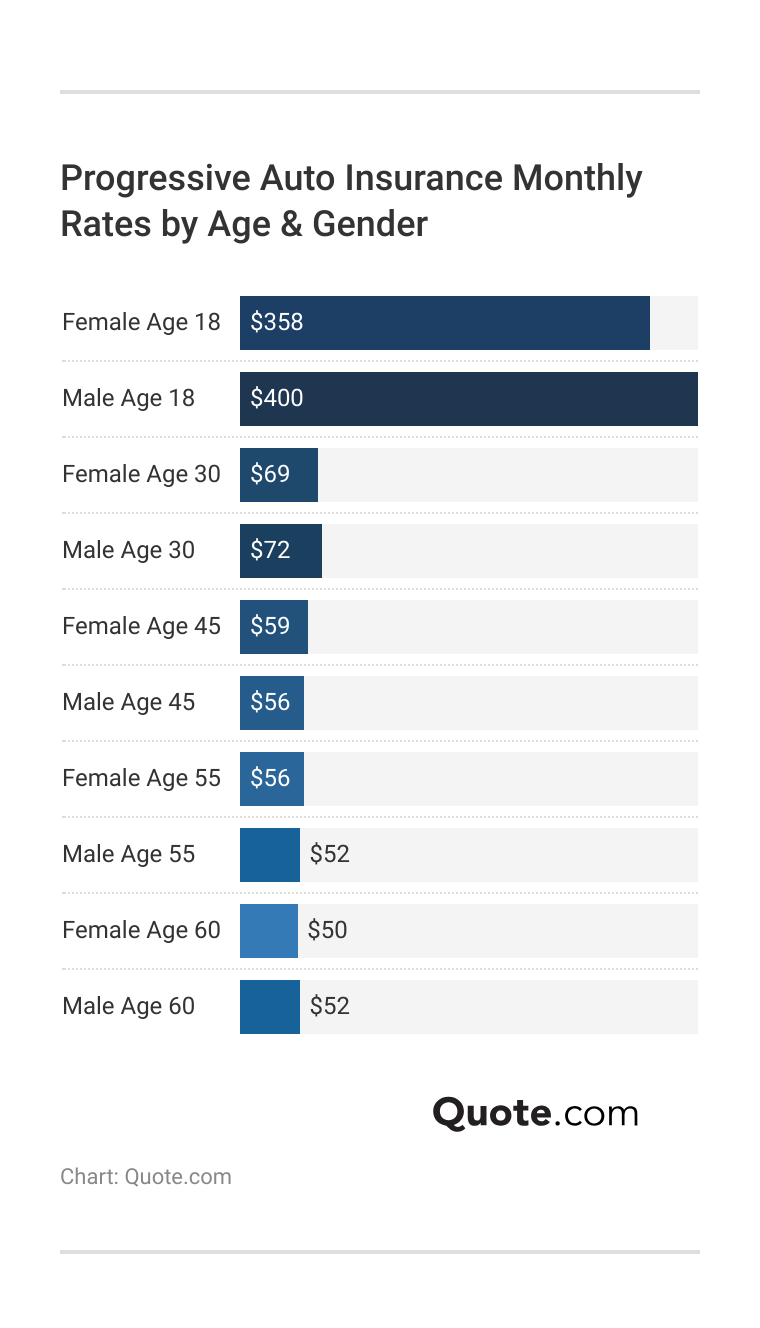
- Age and Gender: Statistically, younger, less experienced drivers (especially males under 25) face higher premiums due to a greater likelihood of accidents. Rates tend to decrease as drivers gain experience and reach middle age, only to potentially rise slightly again in very old age.
- Marital Status: Married individuals often receive lower rates, as data suggests they are statistically less prone to accidents than single drivers.
- Location (Zip Code): Where you live has a profound impact on your premium. Urban areas with higher traffic density, crime rates (auto theft, vandalism), and a greater incidence of uninsured motorists typically incur higher costs than rural or suburban areas. Each state also has its own regulations, minimum coverage requirements, and accident rates, further influencing regional pricing.
Driving History: A Record of Financial Responsibility
Your past behavior behind the wheel is arguably the most critical determinant of your insurance cost.
- Accidents and Claims: A history of at-fault accidents or frequent claims signals higher risk to an insurer, leading to substantially increased premiums. The severity and recency of these incidents play a major role.
- Traffic Violations: Speeding tickets, DUIs, reckless driving charges, and other moving violations all indicate a higher propensity for risky driving, translating directly into higher insurance costs. A clean driving record is your best asset for lower premiums.
- Years of Driving Experience: More experienced drivers generally benefit from lower rates, as they are considered less risky than new drivers.
Vehicle Details: The Asset’s Financial Risk
The car you drive significantly influences your premium, as it dictates the potential cost of repairs or replacement.
- Make, Model, and Year: Luxury vehicles, sports cars, and high-performance vehicles typically cost more to insure due to higher repair costs, greater theft appeal, and higher likelihood of being driven aggressively. Older, less valuable cars might have lower comprehensive and collision premiums.
- Safety Features: Vehicles equipped with advanced safety features (e.g., anti-lock brakes, airbags, adaptive cruise control, lane-keeping assist) often qualify for discounts, as they reduce the risk of accidents and injuries.
- Theft Rates: Certain car models are more frequently targeted by thieves. If your vehicle is on a high-theft list, your comprehensive coverage premium will likely be higher.
Coverage Choices: Direct Control Over Your Financial Protection
The types and amounts of coverage you select are perhaps the most direct way you influence your premium.
- Liability Coverage: This legally required coverage protects you financially if you’re at fault in an accident, paying for damages and injuries to other parties. Higher liability limits offer greater financial protection but increase your premium.
- Collision Coverage: Pays for damage to your own vehicle resulting from an accident, regardless of fault.
- Comprehensive Coverage: Protects your car from non-collision incidents like theft, vandalism, fire, natural disasters, or hitting an animal.
- Deductibles: This is the amount you agree to pay out-of-pocket before your insurance kicks in for collision and comprehensive claims. A higher deductible typically results in a lower premium, but means greater financial responsibility at the time of a claim.
- Optional Coverages: Add-ons like uninsured/underinsured motorist, medical payments, personal injury protection (PIP), rental car reimbursement, and roadside assistance all add to your premium but offer enhanced financial security.
Credit Score: An Indicator of Financial Trustworthiness
In many states (where legally permitted), insurers use a credit-based insurance score as a predictive indicator of financial responsibility and future claim likelihood. Studies suggest a correlation between higher credit scores and a lower likelihood of filing claims. A strong credit history can lead to lower premiums, while a poor credit score can significantly increase your costs. This underscores the broader financial impact of managing your credit responsibly.
Typical Cost Ranges for Progressive Car Insurance
While the personalized nature of insurance premiums makes definitive cost figures impossible without a specific quote, understanding general ranges can provide valuable financial context. Progressive, like other major insurers, structures its pricing to reflect the diverse risk profiles of its vast customer base.
Average National Costs: A Broad Financial Brushstroke
On a national average, Progressive’s car insurance premiums are often competitive, falling within the mid-range compared to other large providers. While specific figures fluctuate constantly due to market conditions and individual factors, many industry analyses suggest that the average Progressive customer might pay anywhere from $1,500 to $2,500 per year for a full coverage policy. For minimum coverage, this average could drop significantly, potentially ranging from $600 to $1,200 annually.
It’s crucial to understand that these are broad averages. Your actual premium could be considerably higher or lower. For instance, a young driver with a new car and a few speeding tickets could easily face annual premiums exceeding $3,000-$4,000, whereas a seasoned, safe driver with a modest vehicle and a clean record might pay less than $1,000 for full coverage.
State-by-State Variations: Geographical Financial Disparities
The state you reside in plays a monumental role in determining your car insurance costs. Each state has unique regulations, minimum coverage requirements, claim frequencies, population densities, and litigation environments, all of which impact insurance pricing. For example:
- High-Cost States: States like Michigan (due to no-fault unlimited medical benefits prior to recent reforms), Louisiana, Florida, and California often see higher average premiums due to factors like dense populations, high accident rates, elevated repair costs, and specific legal frameworks that encourage higher claims. In these states, Progressive premiums will generally reflect the higher baseline cost of insurance.
- Low-Cost States: States such as Idaho, Iowa, Ohio, and North Carolina typically boast lower average premiums, often attributed to lower population densities, fewer accidents, and more favorable regulatory environments. Progressive premiums in these areas would likely be on the lower end of the national spectrum.
These geographical differences highlight how local economic and social conditions directly translate into varying financial burdens for car owners.
Impact of Driver Profiles: Financial Segmentation by Risk
The cost of Progressive insurance also varies significantly based on distinct driver profiles, reflecting the financial risk associated with each group.
- Young Drivers (under 25): As mentioned, this demographic consistently faces the highest premiums due to their lack of experience and higher accident rates. Progressive, like other insurers, will charge this group substantially more to offset the increased financial risk.
- Experienced, Safe Drivers (25-65): This group typically enjoys the most favorable rates, especially with a clean driving record. They are considered the lowest financial risk due to their experience and proven responsibility.
- High-Risk Drivers: Individuals with multiple accidents, DUIs, or numerous traffic violations are categorized as high-risk. Progressive may still offer them coverage, but at significantly elevated premiums to compensate for their increased likelihood of filing expensive claims. In some cases, they might need to seek coverage through non-standard insurers or state-assigned risk pools.
Understanding these typical ranges and the factors driving them empowers you to set realistic financial expectations when seeking a quote from Progressive.
Strategies to Save Money on Progressive Car Insurance
While many factors influencing your premium are beyond your immediate control, Progressive offers numerous avenues for drivers to proactively reduce their insurance costs. Leveraging these strategies can lead to substantial financial savings without necessarily compromising on essential coverage.
Progressive’s Discount Programs: Unlocking Financial Incentives
Progressive is well-known for its extensive list of discounts, which can collectively trim a significant percentage off your premium. It’s vital to inquire about all potential discounts when getting a quote.
- Snapshot® Program: This telematics program is one of Progressive’s flagship offerings. It uses a device plugged into your car’s OBD-II port or a mobile app to monitor your driving habits (e.g., mileage, time of day, hard braking, rapid acceleration). Safer drivers can earn significant discounts. This is a direct financial reward for responsible behavior.
- Multi-Policy Discount (Bundling): One of the easiest ways to save. If you bundle your car insurance with other Progressive policies, such as homeowner’s, renter’s, or boat insurance, you can often receive a substantial discount on all policies. This simplifies your financial management and reduces overall insurance spend.
- Multi-Car Discount: Insuring more than one vehicle with Progressive typically qualifies you for a discount on each car.
- Good Student Discount: Students under a certain age (often 25) who maintain a B average or better can qualify for a discount. This recognizes academic responsibility as an indicator of overall responsibility.
- Homeowner Discount: Owning a home, even if it’s not insured with Progressive, can often qualify you for a discount.
- Safe Driver Discount: Drivers with a clean record (no accidents or violations for a specified period, typically 3-5 years) are rewarded with lower rates.
- Online Quote/Sign Discount: Completing your quote and purchasing your policy online can sometimes yield a small initial discount.
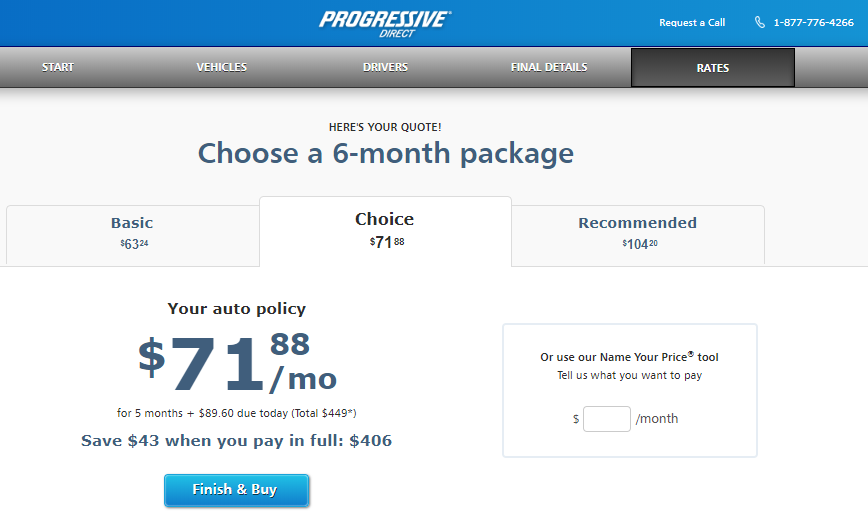
- Pay in Full Discount: Paying your entire premium upfront, rather than in monthly installments, can often result in a discount, as it reduces administrative costs for the insurer.
- Automatic Payment/Paperless Billing Discount: Enrolling in automatic payments or opting for paperless billing can also provide minor savings.
Adjusting Coverage and Deductibles: Optimizing Your Financial Protection
Smart adjustments to your policy’s structure can create noticeable savings, though it requires a careful evaluation of your financial risk tolerance.
- Reviewing Coverage Needs: As your car ages, its market value depreciates. For very old cars with low resale value, the cost of collision and comprehensive coverage might outweigh the potential payout. Financially, it might make sense to drop these coverages and self-insure for minor damages, only retaining liability.
- Increasing Deductibles: Choosing a higher deductible (e.g., increasing from $500 to $1,000 or $2,000) on your collision and comprehensive coverage will lower your premium. This means you assume more financial responsibility in the event of a claim, but you save money on your monthly payments. Ensure you have an emergency fund available to cover the higher deductible if an incident occurs.
Maintaining a Good Driving Record: The Long-Term Financial Benefit
This is perhaps the most impactful long-term strategy. A clean driving record, free of accidents and violations, is the single greatest predictor of lower insurance rates. By driving safely and responsibly, you not only avoid the immediate costs of tickets and deductibles but also ensure you maintain eligibility for the best possible rates for years to come. This commitment to safety translates directly into significant financial advantages over time.
Shopping Around Annually: Proactive Financial Management
Even if you’re happy with Progressive, it’s financially prudent to compare quotes from several different insurance providers at least once a year. Rates change, discounts are updated, and your personal circumstances evolve. Another insurer might be able to offer you better rates for the same level of coverage. Progressive itself also allows you to compare their rates with competitors directly on their website, highlighting their commitment to transparent financial options. Don’t be afraid to leverage this comparison tool to ensure you’re always getting the best financial deal.
Getting a Quote from Progressive: A Financial Step-by-Step
Obtaining a car insurance quote from Progressive is a relatively straightforward process, designed to gather the necessary financial and personal details to accurately assess your risk and provide a personalized premium. Being prepared with the right information can make the experience quick and efficient, helping you understand your potential financial commitment faster.
Gathering Necessary Information: Preparation for a Financial Transaction
Before you start, collect the following crucial financial and personal details:
- Personal Information: Your full name, date of birth, marital status, and address. Insurers use this to verify your identity and assess demographic risk factors.
- Driver’s License Information: For all drivers you intend to include on the policy. This allows Progressive to check driving records and claim histories.
- Vehicle Information: Make, model, year, VIN (Vehicle Identification Number) for all vehicles you wish to insure. This helps determine the vehicle’s value, repair costs, and safety features.
- Current Insurance Information: If you have an existing policy, details of your current insurer and policy numbers can help Progressive assess your continuous coverage history, which can sometimes lead to discounts.
- Desired Coverage Levels: Have a clear idea of the types of coverage (liability, collision, comprehensive, etc.) and the limits/deductibles you’re considering. This is where your financial planning comes into play – determining how much protection you need versus how much you’re willing to pay.
Online Quote Process: Efficiency in Financial Inquiry
Progressive has an intuitive and user-friendly online quoting system, which is often the quickest way to get an initial estimate.
- Visit Progressive.com: Navigate to their car insurance section.
- Start Your Quote: You’ll be prompted to enter your zip code and then answer a series of questions about yourself, your driving history, your vehicle(s), and the desired coverage. Be accurate and thorough; any discrepancies could lead to adjustments later.
- Explore Options: The online tool will usually present various coverage options and allow you to adjust deductibles and add-ons. You’ll see how each change impacts your estimated premium, providing real-time financial transparency.
- Compare Rates: Progressive’s “Name Your Price®” tool or its direct comparison feature allows you to see how their quote stacks up against competitors, empowering you to make a more informed financial decision.
- Review and Purchase: Once satisfied, you can review your quote, select payment options, and potentially purchase the policy directly online.
Speaking with an Agent: Expert Guidance on Financial Products
While online quotes are convenient, speaking with a Progressive agent (either over the phone or in person) can offer valuable personalized advice, especially for complex situations or if you have specific financial questions.
- Personalized Recommendations: An agent can help you understand the nuances of different coverage types, advise on appropriate limits based on your assets, and ensure you’re not over-insured or under-insured, thus optimizing your financial protection.
- Discount Identification: Agents are adept at identifying all potential discounts you might qualify for, ensuring you maximize your savings.
- Clarifying Policy Details: They can explain complex policy language, terms, and conditions, helping you fully understand your financial agreement.
- Troubleshooting: If you encounter issues with the online system or have unique circumstances, an agent can provide direct assistance.
Whether online or with an agent, getting a quote is the critical first step in determining your financial outlay for Progressive car insurance and understanding the value proposition they offer.
The Value Proposition: Why Progressive Might Be Worth the Cost
When assessing how much Progressive car insurance costs, it’s equally important to consider the value received for that financial investment. While price is a significant factor, the quality of service, financial reliability, and additional tools can justify a particular premium. Progressive, as a leading insurer, aims to provide more than just a policy; it offers a comprehensive financial service designed to protect its policyholders.
Claims Service and Financial Reliability: Protection When It Counts
One of the most critical aspects of any insurance policy is the claims process. This is where your financial protection truly comes into play.
- Efficient Claims Handling: Progressive has invested heavily in streamlining its claims process, aiming for efficiency and fair settlements. A smooth claims experience can save policyholders significant time, stress, and potentially out-of-pocket expenses during a challenging time. Prompt and equitable claims resolution translates directly into financial peace of mind.
- Financial Strength: Progressive is a financially stable company with strong ratings from independent agencies. This financial robustness ensures that they have the capacity to pay out claims, even large ones, providing a reliable financial backstop for their policyholders. Knowing your insurer has the financial muscle to honor its commitments is invaluable.
Tools and Resources: Empowerment Through Financial Information
Progressive offers a suite of online tools and resources designed to empower policyholders to manage their financial protection proactively.
- Online Account Management: Policyholders can easily access their policy documents, make payments, update information, and manage claims through a user-friendly online portal or mobile app. This level of self-service provides convenience and transparency in managing your financial agreement.
- “Name Your Price®” Tool: This innovative feature allows users to input their desired premium and then view the coverage options that fit that budget. While not always finding the exact match, it’s a powerful tool for aligning coverage with your financial expectations.
- Educational Resources: Progressive’s website often includes articles, FAQs, and guides that help customers understand insurance terminology, coverage options, and financial implications, fostering informed decision-making.
Financial Stability of the Insurer: Long-Term Financial Trust
Choosing an insurance provider isn’t just a short-term financial transaction; it’s a long-term relationship. Progressive’s longstanding presence and financial stability in the insurance market offer reassurance. Policyholders can trust that the company will be there to provide financial support and honor its commitments far into the future. This stability mitigates the risk of an insurer being unable to pay claims, which could leave policyholders facing significant personal financial loss. This trust in the insurer’s financial health is a crucial, though often overlooked, component of the overall value proposition.
By considering these aspects, the “cost” of Progressive car insurance transcends a simple numerical value. It encompasses the security, convenience, and reliability that contribute to a comprehensive financial protection package.
Conclusion
Determining “how much Progressive car insurance costs” is a journey through a landscape of personal data, vehicle specifics, driving history, and crucial coverage choices. There’s no single price tag, but rather a dynamic figure shaped by an intricate interplay of factors. From your age and location to your driving record and credit score, every detail contributes to Progressive’s assessment of your financial risk profile.
However, the power to influence this cost largely rests in your hands. By understanding the multitude of discounts Progressive offers—from bundling policies and embracing telematics with Snapshot® to maintaining a spotless driving record and carefully selecting your deductibles—you can significantly optimize your premium. Proactive financial management, including an annual review of your coverage needs and comparing quotes, ensures you’re always securing the best value for your money.
Ultimately, choosing Progressive (or any insurer) involves more than just comparing numbers. It’s about weighing the financial cost against the value of robust coverage, efficient claims service, and the peace of mind that comes from a financially stable provider. By engaging thoughtfully with the quoting process and leveraging the numerous saving strategies, you can secure the necessary financial protection for your vehicle at a price that aligns with your personal finance goals. Drive safely, shop wisely, and ensure your investment in car insurance is both sound and sustainable.
aViewFromTheCave is a participant in the Amazon Services LLC Associates Program, an affiliate advertising program designed to provide a means for sites to earn advertising fees by advertising and linking to Amazon.com. Amazon, the Amazon logo, AmazonSupply, and the AmazonSupply logo are trademarks of Amazon.com, Inc. or its affiliates. As an Amazon Associate we earn affiliate commissions from qualifying purchases.