
NVIDIA Corporation, a name synonymous with high-performance graphics and cutting-edge artificial intelligence, has captivated the financial world with its meteoric rise. What was once primarily a darling of the gaming community has transformed into a critical infrastructure provider for the generative AI revolution, leading to an extraordinary surge in its market capitalization. Understanding “how much NVIDIA is worth” is not merely about citing a dollar figure; it’s about dissecting the intricate financial mechanisms, market dynamics, and future growth prospects that underpin its colossal valuation. For investors, financial analysts, and market watchers, NVIDIA represents a fascinating case study in hypergrowth, technological dominance, and the profound impact of innovation on shareholder value.
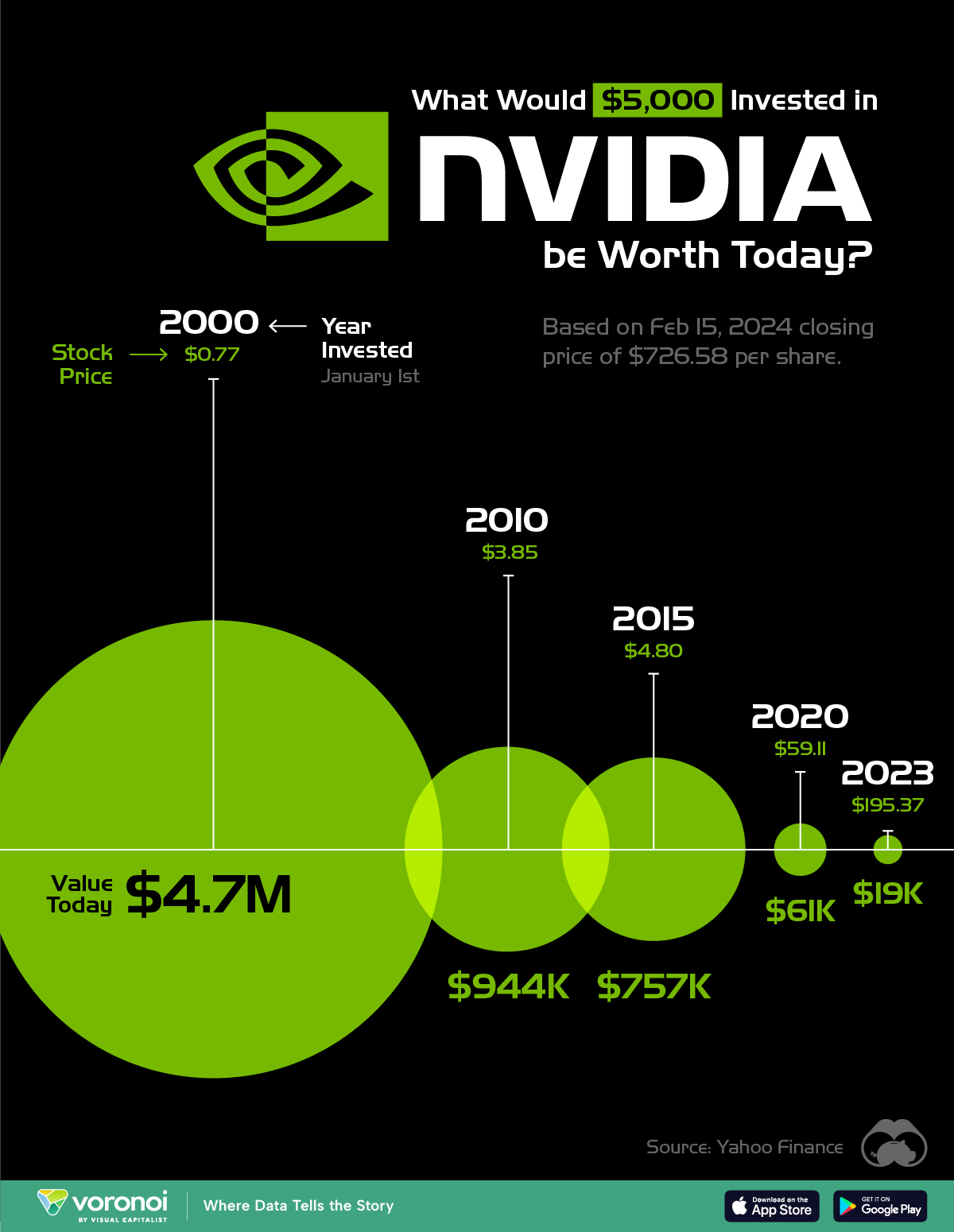
NVIDIA’s Ascent: From Gaming GPUs to AI Infrastructure Kingpin
NVIDIA’s journey to becoming one of the world’s most valuable companies is a testament to its strategic pivots and relentless innovation. Founded in 1993, the company initially made its mark by developing graphics processing units (GPUs) that revolutionized 3D gaming. However, its true financial awakening came when researchers discovered that the parallel processing capabilities of GPUs, originally designed for rendering complex graphics, were ideally suited for accelerating machine learning and artificial intelligence workloads. This serendipitous discovery, combined with NVIDIA’s foresight to invest heavily in software platforms like CUDA, laid the groundwork for its current financial prowess.
The Market Capitalization Story
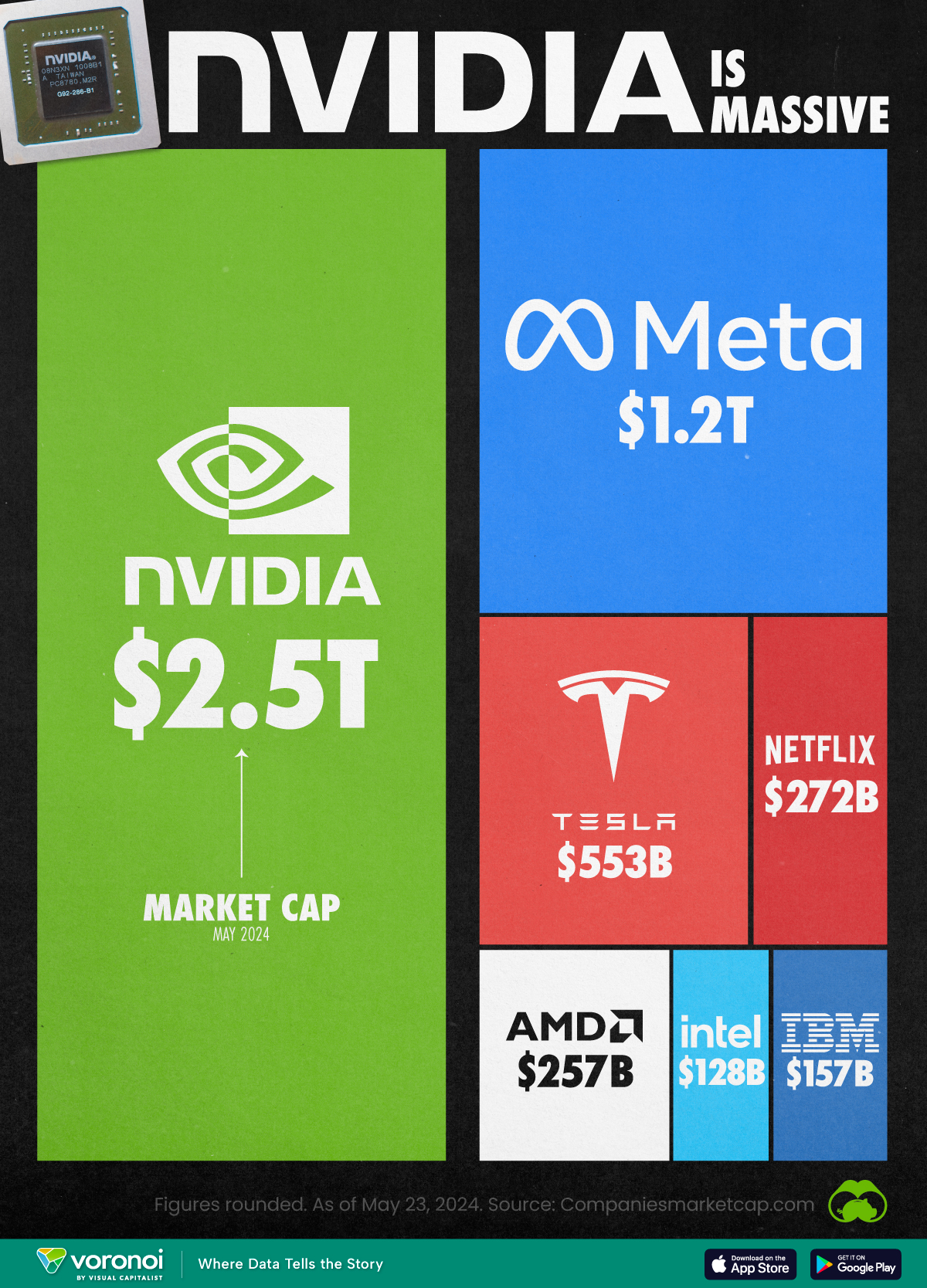
NVIDIA’s market capitalization has experienced an unprecedented surge, particularly in the wake of the generative AI boom. From a relatively stable, albeit growing, tech company valuation, it has rocketed into the echelons of the world’s most valuable enterprises, often trading places with other tech giants. This valuation reflects not just its current financial performance but, more significantly, the market’s conviction in its future earnings potential as the foundational technology provider for AI. Investors are betting big on NVIDIA’s continued dominance in data center GPUs, which are essential for training and deploying AI models, from large language models to advanced scientific simulations. The sheer scale of capital flowing into AI infrastructure directly translates into demand for NVIDIA’s high-margin products, underpinning its soaring market cap.
Key Financial Milestones and Growth Trajectory
Examining NVIDIA’s financial statements reveals a company executing on all cylinders. Revenue growth, particularly in its data center segment, has been astounding, often reaching triple-digit percentages year-over-year. This growth is not merely top-line expansion but is accompanied by robust profitability, with impressive gross margins driven by its proprietary hardware and software ecosystem. Quarterly earnings reports have become major market events, frequently surpassing analyst expectations and leading to significant stock price movements. Beyond short-term financial sprints, NVIDIA has demonstrated a consistent long-term growth trajectory, driven by its strategic investments in R&D and its ability to continually innovate and expand into new markets. These milestones signal to investors a company with a strong balance sheet, healthy cash flow, and a compelling runway for sustained financial expansion.
The Core Drivers of NVIDIA’s Astounding Valuation
NVIDIA’s valuation isn’t built on hype alone; it’s anchored by several robust financial drivers that demonstrate its indispensable role in the modern technological landscape. These drivers represent distinct, yet interconnected, revenue streams and strategic advantages that fortify its market position and justify its premium pricing.
Data Center and AI: The New Gold Rush
The most significant contributor to NVIDIA’s recent valuation surge is its data center segment, which encompasses its high-performance GPUs, networking solutions, and software platforms tailored for AI and high-performance computing (HPC). As companies worldwide race to develop, train, and deploy AI models, the demand for NVIDIA’s H100 and A100 GPUs has skyrocketed, creating a supply-constrained environment where NVIDIA can command significant pricing power. This isn’t just about selling chips; it’s about providing an entire ecosystem (CUDA, libraries, frameworks) that makes NVIDIA’s solutions the de facto standard for AI development. This “platform lock-in” creates substantial barriers to entry for competitors and ensures a continuous revenue stream from software licenses, services, and future hardware upgrades, positioning NVIDIA as the literal picks and shovels provider in the AI gold rush.
Gaming and Professional Visualization: Sustained Revenue Streams
While AI takes center stage, NVIDIA’s legacy segments continue to be vital components of its financial health. The gaming division, powered by its GeForce GPUs, remains a substantial and consistent revenue generator. Gamers worldwide continue to upgrade their systems, driving demand for NVIDIA’s latest RTX series cards, which offer advanced features like ray tracing and DLSS. This segment, while more cyclical than data centers, provides a resilient base of sales and profitability. Similarly, professional visualization, catering to industries like architecture, engineering, media, and entertainment with its Quadro and RTX professional GPUs, offers another steady, high-margin revenue stream. These segments, though growing at a slower pace than data centers, provide diversification and stability to NVIDIA’s overall financial profile, demonstrating its ability to cater to multiple high-value markets.
Software and Platform Lock-in: Recurring Revenue Potential
Perhaps the most underestimated aspect of NVIDIA’s financial strength is its robust software ecosystem. CUDA, its parallel computing platform and programming model, is foundational to most AI development and scientific computing. This software dominance creates a powerful network effect: developers choose NVIDIA hardware because of CUDA’s maturity and vast ecosystem, and more developers using CUDA further entrenches NVIDIA’s hardware. This lock-in effect makes it incredibly difficult for competitors to gain traction, even with comparable hardware. Furthermore, NVIDIA is increasingly monetizing its software offerings, such as enterprise AI software suites and cloud services, shifting towards a more recurring revenue model. This transition promises greater revenue predictability and higher valuation multiples, as software subscriptions are often valued more highly by investors than one-time hardware sales.
Navigating the Investment Landscape: Opportunities and Risks
Investing in a company with NVIDIA’s valuation requires a nuanced understanding of both its immense opportunities and the inherent risks that come with rapid growth and market leadership. For potential and current shareholders, a thorough financial due diligence goes beyond past performance to future projections and potential headwinds.
Valuation Metrics and Future Earnings Potential
Analyzing NVIDIA’s worth involves looking at traditional valuation metrics like Price-to-Earnings (P/E) ratios, Price-to-Sales (P/S) ratios, and Enterprise Value to EBITDA. Given its hypergrowth, NVIDIA often trades at a significant premium compared to the broader market or even other tech giants. This premium reflects the market’s expectation of continued exponential growth in earnings driven by the insatiable demand for AI compute. Investors are essentially paying a high price today for significantly larger earnings tomorrow. Financial models projecting NVIDIA’s future earnings often incorporate scenarios for AI adoption rates, market share retention, and new product introductions, all of which are critical in justifying its lofty valuation. The ability to consistently deliver on these growth expectations is paramount for maintaining investor confidence.
Competitive Pressures and Market Volatility
Despite its dominant position, NVIDIA operates in a highly competitive and rapidly evolving semiconductor industry. Rivals like AMD, Intel, and even cloud service providers developing their in-house AI chips (e.g., Google’s TPUs, Amazon’s Trainium/Inferentia) pose continuous threats. While NVIDIA’s ecosystem advantage is significant, any major breakthrough from a competitor or a shift in industry standards could erode its market share. Furthermore, the semiconductor sector is inherently cyclical and subject to global economic fluctuations, supply chain disruptions, and geopolitical tensions. Market volatility, influenced by interest rate changes, inflation concerns, and broader investor sentiment towards growth stocks, can also significantly impact NVIDIA’s stock price, irrespective of its underlying business performance.
Geopolitical and Supply Chain Considerations
As a global semiconductor powerhouse, NVIDIA is particularly vulnerable to geopolitical events and supply chain disruptions. The company relies heavily on global foundries (like TSMC) for manufacturing and has a significant presence in crucial markets like China. Trade tensions, export restrictions, or regional conflicts can severely impact its production, sales, and ability to innovate. For instance, U.S. export controls on advanced AI chips to certain regions have directly affected NVIDIA’s strategy and product offerings. Managing these complex geopolitical risks and ensuring supply chain resilience are critical operational and financial challenges that directly influence NVIDIA’s long-term worth and investor confidence.
NVIDIA’s Impact on the Broader Financial Markets
Beyond its individual valuation, NVIDIA’s performance has a cascading effect across the broader financial markets, influencing indices, sector sentiment, and investment strategies. Its substantial market cap makes it a bellwether for the technology sector and a significant component of major equity benchmarks.
A Bellwether for the Tech Sector
NVIDIA’s stock performance is often viewed as a proxy for the health and future trajectory of the entire technology sector, particularly for companies tied to AI, cloud computing, and high-performance computing. When NVIDIA performs well, it often signals strong demand in these crucial areas, leading to positive sentiment across the tech industry. Conversely, any significant downturn or negative news concerning NVIDIA can ripple through the market, causing declines in related tech stocks and contributing to broader market volatility. Its position at the forefront of AI innovation means its financial results are closely watched for insights into the pace of technological adoption and the profitability of emerging tech trends.
Influence on Index Funds and ETFs
Given its immense market capitalization, NVIDIA is a major constituent of several key market indices, including the S&P 500 and the Nasdaq 100. This means that a significant portion of passive investment vehicles, such as index funds and exchange-traded funds (ETFs) that track these indices, automatically allocate substantial capital to NVIDIA. As NVIDIA’s value increases, its weighting in these indices grows, leading to further passive buying pressure. This dynamic creates a powerful feedback loop, contributing to its stock appreciation and market influence. Investors in broad market funds are, often unknowingly, significant stakeholders in NVIDIA, highlighting its systemic importance to the modern investment landscape.
Looking Ahead: Sustaining Hypergrowth and Investor Confidence
The question of “how much NVIDIA is worth” is inherently dynamic, constantly re-evaluated based on its future prospects. For NVIDIA to sustain its extraordinary valuation and continue to deliver shareholder value, it must maintain its innovative edge, expand into new markets, and strategically manage its financial resources.
Diversification and New Market Ventures
To mitigate risks and unlock new growth avenues, NVIDIA is actively pursuing diversification beyond its core data center and gaming businesses. Its ventures into autonomous vehicles (Drive platform), robotics, and Omniverse (a platform for 3D design collaboration and virtual world simulation) represent significant long-term investment opportunities. These initiatives aim to apply NVIDIA’s foundational GPU and AI expertise to entirely new industries, potentially opening up vast new markets for its hardware, software, and services. Success in these emerging sectors would provide additional, uncorrelated revenue streams, bolstering its financial resilience and justifying further valuation expansion in the eyes of long-term investors.

Shareholder Value Creation Strategies
Beyond organic growth, NVIDIA employs various strategies to enhance shareholder value. These include share buyback programs, which reduce the number of outstanding shares and boost earnings per share, and judicious dividend payouts (though modest for a growth stock). Strategic acquisitions of smaller companies with complementary technologies or market access also play a crucial role in consolidating its technological lead and expanding its financial footprint. Transparent communication with investors regarding its long-term vision, financial health, and strategic direction is also vital for maintaining confidence and ensuring that the market fully appreciates its intrinsic worth and future potential.
In conclusion, NVIDIA’s worth extends far beyond a fluctuating stock price. It represents the financial market’s assessment of a company at the epicenter of a technological revolution, a company whose hardware and software are foundational to the future of AI. While its valuation is undeniably premium, it reflects an indispensable role in critical industries, a powerful ecosystem, and a robust financial performance trajectory that, for now, continues to justify its status as one of the world’s most valuable and closely watched corporations.
aViewFromTheCave is a participant in the Amazon Services LLC Associates Program, an affiliate advertising program designed to provide a means for sites to earn advertising fees by advertising and linking to Amazon.com. Amazon, the Amazon logo, AmazonSupply, and the AmazonSupply logo are trademarks of Amazon.com, Inc. or its affiliates. As an Amazon Associate we earn affiliate commissions from qualifying purchases.