
Embarking on the entrepreneurial journey is often fueled by passion, innovation, and a vision for the future. However, a pragmatic understanding of the financial landscape is equally crucial. One of the most common and pivotal questions aspiring business owners grapple with is: “How much money do I need to start a business?” The truth is, there’s no universal magic number. The capital required can range from a few hundred dollars for a home-based service to millions for a tech startup or a physical manufacturing plant. Understanding the variables, meticulously planning, and securing adequate funding are paramount to transforming an idea into a sustainable enterprise. This article will dissect the financial considerations involved in launching a business, providing a comprehensive framework for aspiring entrepreneurs to navigate this complex but essential aspect.
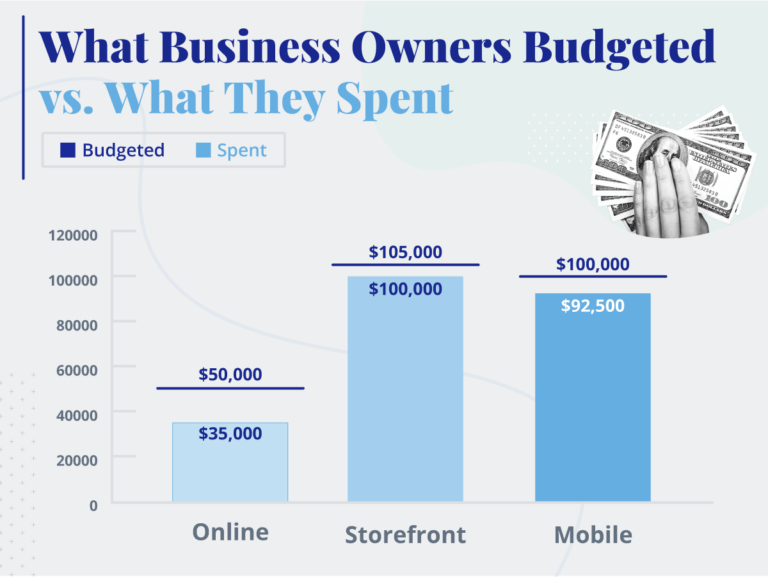
1. Unpacking the Variable Landscape of Startup Costs
The initial financial outlay for a new business is rarely static. It fluctuates dramatically based on a myriad of factors, making a “one-size-fits-all” answer impossible. This section delves into the inherent variability and critical distinctions in business finance.
The “It Depends” Factor: Why There’s No Single Answer
The primary reason for the wide range in startup costs lies in the diverse nature of businesses themselves. A freelance graphic designer working from a home office will incur significantly different expenses than a restaurateur opening a new bistro or a software company developing a complex AI application. Key influencers include:
- Business Model: Is it product-based or service-based? Online or brick-and-mortar? B2B or B2C? Each model dictates different operational structures and, consequently, different cost profiles.
- Industry: Regulated industries (e.g., healthcare, finance) often have higher compliance costs. Manufacturing requires significant capital for machinery, while tech startups might spend heavily on R&D and talent acquisition.
- Scale of Operations: Are you starting small with a lean approach, or launching with a large team and extensive infrastructure?
- Location: Rent, utilities, and even labor costs vary drastically by geographic region and whether the business is purely digital.
- Technology Integration: The level of technology required, from a basic website to sophisticated CRM systems or proprietary software development, can heavily influence costs.
Differentiating Startup vs. Operating Costs
A common pitfall for new entrepreneurs is failing to distinguish between one-time startup costs and ongoing operating expenses. Both are critical for financial planning, but they serve different purposes:
- Startup Costs (One-Time/Initial Investments): These are the expenses incurred before the business officially opens its doors or generates its first revenue. They are typically non-recurring or occur once in the initial phase. Examples include legal entity registration fees, initial equipment purchases, website development, brand identity design, and initial inventory.
- Operating Costs (Ongoing/Recurring Expenses): These are the costs associated with the day-to-day running of the business once it’s operational. They are predictable and recur regularly (e.g., monthly, quarterly). Examples include rent, utilities, salaries, marketing campaigns, software subscriptions, and raw materials replenishment. A robust financial plan must account for both categories, ensuring the business has sufficient capital to launch and sustain itself until it becomes profitable.
The Critical Role of Working Capital
Beyond covering explicit startup and initial operating costs, one of the most overlooked — yet absolutely critical — financial considerations is working capital. This refers to the liquid funds available to meet short-term operational needs. It’s the “buffer” that keeps your business afloat during lean periods, unexpected expenses, or the time lag between delivering a product/service and receiving payment. Many businesses fail not because they weren’t profitable eventually, but because they ran out of cash before reaching profitability. A general rule of thumb is to have at least 3-6 months of operating expenses saved as working capital, providing a crucial “runway” to achieve financial stability.
2. Deconstructing the Core Financial Components
To accurately estimate how much money you need, it’s essential to break down potential expenses into granular categories. This systematic approach reveals both the immediate outlays and the ongoing financial commitments.
Essential Initial Investments: The One-Time Outlays
These are the foundational costs that establish your business’s existence and infrastructure.
Legal and Administrative Foundations
Before anything else, you need to legitimize your business. This involves costs for:
- Business Registration: State or federal fees to register your business entity (LLC, Corporation, Sole Proprietorship, etc.).
- Licenses and Permits: Depending on your industry and location, various permits (health, occupational, zoning) might be required, often with associated fees.
- Legal Fees: Consulting an attorney for drafting operating agreements, partnership agreements, terms of service, or reviewing contracts.
- Trademark/Patent Registration: If you need to protect your intellectual property.
Physical and Digital Infrastructure
Whether you operate entirely online or from a physical location, infrastructure is a key expense:
- Office/Retail Space: Rent deposits, leasehold improvements, furnishing, and initial utility hookups.
- Equipment: Computers, specialized machinery, tools, software licenses, point-of-sale (POS) systems.
- Website Development: Domain registration, hosting, professional website design and development, e-commerce platform setup.
- Software and IT: Initial subscriptions for CRM, accounting software, project management tools, communication platforms, and potentially IT support setup.
Initial Inventory and Supply Chain
For product-based businesses, this is a significant upfront cost:
- Raw Materials: Initial purchase of materials needed to produce goods.
- Finished Goods: Purchase of products from suppliers for resale.
- Shipping and Logistics: Costs associated with getting initial inventory to your location or fulfillment center.
- Packaging: Branded packaging materials for products.
Recurring Expenses: Fueling Ongoing Operations
Once your business is up and running, these are the costs that keep the wheels turning.
Salaries, Wages, and Owner’s Draw
Even if you’re a solo entrepreneur, it’s vital to factor in your own compensation.
- Employee Salaries/Wages: If you hire staff, including payroll taxes and benefits.
- Owner’s Draw/Salary: Your living expenses should be covered by the business in the long run.
- Contractor Fees: Payments to freelancers or consultants for ongoing services.
Marketing and Sales Initiatives
Continual outreach is essential for growth.
- Advertising: Ongoing digital ads (Google, social media), print ads, promotional materials.
- Public Relations: Fees for PR agencies or campaigns.
- CRM Software: Subscriptions for customer relationship management tools.
- Content Creation: Costs for ongoing blog posts, videos, social media content.
Utilities, Rent, and Maintenance
For physical locations, these are non-negotiable.
- Rent/Mortgage: Monthly payments for your business premises.
- Utilities: Electricity, water, internet, heating/cooling.
- Maintenance and Repairs: Upkeep for equipment, premises, or vehicles.
- Insurance: Business liability insurance, property insurance, workers’ compensation.
The Indispensable Contingency Fund
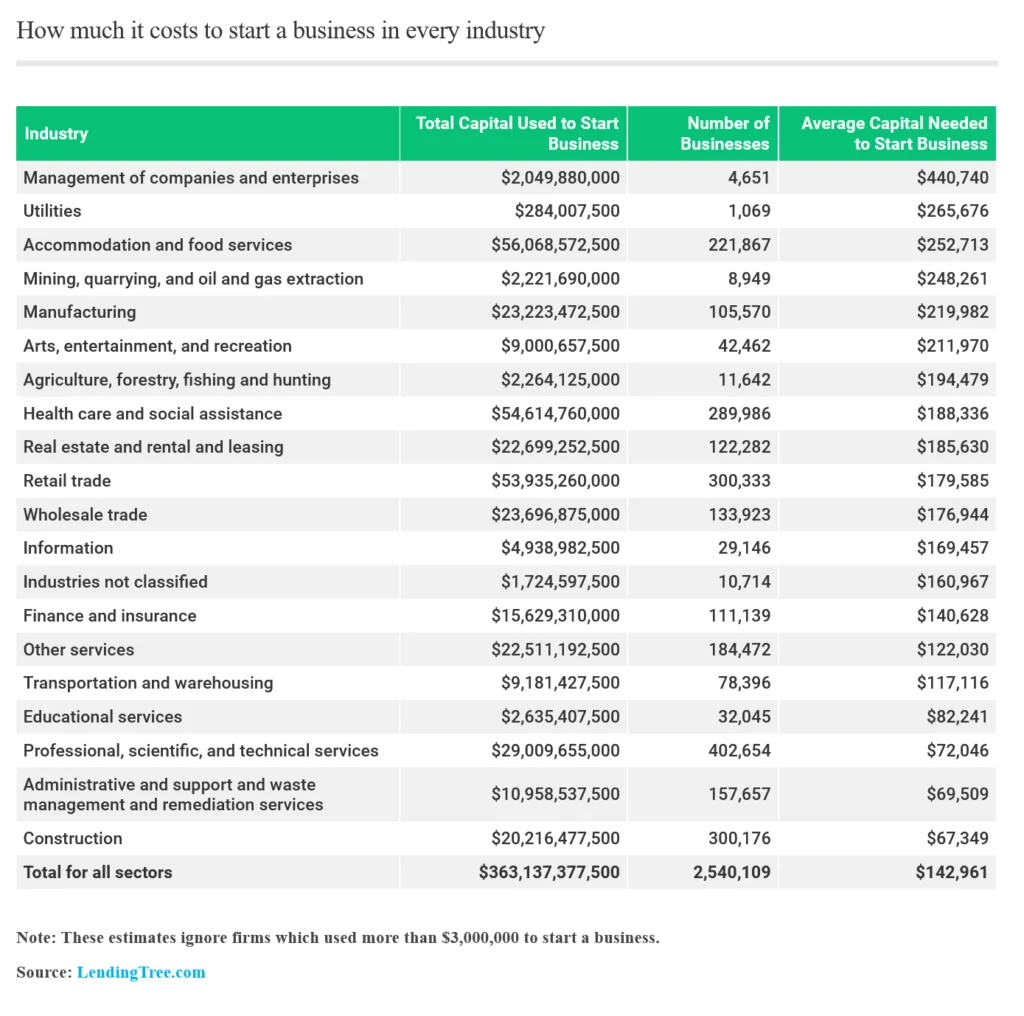
Beyond itemizing every conceivable cost, every robust financial plan includes a contingency fund. This is typically an additional 15-25% of your total estimated startup and first 3-6 months of operating costs set aside for unforeseen expenses or revenue shortfalls. Unexpected costs are almost guaranteed in business—equipment breaks, market conditions shift, or initial sales projections aren’t met. A well-funded contingency protects your business from early financial distress and allows you to pivot without panic.
3. Factors That Significantly Influence Your Startup Budget
The blueprint for your business finances is heavily shaped by fundamental decisions about its nature and operational scope. Understanding these influencing factors can help refine your cost estimates.
Business Model: Service, Product, or Hybrid?
The core offering of your business is a primary driver of costs.
- Service-Based Businesses: Often have lower startup costs, especially if home-based. Examples include consulting, web design, coaching, or freelance writing. Main costs might be software, marketing, professional development, and perhaps initial certification.
- Product-Based Businesses: Generally require more capital.
- Physical Products: Involve manufacturing, inventory management, warehousing, shipping, and potentially retail space. Costs include raw materials, production machinery, packaging, and logistics.
- Digital Products: Such as software, online courses, or e-books, require significant upfront investment in development, platform fees, and marketing, but typically have lower ongoing per-unit costs and no physical inventory.
- Hybrid Models: Businesses combining services and products will inherit cost structures from both categories.
Industry and Market Demands
Different industries operate with varying financial requirements and regulatory burdens.
- High-Regulation Industries: Fields like finance, healthcare, or food service often demand significant investment in compliance, specialized equipment, certifications, and robust insurance, pushing startup costs higher.
- Niche Markets: Entering a highly specialized or nascent market might require more investment in R&D or extensive market education.
- Competitive Landscape: If entering a crowded market, a larger marketing budget might be necessary to stand out. Conversely, a less competitive niche might allow for a leaner launch.
Scale of Operations and Geographic Location
The ambition and physical presence of your business significantly impact costs.
- Scale: Are you starting as a sole proprietorship, aiming for rapid growth with a team, or launching a franchise? A large-scale operation with multiple employees, extensive infrastructure, and broad market reach will naturally demand a larger capital injection than a modest, lean startup.
- Geographic Location:
- Rent and Real Estate: Commercial rental rates vary dramatically between urban centers, suburban areas, and rural locations. Even within a city, prime retail space commands a much higher premium than an industrial unit.
- Labor Costs: Minimum wage requirements and average salaries for skilled labor differ by region.
- Local Taxes and Fees: Business license fees, property taxes, and other local levies can add to your operating expenses.
- Utilities: Costs for electricity, water, and internet can also fluctuate based on location and supplier options.
Leveraging Technology vs. Traditional Setups
The degree to which you embrace technology can both reduce and increase costs.
- Technology-Driven: An e-commerce store with dropshipping might have minimal physical overhead but higher costs for web development, online advertising, and subscription services for various platforms (e.g., Shopify, CRM, email marketing). An AI startup might invest heavily in computational resources and highly skilled engineers.
- Traditional Brick-and-Mortar: While having a physical presence builds trust and offers a tangible customer experience, it comes with significant overheads like rent, utilities, physical inventory, and store fit-out costs.
- Automation: Investing in automation tools and software upfront can reduce long-term labor costs, but requires initial capital expenditure.
Making conscious decisions about these factors early in the planning process allows entrepreneurs to develop a more realistic and detailed financial roadmap for their venture.
4. Strategies for Smart Financial Planning and Funding
Once you have a clear understanding of potential costs, the next crucial steps involve meticulous planning to estimate these expenses accurately and strategically securing the necessary capital.
The Art of Budgeting: Research, Estimation, and Reality Checks
Effective financial planning is the backbone of a successful business launch.
Step-by-Step Cost Projections
- List Every Single Item: Brainstorm every possible expense, no matter how small. Think about pre-launch costs, launch day costs, and the first 3-6 months of operating costs. Use the categories discussed earlier as a guide.
- Research Realistic Prices: Don’t guess. Get quotes from suppliers, research market rates for services (legal, marketing), check commercial rental prices, and investigate equipment costs. Use online tools, industry benchmarks, and consultations with experienced professionals.
- Categorize and Prioritize: Differentiate between “must-have” expenses and “nice-to-have” items. In the initial phase, focus on essential costs that directly enable your core offering.
Building a Realistic Financial Model
- Create a Spreadsheet: Use a robust spreadsheet (like Excel or Google Sheets) to list all expenses, both one-time and recurring. Project them monthly for at least the first 12-24 months.
- Include Revenue Projections: While this article focuses on costs, a complete financial model also includes realistic revenue forecasts. This helps determine how long your initial capital will sustain the business before it becomes self-sufficient.
- Scenario Planning: Create best-case, worst-case, and most-likely scenarios for both costs and revenues. This prepares you for different eventualities.
Funding Pathways: From Bootstrapping to Beyond
Securing capital is often the biggest hurdle. Various options exist, each with its own pros and cons.
Self-Funding and Friends & Family
- Bootstrapping: Using your personal savings, credit cards, or income from a side hustle to fund your business. This offers maximum control and no equity dilution but can be personally risky.
- Friends & Family: Borrowing or receiving investments from your personal network. This can be easier to obtain than traditional loans but requires clear agreements to avoid personal strain.
Debt Financing: Loans and Lines of Credit
- Small Business Loans: Offered by banks and other financial institutions. Often require a solid business plan, collateral, and a good personal credit score. Government-backed loans (e.g., SBA loans in the US) can offer more favorable terms.
- Lines of Credit: Provide flexible access to funds up to a certain limit, useful for managing cash flow fluctuations.
- Equipment Financing: Loans specifically for purchasing machinery or vehicles, with the equipment itself serving as collateral.
Equity Financing: Investors and Grants
- Angel Investors: High-net-worth individuals who provide capital for a stake in your company. They often offer mentorship alongside funding.
- Venture Capital (VC): Funds provided by firms for high-growth potential businesses in exchange for equity. VCs typically invest larger sums and expect significant returns.
- Crowdfunding: Raising small amounts of capital from a large number of people, often through online platforms. Can be reward-based (pre-selling products) or equity-based (offering shares).
- Grants: Non-repayable funds often available from government agencies, non-profits, or foundations, usually for specific types of businesses (e.g., green tech, women-owned businesses, innovation). These are highly competitive.
Minimizing Initial Outlays: The Lean Approach
Smart entrepreneurs often look for ways to reduce upfront costs without compromising quality or core functionality.
- Start Small and Iterate: Launch a minimum viable product (MVP) or service to test the market, gather feedback, and generate early revenue before scaling up.
- Utilize Free or Low-Cost Tools: Leverage free versions of software (CRM, accounting, project management), open-source alternatives, and social media for marketing.
- Second-Hand Equipment: Purchase used equipment in good condition to save significantly on initial capital expenditure.
- Home-Based Business: Eliminate or drastically reduce commercial rent and associated utility costs by operating from your home.
- DIY Where Possible: For tasks like basic website setup, logo design (using templates), or initial market research, consider doing it yourself to save on professional fees, especially in the very early stages.
- Outsource Strategically: Instead of hiring full-time employees initially, consider freelancers or contractors for specialized tasks, converting fixed costs to variable costs.

5. Beyond the Initial Investment: Long-Term Financial Health
Starting a business is not just about the launch; it’s about building a sustainable entity. While initial capital is crucial, understanding and managing long-term financial health is paramount. This includes ongoing cash flow management, continuous financial forecasting, and reinvestment strategies. Regularly reviewing your profit and loss statements, balance sheets, and cash flow projections allows you to make informed decisions, identify potential issues early, and adapt to market changes. Success hinges not just on having enough money to start, but on skillfully managing that money to grow and thrive.
aViewFromTheCave is a participant in the Amazon Services LLC Associates Program, an affiliate advertising program designed to provide a means for sites to earn advertising fees by advertising and linking to Amazon.com. Amazon, the Amazon logo, AmazonSupply, and the AmazonSupply logo are trademarks of Amazon.com, Inc. or its affiliates. As an Amazon Associate we earn affiliate commissions from qualifying purchases.