
Gift cards represent a unique facet of personal finance, often overlooked but holding tangible monetary value. While seemingly simple, managing these plastic or digital tokens effectively can contribute significantly to a household’s financial well-being, preventing wasted funds and ensuring maximum utility. Understanding the balance remaining on a gift card is the critical first step in harnessing this value, transforming a potential forgotten asset into an active part of your spending strategy.
The Hidden Value: Why Tracking Gift Card Balances Matters
Many consumers view gift cards as ephemeral bonuses rather than a form of currency. This misconception often leads to cards being misplaced, forgotten, or left with small, unusable balances. However, each gift card represents a pre-paid amount of money, and its value, no matter how small, is a part of your financial landscape. Proactive tracking ensures these funds are utilized to their fullest potential.
Preventing Loss and Expiration
The most immediate benefit of knowing your gift card balance is preventing the outright loss of funds. Gift cards can expire, although many jurisdictions now have laws preventing or limiting expiration dates. Still, specific promotional cards or older cards might still carry expiration clauses. Furthermore, inactive fees can slowly chip away at the balance if a card isn’t used within a certain timeframe. Regularly checking balances allows you to identify cards nearing their expiration or activation of dormancy fees, prompting timely usage. Physical cards can also be lost or damaged, and knowing their balance beforehand can sometimes aid in recovery or replacement through the issuer, though this is not always guaranteed.
Budgeting and Financial Planning Integration
For individuals committed to meticulous budgeting, integrating gift card balances into their financial planning is a savvy move. A $50 gift card to a grocery store, for instance, is essentially $50 taken off your monthly food budget. Similarly, a gift card for a coffee shop can offset discretionary spending. By knowing these balances, you can adjust your cash or debit card spending accordingly, freeing up funds for savings, investments, or other essential expenditures. This proactive approach treats gift cards as a liquid asset, enabling more accurate forecasting of your available funds and reducing the reliance on your primary bank accounts for certain purchases.
Unlocking Spending Power
Beyond preventing loss, understanding your gift card balances unlocks their full spending potential. Many consumers hold onto cards with small balances, deeming them too insignificant to bother with. However, these small sums accumulate. A $3 balance on one card, $7 on another, and $12 on a third, while individually minor, collectively represent $22 that could be used. By knowing these balances, you can strategically combine them with other payment methods or use them for small, everyday purchases, preventing them from becoming “orphan funds” that are never spent. This systematic approach ensures every dollar is put to work, enhancing your purchasing power without drawing from your regular income.
Practical Methods for Checking Your Gift Card Balance
The process of checking a gift card balance has become increasingly streamlined, though the exact method can vary depending on the issuer and the type of card. Modern financial tools and consumer-friendly interfaces have made this task simpler than ever.
The Digital Path: Online Portals and Mobile Apps
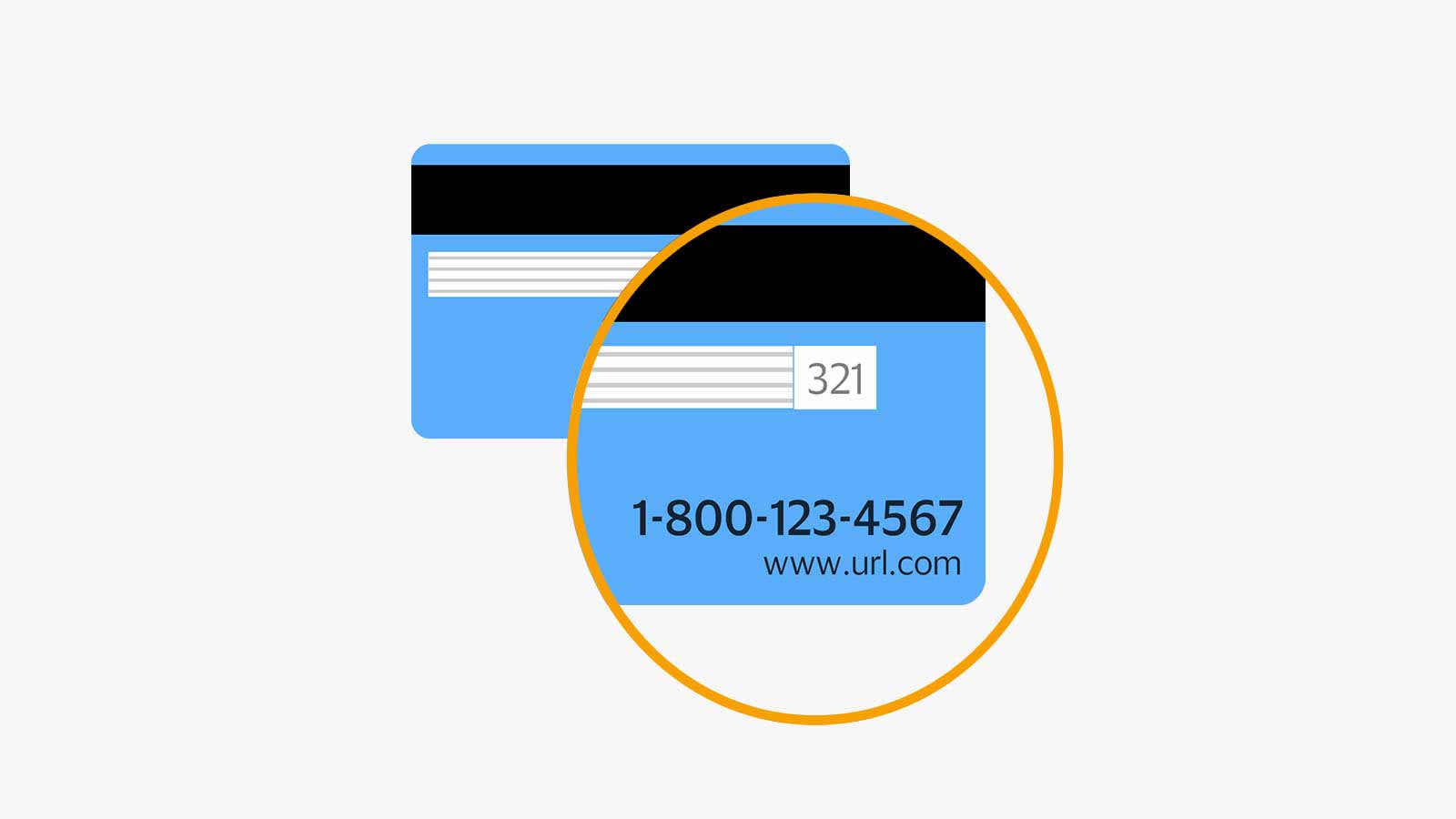
For most major retailers, restaurants, and financial institutions that issue gift cards, the internet is your primary tool. Almost all reputable card issuers maintain a dedicated balance checker on their official website. Typically, you’ll need to locate the gift card number and often a PIN (Personal Identification Number) or security code, which are usually found on the back of the physical card, sometimes under a scratch-off panel.
Steps:
- Locate the Issuer’s Website: Navigate to the official website of the store or brand that issued the gift card. Avoid third-party balance checkers, which may be scams or data harvesting attempts.
- Find the Balance Check Section: Look for links labeled “Check Gift Card Balance,” “Gift Card,” “Balance Inquiry,” or similar. These are often in the footer, customer service section, or a dedicated gift card page.
- Enter Card Details: Input the gift card number and PIN/security code as prompted.
- View Balance: The remaining balance will typically be displayed instantly.
Many retailers also offer mobile applications that integrate gift card management. If you regularly shop at a particular store, downloading their app might allow you to store gift card information digitally, making balance checks and in-app redemptions effortless. Some apps even allow you to add the gift card to a digital wallet for contactless payment.
The Personal Touch: In-Store Inquiry
If you prefer a direct interaction or are already at the store, checking your balance at the point of sale is a reliable option. Any cashier can typically scan your gift card and tell you the remaining balance. This method is particularly useful if you’re unsure about the card’s validity or simply prefer a human confirmation. It also offers an opportunity to immediately use the card for a purchase if the balance is sufficient.
Steps:
- Visit the Store: Go to any physical location of the retailer that issued the gift card.
- Approach a Cashier/Customer Service: Present your gift card to a store associate.
- Request Balance Check: Ask them to check the balance on the card. They will usually scan it or manually enter the number into their system.
The Direct Line: Phone Support and Automated Systems
For those without internet access or who prefer speaking directly with customer service, calling the issuer is another viable method. Most gift cards have a customer service phone number printed on the back. This number often leads to an automated system that can provide the balance after you input the card number and PIN, or it may connect you to a live representative.
Steps:
- Locate Phone Number: Find the customer service number on the back of your gift card.
- Call the Number: Dial the provided number.
- Follow Prompts: Listen carefully to the automated menu. You’ll usually be directed to an option for “Gift Card Balance” or “Account Inquiry.”
- Enter Details/Speak to Rep: Enter your card number and PIN when prompted, or wait to speak to a customer service representative who can assist you.

The Fine Print: Physical Card Details
While not a direct method for checking the balance, inspecting the physical gift card itself can provide crucial information. The card number, PIN, expiration date (if any), and customer service phone number are almost always printed on the card. This information is essential for using any of the other balance-checking methods. Some cards might even indicate a date of purchase, which can be relevant for understanding dormancy fee activation periods. Always protect these details as they are essentially cash.
Maximizing Your Gift Card’s Financial Utility
Knowing your balance is merely the first step. The true financial benefit comes from strategically utilizing that knowledge to get the most out of every dollar represented by your gift cards.
Consolidating Balances and Strategic Spending
If you have multiple gift cards from the same retailer, some issuers allow you to consolidate their balances onto a single card or transfer them to a digital account. This simplifies management and ensures small, inconvenient balances are combined into a more usable sum. Even if consolidation isn’t an option, knowing multiple balances allows for strategic spending. For example, if you have a $20 card and a $5 card for the same coffee shop, plan a larger purchase using the $20 card, and then use the $5 card for a subsequent, smaller treat.
Reselling or Trading Unwanted Cards
Not all gift cards are created equal in the eyes of the recipient. If you receive a gift card for a store you never frequent, or for products you don’t need, it effectively represents trapped capital. Instead of letting it go unused, consider reselling or trading it. Several reputable online platforms specialize in buying and selling gift cards, typically offering 70-90% of the card’s face value. While you won’t get the full value, converting an unwanted card into cash or a more desirable card (e.g., Amazon, general Visa/Mastercard) can be a financially sound decision. This converts a potentially wasted asset into a flexible monetary resource.
Using Remaining Balances for Small Purchases
Don’t underestimate the power of small balances. A $2.50 balance on a coffee card might seem negligible, but it can still buy a small coffee or a pastry. A $0.75 balance on a general-purpose reloadable card can be combined with cash for a larger purchase. Make it a habit to check these small balances and use them opportunistically. Many self-checkout kiosks allow partial payments, making it easy to deplete a gift card before using another payment method for the remainder. This ensures no money is left on the table.
Understanding Terms and Conditions (Fees, Expiration)
Gift card terms and conditions can vary significantly, impacting their long-term value. Key elements to scrutinize include:
- Expiration Dates: While increasingly rare, some promotional cards or older cards may still expire.
- Dormancy Fees: After a certain period of inactivity (e.g., 12 months), some cards may begin to deduct a monthly fee from the balance.
- Usage Restrictions: Some cards might only be redeemable for specific categories of items or services.
- Return Policies: Understand how returns for items purchased with a gift card are handled (often resulting in store credit or another gift card, not cash).
Being aware of these terms allows you to plan your usage accordingly, avoiding unexpected deductions or losses. This due diligence is a critical component of responsible personal finance, even for something as seemingly minor as a gift card.
Integrating Gift Card Management into Your Personal Finance Strategy
Effective gift card management isn’t just about individual transactions; it’s about incorporating them into a holistic personal finance strategy. Viewing gift cards as part of your overall financial portfolio allows for better planning and utilization.
Creating a Centralized Tracking System
The most effective way to manage multiple gift cards is to create a centralized tracking system. This could be as simple as a spreadsheet, a dedicated note on your phone, or a specialized app. For each card, record:
- Retailer/Issuer
- Card Number and PIN (if applicable)
- Initial Balance
- Current Balance (updated after each use or check)
- Expiration Date (if any)
- Notes (e.g., “to be used for groceries,” “for next birthday gift”)
This system provides an at-a-glance overview of your gift card assets, making it easy to decide which card to use for a particular purchase.
Setting Reminders for Usage
For cards with expiration dates or potential dormancy fees, set digital reminders. Use your smartphone’s calendar or a reminder app to flag cards that need to be used within a certain timeframe. A reminder a month before an expiration date can be invaluable in preventing a complete loss of funds. For non-expiring cards, a quarterly review of your gift card stash can help identify underutilized cards.
Recognizing Gift Cards as a Liquid Asset
From a personal finance perspective, gift cards, especially those for essential goods or services, should be recognized as a form of liquid asset, similar to cash or funds in a checking account. They are readily convertible into goods or services. By including their value in your mental (or actual) balance sheet, you gain a more accurate picture of your immediate financial resources, which can impact budgeting decisions, emergency fund assessments, and even investment planning. Understanding this liquidity prevents gift cards from being dismissed as “found money” and elevates them to their rightful place as part of your tangible wealth.

The Opportunity Cost of Unused Balances
Finally, consider the opportunity cost of unused gift card balances. Money sitting idly on a gift card is money that isn’t being used for purchases you need, contributing to your savings, paying down debt, or earning interest in an investment. While the individual amounts might seem small, the collective opportunity cost of neglecting numerous cards can be substantial over time. A proactive approach to checking balances and using cards ensures that this “dormant” capital is activated, working for you rather than against you. By consistently managing your gift cards, you’re not just tracking small sums; you’re optimizing a component of your personal finance that, when handled diligently, contributes to a more robust and efficient financial life.
aViewFromTheCave is a participant in the Amazon Services LLC Associates Program, an affiliate advertising program designed to provide a means for sites to earn advertising fees by advertising and linking to Amazon.com. Amazon, the Amazon logo, AmazonSupply, and the AmazonSupply logo are trademarks of Amazon.com, Inc. or its affiliates. As an Amazon Associate we earn affiliate commissions from qualifying purchases.