
For many, the name “Tesla” evokes images of innovation, sustainable transport, and cutting-edge technology. Yet, beneath the sleek design and impressive performance lies a significant financial decision. The question “How much money is a Tesla?” isn’t just about the sticker price; it encompasses a complex web of upfront costs, ongoing expenses, potential savings, and long-term financial implications. This article will meticulously dissect the various monetary facets of Tesla ownership, providing a clear and insightful financial roadmap for prospective buyers and curious minds alike.
Unpacking the Initial Purchase Price
The first and most obvious financial consideration is the price you pay to drive a Tesla off the lot (or, more accurately, have it delivered to your driveway). However, this figure is far from static. It fluctuates dramatically based on model, configuration, and a range of potential incentives.
Model-Specific Pricing: From Model 3 to Cybertruck
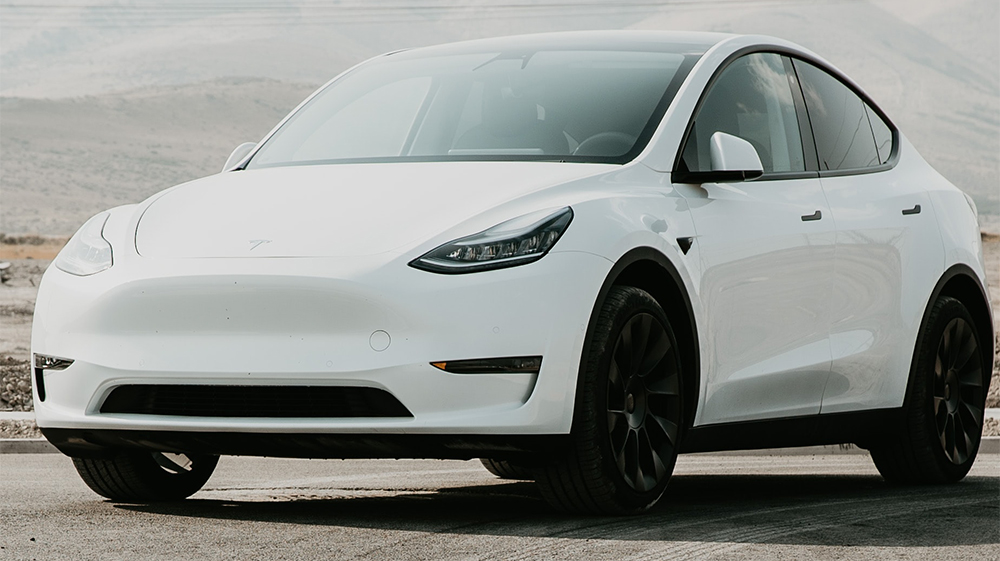
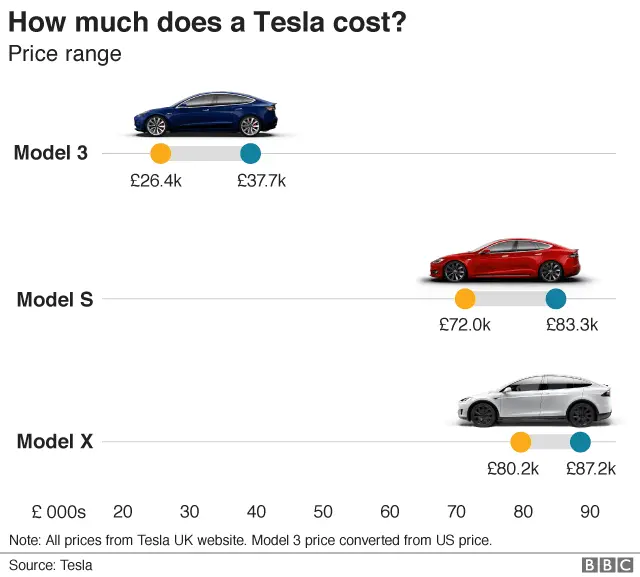
Tesla’s lineup offers a spectrum of price points designed to cater to different budgets and needs. The entry point is typically the Model 3, which has historically aimed for a more accessible price tag, making electric vehicle ownership attainable for a broader audience. Its standard range rear-wheel drive variant represents the lowest barrier to entry. Moving up the ladder, the Model Y, a compact SUV, commands a higher premium due to its increased space and utility.
The luxury and performance segments are dominated by the Model S sedan and the Model X SUV. These flagship vehicles boast longer ranges, more advanced features, and higher performance metrics, reflected in their significantly steeper price tags. For those seeking the bleeding edge of automotive innovation and utility, the Cybertruck introduces a new dimension of pricing, starting higher than most traditional pickups and offering various configurations that push its cost further upwards.
It’s crucial to remember that Tesla’s pricing strategy is dynamic. Prices can change with market conditions, production efficiencies, and material costs. Prospective buyers should always consult Tesla’s official website for the most current pricing information.
Navigating Options and Upgrades: The Price Escalation
Beyond the base model price, a Tesla’s final cost can escalate quickly with the addition of various options and upgrades. These customizations, while enhancing the driving experience, carry significant financial weight.
- Paint Colors and Wheel Upgrades: While some basic colors are often included, premium paint options or larger, more aerodynamic wheels can add several hundred to a few thousand dollars to the total.
- Interior Upgrades: Different interior finishes, seating materials, or premium sound systems contribute to the final tally.
- Enhanced Autopilot and Full Self-Driving (FSD) Capability: This is perhaps the most substantial optional upgrade. While basic Autopilot is standard, Enhanced Autopilot adds advanced features like automatic lane changes and summon. FSD, the pinnacle of Tesla’s autonomous driving suite, carries a hefty upfront cost, often in the five-figure range. It’s an investment in future technology, but one that significantly impacts the initial outlay. It’s also important to note that FSD is an evolving technology, and its full capabilities are still under development and regulatory review.
- Performance Upgrades: For models like the Model 3 and Model Y, performance variants offer faster acceleration and enhanced handling, but at a premium price.
Each selection adds to the final “out-the-door” price, making it essential for buyers to carefully evaluate which features are truly necessary versus desirable luxuries.
The Impact of Federal and State Tax Credits
One of the most attractive financial incentives for purchasing an electric vehicle, including a Tesla, comes in the form of federal and state tax credits. These credits can significantly reduce the effective purchase price.
- Federal Tax Credits: The U.S. federal government has offered various clean vehicle tax credits over the years. Eligibility criteria are strict and can include requirements related to battery component sourcing, vehicle manufacturing location, and the manufacturer’s suggested retail price (MSRP) limits for different vehicle types. Crucially, the credit is non-refundable, meaning it can only reduce your tax liability to $0, and you won’t get money back beyond that. These credits are subject to change and have specific income limitations for buyers.
- State and Local Incentives: Many states, cities, and even local utilities offer their own incentives for EV purchases. These can range from additional tax credits, rebates, HOV lane access, reduced vehicle registration fees, or free charging programs. These vary widely by location, making it imperative for prospective buyers to research what’s available in their specific area.
Navigating these incentives requires careful research and understanding of current regulations, as they can significantly impact the net financial cost of a Tesla. It’s also important to consult with a tax professional to understand your personal eligibility.
The True Cost of Ownership: Beyond the Sticker Price
The initial purchase price is merely the entry fee. The true financial commitment of owning a Tesla, or any vehicle, extends to the ongoing costs of financing, insuring, and powering it. Understanding these long-term expenses is crucial for a complete financial picture.
Financing vs. Leasing: Weighing Your Payment Options
Most buyers do not pay cash for a new vehicle, making financing a pivotal part of the overall cost.
- Financing (Loan): When you finance a Tesla, you take out a loan, typically from a bank, credit union, or Tesla’s preferred financial partners. You pay a monthly principal and interest payment over a set term (e.g., 60 or 72 months). The key financial considerations here are the interest rate (which depends on your creditworthiness and market rates) and the loan term. A higher interest rate or longer term will increase the total amount of money you pay over the life of the loan. While you own the vehicle outright at the end of the term, the cumulative interest can add thousands to the overall cost.
- Leasing: Leasing is essentially renting the car for a set period, typically 24 or 36 months, with an option to purchase it at the end of the lease term. Monthly lease payments are generally lower than loan payments because you’re only paying for the depreciation of the vehicle during your lease term, plus interest (money factor) and taxes. Leasing offers lower upfront costs and predictable monthly expenses, making it attractive for those who prefer to drive a new car every few years. However, you don’t build equity, and there are mileage restrictions and potential penalties for excessive wear and tear. Financially, leasing can be more expensive in the long run if you continuously lease new vehicles.
The choice between financing and leasing depends heavily on your financial goals, driving habits, and desire for ownership versus flexibility.
Insurance Premiums: A Significant Variable
Insuring a Tesla can be notably more expensive than insuring a comparable internal combustion engine (ICE) vehicle. Several factors contribute to this:
- Higher Purchase Price: More expensive cars generally cost more to insure because the potential payout for damage or theft is higher.
- Advanced Technology and Repair Costs: Teslas are packed with sophisticated technology, including numerous sensors and cameras. While this contributes to safety, repairing these components after an accident can be more complex and costly, leading to higher repair bills and, consequently, higher premiums. Tesla’s body parts and repair network can also be more specialized, further impacting costs.
- Performance: Many Tesla models offer exhilarating acceleration, which can sometimes be associated with a higher risk of accidents by insurers.
- Theft Risk: While not universally higher, certain premium vehicles can be targeted by thieves, affecting premiums.
Insurance rates vary widely based on your location, driving record, age, gender, credit score, the specific Tesla model, and the coverage limits you choose. It’s crucial to get multiple insurance quotes before purchasing a Tesla to budget accurately for this ongoing expense. Some insurers even offer specialized EV insurance policies.
Charging Costs: Fueling Your Electric Vehicle
One of the major financial benefits of an EV is eliminating gasoline expenses. However, Teslas still need to be “fueled” with electricity, and this comes with its own costs.
- Home Charging: This is typically the most economical option. The cost depends on your electricity rates, which vary significantly by utility provider, time of day (if you have time-of-use metering), and region. A typical household in the U.S. might pay between $0.10 to $0.25 per kilowatt-hour (kWh). You can calculate your approximate monthly cost by knowing your Tesla’s battery size (e.g., 75 kWh) and how often you charge it. While the cost per mile is usually much lower than gasoline, there’s also the initial investment in a Level 2 home charging station (e.g., Tesla Wall Connector) and its installation, which can range from a few hundred to a couple of thousand dollars.
- Tesla Supercharger Network: For long-distance travel or when home charging isn’t available, Tesla’s proprietary Supercharger network offers fast charging. Supercharger costs are typically higher than home charging, often comparable to, or sometimes even exceeding, the cost of gasoline per mile in some regions, especially during peak hours. Tesla charges per kWh or per minute, depending on location.
- Third-Party Charging Networks: Other public charging networks (e.g., Electrify America, ChargePoint) are also available. Their pricing structures vary, with some offering subscription plans that can reduce costs for frequent users.
While electricity is generally cheaper than gasoline on a per-mile basis, the actual savings depend heavily on your charging habits and local electricity rates.
Maintenance, Depreciation, and Long-Term Value
A comprehensive financial analysis of Tesla ownership extends beyond the immediate costs to consider the vehicle’s long-term financial trajectory, including maintenance, depreciation, and potential savings.
Maintenance Expectations: The Electric Advantage
One of the often-cited financial benefits of electric vehicles like Teslas is reduced maintenance. EVs have significantly fewer moving parts compared to ICE vehicles. There’s no internal combustion engine requiring oil changes, spark plug replacements, air filter changes, or complex transmission servicing.

Typical Tesla maintenance primarily includes:
- Tire Rotations and Replacements: EVs are heavy and deliver instant torque, which can lead to faster tire wear.
- Brake Servicing: While regenerative braking reduces wear on traditional brake pads and rotors, they still need occasional inspection and service.
- Cabin Air Filter Replacement: Recommended periodically.
- Wiper Blade Replacement: Standard for any car.
- Battery and Drivetrain Diagnostics: These components are covered by long warranties, but routine checks can be part of service plans.
While the frequency and cost of routine maintenance are generally lower for Teslas, unexpected repairs, particularly for high-tech components, can be expensive if not covered by warranty. Tesla’s service network, while expanding, is not as ubiquitous as traditional dealerships, which can sometimes lead to longer wait times or travel for service.
Understanding Depreciation and Resale Value
Depreciation, the loss in value over time, is the single largest cost of car ownership for most vehicles. Teslas, like all cars, depreciate, but their depreciation curve can sometimes differ from traditional vehicles.
- Initial Strong Resale Value: Teslas have historically held their value relatively well, driven by strong demand, limited supply, and their innovative appeal. This can mean a lower net depreciation cost over the first few years compared to some luxury ICE vehicles.
- Impact of Technology Changes: Rapid technological advancements in EVs (e.g., battery improvements, new Autopilot features) can accelerate depreciation for older models as newer, more capable vehicles enter the market.
- Battery Degradation Concerns: While Tesla batteries are designed to last, some buyers might be concerned about long-term battery degradation affecting resale value, though real-world data generally shows excellent longevity.
- Market Dynamics: As more EV competitors enter the market, and as Tesla adjusts its pricing strategy, the resale market can fluctuate.
While a high resale value reduces the overall cost of ownership, it’s not guaranteed and is subject to market forces and technological evolution.
The Hidden Savings: Fuel and Environmental Benefits
Beyond the direct costs, there are several “hidden” financial benefits that contribute to the long-term value proposition of a Tesla.
- Fuel Savings: This is often the most significant ongoing saving. As discussed, electricity is typically cheaper per mile than gasoline, especially if you primarily charge at home during off-peak hours. Over years of ownership, these savings can amount to thousands of dollars.
- Tax Incentives and Rebates: Beyond purchase credits, some jurisdictions offer ongoing benefits like reduced annual registration fees for EVs.
- Reduced Emissions and Environmental Impact: While not a direct monetary saving in most cases, the reduced environmental footprint can be considered a societal benefit, and some consumers are willing to pay a premium for it. Future carbon pricing or environmental taxes could also indirectly favor EV owners.
- Potential for Solar Integration: For homeowners with solar panels, charging a Tesla essentially becomes “free” from their generated electricity, further enhancing savings and energy independence.
These long-term financial advantages, when combined, can significantly offset some of the higher upfront costs associated with Tesla ownership.
Tesla Ownership: A Financial Comparison
To truly understand “how much money is a Tesla,” it’s helpful to compare its financial profile against alternatives, particularly traditional internal combustion engine vehicles, and to contextualize whether the investment aligns with individual financial goals.
EV vs. ICE: A Total Cost of Ownership Analysis
A true financial comparison requires a Total Cost of Ownership (TCO) analysis, looking beyond just the purchase price.
- Upfront Cost: Teslas generally have a higher MSRP than comparably sized and equipped ICE vehicles, though federal and state incentives can narrow this gap.
- Fuel Costs: EVs almost invariably win here, with electricity being cheaper per mile than gasoline in most regions. The savings accumulate over time.
- Maintenance Costs: EVs typically have lower routine maintenance costs due to fewer moving parts. However, specialized EV component repairs can be expensive if not under warranty.
- Insurance Costs: Teslas often have higher insurance premiums.
- Depreciation: While Teslas have historically held value well, the long-term depreciation curve compared to ICE luxury vehicles can vary.
- Financing Costs: Dependent on interest rates and loan amounts, but generally higher for more expensive vehicles.
When all these factors are aggregated over a 5-year or 10-year period, the TCO for a Tesla can sometimes be competitive with, or even lower than, a premium ICE vehicle, especially when significant fuel savings and tax credits are factored in. However, this largely depends on local electricity and gas prices, driving habits, and the specific models being compared.
Weighing the Investment: Is a Tesla Worth It for You?
The financial decision to buy a Tesla is a personal one, intertwined with individual priorities and financial situations.
- Financial Capacity: Can you comfortably afford the purchase price, financing payments, insurance, and charging costs without straining your budget? Building a detailed budget that includes all these elements is essential.
- Driving Habits: Do you drive enough miles to maximize fuel savings? Do you have convenient and affordable access to charging, especially at home?
- Long-Term vs. Short-Term Perspective: Are you focused on immediate savings or willing to invest more upfront for long-term benefits in fuel and maintenance?
- Value Proposition: Beyond pure economics, do you value the technology, performance, environmental benefits, and brand experience enough to justify the cost? For many, the unique driving experience and technological innovation of a Tesla add value beyond mere monetary calculation.
Ultimately, a Tesla represents a significant financial investment. For some, the total cost of ownership, combined with the technological and environmental benefits, makes it a compelling choice. For others, the upfront cost and ongoing expenses might outweigh the perceived benefits, making a different vehicle a more financially prudent option.
Financial Tools and Strategies for Prospective Buyers
Making the decision to purchase a Tesla requires meticulous financial planning. Leveraging appropriate tools and strategies can help prospective buyers navigate the complexities and make an informed, confident choice.
Budgeting for a Tesla: Practical Steps
Effective budgeting is the cornerstone of any major financial decision, especially for a high-value asset like a Tesla.
- Determine Your Affordability Threshold: Before falling in love with a specific model, establish a realistic maximum price you can afford, considering your monthly income, existing expenses, and financial goals. A common rule of thumb is that your total car payments (loan/lease, insurance, fuel/charging, maintenance) should not exceed 10-15% of your net monthly income.
- Factor in All Costs: Create a comprehensive budget that includes not just the monthly loan/lease payment but also estimated insurance premiums, charging costs (home and public), potential home charger installation costs, and a buffer for unexpected maintenance. Don’t forget registration fees and any applicable taxes.
- Scenario Planning: Use online calculators to compare different loan terms (e.g., 60 vs. 72 months) and interest rates to see how they impact your monthly payments and total interest paid. If considering a lease, understand the upfront costs, mileage limits, and residual value.
- Emergency Fund: Ensure you have a robust emergency fund in place before taking on a new car payment. This provides a financial safety net for unforeseen circumstances.
A detailed budget prevents financial strain and ensures that owning a Tesla enhances, rather than detracts from, your financial well-being.
Exploring Financing Avenues: Loans, Leases, and Equity
Understanding the various financing options available is key to securing the best terms.
- Pre-Approval for Loans: Before visiting Tesla’s configuration page, get pre-approved for a loan from your bank or credit union. This gives you a clear understanding of the interest rate you qualify for and strengthens your negotiating position, even if you ultimately choose to finance through Tesla’s preferred partners. Compare interest rates and terms carefully.
- Lease vs. Buy Analysis: Thoroughly compare the financial implications of leasing versus buying. While leasing often offers lower monthly payments, analyze the total cost over a longer period, including potential end-of-lease fees or purchase options. If you plan to keep the car for many years, buying is typically more cost-effective. If you prefer to upgrade frequently, leasing might be attractive.
- Leveraging Existing Equity: If you’re trading in an existing vehicle, understand its market value. Any equity you have can be used as a down payment, reducing the amount you need to finance and lowering your monthly payments and total interest.
- Down Payment Strategy: While a large down payment reduces your monthly burden and total interest, ensure it doesn’t deplete your emergency savings or prevent you from achieving other important financial goals. A common recommendation is 10-20% for a new car.
Being proactive and exploring all financing options can save you a significant amount of money over the ownership period of your Tesla.
Future-Proofing Your Investment
While no investment is entirely future-proof, certain strategies can help mitigate financial risks associated with Tesla ownership.
- Stay Informed on Incentives: Tax credits and rebates can change. Keep an eye on government websites and local energy programs for updates that could affect the cost of your current or future EV.
- Understand Warranty Coverage: Be thoroughly familiar with Tesla’s vehicle warranty (including the crucial battery and drive unit warranty) to understand what repairs are covered and for how long. This protects you from potentially expensive component failures.
- Consider Long-Term Energy Costs: While electricity is generally cheaper than gasoline now, keep an eye on energy market trends. Installing solar panels at home can provide a hedge against rising electricity prices and offer significant long-term savings for EV charging.
- Evaluate Future Software Upgrades: Tesla frequently updates its vehicles via over-the-air software. While many are free, some features or enhancements (like FSD capability) may come with additional costs or subscription models in the future. Factor this potential into your long-term budget.
By adopting a forward-thinking financial approach, prospective Tesla owners can better manage the costs and maximize the long-term value of their investment in a cutting-edge electric vehicle. The question of “how much money is a Tesla” demands more than a quick glance at a price tag; it requires a deep dive into every financial nuance of ownership, from purchase to long-term operation.
aViewFromTheCave is a participant in the Amazon Services LLC Associates Program, an affiliate advertising program designed to provide a means for sites to earn advertising fees by advertising and linking to Amazon.com. Amazon, the Amazon logo, AmazonSupply, and the AmazonSupply logo are trademarks of Amazon.com, Inc. or its affiliates. As an Amazon Associate we earn affiliate commissions from qualifying purchases.