
In an increasingly digital world, physical and virtual gift cards remain a ubiquitous form of currency, bridging the gap between thoughtful gifting and practical spending. From birthdays and holidays to corporate incentives, these prepaid financial instruments circulate widely, representing a tangible asset. Yet, despite their widespread use, a common financial query persists: “How much money does my gift card have?” Understanding the precise balance on your gift card isn’t just about curiosity; it’s a critical component of effective personal finance management, ensuring you can maximize their value and avoid frustrating checkout surprises.
The Ubiquitous Financial Tool: Understanding Gift Cards
Gift cards are more than just a piece of plastic or a digital code; they are a form of stored value, functioning as a prepaid debit card for a specific merchant or network. They represent real money that has been pre-allocated for future purchases, making them a significant, often overlooked, part of many individuals’ financial portfolios.
Beyond the Gift: A Prepaid Financial Instrument
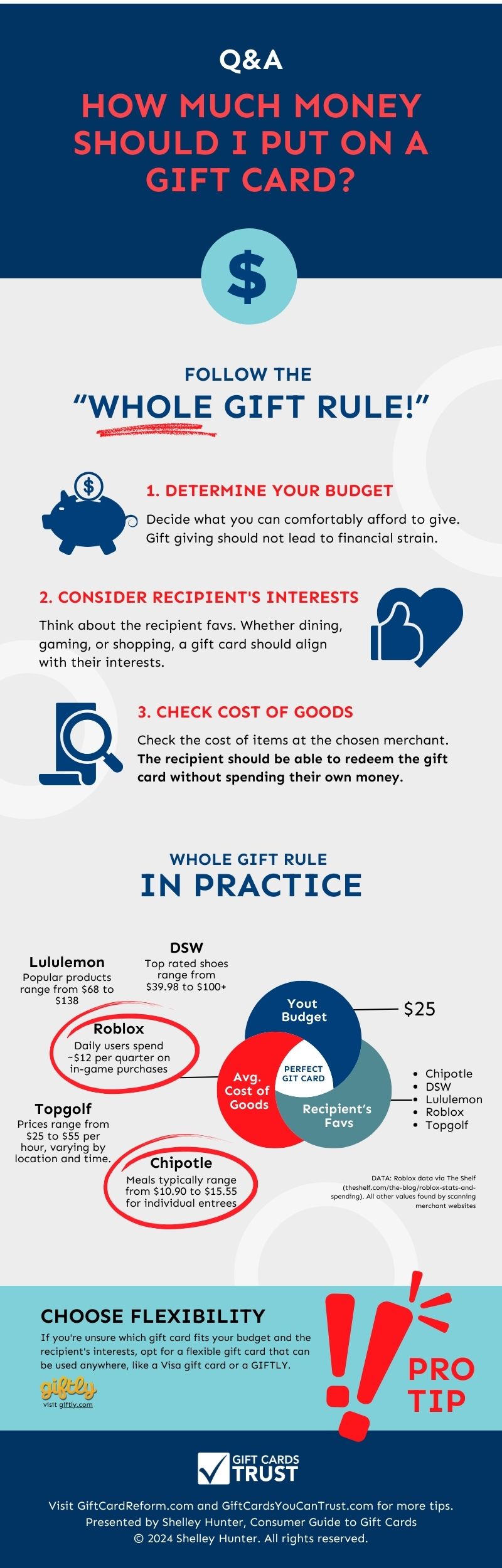
At their core, gift cards are financial tools. They allow the holder to make purchases up to the card’s loaded value, often acting as a closed-loop system (usable only at the issuing merchant) or an open-loop system (usable anywhere the associated payment network, like Visa or Mastercard, is accepted). From a financial planning perspective, knowing your gift card balances helps you effectively budget for upcoming expenses, identify available funds for discretionary spending, and prevent money from being wasted due to expiry or dormancy fees. They can strategically supplement your regular income, freeing up cash flow for other needs or investments.
Why Knowing Your Balance Matters
The importance of accurately tracking gift card balances cannot be overstated. Firstly, it prevents embarrassment and inconvenience at the point of sale, where a miscalculated balance can lead to declined transactions or the need to find an alternative payment method. Secondly, and more critically from a financial perspective, it helps you utilize the full value of the card. Many gift cards, particularly those with small remaining balances, go unused, representing hundreds of millions of dollars in lost consumer value annually. Knowing exactly what’s available empowers you to spend strategically, combine balances, or even liquidate unwanted cards, ensuring no money is left on the table.
Practical Methods for Checking Your Gift Card Balance
Fortunately, checking the balance on most gift cards is a straightforward process, thanks to standardized procedures implemented by merchants and payment networks. Several reliable methods are available, catering to different preferences and situations.
Online Portals: The Digital Gateway
The most common and often quickest way to ascertain your gift card’s value is through the internet. Most major retailers and gift card issuers provide dedicated online portals for balance inquiries.
- Step-by-step guide:
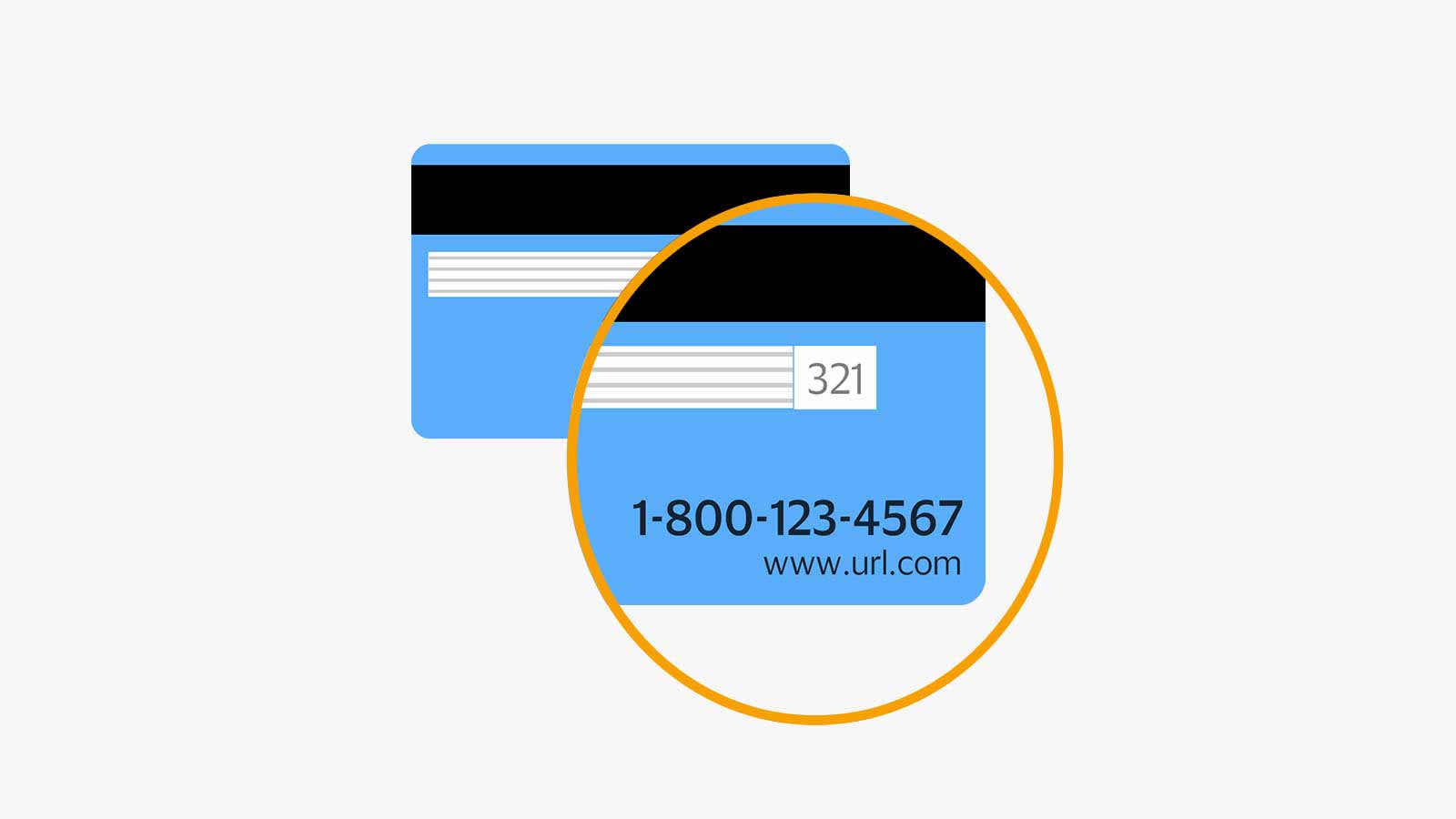
- Locate the Merchant’s Website: Typically, the issuing merchant’s website address is printed on the back of the physical gift card. For digital cards, it will be in the email or digital delivery.
- Navigate to “Check Balance” or “Gift Card”: Look for links often labeled “Check Balance,” “Gift Card Balance,” “Gift Cards,” “Customer Service,” or sometimes found in the footer of the website.
- Input Card Details: You will usually be prompted to enter the full gift card number, which is typically 16 digits (for open-loop cards) or a varying number of digits for merchant-specific cards.
- Enter PIN/Security Code: Many gift cards, especially physical ones, have a Personal Identification Number (PIN) or a security code, often hidden under a scratch-off strip. This is crucial for verifying you are the legitimate holder.
- View Balance: After submitting the details, your current balance will be displayed.
- Important Considerations: Always ensure you are on the legitimate website of the merchant to avoid phishing scams. Keep your card details confidential. Some merchants might require you to create an account or provide an email address, but this is less common for simple balance checks.
Phone Support: A Direct Line to Your Funds
For those who prefer direct human interaction or encounter issues with online systems, calling customer service is an effective alternative.
- How to:
- Find the Customer Service Number: This number is almost always printed on the back of the gift card itself. If not, it can be easily found on the merchant’s official website under their “Contact Us” or “Customer Service” sections.
- Navigate the IVR System: When you call, you’ll likely encounter an Interactive Voice Response (IVR) system. Listen carefully for options related to “Gift Card Balance” or “Account Information.”
- Speak to an Agent: If the automated system doesn’t provide a clear path, select the option to speak with a customer service representative.
- What to have ready: Be prepared to provide the full gift card number and any associated PIN or security code to the representative for verification.
- This method is particularly useful for resolving issues with expired cards, lost PINs, or understanding specific terms and conditions.
In-Store Inquiry: The Face-to-Face Approach
For physical gift cards, an in-person visit to the issuing merchant’s location is a reliable, albeit sometimes less convenient, option.
- Where to go: Simply take your gift card to any physical store location of the issuing merchant.
- What to provide: Present the physical gift card to a cashier or customer service desk representative. They will typically scan the card or manually enter its number into their point-of-sale (POS) system to retrieve the current balance. This method is quick and straightforward, especially if you’re already at the store to make a purchase.
Mobile Apps: Convenience in Your Pocket
Many major retailers and even some third-party services offer mobile applications that simplify gift card management.
- How various apps can help: Store-specific apps often allow you to “add” or “link” your physical gift card to your digital wallet within the app. Once linked, the balance is typically displayed immediately and updates automatically as you make purchases. Some third-party apps are designed to track balances from multiple gift cards, though caution should be exercised when sharing sensitive card information with unverified applications.
- Linking cards for easy tracking: Integrating your gift cards into a merchant’s official app can streamline your shopping experience, allowing for seamless balance checks and even mobile payments directly from the app.
Common Challenges and Troubleshooting Tips
While checking gift card balances is generally simple, several issues can arise. Knowing how to troubleshoot these can save you time and prevent the loss of your prepaid funds.
Lost PINs and Security Codes
Many gift cards, especially those with scratch-off panels, rely on a PIN or security code for online or phone balance checks and purchases. If this code is lost or scratched off illegibly, it can complicate matters.
- What to do: First, double-check the back of the card carefully. Sometimes the PIN is printed in a less obvious spot. If it’s truly lost, your best course of action is to contact the merchant’s customer service directly via phone. Be prepared to provide the full card number and any other identifying information (like purchase receipt details, if available). Some merchants may have a policy for PIN recovery or replacement, while others may require you to visit a physical store for verification.
Expired Cards and Dormancy Fees
Gift card expiration dates and dormancy fees are critical financial considerations. While federal law (the CARD Act of 2009) generally mandates that gift cards cannot expire for five years from the date of activation or last load, state laws can vary, and service fees for inactivity (dormancy fees) might apply under certain conditions.
- Understanding regulations: Always check the terms and conditions printed on the card or the merchant’s website. If your card is nearing its expiration date or you suspect dormancy fees might be levied, check the balance and plan to use it immediately.
- Checking terms and conditions: Pay close attention to any “valid through” dates or statements about “inactivity fees.” If a card appears expired, it’s still worth checking the balance online or calling customer service, as some retailers are more lenient or state laws may supersede initial terms.
Partially Used Cards: Maximizing Remaining Value
It’s common to have a small, residual balance on a gift card after a purchase, often too small for another significant item. These small balances are frequently forgotten and ultimately forfeited.
- Small balances: How to use them up:
- Combine with other payments: Most merchants allow you to use a gift card for a partial payment and cover the remainder with another method (cash, debit, credit card).
- Exact change: For very small balances, consider using the card for an item that costs exactly the remaining amount, or use it towards a larger purchase and inform the cashier to drain the card completely.
- Regifting vs. using it yourself: If you truly have no use for a small balance, consider regifting it to someone who frequents that merchant, or for open-loop cards, use it for small, everyday purchases like coffee or gas.
Recognizing Fraudulent Cards
While less common for direct purchases, it’s important to be aware of potential gift card scams, especially if you’ve purchased a card from a third-party seller or received it from an unfamiliar source.
- Signs to look for: Be wary of cards with tampered packaging, peeled-off security stickers, or odd printing. Always purchase gift cards from reputable retailers. If a balance check reveals zero on a card you know should have funds, immediately contact the retailer and your financial institution if you suspect fraud.
Strategic Financial Management of Gift Cards
Beyond simply checking balances, integrating gift cards into a broader personal finance strategy can yield tangible benefits, helping you save money, manage expenses, and even generate income from unwanted cards.
Integrating Gift Cards into Your Budget
Gift cards, effectively being pre-paid cash, can be powerful budgeting tools.
- Allocating gift card funds for specific purchases: If you receive a gift card for a grocery store, that automatically reduces your grocery budget for the month. Similarly, a clothing store gift card can cover discretionary spending without touching your regular income. This frees up cash flow in your primary accounts, which can then be saved, invested, or used for other necessities.
- Reducing out-of-pocket expenses: Strategically using gift cards ensures you pay less from your bank account or credit cards, which can indirectly help in debt reduction or increasing savings.
Monetizing Unwanted Gift Cards
Not all gift cards are created equal in terms of personal utility. If you receive a gift card for a store you never visit, it represents stranded capital.
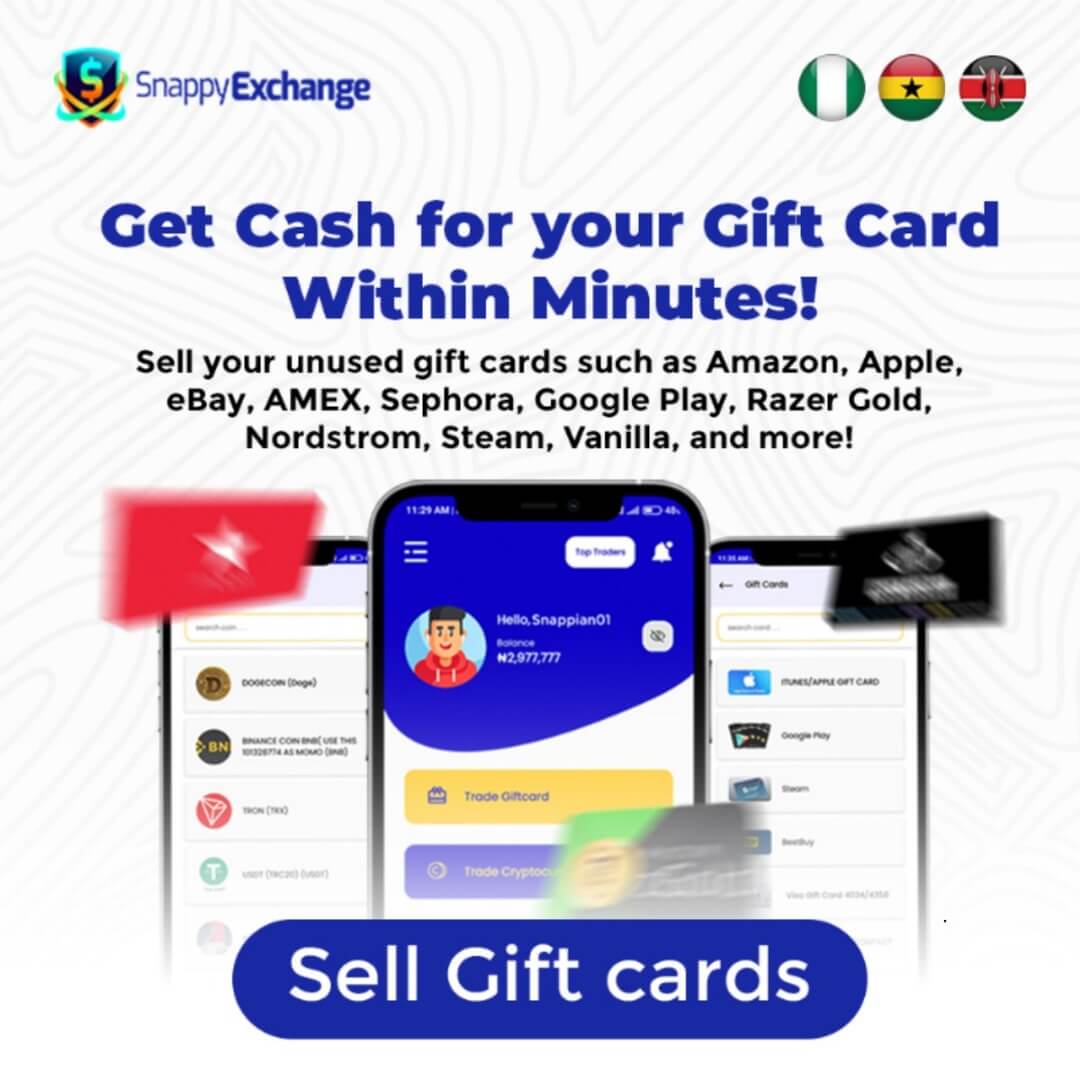
- Selling on marketplaces: Several reputable online platforms specialize in buying and selling unwanted gift cards, such as CardCash, Raise, and GiftCash. These sites typically offer you a percentage of the card’s value (e.g., 70-90%), allowing you to convert the store credit into liquid cash.
- Understanding the discount: While you won’t get the full face value, converting an unwanted card into cash you can use anywhere is often a better financial move than letting the card go unused or expire. Compare offers across different platforms to get the best rate.
Protecting Your Gift Card Investments
Treat gift cards with the same care you would cash or a debit card. Once lost, they are often difficult, if not impossible, to replace.
- Treating them like cash: Keep them in a secure place. For digital gift cards, safeguard the email or digital access link.
- Keeping receipts, recording card numbers: If possible, keep the original purchase receipt. Even better, make a habit of photographing the front and back of physical gift cards immediately after receiving them. This record includes the card number and PIN, which can be invaluable if the card is lost, stolen, or if you need to dispute a balance discrepancy with the merchant. This simple step can often be the difference between recovering your funds and losing them permanently.
By understanding how to check balances, navigate potential issues, and strategically manage your gift cards, you transform them from mere gifts into valuable components of your personal financial strategy, ensuring every dollar of prepaid value is utilized to its fullest potential.
aViewFromTheCave is a participant in the Amazon Services LLC Associates Program, an affiliate advertising program designed to provide a means for sites to earn advertising fees by advertising and linking to Amazon.com. Amazon, the Amazon logo, AmazonSupply, and the AmazonSupply logo are trademarks of Amazon.com, Inc. or its affiliates. As an Amazon Associate we earn affiliate commissions from qualifying purchases.