
The question “how much money does Microsoft have?” might seem straightforward, but its answer is multifaceted, diving deep into the intricate world of corporate finance. For a behemoth like Microsoft, “money” isn’t just the cash sitting in a bank account; it encompasses a vast array of financial metrics, from staggering revenues and profits to enormous market capitalization and strategic investments. Understanding the true extent of Microsoft’s financial power requires a look beyond simple cash reserves, exploring its income statements, balance sheets, and overall financial strategy that underpins its status as one of the world’s most valuable companies.
Microsoft’s financial narrative is a testament to its enduring innovation, strategic market dominance, and meticulous financial management. As a publicly traded company, its financial health is constantly scrutinized by investors, analysts, and competitors alike. This article will unravel the layers of Microsoft’s financial empire, providing a comprehensive understanding of what it means for a company of its magnitude to “have money” and the strategic implications of its colossal financial strength.
Deconstructing “Money”: A Corporate Financial Perspective
To truly grasp the financial might of a corporation like Microsoft, we must first redefine what “money” means in this context. It’s far more complex than a personal checking account balance; it involves a sophisticated interplay of assets, liabilities, equity, revenues, and profits.
Beyond Cash: Understanding Total Assets and Market Capitalization
While cash and cash equivalents are crucial for day-to-day operations and short-term liquidity, they represent only a fraction of a company’s financial value. For Microsoft, its “money” is tied up in a multitude of assets. Total assets on its balance sheet include not only cash but also marketable securities, property, plant, and equipment (like data centers and office buildings), intangible assets (patents, brand value), and goodwill from acquisitions. These assets collectively represent the economic resources owned by the company, which can be used to generate future economic benefits. Microsoft’s balance sheet typically shows hundreds of billions of dollars in total assets, reflecting its expansive global infrastructure and intellectual property portfolio.
Perhaps an even more telling indicator of Microsoft’s “money” in the eyes of the public and investors is its market capitalization. This figure is calculated by multiplying the current share price by the total number of outstanding shares. Market capitalization represents the total dollar value of all of a company’s outstanding shares, effectively what the market believes the company is worth. Microsoft consistently ranks among the top companies globally by market cap, often fluctuating above the two-trillion-dollar mark. This valuation is a dynamic reflection of investor confidence in its future earnings, growth prospects, and overall market position. While not “money in the bank,” market cap signifies the immense wealth held by its shareholders and the company’s perceived value in the global economy.
The Flow of Wealth: Revenue vs. Profit
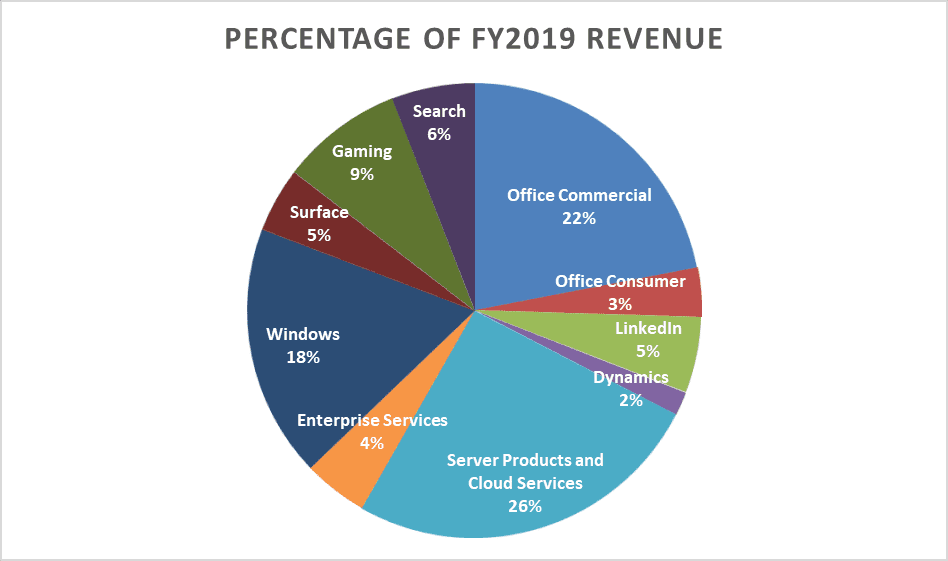
Understanding how a company generates and retains its wealth requires distinguishing between revenue and profit. Revenue, also known as sales, is the total amount of money a company brings in from its primary business activities before any expenses are deducted. For Microsoft, this includes sales from its cloud services (Azure), Windows operating system, Office productivity suite, Xbox gaming, LinkedIn, and Surface devices, among others. Its annual revenue consistently reaches hundreds of billions of dollars, making it one of the largest corporations by top-line growth.
However, high revenue doesn’t automatically equate to immense wealth if the costs of generating that revenue are equally high. Profit (or net income) is what’s left after all expenses – including the cost of goods sold, operating expenses, interest, and taxes – have been subtracted from revenue. Profit is the true measure of a company’s financial success and its ability to generate sustainable wealth for its shareholders. Microsoft’s profitability is legendary, demonstrating highly efficient operations and strong pricing power across its diverse product portfolio. The company typically reports tens of billions of dollars in net income each quarter and well over a hundred billion annually, illustrating its robust financial health and its capacity to reinvest, pay dividends, and accumulate reserves. This profit is the ultimate source of the “money” that allows Microsoft to fund its ambitious projects, make strategic acquisitions, and maintain a formidable cash pile.
Microsoft’s Financial Behemoth: Key Metrics and Milestones
Microsoft’s journey from a pioneering software company to a diversified tech giant is mirrored in its financial statements. Its consistent ability to generate massive revenues and profits has established it as a financial powerhouse.
Revenue Streams: The Pillars of Microsoft’s Financial Might
Microsoft’s financial strength is built upon a diversified and strategically optimized portfolio of products and services, each contributing substantially to its overall revenue. The company has skillfully transitioned from a largely software-centric model to one dominated by recurring subscription revenues and cloud services.
The primary revenue drivers include:
- Intelligent Cloud: This segment, anchored by Azure, Microsoft’s cloud computing platform, is often its fastest-growing and most profitable. Azure competes directly with AWS and Google Cloud, providing computing power, storage, networking, analytics, and more to businesses worldwide. The subscription-based nature of cloud services provides predictable and scalable revenue.
- Productivity and Business Processes: This segment encompasses the ubiquitous Microsoft Office suite (Word, Excel, PowerPoint), now primarily delivered through Microsoft 365 subscriptions, along with LinkedIn (professional networking platform) and Dynamics 365 (enterprise resource planning and customer relationship management solutions). The shift to a subscription model for Office has been a massive financial success, ensuring continuous revenue streams from its vast user base.
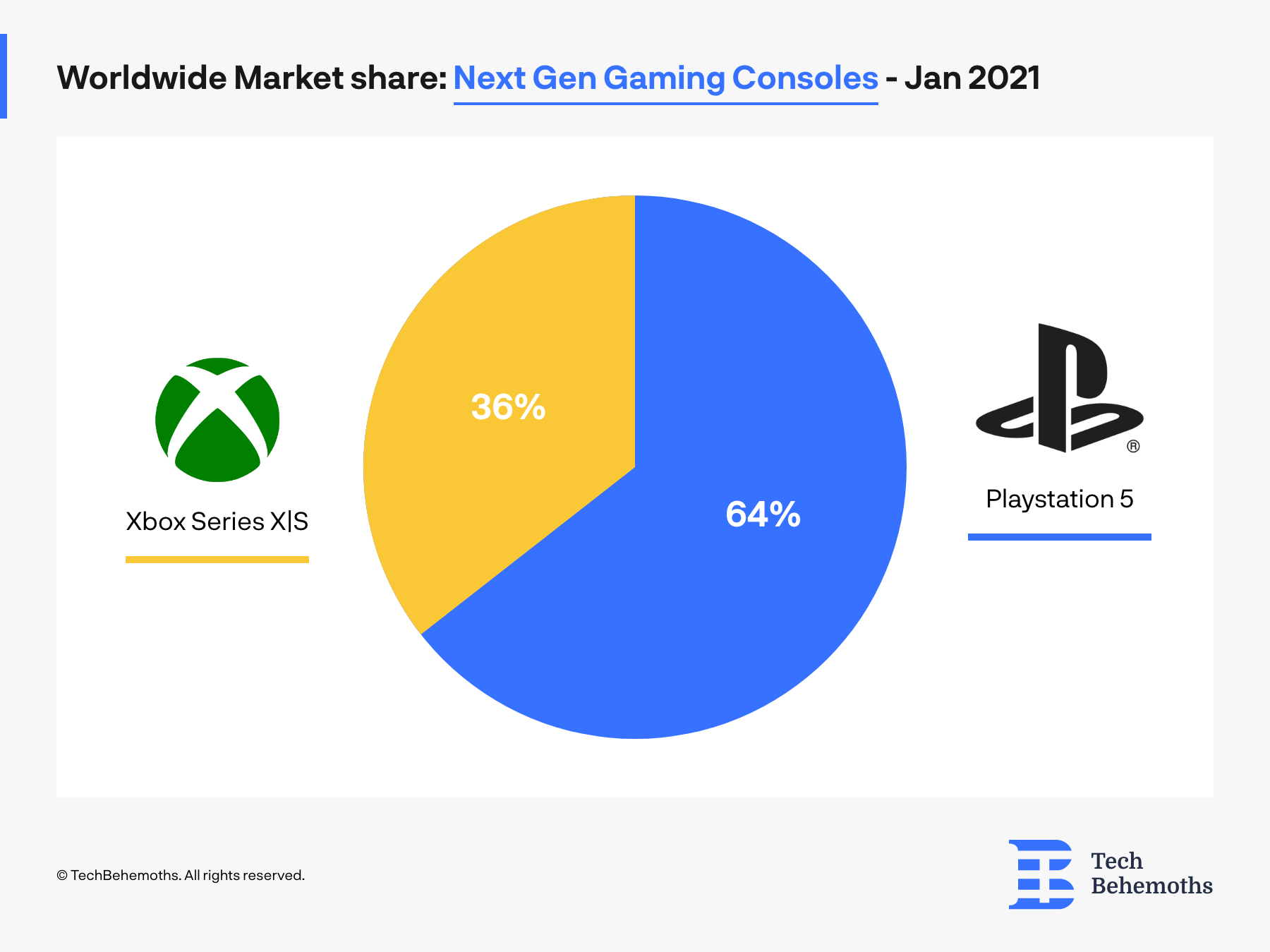
- More Personal Computing: This segment includes Windows licenses, Surface devices, Xbox gaming consoles and services, and search advertising revenue (Bing). While Windows and Xbox remain iconic, this segment represents a mix of established products and growth areas within the consumer market.
These distinct yet interconnected segments collectively generate hundreds of billions of dollars in annual revenue, showcasing Microsoft’s ability to innovate, adapt, and monetize across various technological landscapes.
Profitability and Cash Reserves: Fueling Innovation and Growth
Microsoft’s financial prowess isn’t just about collecting money; it’s about efficient operations that convert a substantial portion of that revenue into profit. The company’s net income frequently reaches tens of billions of dollars quarterly, demonstrating exceptional operating leverage and cost management. This high profitability directly contributes to its formidable cash and cash equivalents on its balance sheet, which typically stand in the hundreds of billions. This vast pool of readily available funds provides Microsoft with unparalleled strategic flexibility.
These cash reserves are not merely idle; they are critical for several key financial activities:
- Funding Research and Development (R&D): Microsoft invests heavily in R&D, pouring billions into artificial intelligence, quantum computing, cloud infrastructure, and new product development. This sustained investment is crucial for maintaining its competitive edge and driving future growth.
- Strategic Acquisitions: A significant portion of Microsoft’s growth strategy involves acquiring companies that complement its existing businesses or open new market opportunities. Major acquisitions like LinkedIn, Nuance Communications, and potentially Activision Blizzard (though facing regulatory hurdles) demonstrate its willingness and ability to deploy vast sums to expand its ecosystem and capabilities.
- Shareholder Returns: A healthy cash position allows Microsoft to reward its shareholders through dividends and share buyback programs. These actions reduce the number of outstanding shares, boosting earnings per share and reflecting confidence in the company’s financial future.
Shareholder Value: Dividends, Buybacks, and Market Valuation
Microsoft has a long-standing commitment to returning capital to its shareholders. Its consistent dividend payments make it an attractive stock for income-focused investors, demonstrating stability and a mature financial profile. Additionally, its robust share repurchase programs, often in the tens of billions of dollars annually, signal that management believes its stock is undervalued and aims to enhance shareholder value by reducing the share count.
The culmination of strong revenues, high profitability, strategic investments, and shareholder-friendly policies is reflected in Microsoft’s market valuation. Its consistent position as one of the world’s most valuable public companies underscores investor confidence in its business model, leadership, and long-term growth prospects. This immense valuation makes it a bellwether for the tech industry and a significant component of major stock market indices.
Strategic Financial Management: Navigating a Trillion-Dollar Enterprise

Managing the finances of a company with Microsoft’s scale is a complex undertaking, requiring sophisticated strategies in investment, debt, and risk management. It’s about optimizing capital structure to support growth while ensuring financial stability.
Investment Strategies: Acquisitions and R&D
Microsoft’s financial strength enables aggressive and transformative investment strategies. The company views its vast cash reserves not just as a safety net, but as strategic capital to fuel future innovation and market expansion. Billions are channeled annually into research and development (R&D) across a broad spectrum of emerging technologies. This includes cutting-edge AI research, advancements in quantum computing, significant enhancements to its Azure cloud infrastructure, and the development of next-generation hardware and software platforms. This sustained R&D investment is paramount to maintaining its competitive edge and driving organic growth.
Beyond internal innovation, strategic acquisitions are a cornerstone of Microsoft’s growth strategy. The ability to deploy tens of billions of dollars allows it to acquire companies that either fill critical gaps in its product portfolio, bring new technologies in-house, or expand its reach into new markets. Recent examples like Nuance Communications (AI and healthcare) and the proposed acquisition of Activision Blizzard (gaming) highlight its willingness to use its financial muscle to consolidate market positions and diversify its offerings. These investments are meticulously evaluated for their potential to generate long-term value and strategic alignment with Microsoft’s broader vision.
Debt Management and Capital Structure
Despite its immense cash holdings, Microsoft also utilizes debt as part of its sophisticated capital structure. Issuing corporate bonds at favorable interest rates allows the company to fund certain operations, acquisitions, or share repurchases without depleting its readily available cash. This can be a financially savvy move, as the cost of debt can often be lower than the potential returns from investing its cash reserves elsewhere.
Microsoft typically maintains a strong credit rating, allowing it to borrow at very low rates. Its capital structure is carefully managed to optimize the balance between equity (shareholder ownership) and debt, aiming to minimize the overall cost of capital while providing financial flexibility. The company’s low debt-to-equity ratio, relative to its scale, underscores its conservative financial approach, ensuring that its debt load remains manageable even during economic downturns. This prudent approach to debt management further reinforces its financial stability and investor confidence.
Corporate Treasury and Risk Mitigation
At the heart of Microsoft’s day-to-day financial operations is its sophisticated corporate treasury function. This department is responsible for managing the company’s vast cash flows, foreign exchange risk, interest rate risk, and investment portfolios. Given Microsoft’s global presence, it deals with transactions in numerous currencies, making robust foreign exchange hedging strategies crucial to protect its earnings from currency fluctuations.
Furthermore, treasury actively manages the investment of Microsoft’s cash reserves, seeking to generate returns while preserving capital. This involves investing in a diversified portfolio of marketable securities. Risk mitigation extends beyond financial markets to operational and compliance risks. Microsoft invests significantly in cybersecurity, data privacy, and regulatory compliance to protect its assets, intellectual property, and customer data, all of which are critical financial and reputational assets. The sheer scale of its financial operations necessitates world-class risk management frameworks to safeguard its colossal wealth and ensure long-term stability.
The Broader Economic Impact of Microsoft’s Financial Strength
Microsoft’s financial might extends far beyond its balance sheet, rippling through global economies and influencing technological progress. Its wealth isn’t just an internal metric; it’s a driver of broader economic activity and innovation.
Economic Contribution: Job Creation and Supply Chains
With operations spanning the globe, Microsoft is a massive employer, directly providing high-paying jobs to hundreds of thousands of individuals worldwide. These jobs range from software engineers and data scientists to sales professionals and administrative staff. Beyond direct employment, Microsoft’s extensive supply chain creates countless indirect jobs across various industries, including manufacturing, logistics, and professional services. From the fabrication of components for Surface devices and Xbox consoles to the construction and maintenance of its vast data centers, Microsoft’s expenditures fuel economic activity and support numerous businesses, large and small. Its investments in infrastructure, particularly in data centers for Azure, represent significant capital injections into local economies, creating construction jobs and boosting regional technology ecosystems.
Influence on Global Markets and Investment Trends
As a trillion-dollar company, Microsoft’s actions have a profound influence on global financial markets. Its quarterly earnings reports are keenly watched events that can move entire market sectors and even broader indices. Its substantial R&D investments and strategic acquisitions often set trends within the technology industry, signaling shifts in focus towards areas like AI, cloud computing, or specific software solutions. When Microsoft invests heavily in a particular technology or acquires a company, it often validates that segment, attracting further investment from venture capitalists and other corporations, thereby shaping the future direction of technology and innovation. Its large-scale capital deployments can also influence foreign direct investment flows and technological development in countries where it establishes significant operations.
Philanthropy and Social Responsibility from Financial Abundance
Microsoft’s vast financial resources also enable it to be a significant contributor to philanthropy and social responsibility initiatives. Through the Microsoft Philanthropies division, the company donates billions in cash, technology, and employee time to non-profit organizations globally. These efforts focus on areas such as empowering communities, accelerating environmental sustainability, advancing digital inclusion, and supporting humanitarian responses. The scale of its financial abundance allows Microsoft to tackle complex global challenges, investing in educational programs, sustainable technology solutions, and access to technology for underserved populations. This commitment to corporate social responsibility is not just altruistic; it also enhances brand reputation and fosters a positive relationship with communities and stakeholders worldwide, further reinforcing its long-term financial and social license to operate.
What Microsoft’s Financial Power Means for the Future
Microsoft’s financial position is not merely a reflection of its past successes but a powerful determinant of its future trajectory. Its extraordinary wealth provides it with unmatched resilience and flexibility in an ever-evolving technological landscape.
Sustaining Innovation and Market Leadership
The sheer volume of “money” at Microsoft’s disposal means it can continue to invest aggressively in innovation at a scale few companies can match. This guarantees its ability to stay at the forefront of technological advancements, from further developing its AI capabilities and expanding its cloud infrastructure to exploring entirely new computing paradigms like quantum computing. This consistent investment is critical for maintaining its market leadership across multiple segments, ensuring its products and services remain competitive and relevant. Whether through internal R&D or strategic acquisitions, Microsoft has the financial muscle to shape future technologies and dominate emerging markets, insulating it from competitive pressures that might cripple less capitalized companies.
Navigating Economic Headwinds and Opportunities
In times of economic uncertainty or market volatility, Microsoft’s robust financial health provides a significant buffer. Its vast cash reserves and strong profitability allow it to weather economic downturns more effectively than many peers, maintaining R&D spending and workforce stability even when others cut back. This resilience positions it to emerge stronger from challenging periods, often by making strategic investments or acquisitions when valuations are more favorable. Furthermore, its financial flexibility allows it to swiftly capitalize on new opportunities, whether through rapid deployment of new technologies, expansion into underserved markets, or swift responses to evolving consumer demands. The question of “how much money does Microsoft have” is ultimately a question about its enduring power, its capacity for sustained growth, and its ongoing influence on the global economy and technological progress for decades to come.
aViewFromTheCave is a participant in the Amazon Services LLC Associates Program, an affiliate advertising program designed to provide a means for sites to earn advertising fees by advertising and linking to Amazon.com. Amazon, the Amazon logo, AmazonSupply, and the AmazonSupply logo are trademarks of Amazon.com, Inc. or its affiliates. As an Amazon Associate we earn affiliate commissions from qualifying purchases.