
In the vast ecosystem of global commerce, few entities command as much attention and curiosity regarding their financial prowess as Google. Or, more accurately, its parent company, Alphabet Inc. The question “how much money does Google make?” isn’t merely a casual inquiry; it’s a dive into the heart of one of the world’s most valuable and influential corporations, revealing the colossal scale of its operations, its diverse revenue streams, and its profound impact on the global economy. Understanding Google’s financial performance provides critical insights into the dynamics of digital advertising, cloud computing, and pioneering technological ventures, making it a cornerstone topic for anyone interested in business finance, investment, and the mechanics of generating unprecedented wealth in the digital age.
Understanding Alphabet’s Financial Powerhouse
To truly grasp the financial magnitude of “Google,” one must first understand the corporate structure behind the beloved search engine and myriad other products. In 2015, Google underwent a significant restructuring, emerging as a subsidiary under the newly formed holding company, Alphabet Inc. This strategic move aimed to provide greater transparency into the performance of Google’s core businesses while allowing emerging ventures, often dubbed “Other Bets,” to operate with more autonomy.
The Corporate Structure: Alphabet Inc.
Alphabet Inc. is the umbrella organization that houses Google and all its related ventures. Google itself encompasses the search engine, advertising platforms (Google Ads, AdSense), Android, Chrome, YouTube, Google Maps, Google Play, and its hardware division (Pixel, Nest, Fitbit). The “Other Bets” segment includes ambitious projects like Waymo (self-driving cars), Verily (life sciences), Calico (biotechnology), and Fiber (internet services). While Google remains the primary revenue engine, Alphabet’s structure allows for diversified investment and innovation, providing a clearer financial picture for investors and analysts alike. This segmentation is crucial for understanding where the money comes from and where strategic capital is being deployed.
A Look at Top-Line Revenue
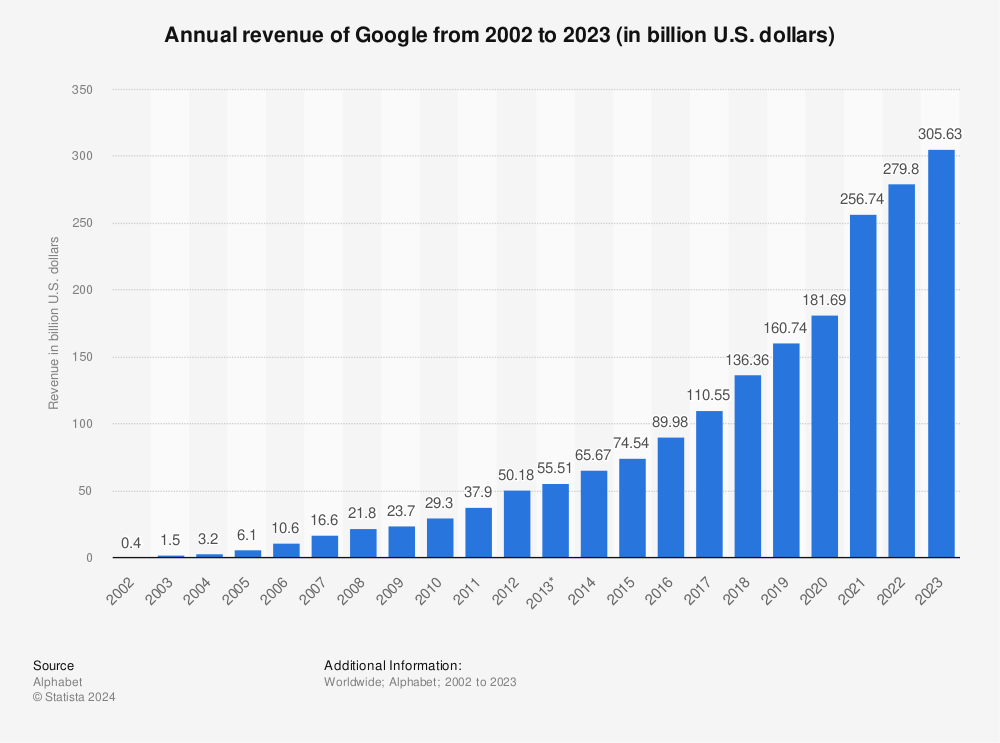
Alphabet Inc. consistently reports staggering top-line revenues, placing it among the highest-earning companies globally. These figures are not just large; they represent an economic force that few corporations can rival. The revenue generated by Alphabet is typically in the hundreds of billions of dollars annually, growing year over year, albeit with varying rates depending on global economic conditions, technological shifts, and competitive pressures. For instance, in recent fiscal years, Alphabet’s annual revenue has often surpassed the $250 billion mark, with quarterly reports consistently demonstrating robust performance. These massive figures are a testament to the sheer scale and pervasiveness of Google’s products and services in daily life and business operations worldwide. Dissecting these numbers requires looking beyond the headline figure to understand the underlying drivers.
Key Revenue Streams Driving Google’s Billions
Google’s financial success is built upon a foundation of multiple, robust revenue streams, with advertising historically leading the charge, but newer segments rapidly gaining ground. Diversification has been a strategic imperative, safeguarding the company against over-reliance on any single market.
Advertising Dominance: Search & YouTube
The lion’s share of Google’s revenue, traditionally, comes from advertising. This segment is primarily driven by:
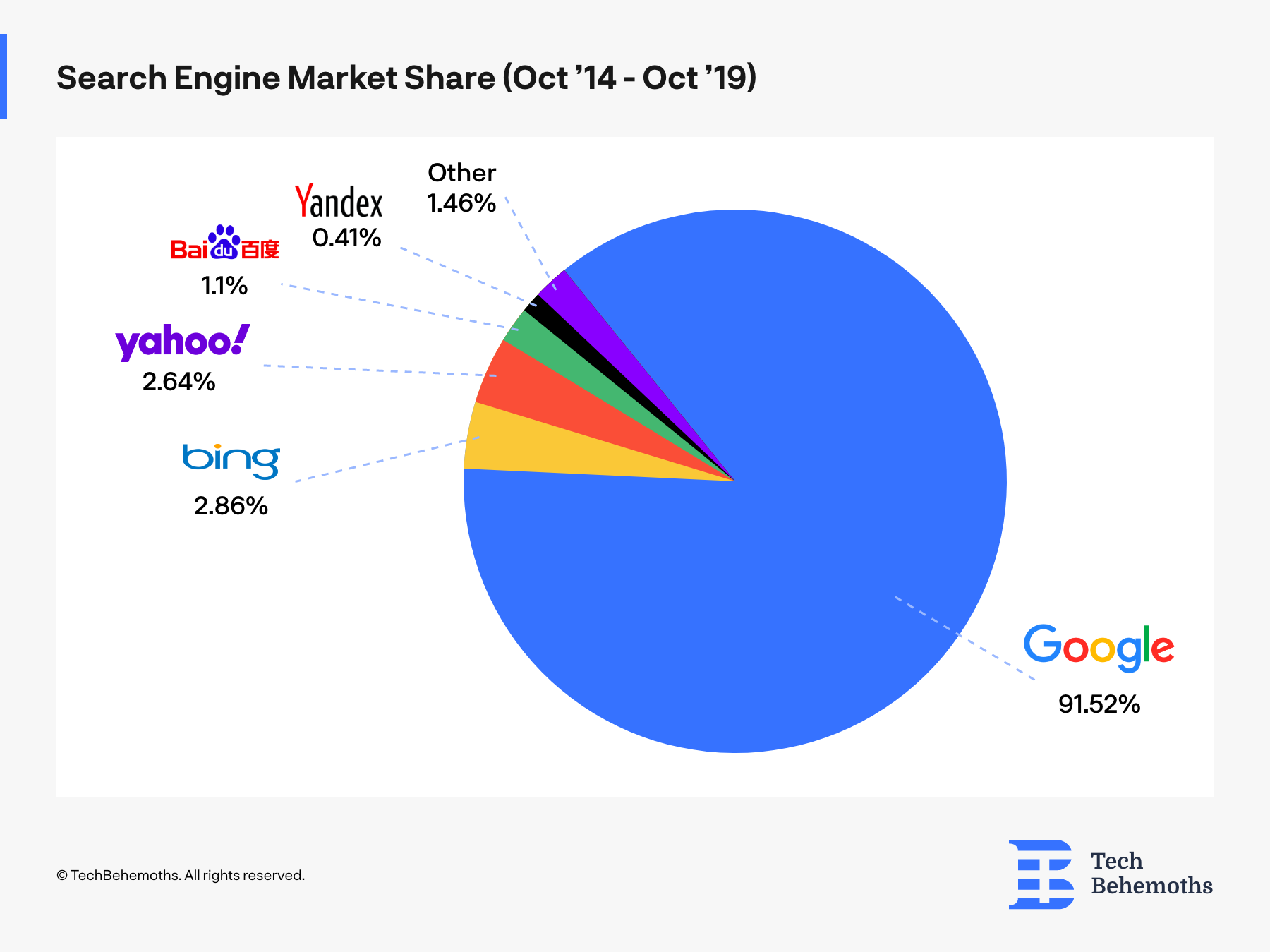
- Google Search & Other: This encompasses the money generated through ads displayed on Google Search results, Maps, and other Google-owned properties. Businesses bid on keywords to show their ads to users actively searching for products or services. This highly targeted advertising model is incredibly effective and remains a cash cow due due to Google’s unparalleled market share in search.
- YouTube Ads: As the world’s largest video-sharing platform, YouTube generates substantial advertising revenue by displaying ads before, during, and after videos, as well as banner ads. The vast global audience and increasing consumption of video content make YouTube a powerful platform for advertisers seeking to reach diverse demographics.
Collectively, advertising segments often account for over 80% of Alphabet’s total revenue, highlighting their critical importance to the company’s financial health. The effectiveness and reach of Google’s ad platforms are unmatched, allowing it to capture a significant portion of the global digital advertising spend.
Google Cloud’s Rapid Ascent
While advertising remains dominant, Google Cloud has emerged as a crucial growth engine and a significant contributor to Alphabet’s revenue. Google Cloud Platform (GCP) provides cloud computing services to businesses, including infrastructure, platform services, and industry-specific solutions. Competing directly with Amazon Web Services (AWS) and Microsoft Azure, GCP has been steadily gaining market share, driven by its robust technology, AI capabilities, and strategic investments. Although still operating at lower profit margins than the advertising business, the accelerating revenue from Google Cloud is vital for Alphabet’s long-term growth strategy, positioning the company at the forefront of the enterprise digital transformation. Its growth signifies a successful diversification beyond advertising and into the high-growth, high-value enterprise software market.
Other Bets and Emerging Ventures
The “Other Bets” segment, while not yet a significant revenue contributor compared to Google’s core businesses, represents Alphabet’s investment in future technologies and markets. Projects like Waymo, Verily, Calico, and Fiber, among others, are often in early stages of commercialization or even pre-revenue. They typically generate minimal income but incur substantial research and development costs. However, these ventures are critical for Alphabet’s long-term innovation strategy and could potentially unlock new multi-billion dollar markets in the future. Their financial impact, currently more on the expense side, is a testament to Alphabet’s commitment to long-term vision over immediate profit maximization across all segments.
Decoding Profitability and Financial Health

Beyond revenue, understanding Google’s profitability and overall financial health offers a deeper insight into its operational efficiency and market strength. High revenue is impressive, but sustainable profit is the ultimate measure of a company’s financial success.
Operating Income and Net Profit Margins
Alphabet consistently reports strong operating income and healthy net profit margins. Operating income reflects the profit a company makes from its core business operations before interest and taxes. For Alphabet, this figure is substantial, demonstrating the highly profitable nature of its advertising business particularly. Net profit, or the bottom line, is what remains after all expenses, including taxes, are deducted. Alphabet’s net profits are typically in the tens of billions of dollars annually, showcasing its ability to convert its massive revenue into significant earnings. These robust profit margins allow the company to reinvest heavily in R&D, make strategic acquisitions, and return capital to shareholders. The company’s scale and operational efficiencies in its core services contribute significantly to these impressive profit figures.
The Role of Costs and Investments
Maintaining its market leadership and pursuing ambitious “Other Bets” requires continuous, substantial investment. Alphabet’s costs include:
- Traffic Acquisition Costs (TAC): Payments made to distribution partners and network members for placing ads on their properties. This is a significant cost, especially for the advertising business.
- Research and Development (R&D): Enormous investments in AI, quantum computing, new hardware, and future technologies across all segments, including “Other Bets.”
- Sales and Marketing: Promoting products and services globally.
- General and Administrative (G&A): Overhead costs associated with managing a company of this size.
- Capital Expenditures: Investments in data centers, servers, and other infrastructure vital for supporting its cloud and advertising businesses.
Managing these vast expenditures efficiently while continuing to innovate is a complex financial balancing act that Alphabet has mastered, enabling it to sustain high levels of profitability even amidst significant investment.
Why Google’s Financial Performance Matters
The financial performance of Alphabet Inc. is not just a matter for its shareholders and executives; it has far-reaching implications across global markets, technological innovation, and economic policy.
Market Influence and Investor Confidence
As one of the world’s largest companies by market capitalization, Alphabet’s financial results can move markets. Strong earnings reports often boost investor confidence not just in Alphabet itself but also across the broader tech sector, signaling health and growth potential. Conversely, weaker-than-expected results can trigger market corrections. Its financial health serves as a barometer for the digital economy, influencing investment decisions, strategic partnerships, and even the valuation of other companies reliant on its platforms. Major institutional investors, pension funds, and individual investors hold Alphabet stock, making its financial stability a critical component of global investment portfolios.
Impact on Innovation and Growth
The massive financial resources at Alphabet’s disposal enable unparalleled investment in research and development. This continuous funding fuels innovation in artificial intelligence, quantum computing, autonomous vehicles, life sciences, and many other cutting-edge fields. These innovations not only secure Google’s future but also have the potential to drive advancements that benefit society as a whole, creating new industries and solving complex global challenges. The ability to absorb multi-billion dollar R&D costs for projects that might not yield immediate returns is a luxury few companies possess, and it’s directly attributable to its robust financial engine.
Looking Ahead: Future Financial Trajectories
The digital landscape is ever-evolving, and so too are the financial strategies and prospects for a company like Alphabet. Navigating future economic conditions and technological shifts will be key to its continued financial dominance.
Navigating Economic Headwinds and Opportunities
Alphabet’s revenue growth is closely tied to global economic conditions, particularly the health of the advertising market. Economic downturns can lead to reduced ad spending, impacting Google’s primary revenue stream. However, the company is also well-positioned to capitalize on opportunities such as the accelerated digital transformation of businesses, the proliferation of AI, and the increasing global smartphone penetration. Diversification into cloud computing and hardware provides some resilience against fluctuations in the advertising market. Vigilant financial management, agile market strategies, and a focus on cost efficiency will be crucial in mitigating risks and seizing new opportunities.
Strategic Investments for Continued Dominance
To maintain its financial trajectory, Alphabet will continue to make strategic investments. This includes bolstering its AI capabilities across all products, expanding its global cloud infrastructure, developing new hardware innovations, and exploring strategic acquisitions that complement its core businesses or open new market segments. The ongoing shift towards privacy-centric advertising, regulatory scrutiny, and increasing competition in various sectors will also shape its financial future. However, with its formidable financial reserves and a proven track record of innovation, Google (Alphabet) is poised to continue being one of the most profitable and influential companies in the world for the foreseeable future, making its financial journey a topic of enduring interest for finance professionals, investors, and the general public alike.
aViewFromTheCave is a participant in the Amazon Services LLC Associates Program, an affiliate advertising program designed to provide a means for sites to earn advertising fees by advertising and linking to Amazon.com. Amazon, the Amazon logo, AmazonSupply, and the AmazonSupply logo are trademarks of Amazon.com, Inc. or its affiliates. As an Amazon Associate we earn affiliate commissions from qualifying purchases.