
Navigating the landscape of retirement and supplemental income while receiving Social Security benefits can be a complex but ultimately rewarding endeavor. Understanding the rules and limitations surrounding earned income is crucial to ensure you maximize your financial well-being without jeopardizing your benefits. This guide delves into the intricacies of earning money while on Social Security, offering insights into the rules, potential income streams, and strategies for a financially secure retirement.
Understanding Social Security Earnings Limits
The Social Security Administration (SSA) has specific rules regarding how much income you can earn before your benefits are affected. These rules are designed to encourage individuals to continue working if they are able, while still providing a safety net for those who rely on Social Security as their primary income. It’s essential to grasp these limits as they directly impact your monthly benefit amount.
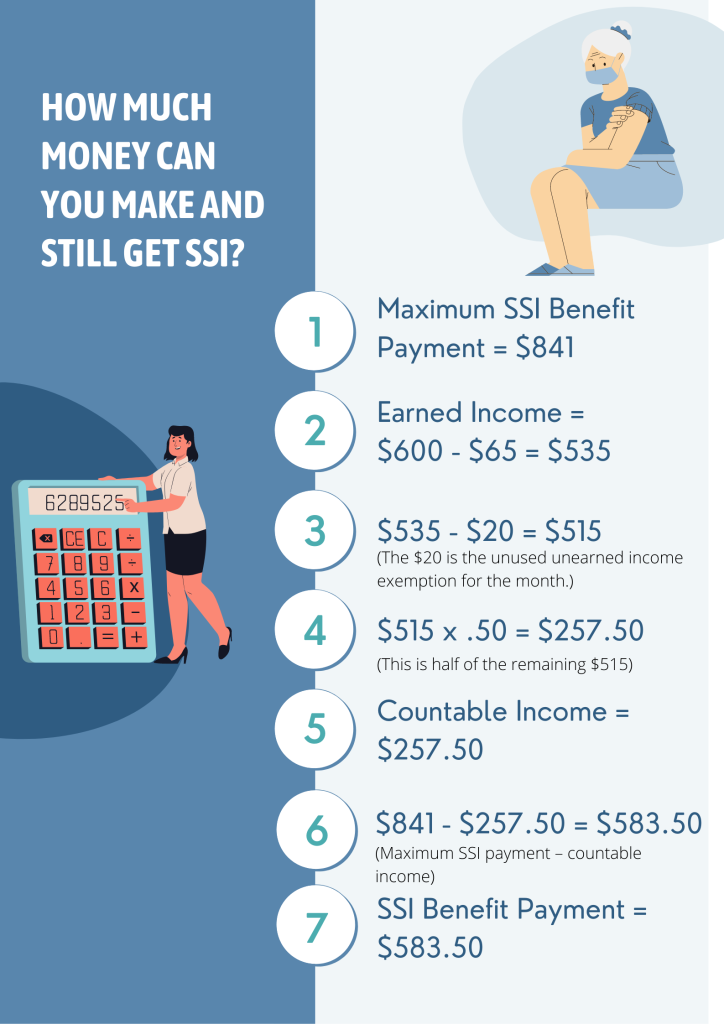
The Full Retirement Age (FRA) and Its Impact
Your Full Retirement Age (FRA) is a pivotal factor in determining how your earned income affects your Social Security benefits. The FRA is the age at which you are eligible to receive your full retirement benefit amount. This age varies depending on your birth year.
- Before FRA: If you are still working and receiving benefits before reaching your FRA, the SSA applies an earnings limit. For every dollar you earn above this limit, a portion of your Social Security benefit is withheld. This withholding is not a permanent reduction; rather, it’s a temporary adjustment. Once you reach your FRA, the earnings limit is removed, and you can earn any amount without affecting your benefits.
- At or After FRA: Once you have reached your FRA, there is no limit on how much you can earn from work. Your Social Security retirement benefits will not be reduced, regardless of your earnings. This is a significant incentive for individuals to continue working if they desire and are able, knowing their benefits will remain intact.
The Earnings Limit: What it is and How it Works
The specific earnings limit changes annually. For 2023, the limit for those under FRA was $21,240. For every $2 earned above this amount, $1 was deducted from your Social Security benefits. In the year you reach FRA, a different, higher limit applies. For 2023, this was $56,520. For every $3 earned above this amount, $1 was deducted from your benefits. However, this monthly limit only applies to the months before you reach FRA. Once you reach FRA, the earnings limit is completely removed for the rest of your life.
It’s important to note that “earned income” typically refers to wages from employment or net earnings from self-employment. Certain types of income, such as pensions, annuities, investment income, and interest, are generally not counted towards the earnings limit.
When Benefits are Re-Calculated
While benefits may be temporarily withheld due to exceeding the earnings limit before FRA, these withheld amounts are not lost forever. Once you reach your FRA, your monthly benefit amount is recalculated to account for the benefits that were withheld. This means you will eventually receive the full amount you were entitled to, spread out over time. Furthermore, the SSA will also adjust your benefit calculation to reflect the additional earnings credited to your Social Security record, which could potentially increase your future benefit amount.
Strategies for Generating Income While on Social Security
Knowing the rules is the first step; the next is to identify viable and enjoyable ways to supplement your Social Security income. The key is to find opportunities that align with your skills, interests, and physical capabilities, while also respecting the SSA’s earnings limits if you are below FRA.
Part-Time Employment and Consulting
Many retirees find part-time employment to be an excellent way to earn extra money. This could involve returning to a previous field in a reduced capacity, taking on a role in a new industry, or pursuing seasonal work. The flexibility of part-time work allows you to control your hours and income to stay within the Social Security earnings limits.
- Leveraging Past Experience: Your years of professional experience are a valuable asset. Consider consulting in your former industry. Many businesses seek the expertise of seasoned professionals for specific projects or advisory roles. This can be done on a contract basis, offering significant flexibility.
- Exploring New Fields: Retirement can also be an opportunity to explore new career paths or industries that have always interested you. Look for roles that are less physically demanding or offer flexible schedules, such as administrative support, customer service, or tutoring.
- Seasonal Opportunities: Many industries, like retail, hospitality, and tourism, offer seasonal work that can provide a nice income boost during peak times. This is a great way to earn money without a long-term commitment.

Leveraging Skills for Online Income
The digital age has opened up a world of opportunities for earning income from the comfort of your home. Online platforms and digital tools make it easier than ever to monetize your skills and hobbies.
- Freelancing and Gig Work: Platforms like Upwork, Fiverr, and Toptal connect freelancers with clients seeking a wide range of services, including writing, editing, graphic design, web development, virtual assistance, and social media management. If you have a marketable skill, freelancing can offer substantial flexibility and income potential.
- Online Tutoring and Teaching: Share your knowledge by tutoring students online in subjects you are proficient in. Many platforms connect tutors with students of all ages. You can also create and sell online courses on platforms like Udemy or Teachable, turning your expertise into a passive income stream.
- Content Creation: If you have a passion for a particular topic, consider becoming a content creator. This could involve blogging, starting a YouTube channel, or creating a podcast. While it may take time to generate significant income, it can be a fulfilling way to share your interests and potentially earn through advertising, sponsorships, or affiliate marketing.
- Selling Crafts or Products Online: If you are crafty or have a knack for creating physical products, online marketplaces like Etsy are ideal for selling your creations. This can range from handmade jewelry and art to baked goods and custom-made items.
Passive Income Streams and Investments
While not directly earned income in the traditional sense, passive income streams can significantly supplement your Social Security benefits without impacting the earnings limit. These methods require upfront investment of time or money but can generate income with minimal ongoing effort.
- Rental Properties: Owning and renting out real estate can provide a steady stream of passive income. This could involve long-term rentals or short-term vacation rentals.
- Dividend-Paying Stocks and Bonds: Investing in stocks that pay dividends or bonds that generate interest can provide regular income. It’s important to conduct thorough research or consult with a financial advisor to build a diversified portfolio that aligns with your risk tolerance.
- Royalties from Intellectual Property: If you have created intellectual property, such as books, music, or patents, you can earn royalties from its use.
- Affiliate Marketing: This involves partnering with businesses and promoting their products or services on your website or social media. You earn a commission for every sale made through your unique affiliate link.
Financial Planning and Maximizing Your Retirement Income
Successfully earning money while on Social Security involves more than just finding opportunities; it requires careful financial planning and a strategic approach to managing your overall retirement income.
Budgeting and Tracking Your Income
A solid budget is the cornerstone of any sound financial plan, especially during retirement. Tracking your income and expenses allows you to see where your money is going, identify areas where you can save, and ensure you are staying within any applicable Social Security earnings limits.
- Create a Detailed Budget: Outline all your income sources, including Social Security benefits, pensions, investments, and any earned income. Then, list all your expenses, categorizing them into essential (housing, food, healthcare) and discretionary (entertainment, travel).
- Regularly Review and Adjust: Your financial needs and income streams may change over time. Make it a habit to review your budget monthly or quarterly and make adjustments as needed. This ensures your budget remains a relevant and effective tool.
- Utilize Financial Tools: Numerous budgeting apps and software programs can simplify the process of tracking your finances. These tools can help you categorize expenses, set spending limits, and provide visual representations of your financial health.
Maximizing Your Social Security Benefits
While the focus here is on earned income, it’s also important to ensure you are maximizing your Social Security benefits themselves. This might involve delaying claiming your benefits or understanding strategies that can increase your monthly payout.
- Delaying Benefits: If you are able to postpone claiming Social Security benefits beyond your FRA, you can significantly increase your monthly benefit amount. For every year you delay after FRA, up to age 70, you earn delayed retirement credits, which permanently increase your benefit.
- Understanding Spousal and Survivor Benefits: If you are married or have been married, you may be eligible for spousal or survivor benefits. These benefits can provide additional income and should be factored into your overall financial planning.
- Working and Earning Credits: Even if you are receiving Social Security benefits, continuing to work can earn you additional Social Security credits. These credits can potentially increase your benefit amount in the future.

Seeking Professional Financial Advice
The complexities of Social Security rules and retirement income planning can be daunting. Consulting with a qualified financial advisor can provide invaluable guidance and help you create a personalized strategy.
- Personalized Retirement Planning: A financial advisor can help you assess your current financial situation, project your future income needs, and develop a comprehensive retirement plan that incorporates your Social Security benefits, earned income, and investments.
- Navigating Social Security Rules: Advisors are knowledgeable about the latest Social Security regulations and can advise you on the most advantageous claiming strategies and how earned income will affect your specific situation.
- Investment Strategies: They can also assist in developing investment strategies to grow your assets and generate passive income, ensuring your money works for you in retirement.
By understanding the nuances of Social Security earnings limits, exploring diverse income-generating opportunities, and implementing robust financial planning strategies, you can confidently build a financially secure and fulfilling retirement. The key is proactive planning, informed decision-making, and a willingness to adapt to the evolving financial landscape.
aViewFromTheCave is a participant in the Amazon Services LLC Associates Program, an affiliate advertising program designed to provide a means for sites to earn advertising fees by advertising and linking to Amazon.com. Amazon, the Amazon logo, AmazonSupply, and the AmazonSupply logo are trademarks of Amazon.com, Inc. or its affiliates. As an Amazon Associate we earn affiliate commissions from qualifying purchases.