
The question “how much is XRP worth?” is a central inquiry for anyone considering an investment in the dynamic world of cryptocurrencies. Unlike traditional assets with established valuation models rooted in cash flow or physical collateral, the “worth” of a digital asset like XRP is a complex tapestry woven from market sentiment, technological utility, regulatory landscapes, and speculative demand. XRP, the native digital asset of the Ripple network, occupies a unique position within the crypto ecosystem, primarily aiming to facilitate fast, low-cost international payments. Understanding its value goes beyond merely checking a live price ticker; it involves delving into its fundamental purpose, its historical performance, and the myriad factors that continuously shape its market perception and potential. For investors, comprehending these nuances is paramount to making informed decisions in an inherently volatile market.
Understanding XRP’s Valuation in the Crypto Market
Gauging the true “worth” of any cryptocurrency, including XRP, requires a multifaceted approach that considers both its current market price and the underlying drivers that influence it. It’s a valuation exercise that blends economic principles with technological adoption and regulatory challenges.
Market Price vs. Intrinsic Value
At its most superficial level, the worth of XRP is reflected in its market price—the figure displayed on cryptocurrency exchanges, representing the last agreed-upon price at which a trade occurred. This price is a direct outcome of real-time supply and demand dynamics. When more people want to buy XRP than sell it, the price tends to rise, and vice-versa. This mechanism is common to all tradable assets. However, market price alone is a snapshot and can be heavily influenced by short-term speculation, news events, and broader market sentiment, often diverging from what some might consider its intrinsic value.
Defining “intrinsic value” for a cryptocurrency is inherently more challenging than for traditional equities or bonds. For a company, intrinsic value might be derived from its earnings, assets, and future growth prospects. For XRP, its intrinsic value is less about traditional cash flows and more about its utility, network effects, and potential for widespread adoption. XRP’s primary utility is its role in facilitating efficient cross-border payments through Ripple’s On-Demand Liquidity (ODL) solution. The more financial institutions and payment providers use XRP to bridge fiat currencies, the higher its intrinsic value theoretically becomes, as its demand for transactional purposes increases. This utility-driven value is often difficult to quantify precisely, leading to debates among investors and analysts.
Key Factors Influencing XRP’s Price
Several interconnected factors exert considerable influence on XRP’s market price, making its valuation a constantly moving target:
- Supply and Demand Dynamics: Like any asset, price is dictated by the balance between available supply and investor demand. XRP has a total supply cap of 100 billion tokens, with a significant portion held by Ripple Labs in escrow, released periodically. How these escrowed tokens are released and how much is in active circulation directly impacts scarcity and price. Growing demand from institutional adoption or retail interest, relative to available supply, will drive prices up.
- Overall Cryptocurrency Market Sentiment: XRP’s price is not an island. It is heavily correlated with the broader cryptocurrency market, particularly the performance of Bitcoin (BTC). A strong bull run in Bitcoin often pulls altcoins like XRP upwards, while a Bitcoin downturn typically drags the rest of the market down. Macroeconomic factors, such as inflation rates, interest rate decisions by central banks, and global economic stability, also increasingly play a role, influencing investor appetite for risk assets like crypto.
- Regulatory Developments and Legal Clarity: The regulatory environment is arguably one of the most significant external factors for XRP. The multi-year legal battle between Ripple Labs and the U.S. Securities and Exchange Commission (SEC) over whether XRP constitutes an unregistered security had a profound impact on its price, market access (with many exchanges delisting it for U.S. customers), and investor confidence. While significant legal clarity has emerged, ongoing or future regulatory actions in different jurisdictions can still sway its valuation.
- Technological Developments and Partnerships: Updates to the RippleNet technology, new partnerships with financial institutions for ODL adoption, and integrations into new payment corridors can directly boost XRP’s utility and, by extension, its perceived value. Conversely, a lack of progress or the emergence of superior competing solutions could negatively impact its long-term potential.
- Competitor Landscape: XRP operates in a competitive space, facing rivals from other cryptocurrencies (e.g., Stellar Lumens XLM, which also focuses on payments) and established traditional financial infrastructures like SWIFT. The success of these competitors or the evolution of existing systems could influence XRP’s adoption rate and market share.
XRP’s Unique Position: Focus on Utility and Adoption
XRP stands apart from many other cryptocurrencies due to its explicit, enterprise-focused utility. While Bitcoin aims to be digital gold and Ethereum powers decentralized applications, XRP’s core mission is to solve a specific, real-world financial problem: inefficient cross-border payments.
The Role of Ripple and Cross-Border Payments
Ripple Labs, the company behind XRP, developed RippleNet, a global payments network designed to enable financial institutions to send money globally, instantly, reliably, and for fractions of a penny. Within this ecosystem, XRP plays a crucial role through its On-Demand Liquidity (ODL) solution. ODL leverages XRP as a real-time bridge currency between two fiat currencies in an international transaction.
Here’s how it works: Instead of financial institutions maintaining pre-funded nostro/vostro accounts in various foreign currencies (which ties up capital and incurs costs), they can use ODL. A sender’s bank converts their local currency into XRP, which is then sent across the Ripple network almost instantaneously. A receiving bank immediately converts that XRP into the recipient’s local fiat currency. This process drastically reduces transaction times (from days to seconds), lowers costs (by eliminating intermediary banks and foreign exchange fees), and frees up capital that would otherwise be held in pre-funded accounts.
The success and “worth” of XRP are, therefore, intricately linked to the adoption of RippleNet and ODL by financial institutions, payment providers, and corporations worldwide. Each new partnership and increased volume of transactions via ODL directly reinforces XRP’s utility and demand for its use as a liquidity instrument.
Competition and Regulatory Landscape
XRP operates within a fiercely competitive environment. On one front, it contends with other cryptocurrency projects that aim to disrupt payments, such as Stellar (XLM), which has a similar focus on cross-border transactions, albeit with a slightly different market strategy targeting developing markets and individuals. Beyond crypto, XRP is up against entrenched traditional financial systems like SWIFT, which, despite its slowness and cost, is globally ubiquitous and constantly working on modernization efforts. The ability of Ripple and XRP to offer superior speed, cost-efficiency, and scalability is key to gaining market share against these established players.
Perhaps the most significant external factor impacting XRP’s adoption and perceived value has been the regulatory landscape, specifically the U.S. Securities and Exchange Commission (SEC) lawsuit. In December 2020, the SEC filed a lawsuit against Ripple Labs and its executives, alleging that XRP was an unregistered security and that its sales constituted illegal offerings. This lawsuit created immense uncertainty, leading many exchanges, particularly in the U.S., to delist XRP, effectively isolating a significant portion of its potential investor base and severely impacting its price.
However, the legal proceedings saw a significant turning point in July 2023, when a U.S. federal court ruled that XRP itself is not a security when sold on public exchanges, although institutional sales might be. This partial victory provided substantial regulatory clarity, leading to XRP’s relisting on several exchanges and a significant price rally. While this ruling has provided a clearer path forward, the global regulatory environment for cryptocurrencies remains fragmented and evolving. Future regulations in different jurisdictions could still impact XRP’s accessibility and utility, thus influencing its long-term worth.
Assessing Investment Potential and Risks
For investors, understanding “how much is XRP worth” translates into assessing its potential as an investment. This involves weighing its historical performance, unique value proposition, and the inherent risks associated with the crypto market.
Historical Price Performance and Volatility
XRP has a history marked by significant price swings, characteristic of the broader cryptocurrency market. It experienced parabolic gains during the 2017-2018 bull run, reaching an all-time high of over $3.00, only to plummet dramatically during the subsequent bear market. Similar, though less extreme, cycles have played out since, often correlated with general market trends and specific news related to Ripple’s partnerships or regulatory updates. The SEC lawsuit notably suppressed XRP’s price for an extended period, demonstrating the immense power of regulatory uncertainty.
This history underscores crypto’s inherent volatility. While past performance is never indicative of future results, it teaches investors that XRP, like most digital assets, is subject to rapid and unpredictable price movements. This volatility can present opportunities for high returns but also carries significant risks of substantial losses.
Investment Considerations for XRP
When evaluating XRP as an investment, several factors warrant careful consideration:
- Use Case Strength: XRP’s primary utility—facilitating fast, cheap cross-border payments—addresses a genuine and significant pain point in global finance. If Ripple continues to gain traction with ODL, the underlying demand for XRP as a liquidity asset could grow, supporting its value.
- Network Effects: As more financial institutions join RippleNet and utilize ODL, the network becomes more valuable and efficient, creating a positive feedback loop that could drive further adoption and demand for XRP.
- Regulatory Clarity: The U.S. court ruling provided a critical level of clarity, particularly regarding XRP’s status as a non-security on secondary markets. This clarity reduces a major overhang and could encourage greater institutional participation and broader market access. However, vigilance regarding global regulatory developments is still essential.
- Scalability: The XRP Ledger (XRPL) is known for its speed and scalability, capable of handling thousands of transactions per second, which is a key advantage for a payment-focused cryptocurrency.
Key Risks Associated with XRP Investment
Despite its potential, investing in XRP carries notable risks that investors must understand:
- Market Volatility: As discussed, XRP’s price can fluctuate wildly, leading to potential capital loss. Investors should be prepared for significant drawdowns.
- Regulatory Uncertainty: While the U.S. ruling was favorable, global regulations are still in flux. Different countries may adopt different stances on XRP, impacting its usability and market access. Future legislative actions in key markets could also introduce new uncertainties.
- Technological Obsolescence or Competition: The financial technology sector is rapidly evolving. Newer, more efficient, or widely adopted payment solutions (crypto or traditional) could emerge, potentially diminishing XRP’s competitive edge and utility.
- Centralization Concerns: Critics often point to Ripple Labs’ substantial holdings of XRP and its influence over the XRP Ledger’s development as signs of centralization, which some cryptocurrency purists view as contrary to the ethos of decentralized finance. This perception could deter certain segments of investors.
- Dependence on Ripple Labs: XRP’s success is heavily intertwined with the success and strategic decisions of Ripple Labs. While the ledger is open source, Ripple’s stewardship and business development efforts are critical to driving adoption.
Diversification and Long-Term Outlook
Considering “how much is XRP worth” also necessitates placing it within a broader investment strategy, acknowledging its speculative nature and long-term potential.
The Importance of a Diversified Portfolio
For most investors, allocating a significant portion of their portfolio to a single, volatile asset like XRP is generally not advisable. A well-diversified portfolio, which includes a mix of different asset classes (e.g., traditional stocks, bonds, real estate) and a variety of cryptocurrencies, can help mitigate risk. XRP might play a role as part of a diversified crypto allocation, rather than being the sole digital asset investment. This approach acknowledges the potential upside of high-growth, high-risk assets while cushioning against extreme downturns.
Future Projections and Expert Opinions
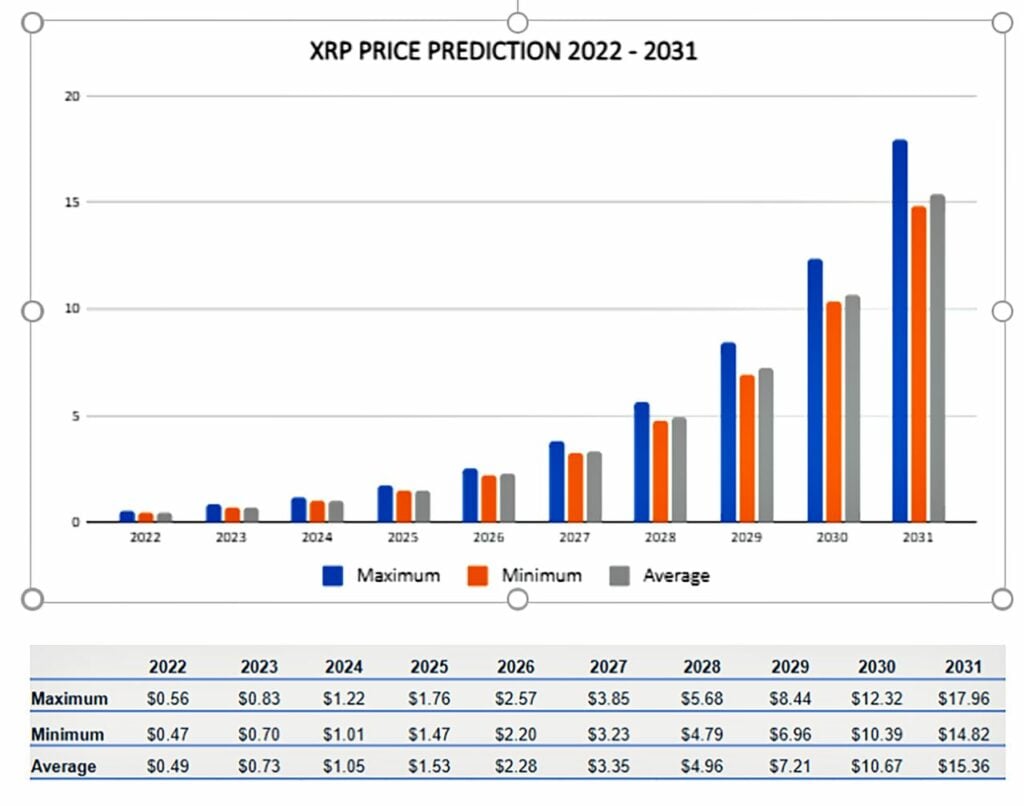
Forecasting the exact future price of XRP is speculative, and investors should be wary of definitive price predictions. However, its long-term outlook is generally viewed through the lens of its utility and adoption. If Ripple successfully expands its ODL network and penetrates more global payment corridors, the demand for XRP as a bridge currency could theoretically increase substantially, driving its value over time. Regulatory clarity, particularly in major economic blocs, will also be crucial for institutional confidence and mainstream adoption.
Expert opinions vary widely. Some believe XRP’s established partnerships and clear use case position it for significant growth, especially in a world moving towards instant, low-cost global payments. Others remain cautious, citing the enduring competition, potential regulatory hurdles, and the evolving nature of the crypto market. Ultimately, the future worth of XRP will depend on its ability to execute its vision, outmaneuver competitors, and navigate an ever-changing financial and regulatory landscape.
Conclusion
The question “how much is XRP worth?” is less about a fixed numerical value and more about a dynamic assessment of its utility, market position, and future potential within the broader financial ecosystem. Its worth is a function of its ability to solve real-world problems in cross-border payments, its adoption by financial institutions, the prevailing regulatory environment, and the speculative forces of the cryptocurrency market.
For investors, understanding XRP’s value requires a thorough examination of its unique proposition in the payments sector, its historical price volatility, the significant impact of regulatory clarity (such as the recent U.S. court ruling), and the inherent risks of investing in digital assets. While XRP presents a compelling use case and has garnered significant institutional attention, its path forward is still subject to market dynamics, technological innovation, and evolving global regulations. As with any investment, particularly in the nascent and volatile crypto space, diligent research, a clear understanding of personal financial goals, and a disciplined approach to risk management are paramount before making any investment decisions regarding XRP.
aViewFromTheCave is a participant in the Amazon Services LLC Associates Program, an affiliate advertising program designed to provide a means for sites to earn advertising fees by advertising and linking to Amazon.com. Amazon, the Amazon logo, AmazonSupply, and the AmazonSupply logo are trademarks of Amazon.com, Inc. or its affiliates. As an Amazon Associate we earn affiliate commissions from qualifying purchases.