
Wood pricing at a major retailer like Home Depot is far more intricate than a simple price tag. For homeowners, contractors, and DIY enthusiasts, understanding these dynamics is crucial for effective budgeting and project financial planning. The cost of lumber is subject to a confluence of global market forces, regional supply chains, economic indicators, and the specific characteristics of the wood itself. Navigating this landscape requires a keen financial eye to ensure cost-efficiency without compromising project integrity.
Understanding the Dynamics of Lumber Pricing
The price you pay for wood at Home Depot is a snapshot of a complex economic picture. Several key factors constantly influence these figures, making diligent financial research a prerequisite for any significant purchase.
Factors Influencing Wood Costs
- Supply and Demand Cycles: The fundamental economic principle of supply and demand has a profound impact on lumber prices. Global timber harvests, sawmill capacity, and transportation logistics all contribute to supply. Demand is heavily influenced by the housing market (new construction, renovations), seasonal DIY activity, and even disaster recovery efforts. A surge in demand coupled with constrained supply can lead to dramatic price spikes, as seen in recent years.
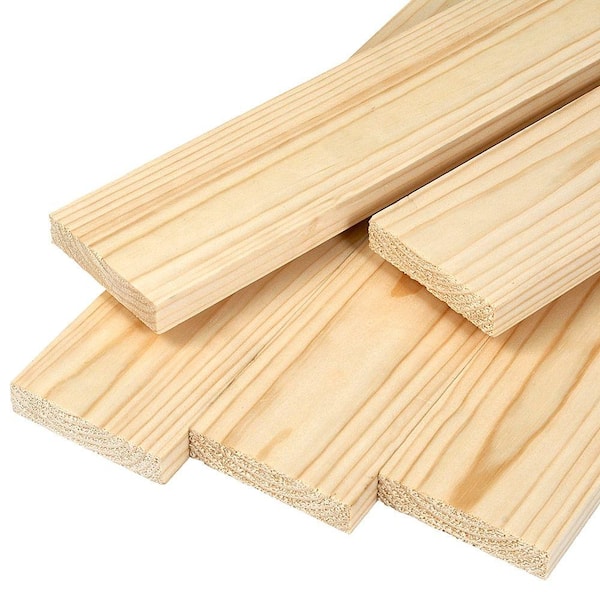
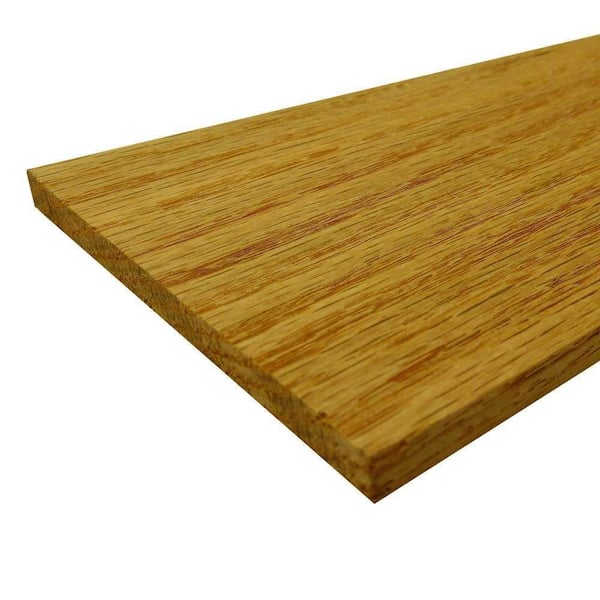
- Wood Type and Grade: Not all wood is created equal, and neither are its costs. Different species of wood possess varying characteristics in terms of strength, durability, appearance, and workability, directly affecting their market value. Softwoods like pine and spruce, commonly used for framing, are generally less expensive than hardwoods such as oak, maple, or cherry, which are prized for furniture and cabinetry. Within each species, grading systems (e.g., #1 common, select, clear) denote quality based on knots, blemishes, and grain patterns, with higher grades commanding premium prices.
- Processing and Treatment: The journey from log to usable lumber involves significant processing, each step adding to the final cost. Rough-sawn lumber is the most basic, while dressed or planed lumber (S4S – surfaced four sides) involves additional milling to create smooth, consistent dimensions. Kiln-drying removes moisture, improving stability and reducing warping, but adds to energy and time costs. Pressure-treated wood, infused with chemical preservatives to resist rot and insects, is essential for outdoor applications and inherently more expensive due to the specialized treatment process.
- Transportation Costs and Regional Differences: Lumber is a bulky commodity, and shipping it from mills to distribution centers and then to individual Home Depot stores incurs substantial freight costs. These costs can vary significantly based on fuel prices, trucking availability, and the distance from the source. Consequently, wood prices can exhibit regional variations, with areas closer to major timber-producing regions or transportation hubs potentially seeing slightly lower costs.
- Economic Conditions: Broader economic indicators play a pivotal role. Inflation can drive up the cost of raw materials, labor, and energy throughout the supply chain. Interest rates impact construction activity and consumer spending, influencing demand. A robust housing market typically translates to higher lumber prices, while a slowdown can lead to price softening. Savvy financial planning involves monitoring these macro-economic trends.
Navigating Home Depot’s Lumber Aisle: A Financial Perspective
Stepping into Home Depot’s lumber department can be overwhelming due to the sheer variety. Understanding the typical pricing structures and units of measure is essential for accurate budgeting and preventing unexpected expenditures.
Typical Price Ranges by Wood Category
While exact prices fluctuate daily, understanding general ranges helps in preliminary budgeting:
- Dimensional Lumber (2×4, 2×6, 2×8, etc.): This category forms the backbone of most construction and DIY projects. Typically pine, fir, or spruce, prices are generally quoted per piece, varying significantly with length and thickness. A standard 8-foot 2×4 might range from $3 to $8, depending on the market, while a longer, thicker beam can easily run $20-$50 or more per piece. These are often the most price-volatile due to their heavy reliance on the housing market.
- Plywood and OSB (Oriented Strand Board): Sold in standard 4×8-foot sheets, these engineered wood products come in various thicknesses and grades. OSB is generally the most economical for sheathing and subflooring, ranging from $15-$40 per sheet. Plywood, offering greater strength and a smoother finish, can range from $25 for basic utility grades to over $80 for marine-grade or cabinet-grade hardwoods like birch or oak plywood, which are often used for furniture and finishing work.
- Hardwoods: Home Depot typically stocks common hardwoods like oak, maple, poplar, and sometimes exotics. These are often sold by the “board foot” (a unit equivalent to a 1-inch thick, 1-foot wide, 1-foot long piece of wood) or by linear foot for smaller, pre-milled pieces. Prices can range from $4 to $15+ per board foot for domestic species, making them a significant investment for fine woodworking projects.
- Pressure-Treated Lumber: Essential for outdoor applications like decks, fences, and garden structures, pressure-treated wood is priced higher than its untreated counterparts due to the chemical treatment. A 2x6x12-foot pressure-treated board might cost $15-$30, compared to a similar untreated board at $8-$15. The longevity and resistance to rot and insects justify the increased initial outlay for appropriate projects.
- Specialty Woods (Trim, Moulding, Cedar, Redwood): Decorative trim and moulding are priced by the linear foot, varying widely based on profile complexity and wood species. Cedar and redwood, valued for their natural rot resistance and appearance, are often used for outdoor accents and fences. These premium woods generally command higher prices, with cedar fence pickets costing $2-$5 each and cedar decking boards ranging from $3-$8 per linear foot.
Deciphering Pricing Units
Understanding how wood is priced is key to comparing costs accurately:
- Board Foot: Primarily used for hardwoods and sometimes for thicker softwood planks. Calculated as: (Thickness in inches x Width in inches x Length in feet) / 12. This unit helps standardize pricing for irregular sizes.
- Linear Foot: Common for trim, moulding, and smaller dimensional lumber. It’s simply the price per foot of length.
- Per Piece/Sheet: The most straightforward pricing for dimensional lumber, plywood, and OSB.
- Bundles/Cubic Yards: Less common for retail wood, but sometimes seen for landscaping ties or larger bulk orders, requiring careful conversion to unit costs.
Strategies for Cost-Effective Wood Procurement
Minimizing lumber costs without compromising project quality requires strategic planning and careful execution. Financial savvy in this area can lead to substantial savings.
Project Planning and Material Calculation
- Accurate Measurements to Minimize Waste: The most effective way to save money is to buy only what you need. Precision in measuring and drafting cut lists is paramount. Avoid the temptation to eyeball quantities.
- Considering Cut Lists and Optimizing Board Usage: Develop a detailed cut list that allows you to efficiently cut multiple smaller pieces from longer boards. This reduces waste and the need to purchase additional, potentially over-sized, pieces. Utilize online project planners or software to optimize layouts.
- Accounting for Mistakes and Spoilage (The “Extra 10-15%”): While precision is key, real-world projects rarely go perfectly. Financially prudent individuals factor in a small percentage (typically 10-15%) for miscuts, warped boards, or unexpected damage. This buffer prevents costly emergency trips to the store for a single piece.
Comparing Options and Timing Purchases
- Checking Local Home Depot Ads and Online Promotions: Home Depot frequently runs sales on lumber, especially for common dimensional pieces or seasonal items like decking. Regularly check their weekly ads, website, and app for promotions.
- Considering Off-Season Purchases for Certain Types: Demand for decking lumber peaks in spring and summer. Purchasing during the late fall or winter, when demand is lower, might yield better pricing, though inventory may be reduced.
- Evaluating Store Brands vs. Specific Mills: While Home Depot primarily sells products from various mills, sometimes “store brand” lumber might be slightly more competitively priced. However, always assess the quality, as consistency can vary.
- The “Buy in Bulk” Advantage: For very large projects, Home Depot might offer discounts for purchasing full units or pallets of dimensional lumber or plywood. Inquire about contractor pricing or bulk discounts if your quantity is substantial.
Alternative Sourcing and Budget Considerations
- When is Home Depot the Best Option? Home Depot shines for convenience, especially for smaller projects or when you need specific stock immediately. Their wide availability and consistent inventory make them a reliable choice for many DIYers.
- When to Consider Local Lumberyards? For larger volumes, specialty wood species, higher-grade hardwoods, or custom milling services, local lumberyards often offer better pricing and expertise. They may provide volume discounts that Home Depot cannot match. Financially, comparing quotes from both sources is always recommended for significant expenditures.
- Reclaimed Wood and Salvaged Materials: For certain aesthetic or budget-driven projects, reclaimed wood from demolition sites, old barns, or online marketplaces can offer significant cost savings and unique character. This requires an initial time investment to source and process but can yield excellent financial returns.
Beyond the Sticker Price: Hidden Costs and Long-Term Value
The immediate price of wood is only one piece of the financial puzzle. Astute financial management for a wood-based project extends to unseen costs and the long-term value proposition.
Waste, Returns, and Project Delays
- The Cost of Miscuts and Unusable Material: Every miscut board is money wasted. This underscores the importance of precise measurement and careful cutting techniques.
- Understanding Home Depot’s Return Policy for Lumber: While Home Depot generally has a generous return policy, lumber can be an exception. Cut or altered wood is typically not returnable. This reinforces the need for accurate calculations upfront.
- Financial Impact of Project Delays Due to Material Shortages or Defects: Running out of a specific board, or discovering a warped piece mid-project, can lead to costly delays. This could mean paying contractors for idle time or extending a project timeline, incurring additional labor or equipment rental fees.
The Investment in Quality and Durability
- Choosing the Right Grade for Longevity and Structural Integrity: Skimping on quality for structural components can lead to premature failure, requiring costly repairs or replacements down the line. Investing in appropriate grades for load-bearing applications is a financially sound decision.
- The Cost-Benefit of Pressure-Treated vs. Untreated for Outdoor Use: While pressure-treated wood is more expensive upfront, its resistance to rot and insects means it will last significantly longer in outdoor environments, avoiding the much higher cost of replacing an entire deck or fence after only a few years. This is a classic example of an initial investment yielding long-term financial benefits.
- Maintenance Costs Over the Lifespan of the Wood: All wood, even pressure-treated, requires some level of maintenance (staining, sealing, painting) to protect it from UV rays and moisture. Factor in the cost of these materials and the time or labor for application over the project’s lifespan.
Tools and Accessories: The Broader Project Budget
- Saw Blades, Fasteners, Adhesives, Safety Gear: Beyond the wood itself, numerous ancillary items are necessary. Fasteners (screws, nails), adhesives, sealants, and appropriate saw blades (for different wood types) must be budgeted for. Safety gear (gloves, eye protection, hearing protection) is a non-negotiable expense that protects the most valuable asset: yourself.
- Rental Tools for Specific Cuts or Tasks: For large projects, renting specialized tools like a panel saw, table saw, or miter saw can be more cost-effective than purchasing them outright, especially if they are used infrequently.
- Transportation Costs: If you don’t have a truck capable of transporting long or bulky lumber, factor in the cost of renting a truck or van, or Home Depot’s delivery fees, which can add a significant amount to your overall budget.
Financial Tools and Smart Shopping at Home Depot
Leveraging Home Depot’s services and digital resources can further optimize your financial approach to purchasing wood.
Leveraging Home Depot’s Financial Services
- Project Loans or Credit Cards: For larger projects, Home Depot offers consumer credit cards and project loans. While these can provide purchasing power, carefully evaluate interest rates, repayment terms, and potential fees to ensure they align with your overall financial strategy and avoid accumulating high-interest debt.
- Commercial Accounts for Businesses: Contractors and businesses purchasing large volumes can benefit from Home Depot’s Pro Xtra program, which may offer volume pricing, dedicated support, and specialized purchasing options, leading to significant savings over time.
Digital Tools for Budgeting and Planning
- Using the Home Depot App for Price Checks and Inventory: The Home Depot app is a powerful financial tool. It allows you to check current prices, compare options, verify local store inventory, and even locate items within the store, saving both time and potential mispurchases.
- Online Calculators for Material Estimation: Home Depot’s website and various third-party apps offer calculators for estimating lumber, decking, and other materials. Using these tools to double-check your calculations can prevent costly over- or under-ordering.
- Setting a Firm Budget and Sticking to It: The most basic but critical financial tool is a well-defined budget. Before you start, allocate a specific amount for lumber and all related expenses. Track your spending diligently to ensure you remain within these parameters.
- Tracking Expenses for Tax Purposes or Future Project Planning: Keep detailed records of all lumber purchases, especially for home improvement projects that may impact future home value or for business expenses. This data is invaluable for tax purposes, future project budgeting, and understanding your true project costs.
In conclusion, understanding “how much is wood at Home Depot” goes beyond the price per board. It encompasses a holistic financial approach to material sourcing, project planning, and long-term value. By grasping the market dynamics, utilizing smart purchasing strategies, and accounting for all associated costs, consumers can make financially sound decisions that support successful, budget-conscious projects.
aViewFromTheCave is a participant in the Amazon Services LLC Associates Program, an affiliate advertising program designed to provide a means for sites to earn advertising fees by advertising and linking to Amazon.com. Amazon, the Amazon logo, AmazonSupply, and the AmazonSupply logo are trademarks of Amazon.com, Inc. or its affiliates. As an Amazon Associate we earn affiliate commissions from qualifying purchases.