
Wegovy, the brand name for semaglutide, has emerged as a significant player in the medical weight management landscape. Its effectiveness in promoting substantial weight loss has led to a surge in demand and considerable public interest. However, for many individuals considering this medication, the primary hurdle isn’t just eligibility or side effects, but the daunting question of cost, particularly for those without comprehensive insurance coverage or whose plans exclude weight loss medications.
The challenge intensifies when trying to pinpoint an exact price. Unlike everyday consumer goods, prescription drug prices can fluctuate significantly based on location, pharmacy, and available discounts. This article aims to demystify the financial landscape of purchasing Wegovy without insurance, specifically focusing on what you might expect at Walmart pharmacies, and outlining actionable strategies to make this potentially life-changing medication more accessible. Understanding these financial intricacies is crucial for making informed health and personal finance decisions.
Understanding Wegovy’s Pricing Structure Without Insurance
The cost of prescription medications in the United States, especially brand-name drugs with no generic alternatives, can be extraordinarily high. Wegovy is no exception, and its price tag reflects a complex interplay of factors that contribute to its substantial cost when paid for out-of-pocket.
The Sticker Price: Why Wegovy is Expensive
The high cost of Wegovy, often exceeding $1,000 per month without insurance, stems from several key factors inherent to the pharmaceutical industry. Firstly, pharmaceutical companies invest billions in research and development (R&D) to bring new drugs to market. This includes extensive clinical trials to prove efficacy and safety, a process that can take over a decade and often involves many failed candidates for every successful one. The cost of these failures and the successful development is recouped through the pricing of approved medications.
Secondly, Wegovy is a patented brand-name drug, meaning its manufacturer, Novo Nordisk, holds exclusive rights to produce and sell it for a defined period. This patent protection allows the company to set prices without direct competition from generic versions, which are typically much cheaper. While generic semaglutide may eventually become available, it is not currently an option for Wegovy, contributing to its premium price. Furthermore, manufacturing complex injectable medications like Wegovy, which comes in pre-filled pens requiring precise dosing and sterile conditions, is also a costly process. Lastly, market demand plays a role; with increasing recognition of obesity as a chronic disease and the effectiveness of drugs like Wegovy, demand remains high, supporting its current price point.
Walmart’s Role in Medication Pricing
Walmart is renowned for its “Everyday Low Prices,” and this philosophy often extends to its pharmacy services. As one of the largest retail chains globally, Walmart possesses significant purchasing power, which can translate into competitive pricing for many prescription medications. Its scale allows it to negotiate favorable rates with pharmaceutical distributors, often making its cash prices more attractive than those at smaller independent pharmacies or even some other major chains.
However, it’s crucial to manage expectations, especially for high-cost, brand-name drugs like Wegovy. While Walmart may offer a price that is on the lower end compared to other retailers for an uninsured cash purchase, it doesn’t fundamentally change the drug’s inherent expense. For a medication costing over a thousand dollars per month, even a “competitive” price at Walmart will still represent a significant financial outlay. Walmart pharmacies aim to provide value, but they operate within the constraints of pharmaceutical wholesale costs and the manufacturer’s pricing strategies for patented drugs. The exact price can also vary slightly depending on the specific Walmart location, its regional distribution networks, and current inventory agreements.
Exploring the Actual Cost at Walmart Pharmacy
Navigating the financial aspect of prescription medications without insurance requires a direct approach and an understanding of how prices are determined. While a universal price for Wegovy at every Walmart pharmacy is elusive, there are ways to get an accurate estimate and set realistic financial expectations.
Dispelling Myths and Setting Expectations
One of the biggest misconceptions about prescription drug pricing is the idea of a fixed, nationwide cost. This is rarely the case, particularly for high-cost medications. Prices for Wegovy without insurance can vary, sometimes by hundreds of dollars, between different pharmacies, and even between different locations of the same chain, including Walmart. Factors like the specific wholesale supplier, regional pricing agreements, and even the volume of sales at a particular store can influence the final cash price.
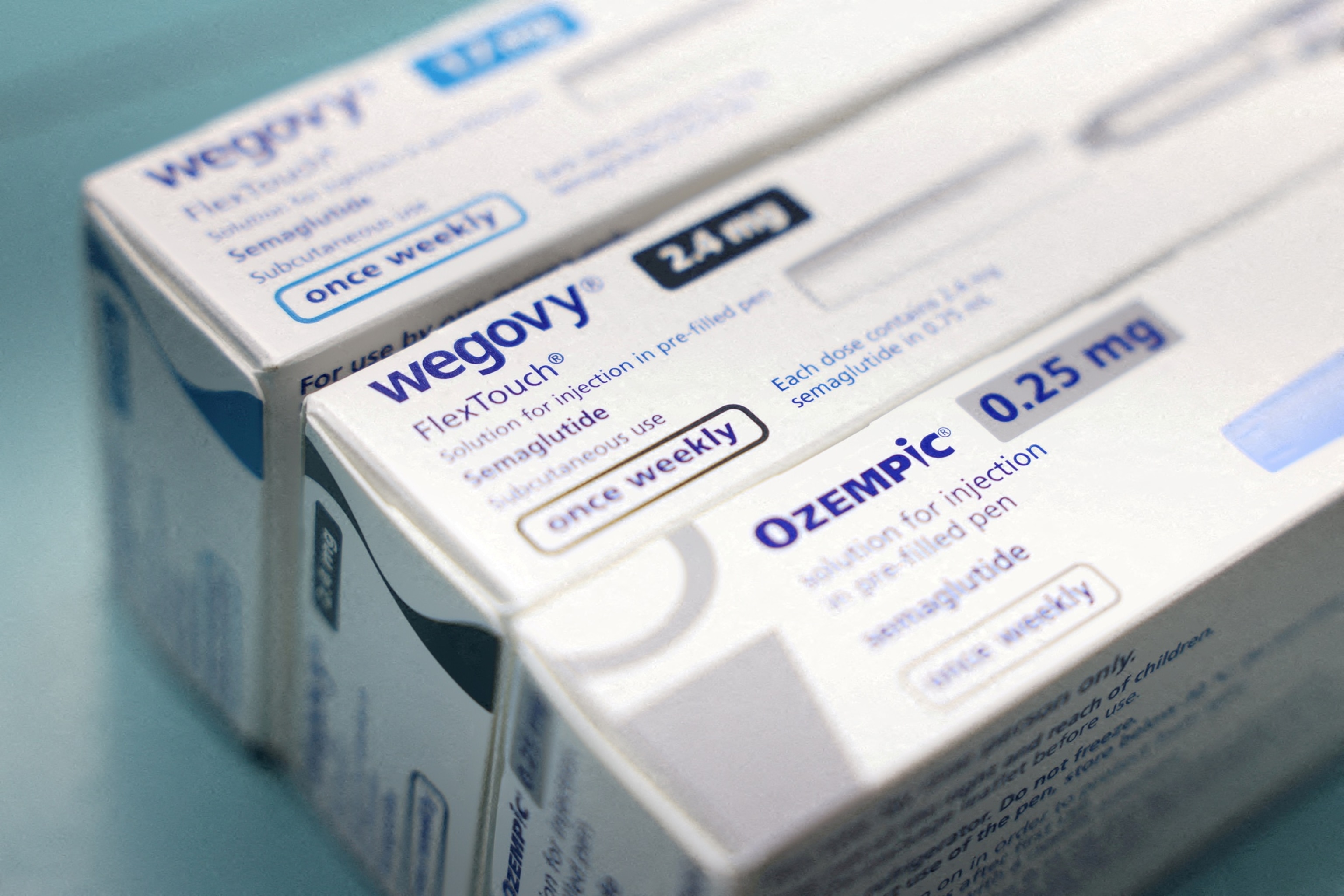
As a general guideline, individuals paying cash for Wegovy without any discounts or insurance typically face a monthly cost ranging from approximately $1,300 to $1,600. This figure represents the cost for one box, which contains four pre-filled pens, designed for a one-month supply regardless of the dosage strength. It’s important to prepare for a cost within this range and not to expect a dramatically lower price without the application of specific savings programs or discounts.
How to Get an Accurate Quote from Walmart
The most reliable way to ascertain the exact cost of Wegovy at your local Walmart pharmacy is to contact them directly. Before calling, ensure you have a valid prescription from your doctor. You’ll need to specify that you’re inquiring about the “cash price” or “out-of-pocket cost without insurance.” It’s advisable to call a few different Walmart pharmacies in your area, as prices can sometimes vary even within the same city.
When speaking with the pharmacy staff, be clear about the medication (Wegovy), the dosage strength (e.g., 0.25mg, 0.5mg, 1mg, 1.7mg, 2.4mg), and the quantity (typically a one-month supply, or four pens). Having your prescription ready allows the pharmacy to accurately quote the price, as they may need to enter it into their system to determine the current cost based on their inventory and pricing agreements. Don’t hesitate to ask if they are aware of any current promotions or discounts for cash-paying customers.
Understanding Different Dosages and Their Impact on Cost
Wegovy treatment typically begins with a low dose, which is gradually increased over several weeks or months to reach a maintenance dose. This process, known as titration, is crucial for minimizing potential side effects. The different dosages available are 0.25mg, 0.5mg, 1mg, 1.7mg, and 2.4mg.
A common question is whether the cost varies with the dosage strength. For Wegovy, the answer is generally no. The pricing is usually per package, which contains a one-month supply (four pens), regardless of the specific milligram strength of the pens inside the box. So, whether you are on the initial 0.25mg dose or the highest 2.4mg maintenance dose, the cost of a single box of Wegovy, and therefore your monthly out-of-pocket expense, is typically the same. This simplifies budgeting but also means there’s no price break for starting on a lower dose.
Strategies for Reducing Out-of-Pocket Costs for Wegovy
While the sticker price of Wegovy without insurance can be intimidating, there are several financial strategies and programs designed to help mitigate these costs. Being proactive and exploring these options can significantly reduce your monthly financial burden.
Manufacturer Savings Programs and Patient Assistance
Novo Nordisk, the manufacturer of Wegovy, often offers savings programs and patient assistance programs to help eligible individuals afford their medications. The Wegovy Savings Card is a common offering that can reduce the out-of-pocket cost for eligible commercially insured patients. While it primarily targets those with commercial insurance who still face high co-pays or deductibles, it’s always worth checking the manufacturer’s official website (Wegovy.com) for any programs that might extend to uninsured individuals or those for whom insurance coverage is denied.
For individuals with very limited income and no insurance coverage, Novo Nordisk may also offer a Patient Assistance Program (PAP). These programs are typically designed for those facing significant financial hardship and who meet specific income and eligibility criteria. Applying usually involves submitting an application with proof of income and medical need. These programs can sometimes provide the medication at no cost or at a heavily reduced rate. It’s essential to visit the Wegovy website or contact Novo Nordisk’s patient support directly to understand the current eligibility requirements and application process for any available programs.
Prescription Discount Cards and Programs
Several third-party prescription discount cards and online programs can offer significant savings on medications, even for those paying cash. Popular options include GoodRx, SingleCare, Optum Perks, and ScriptSave WellRx. These platforms negotiate prices with pharmacies, allowing consumers to access those lower, negotiated rates.
To use these programs, you typically visit their website or app, search for Wegovy, enter your location, and compare prices at various pharmacies, including Walmart. Once you find a suitable discount, you’ll receive a coupon or a discount code that you can present to the Walmart pharmacist. It’s crucial to check these discount providers before purchasing, as their discounted price might be lower than Walmart’s standard cash price. These cards are free to use and can provide substantial savings, sometimes bringing the cost down by several hundred dollars per month. Always compare the price offered by the discount card with any manufacturer coupons you might be eligible for, as you typically can only use one or the other.
Considering Health Savings Accounts (HSAs) and Flexible Spending Accounts (FSAs)
For individuals who are covered by a high-deductible health plan (HDHP) and have access to a Health Savings Account (HSA), or those with an employer-sponsored Flexible Spending Account (FSA), these tax-advantaged accounts can be powerful tools for managing the cost of Wegovy.
HSAs allow you to contribute pre-tax money, which grows tax-free, and withdrawals for qualified medical expenses are also tax-free. This effectively means you’re paying for Wegovy with money that hasn’t been taxed, saving you a percentage equivalent to your income tax rate. HSAs are portable and can accumulate funds over time. FSAs are similar in that contributions are pre-tax, reducing your taxable income. However, FSA funds are typically “use-it-or-lose-it” within a plan year and are usually tied to employer-sponsored plans. Both types of accounts can be used to cover prescription costs like Wegovy, offering a direct financial benefit by reducing your overall tax burden while funding your medical expenses. If you are eligible for an HSA or FSA, maximizing your contributions to cover anticipated medication costs is a smart financial move.
Exploring Long-Term Financial Planning
Given the long-term nature of weight management with Wegovy, budgeting and financial planning are paramount. It’s not just a one-month expense but potentially years of medication. Consider creating a dedicated savings fund for medication costs. Discuss your financial limitations openly with your doctor, as they may have insights into alternative treatments, local programs, or less costly strategies that could be medically appropriate for you. Sometimes, understanding the comprehensive financial picture helps both you and your medical provider make the most informed decisions regarding your health and financial well-being.
Insurance Coverage vs. Self-Pay: A Financial Comparison
The decision to pay for Wegovy out-of-pocket without insurance is often a last resort, driven by a lack of coverage or prohibitive co-pays. Understanding the nuances of why insurance might fall short and comparing the full financial picture can highlight the true burden and benefits.
When Insurance Falls Short or Doesn’t Cover Wegovy
Many individuals seeking Wegovy treatment find that their health insurance plans either don’t cover weight loss medications at all or impose strict criteria that are difficult to meet. Common reasons for denial include:
- Policy Exclusions: Historically, many insurance plans have categorized weight loss medications as “lifestyle drugs” rather than medically necessary treatments, leading to explicit exclusions in their policies. While this trend is slowly shifting as obesity is increasingly recognized as a chronic disease, many plans still maintain these exclusions.
- Strict Medical Criteria: Even when covered, insurance plans often require patients to meet stringent medical criteria, such as a very high Body Mass Index (BMI), presence of co-morbid conditions (like type 2 diabetes or heart disease), and proof of prior attempts at weight loss through diet and exercise. Failing to meet even one criterion can lead to denial.
- Prior Authorization and Step Therapy: Insurance companies frequently require prior authorization from your doctor, detailing the medical necessity of Wegovy. They may also mandate “step therapy,” meaning you must try and fail less expensive or older weight loss medications before Wegovy will be covered.
- High Deductibles or Coinsurance: Even with coverage, individuals on high-deductible plans may have to pay the full cash price until their deductible is met, effectively making it an out-of-pocket expense for a significant period. High coinsurance percentages can also leave patients responsible for a large portion of the cost.
If your insurance denies coverage, don’t immediately give up. Work with your doctor to appeal the decision. They can provide additional documentation, medical justifications, and advocate on your behalf, which can sometimes lead to a reversal of the denial.
Calculating the True Cost: Beyond the Monthly Price
When evaluating the cost of Wegovy, it’s important to look beyond the monthly price of the medication itself. A holistic financial assessment should include:
- Total Annual Cost: Multiply the monthly cost by 12 to understand the annual financial commitment. A drug costing $1,400 per month translates to $16,800 per year.
- Associated Medical Expenses: Factor in the costs of regular doctor’s visits for monitoring, lab tests (e.g., blood work to monitor for side effects or overall health improvements), and potentially consultations with dietitians or other specialists. These costs can add up, even if you have insurance for office visits.
- Time Commitment: While not a direct monetary cost, the time spent on appointments, managing prescriptions, and navigating financial aid programs is a valuable consideration.
On the flip side, it’s also worth considering the potential long-term financial benefits of successful weight management. For some individuals, achieving and maintaining a healthier weight with Wegovy could lead to:
- Reduced Risk of Costly Health Conditions: Obesity is linked to numerous chronic and expensive health conditions, including type 2 diabetes, heart disease, sleep apnea, and certain cancers. Successfully managing weight could potentially reduce the risk or severity of these conditions, leading to lower healthcare costs in the future (e.g., fewer medications for diabetes, fewer hospitalizations for cardiovascular events).
- Improved Productivity and Quality of Life: While harder to quantify financially, improved health can lead to increased energy, better work performance, and a higher quality of life, which can indirectly contribute to financial well-being.
By weighing the upfront and ongoing costs against potential future savings and health benefits, you can gain a more comprehensive understanding of Wegovy’s financial impact.
The Financial Decision: Is Wegovy Without Insurance at Walmart Right for You?
The decision to embark on a medical weight management journey with Wegovy, especially when paying without insurance, is a deeply personal one that intertwines health goals with significant financial considerations. It requires careful thought and professional guidance.
Weighing the Costs Against the Benefits
Before committing to the substantial monthly expense of Wegovy without insurance, it’s crucial to perform an honest financial assessment of your ability to sustain the cost long-term. Consider your current budget, savings, and other financial obligations. Can you comfortably afford $1,300-$1,600 (or potentially less with discounts) every month for an indefinite period?
Beyond the purely financial aspect, you must also weigh the potential health benefits and quality of life improvements. For some, the health risks associated with obesity are severe, and effective weight loss could dramatically improve their health, mobility, and overall well-being. If Wegovy offers a pathway to significantly better health outcomes where other methods have failed, the investment might be deemed worthwhile. However, this is a highly individualized calculation. It’s essential to have a clear understanding of your personal health goals, the expected outcomes of Wegovy, and how these align with your financial capacity.
Professional Consultation: Doctor and Financial Advisor
Making an informed decision about Wegovy requires input from two key professionals: your doctor and potentially a financial advisor.
Your doctor is indispensable for determining if Wegovy is medically appropriate for you. They can assess your overall health, discuss potential risks and benefits, and set realistic expectations for weight loss. Importantly, they can also help you understand if there are less expensive but equally effective treatment alternatives, or if your medical situation might qualify you for specific patient assistance programs. Openly discuss your financial concerns with your doctor; they are often aware of resources or strategies to help patients manage medication costs.
For a comprehensive understanding of the financial implications, consulting a financial advisor can be highly beneficial. A financial advisor can help you integrate the cost of Wegovy into your overall budget, explore options like reallocating savings, adjusting other expenses, or setting up dedicated funds (like an HSA) for medical costs. They can provide objective advice on how such a significant ongoing expense will impact your long-term financial goals, retirement planning, or debt management, ensuring that your pursuit of better health doesn’t inadvertently jeopardize your financial security.

Conclusion
Navigating the cost of Wegovy without insurance at Walmart, or any pharmacy, presents a significant financial challenge. The medication’s high sticker price, coupled with the complexities of pharmaceutical pricing and often limited insurance coverage for weight loss drugs, necessitates a proactive and informed approach. While Walmart may offer competitive cash prices for many prescriptions, the inherent cost of a brand-name, patented drug like Wegovy remains substantial.
However, the journey doesn’t have to be undertaken without support. By actively exploring manufacturer savings programs, utilizing prescription discount cards, leveraging tax-advantaged accounts like HSAs and FSAs, and engaging in robust financial planning, individuals can often mitigate a portion of this burden. Ultimately, the decision to invest in Wegovy without insurance is a profound personal choice, balancing crucial health improvements with significant financial commitments. It underscores the importance of diligent research, open communication with healthcare providers, and thoughtful financial preparation to ensure that this path toward better health is both medically appropriate and financially sustainable.
aViewFromTheCave is a participant in the Amazon Services LLC Associates Program, an affiliate advertising program designed to provide a means for sites to earn advertising fees by advertising and linking to Amazon.com. Amazon, the Amazon logo, AmazonSupply, and the AmazonSupply logo are trademarks of Amazon.com, Inc. or its affiliates. As an Amazon Associate we earn affiliate commissions from qualifying purchases.