
Navigating tax season often feels like a balancing act between financial accuracy and cost management. As the dominant leader in the consumer tax preparation space, TurboTax is frequently the first choice for millions of Americans. However, one of the most common questions taxpayers ask is: “How much is TurboTax actually going to cost me?”
Because Intuit (the maker of TurboTax) uses a dynamic pricing model that shifts based on the complexity of your return and the time of year you file, the answer isn’t a single number. For the “Money” conscious consumer, understanding the breakdown of these costs is essential for budgeting and ensuring you aren’t overpaying for features you don’t need.
Understanding the TurboTax Tiered Pricing Model
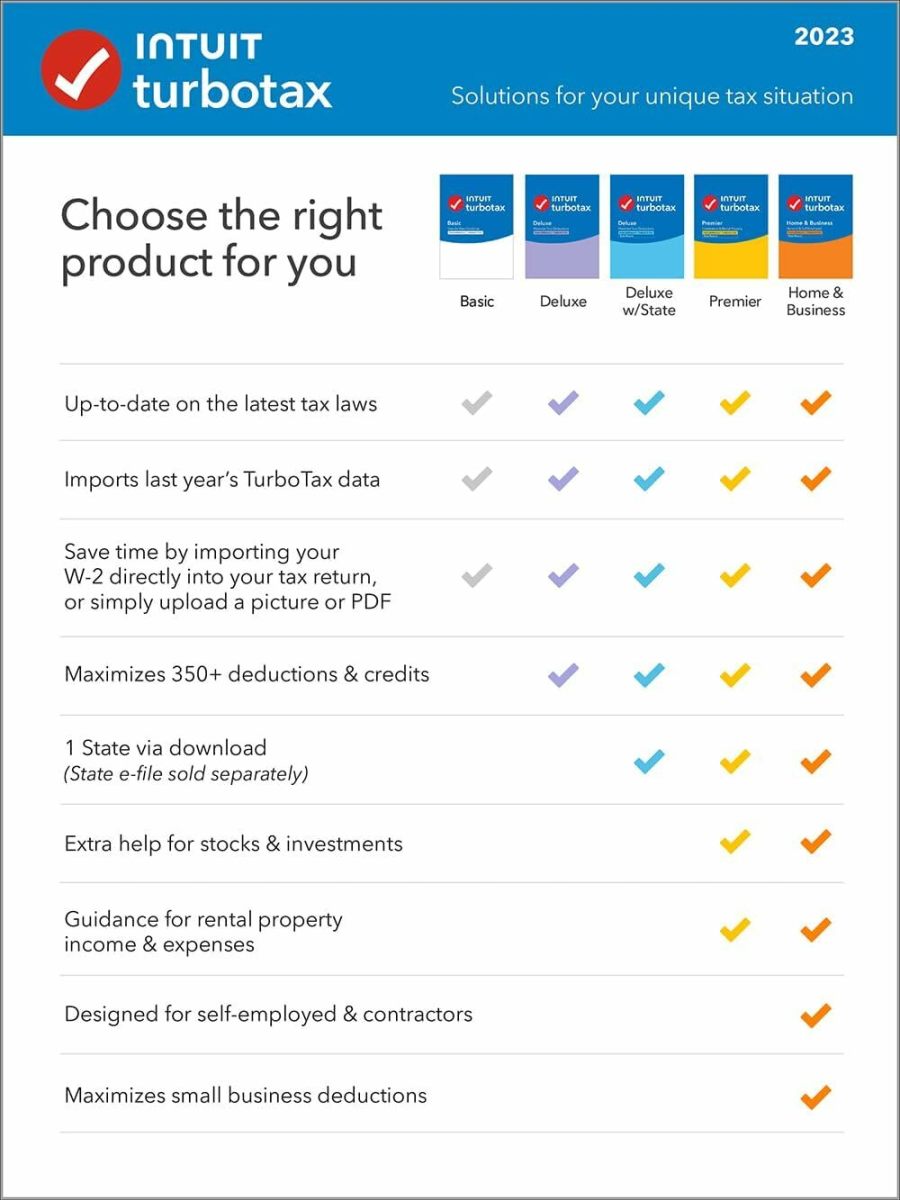
TurboTax operates on a tiered system designed to match the complexity of a taxpayer’s financial life. Each tier unlocks specific forms and schedules required by the IRS. Choosing the right tier is the first step in managing your tax preparation expenses.
Free Edition: Who Actually Qualifies?
The “Free Edition” is TurboTax’s most advertised product, but it is also the most restrictive. It is designed strictly for “simple tax returns only.” This generally includes W-2 income, limited interest and dividend income (1099-INT or 1099-DIV), the standard deduction, and the Earned Income Tax Credit (EITC).
If you have student loan interest deductions, unemployment income (1099-G), or itemized deductions, you will likely be prompted to upgrade to a paid version. For those who qualify, the cost is $0 for both Federal and State returns, making it a powerful tool for straightforward earners.
Deluxe: The Most Popular Choice for Homeowners and Deductions
The Deluxe version is widely considered the “sweet spot” for the average American household. Typically priced between $59 and $69 (Federal only), this tier is designed for those who want to maximize their deductions. It includes the ability to itemize (Schedule A), claim mortgage interest, and report charitable donations. If you own a home or have significant medical expenses, the Deluxe version is usually the minimum requirement.
Premier: For Investors and Rental Property Owners
As your wealth grows, so does the complexity of your taxes. The Premier tier, usually priced between $89 and $105, is tailored for individuals with investment portfolios. This includes stocks, bonds, and—increasingly important—cryptocurrency transactions. Additionally, if you own rental property, the Premier version provides the necessary tools to report rental income and expenses. From a personal finance perspective, the cost of this software is often offset by the accuracy it provides in calculating capital gains and losses.
Self-Employed: Navigating Business Expenses
For freelancers, independent contractors, and small business owners (Schedule C filers), the Self-Employed tier is the standard. Priced around $120 to $130, it offers specialized guidance for industry-specific deductions and helps users separate personal expenses from business ones. While it is the most expensive of the DIY tiers, it is significantly cheaper than hiring a full-service bookkeeper for basic annual filing.
Live Assistance vs. Full Service: Calculating the Cost of Human Help
In recent years, TurboTax has pivoted toward “Live” services, blending software efficiency with human expertise. This transition reflects a shift in the financial tools market where users are willing to pay a premium for “peace of mind.”
TurboTax Live Assisted: Professional Review on Demand
Live Assisted adds an extra layer of security to your DIY process. For an additional fee (often bringing the total federal cost to $120–$200 depending on the tier), you get unlimited access to tax professionals throughout the process. You can share your screen, ask questions via video, and—most importantly—have a pro review your return before you hit “file.” For many, the $50–$80 surcharge is a small price to pay to avoid a costly IRS notice.
TurboTax Live Full Service: Handing Off the Heavy Lifting
The most expensive way to use TurboTax is the Full Service option. Here, you don’t use the software to file; instead, you upload your documents, and a tax professional completes the return for you. Prices typically start around $169 for simple returns and can climb well over $400 for complex self-employed or investment-heavy portfolios.
From a “Money” niche perspective, this service competes directly with local CPAs. The value proposition here is convenience and the brand’s “Maximum Refund Guarantee,” though it is worth comparing these prices to local independent accountants who may provide more personalized year-round tax strategy.
Hidden Costs and Additional Fees to Watch For
The “sticker price” of TurboTax is rarely the final amount subtracted from your bank account. To manage your finances effectively, you must account for the peripheral costs that Intuit adds during the checkout process.
State Return Filing Fees
Most TurboTax Federal packages do not include the cost of filing a state return. Unless you are using the Free Edition, expect to pay an additional $50 to $64 per state. If you lived or worked in multiple states during the year, these fees can quickly double or triple your total tax preparation bill.
Refund Processing Services
One of the most common “convenience” traps is the option to pay your TurboTax fees out of your federal refund. While this sounds helpful because it requires no upfront cash, Intuit (and its banking partners) typically charges a “Refund Processing Service” fee, which can be as high as $40. Financially speaking, it is almost always better to pay the software fee upfront with a credit or debit card to avoid this unnecessary surcharge.
Audit Defense and ID Restoration
Before you file, you will likely be offered “MAX Rewards” or “Audit Defense” (provided by TaxAudit). These add-ons usually cost around $40–$60. While these services provide representation in the event of an IRS audit, many financial experts argue that if you have followed the software’s prompts accurately, the statistical likelihood of an audit for a standard W-2 employee is low enough that this “insurance” may not be a necessary expense.
Cost-Benefit Analysis: Is TurboTax Worth the Investment?
In the world of personal finance, every expense should be weighed against its return on investment (ROI). Is the premium price of TurboTax justified when compared to lower-cost competitors?
TurboTax vs. Free Alternatives
Competitors like FreeTaxUSA or Cash App Taxes offer federal filing for $0, including many of the forms (like Schedule C or investment reporting) that TurboTax charges for. FreeTaxUSA, for example, only charges about $15 for state returns.
If you are a tech-savvy taxpayer who is comfortable navigating forms without “hand-holding” interfaces, switching to a lower-cost alternative can save you $100 or more. However, TurboTax’s value lies in its user experience—the “interview” style format reduces the cognitive load of filing, which minimizes errors.
The “Peace of Mind” Factor
For many, the cost of TurboTax is an investment in time and stress reduction. The software’s ability to import data directly from employers, banks, and brokerage firms (like Robinhood or Fidelity) saves hours of manual entry. From a business finance perspective, the “time-cost” of manually entering 500 stock trades often outweighs the $100 price tag of the Premier edition.
Strategic Timing: How to Save Money on Your Tax Software
If you have decided that TurboTax is the right tool for your financial situation, you don’t necessarily have to pay full price. Like many software-as-a-service (SaaS) products, pricing is seasonal.
- Early Bird Discounts: TurboTax often offers its lowest prices in December and January. As the April deadline approaches, prices typically increase by $10–$20 per tier.
- Financial Institution Partnerships: Many banks and investment firms (such as Fidelity, Vanguard, or Chase) offer their clients discounts of up to 20% on TurboTax products. Always check your bank’s “Offers” or “Rewards” portal before buying.
- Retailer Bundles: Buying a physical code or download from retailers like Amazon, Costco, or Target is often cheaper than buying directly from the TurboTax website. These bundles frequently include one free state download, which can save you an additional $50.

Final Thoughts on the Cost of Filing
The cost of TurboTax is ultimately a reflection of the complexity of your financial life. While a simple filer can spend $0, a self-employed investor with multi-state income and a desire for professional review can easily spend upwards of $300.
By understanding the tiers, avoiding the “refund processing” fees, and leveraging early-bird discounts, you can ensure that you are using this powerful financial tool efficiently. In the grand scheme of personal finance, the goal isn’t just to find the cheapest way to file, but the most accurate way to preserve your wealth while minimizing the time spent on administrative burdens.
aViewFromTheCave is a participant in the Amazon Services LLC Associates Program, an affiliate advertising program designed to provide a means for sites to earn advertising fees by advertising and linking to Amazon.com. Amazon, the Amazon logo, AmazonSupply, and the AmazonSupply logo are trademarks of Amazon.com, Inc. or its affiliates. As an Amazon Associate we earn affiliate commissions from qualifying purchases.