
The question of “how much is the movie theater” extends far beyond the price printed on a paper ticket. From a personal finance perspective, a trip to the cinema is a discretionary expense that has seen significant inflationary pressure over the last decade. From a business finance perspective, the movie theater is a complex machine of high overhead, razor-thin margins on core products, and massive reliance on secondary revenue streams. To truly understand the cost of the movie theater, one must look at the intersection of consumer budgeting, corporate revenue models, and the shifting value proposition of the theatrical experience in a digital-first economy.
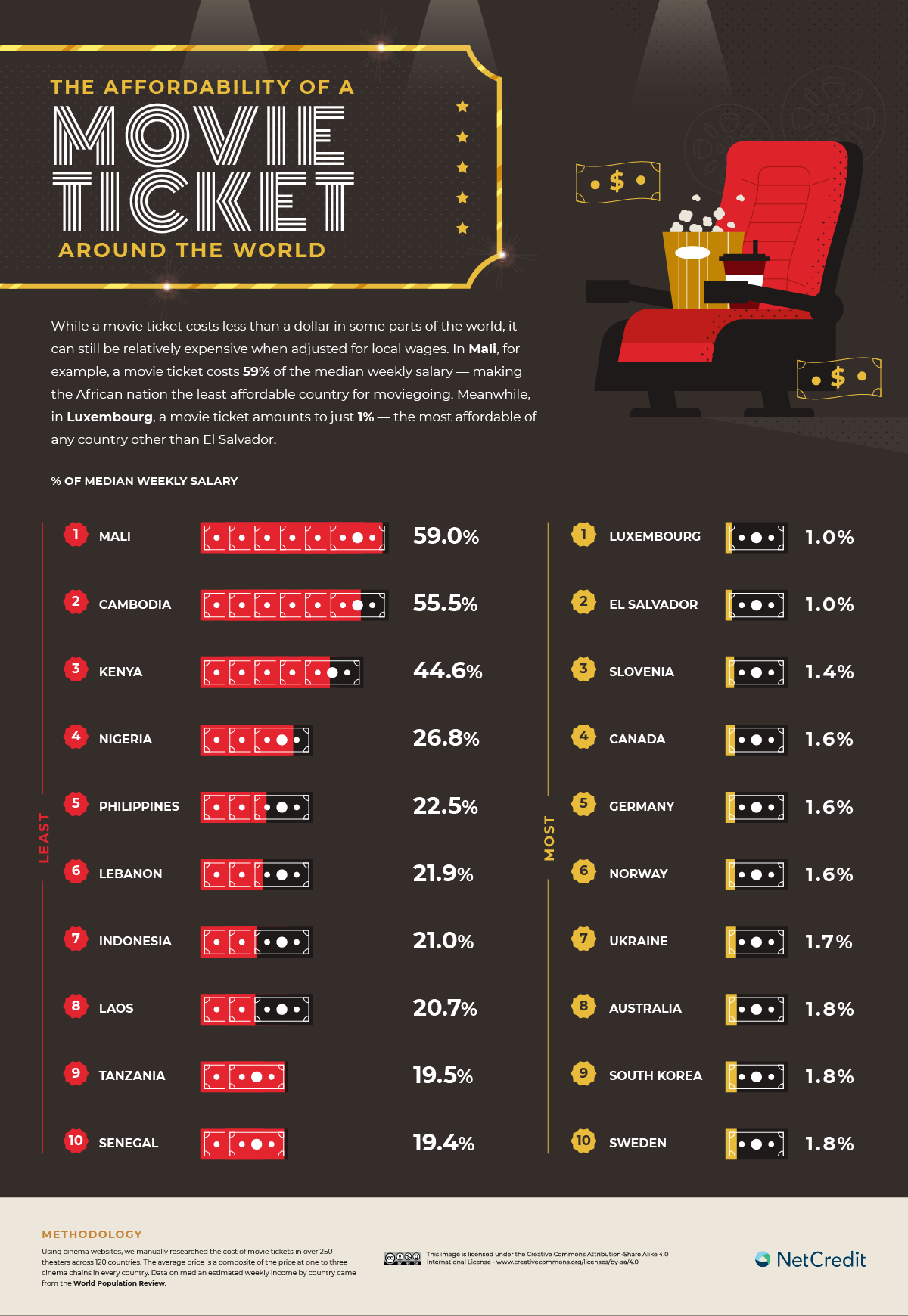
The Breakdown of Ticket Pricing: Where Does the Money Go?
When a consumer pays $15 to $20 for a movie ticket, there is a common misconception that the theater pocketed that entire amount. In reality, the financial structure of film exhibition is built on a “sliding scale” agreement with film distributors. Understanding this split is crucial for anyone analyzing the business finance of the entertainment industry.
Studio Splits and Licensing Fees
In the opening weeks of a major blockbuster, a significant portion of the ticket price—often 60% to 70%—is sent back to the film studio (the distributor). This is known as the film rental fee. For highly anticipated tentpole films from major studios like Disney or Warner Bros., the terms can be even more aggressive. The theater acts essentially as a collection agent for the studios during the initial release window. As the weeks progress, the split typically shifts in favor of the theater, which is why “second-run” houses or films that have been out for a month are more profitable for the venue in terms of ticket revenue. However, by that point, attendance has usually dwindled, creating a constant financial tug-of-war for the exhibitor.
Operational Overhead and Fixed Costs
The remaining 30% to 40% of the ticket price must cover the theater’s massive fixed costs. Running a modern cinema requires substantial capital. Real estate is the primary burden; theaters require large, specialized buildings in high-traffic commercial zones, leading to expensive leases or property taxes. Energy costs are another significant factor, as cooling large auditoriums and powering high-intensity digital projectors creates a heavy utility load. When you factor in labor—staffing the box office, cleaning crews, and projection technicians—the ticket revenue alone often fails to cover the daily operating expenses of the facility.
Dynamic Pricing and Premium Formats
To combat rising costs, the industry has turned to dynamic pricing and premium large format (PLF) experiences. This is where the “how much” question becomes variable. An IMAX or Dolby Cinema ticket can cost 50% to 100% more than a standard screening. From an investment standpoint, these PLF screens represent a high Capital Expenditure (CapEx) but offer a higher Return on Investment (ROI) because they allow for higher margins and attract a demographic less sensitive to price increases. For the consumer, this requires a personal finance decision: is the incremental value of the audio-visual experience worth the 2x price increase?
The Concessions Engine: High Margins and Business Sustainability
If the ticket pays the studio and the rent, the concessions stand pays the profit. It is a well-known industry secret that movie theaters are essentially snack bars that happen to show movies. The business finance model of a modern cinema is built entirely around the “per-capita” spend on food and beverage.
Why Popcorn Costs So Much
The markup on cinema concessions is legendary, often exceeding 800%. A large popcorn that costs the theater pennies in raw kernels and oil is sold for $8 to $10. This is not mere greed; it is a structural necessity. Because the theater retains almost 100% of the revenue from concessions—unlike the split on tickets—this is the primary source of cash flow used to service debt, fund renovations, and provide a profit margin. For a theater to remain solvent, the “attachment rate” (the percentage of guests who buy food) must remain high. When consumers skip the snack bar to save money, it directly threatens the viability of the theater’s business model.
The Evolution into “Cinema-Dine” and Alcohol Sales
To increase the average transaction value, many theater chains have pivoted to luxury dining experiences. By offering full meals, cocktails, and craft beers, theaters can capture a larger share of a consumer’s “night out” budget. From a business strategy perspective, this transforms the theater from a simple exhibitor into a hospitality venue. The margins on alcohol are particularly attractive, and the ability to serve a $20 entree alongside a $15 ticket significantly alters the revenue per square foot. This shift has forced theaters to reinvest in kitchen infrastructure and high-end seating, further increasing their CapEx but stabilizing their long-term revenue streams.
Investing in Cinema: Is the Theater Business a Viable Asset?

For investors and business analysts, the theater industry presents a polarizing landscape. The “how much” in this context refers to the valuation of theater chains like AMC, Cinemark, and Regal (Cineworld) in a market dominated by streaming services.
Real Estate Value vs. Box Office Performance
Many theater chains are valued not just on their box office receipts, but on their real estate holdings or long-term lease structures. In some cases, the land a theater sits on is worth more than the cinema business itself. During periods of industry contraction, we often see a “sale-leaseback” strategy where a theater chain sells its property to a Real Estate Investment Trust (REIT) and leases it back to unlock liquidity. This is a common move in corporate finance to bolster the balance sheet, though it increases long-term fixed costs.
The Impact of Streaming on Valuation
The rise of Direct-to-Consumer (DTC) streaming platforms has fundamentally changed the risk profile of the theater industry. The “theatrical window”—the period when a movie is exclusive to theaters—has shrunk from 90 days to as little as 17 to 45 days. This reduction in exclusivity lowers the “asset value” of the theater’s core product. Investors now look for theaters that offer “un-streamable” experiences: high-end social environments, cutting-edge tech, and community-driven events. The valuation of the industry is no longer tied to the volume of films, but to the “eventized” nature of the releases.
Consumer Financial Strategy: Optimizing Your Entertainment Budget
From a personal finance lens, the “cost” of the theater must be weighed against other entertainment options. As prices rise, savvy consumers are moving away from one-off ticket purchases toward subscription-based models.
Subscription Models vs. Single Tickets
The introduction of programs like AMC Stubs A-List, Regal Unlimited, and Cinemark Movie Club has changed the way consumers budget for movies. For a monthly fee—usually equivalent to the price of 1.5 tickets—users can see multiple movies per month.
-
For the Consumer: This turns a variable cost into a fixed, predictable monthly expense. It lowers the “per-movie” cost significantly for frequent attendees, making the theater a high-value entertainment option compared to the cost of a single $70 video game or a $150 concert ticket.
-
For the Theater: These programs ensure recurring revenue and, more importantly, drive foot traffic. A subscriber is far more likely to visit the concession stand, which is where the theater actually makes its money. This is a classic “loss leader” strategy applied to the service industry.
The Cost-Benefit Analysis of Home Theater vs. Cinema
When calculating “how much” the theater costs, one must also consider the opportunity cost and the alternative investment in home entertainment. A high-end 4K television and soundbar system can cost between $1,500 and $3,000. For a family of four, a single trip to the theater (tickets, parking, snacks) can easily exceed $100. Over 20 to 30 trips, the home theater pays for itself. However, the theater offers “experiential value” that a home setup cannot—specifically for blockbuster spectacles. From a personal finance perspective, the theater is becoming a “luxury” line item rather than a “staple” entertainment item.
The Future of Theater Valuations in a Digital Economy
The movie theater business is currently in a state of financial recalibration. The question of “how much” it is worth or how much it costs is being rewritten by new consumer habits and economic pressures.
Price Elasticity and the Luxury Pivot
Theaters are discovering that their audience is relatively “price inelastic” for major events but highly sensitive for mid-budget films. This has led to a tiered industry. We are seeing the rise of “luxury cinema,” where tickets are expensive but include reclining seats, at-seat service, and premium amenities. This pivot allows theaters to maintain revenue even with lower total attendance by increasing the “revenue per guest.”
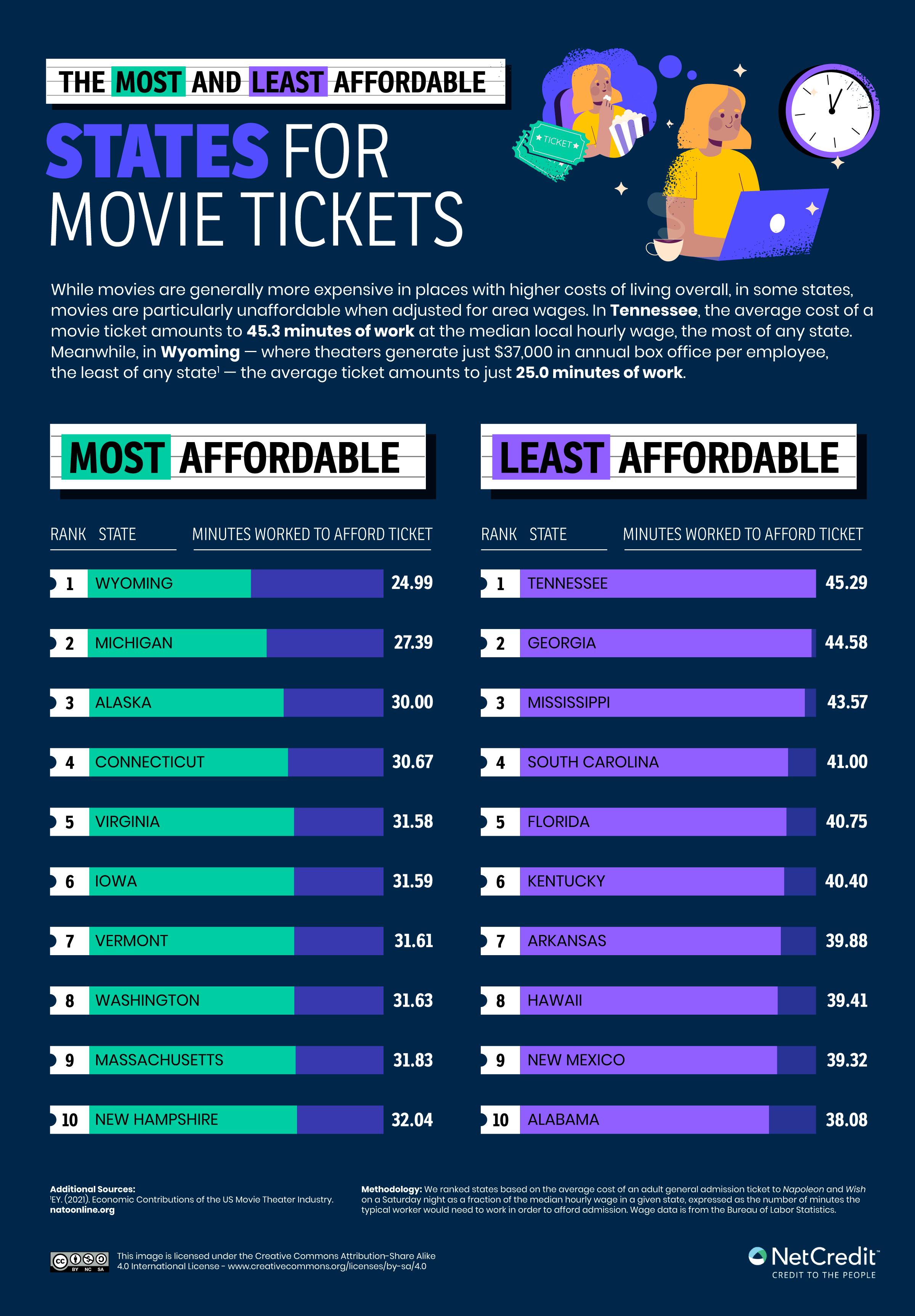
Strategic Diversification
To survive, theaters are looking at “how much” they can earn from non-film content. This includes hosting e-sports tournaments, live-streaming concerts (such as the highly successful Taylor Swift and Beyoncé concert films), and corporate events. By diversifying the utility of the physical space, theater owners can spread their high fixed costs across a wider range of revenue-generating activities. This financial agility is what will determine which theater chains survive the next decade of digital disruption.
In conclusion, “how much is the movie theater” is a question with a multi-layered answer. For the moviegoer, it is a $20 to $50 commitment that requires careful budgeting against subscription alternatives. For the business owner, it is a high-stakes game of maximizing concession margins and managing studio splits. And for the investor, it is a complex valuation of real estate, brand loyalty, and the enduring human desire for a communal, big-screen experience. Understanding these financial levers is essential for navigating the modern entertainment economy.
aViewFromTheCave is a participant in the Amazon Services LLC Associates Program, an affiliate advertising program designed to provide a means for sites to earn advertising fees by advertising and linking to Amazon.com. Amazon, the Amazon logo, AmazonSupply, and the AmazonSupply logo are trademarks of Amazon.com, Inc. or its affiliates. As an Amazon Associate we earn affiliate commissions from qualifying purchases.