
Tesla, Inc. (TSLA) stands as one of the most polarizing yet undeniably influential companies of the 21st century. Its journey from a niche electric vehicle (EV) startup to a global automotive and energy behemoth has been marked by unprecedented growth, intense scrutiny, and wild fluctuations in its market valuation. For investors, financial analysts, and the curious public alike, the question of “how much is Tesla worth?” is not merely a matter of a single dollar figure, but a complex interplay of current financial performance, future growth prospects, market sentiment, technological innovation, and competitive dynamics. Understanding Tesla’s valuation requires a deep dive into the financial metrics that drive its market capitalization, the various revenue streams it cultivates, and the speculative yet often justifiable optimism surrounding its long-term vision.
The Dynamic Landscape of Tesla’s Valuation
Tesla’s valuation is a constantly moving target, influenced by real-time market trading, quarterly earnings reports, product announcements, and even CEO Elon Musk’s pronouncements. The primary measure of a public company’s worth is its market capitalization, which is simply the current share price multiplied by the number of outstanding shares.
Understanding Market Capitalization
Market capitalization, often shortened to “market cap,” represents the total dollar value of a company’s outstanding shares. It’s a key indicator of a company’s size and perceived value in the stock market. For Tesla, this figure has swung dramatically, reflecting the company’s rapid growth, periods of intense speculation, and occasional investor skepticism. Unlike a fixed asset, market cap is subject to the ebb and flow of supply and demand for its stock, making it a live barometer of investor confidence and future expectations. While it provides a snapshot of the company’s current valuation, it doesn’t necessarily reflect its intrinsic value or underlying asset base, especially for growth companies like Tesla.
Tesla’s Journey to a Trillion-Dollar Valuation (and Fluctuations)
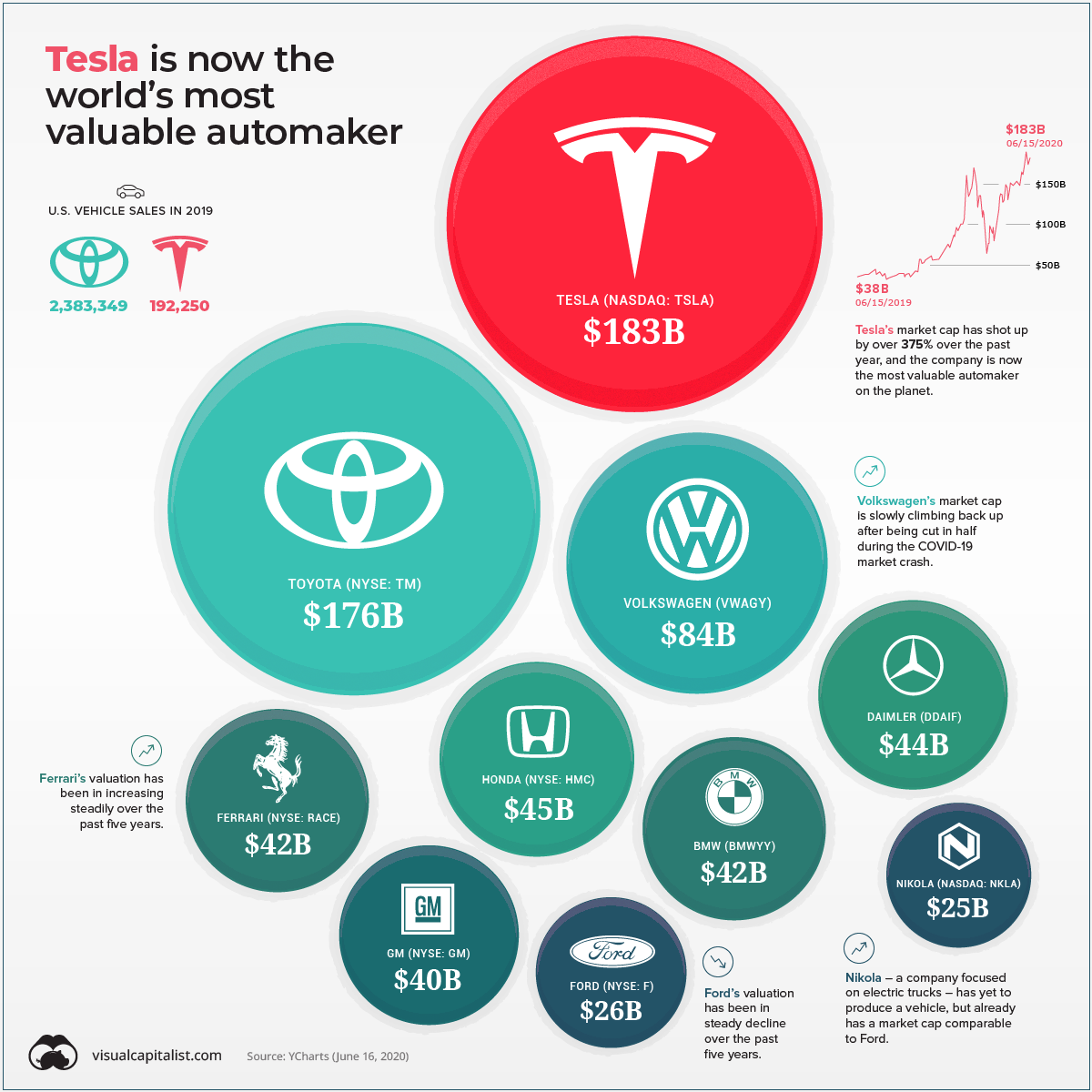
Tesla’s ascent to a trillion-dollar market capitalization was historic, cementing its status as one of the world’s most valuable companies, often surpassing the combined market caps of many legacy automakers. This milestone was driven by exponential growth in EV deliveries, increasing profitability, and the widespread belief in its technological superiority, particularly in battery technology and autonomous driving. However, this journey has not been linear. The stock has experienced significant volatility, with substantial pullbacks driven by broader market corrections, production challenges, competitive pressures, and concerns over demand fluctuations. These fluctuations highlight the speculative nature of investing in high-growth companies and underscore the importance of understanding the underlying financial health beyond just the headline market cap figure.
Key Financial Drivers Shaping Tesla’s Value
Beyond the headline market cap, Tesla’s valuation is fundamentally underpinned by its financial performance and its ability to generate revenue and profit from its diverse operations. Investors scrutinize various financial statements to assess the company’s health and future potential.
Revenue Streams and Growth Trajectory
Tesla’s revenue primarily stems from several key segments: automotive sales (electric vehicles), energy generation and storage (solar panels, Powerwall, Megapack), and services and other revenue (supercharging, vehicle maintenance, full self-driving upgrades). The automotive segment, particularly the Model 3 and Model Y, has historically been the dominant revenue driver. However, the growth in energy products and recurring software services is becoming increasingly important for diversifying its revenue base and improving margin profiles. Tesla’s valuation often reflects the market’s expectation of continued aggressive revenue growth, driven by expansion into new geographic markets, new product introductions (e.g., Cybertruck, Robotaxi), and increased production capacity.
Profitability and Cash Flow Generation
For many years, critics questioned Tesla’s path to sustainable profitability. However, the company has demonstrated consistent profitability in recent quarters, moving beyond reliance on regulatory credits to generate robust operating income from its core automotive business. Profitability metrics like gross margin, operating margin, and net income are crucial for assessing the efficiency of its operations and its ability to turn revenue into shareholder value. Equally important is free cash flow (FCF), which indicates the cash generated by the company after accounting for capital expenditures. Strong, consistent FCF generation is a hallmark of a financially healthy company and provides capital for expansion, debt reduction, or shareholder returns, all of which contribute positively to valuation.
The Role of Innovation in Financial Performance
While innovation itself might seem like a “Tech” topic, its financial impact is directly relevant to Tesla’s valuation in the “Money” niche. Tesla’s valuation is heavily influenced by its perceived leadership in battery technology, artificial intelligence (AI) for autonomous driving, and manufacturing innovation. These technological advancements are not just buzzwords; they translate directly into financial advantages:
- Cost Efficiencies: Better battery technology can lead to lower production costs and higher margins.
- Product Differentiation: Superior FSD capabilities can command premium pricing and create recurring revenue streams.
- Scalability: Innovative manufacturing processes (like gigafactories and mega castings) allow for unprecedented production scale and efficiency, directly impacting revenue and profitability.
Investors are willing to assign higher valuations to companies that demonstrate a clear path to future financial superiority through sustained innovation.
Deconstructing Tesla’s Valuation Metrics
Evaluating Tesla’s worth goes beyond simply looking at its market cap. Financial analysts employ various valuation multiples and metrics to understand if the company’s stock price is justified by its earnings, sales, or growth prospects.
P/E Ratios and Growth Multiples
The Price-to-Earnings (P/E) ratio is a common valuation metric, comparing a company’s share price to its per-share earnings. Tesla’s P/E ratio has historically been exceptionally high compared to traditional automakers, reflecting the market’s expectation of rapid future growth. A high P/E ratio suggests that investors are willing to pay a premium for each dollar of earnings, anticipating significant growth in those earnings down the line. Related to this are growth multiples, such as Price-to-Sales (P/S), which compares market cap to revenue, often used for companies with inconsistent or low earnings but strong revenue growth. Tesla’s P/S ratio also tends to be higher than its peers, underscoring its growth stock status. These metrics are crucial for comparing Tesla against both traditional automotive companies and high-growth technology firms, positioning it uniquely at the intersection of both sectors.
Enterprise Value vs. Market Cap
While market capitalization only reflects the equity value, Enterprise Value (EV) provides a more comprehensive measure of a company’s total value, taking into account both equity and debt, while subtracting cash and cash equivalents. EV is often preferred when comparing companies with different capital structures, as it gives a truer picture of the total cost to acquire the company. For Tesla, understanding its EV helps analysts assess its overall financial leverage and provides a more holistic view of its valuation, particularly when considering its significant investments in manufacturing facilities and research and development.
Comparing Tesla with Industry Peers
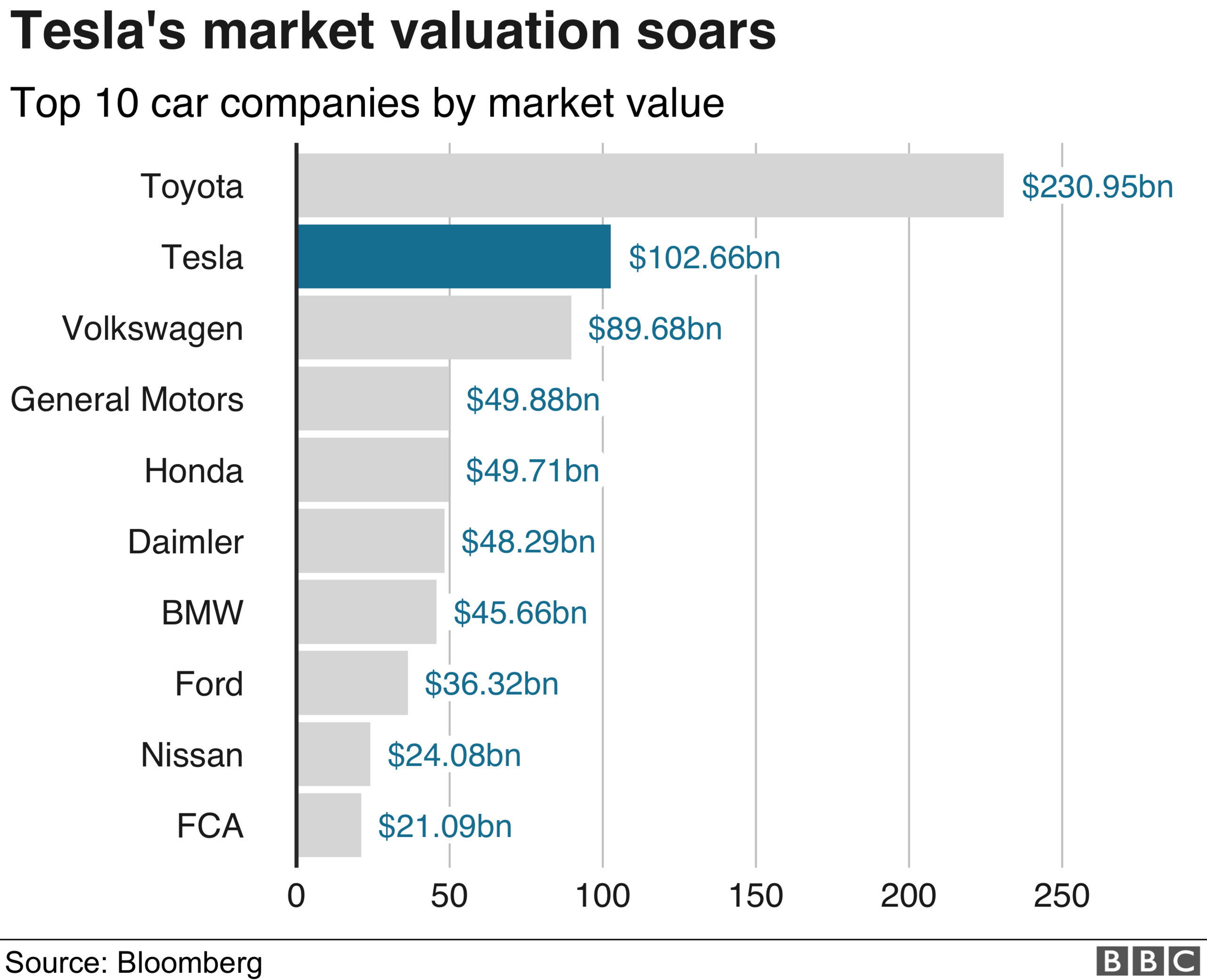
A critical aspect of valuing Tesla is benchmarking it against its competitors. However, Tesla’s unique position blurs the lines between sectors. Is it an automaker like Toyota and General Motors? A technology company like Apple or Google? Or an energy company?
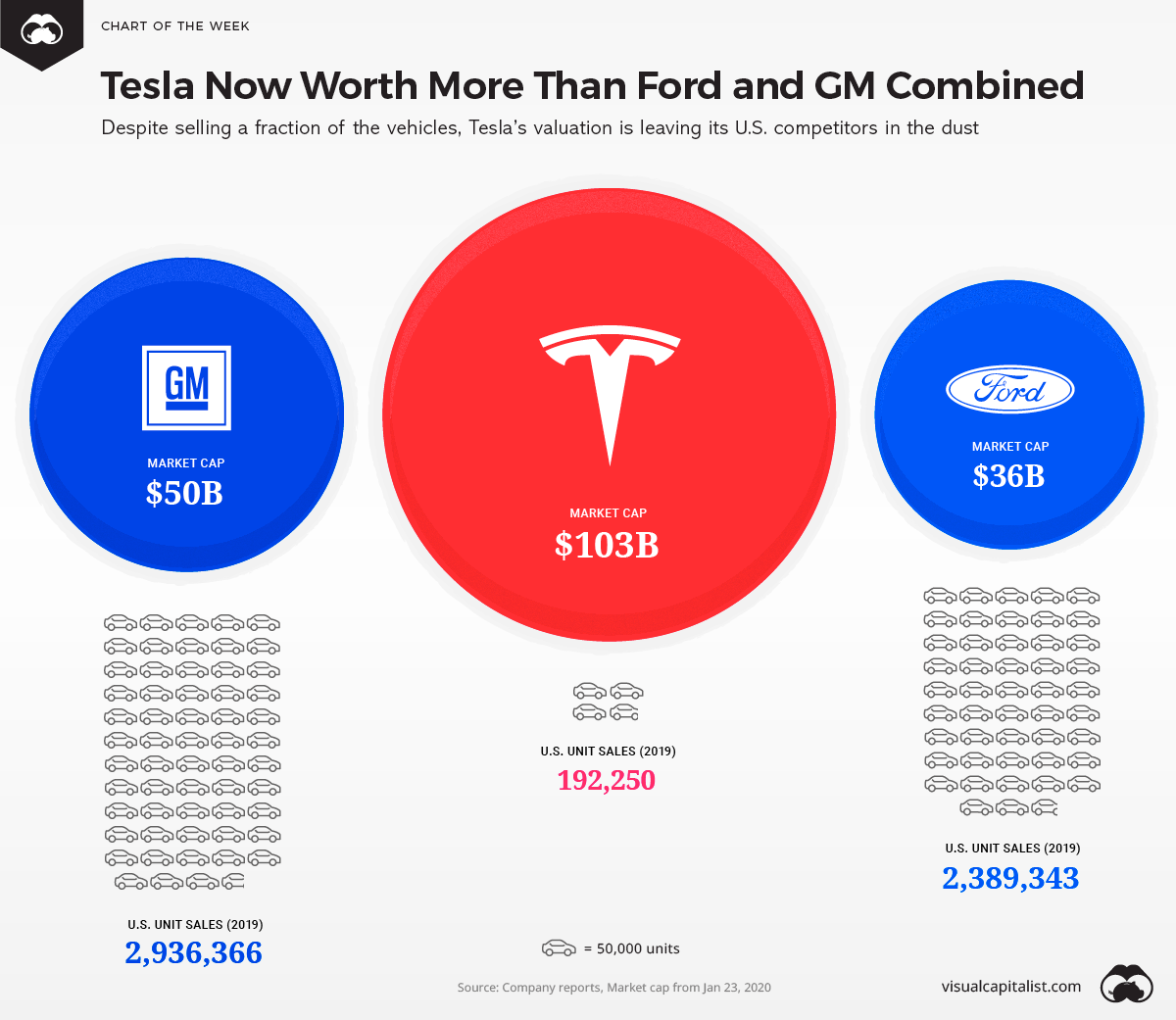
- Automotive Peers: Compared to traditional carmakers, Tesla typically trades at significantly higher P/E and P/S multiples, reflecting its higher growth rate, superior margins (in some periods), and perceived technological advantage.
- Tech Peers: When compared to high-growth tech companies, Tesla’s valuation can sometimes appear more reasonable, especially if one accounts for its future potential in AI (FSD, robotics) and energy storage.
This hybrid identity makes valuation challenging but also explains why it often commands a premium over traditional industrial companies.
Future Prospects and Potential Headwinds for Investors
Tesla’s valuation is forward-looking. A significant portion of its current market cap is based on expectations of what the company will achieve in the coming years and decades. Investors must weigh potential growth catalysts against significant risks.
Growth Catalysts: New Products, Markets, and Technologies
The bull case for Tesla’s valuation rests heavily on several key growth catalysts:
- Increased Production Scale: Reaching production targets of millions of vehicles annually, driven by new Gigafactories.
- New Product Introductions: Successful launches of the Cybertruck, Semi, and the highly anticipated Robotaxi network could unlock massive new revenue streams.
- Full Self-Driving (FSD) Monetization: The transition of FSD from an upfront software sale to a recurring subscription service, potentially leading to high-margin revenue and even an autonomous ride-hailing network.
- Energy Business Expansion: Scaling up the Megapack and Powerwall divisions to address global energy storage needs, positioning Tesla as a major player in the renewable energy infrastructure.
- AI and Robotics: Leveraging its AI expertise beyond vehicles, potentially into humanoid robots (Optimus), which could open entirely new markets.
Each of these avenues represents a multi-billion, if not multi-trillion, dollar opportunity that investors are pricing into the stock today.
Competitive Pressures and Market Saturation
Despite its pioneering role, Tesla faces rapidly intensifying competition. Every major automaker is now investing billions in EV development, and new startups are emerging globally. This increased competition could lead to:
- Market Share Erosion: Tesla may lose market share as more compelling and competitively priced EVs hit the market.
- Pricing Pressure: Increased supply could force Tesla to lower prices, impacting its profit margins.
- Technological Catch-up: Competitors might close the gap on battery technology or autonomous driving capabilities.
Furthermore, as the EV market matures, concerns about market saturation in developed economies could emerge, making sustained high growth more challenging.
Macroeconomic Factors and Regulatory Influences
Tesla’s valuation is also susceptible to broader macroeconomic trends and regulatory changes:
- Interest Rates: Higher interest rates can reduce the present value of future earnings, disproportionately affecting growth stocks like Tesla. They can also make car loans more expensive, dampening demand.
- Recessions: Economic downturns can lead to reduced consumer spending on big-ticket items like cars.
- Supply Chain Disruptions: Global supply chain issues (e.g., chip shortages) can hamper production and delivery.
- Regulatory Environment: Changes in government incentives for EVs, emissions standards, or safety regulations for autonomous vehicles can significantly impact Tesla’s business model and profitability. Investors continuously monitor these external factors as they can have a substantial impact on the company’s financial outlook and, consequently, its valuation.
Is Tesla a Sound Investment?
The question of whether Tesla is a sound investment depends heavily on an individual’s investment horizon, risk tolerance, and belief in the company’s long-term vision. It’s a stock that embodies the tension between traditional valuation metrics and future potential.
The Bull vs. Bear Case
- The Bull Case: Proponents argue that Tesla is not just an automotive company but a diversified technology giant poised to dominate multiple industries: energy, AI, robotics, and transportation services. They believe its current valuation still underprices its long-term potential for exponential growth, leveraging its data advantage, brand loyalty, and technological lead. They often point to its vertical integration and ability to innovate rapidly as key competitive advantages.
- The Bear Case: Skeptics contend that Tesla’s valuation is excessively speculative, overstating its competitive advantages and underestimating the challenges of scaling production and fending off fierce competition. They often highlight its high valuation multiples compared to earnings, the risks associated with Elon Musk’s leadership style, and the potential for regulatory hurdles or technological setbacks.
Long-Term Vision vs. Short-Term Volatility
Investing in Tesla requires a long-term perspective. Its stock often exhibits significant short-term volatility, driven by market sentiment, news cycles, and quarterly performance that may not always meet aggressive analyst expectations. However, investors who believe in Tesla’s mission to accelerate the world’s transition to sustainable energy, and who are confident in its ability to execute on ambitious projects like FSD and Optimus, are typically looking several years, if not decades, into the future. For them, the day-to-day fluctuations are less relevant than the long-term compounding of its technological and market leadership.
A Look at Investor Sentiment
Investor sentiment plays an outsized role in Tesla’s valuation. Elon Musk’s charismatic leadership, combined with a passionate retail investor base, creates a unique dynamic. Positive sentiment can drive rapid stock appreciation, while negative news or broader market downturns can lead to sharp declines. Understanding this psychological aspect of the market is crucial for anyone considering an investment in TSLA, as it can amplify both gains and losses.
In conclusion, “how much is the company Tesla worth?” is a question without a simple, static answer. Its valuation is a complex equation involving its current financial strength, its ambitious future prospects across multiple high-growth sectors, the intense competitive landscape, and the ever-present influence of investor sentiment. For financial professionals and individual investors alike, Tesla represents a fascinating case study in modern corporate valuation, blending fundamental analysis with the often-speculative promise of disruptive innovation.
aViewFromTheCave is a participant in the Amazon Services LLC Associates Program, an affiliate advertising program designed to provide a means for sites to earn advertising fees by advertising and linking to Amazon.com. Amazon, the Amazon logo, AmazonSupply, and the AmazonSupply logo are trademarks of Amazon.com, Inc. or its affiliates. As an Amazon Associate we earn affiliate commissions from qualifying purchases.