
In an increasingly crowded digital landscape, premium streaming services like Showtime offer a compelling blend of exclusive series, blockbuster movies, and compelling documentaries. However, as consumers navigate a myriad of subscription options, a fundamental question often arises: “How much does Showtime cost a month?” Beyond the simple price tag, understanding the financial implications, value proposition, and various subscription avenues is crucial for astute personal finance management. This article delves into the specifics of Showtime’s pricing, explores strategies for optimizing your investment, and positions the service within a broader financial planning context, ensuring you make an informed decision for your entertainment budget.
Decoding Showtime’s Current Subscription Model and Pricing
The core of any subscription decision begins with understanding the primary cost. Showtime, like many premium services, offers various entry points, each with distinct financial implications. Grasping these nuances is the first step in assessing its fit within your monthly spending.
Direct-to-Consumer: The Standalone App
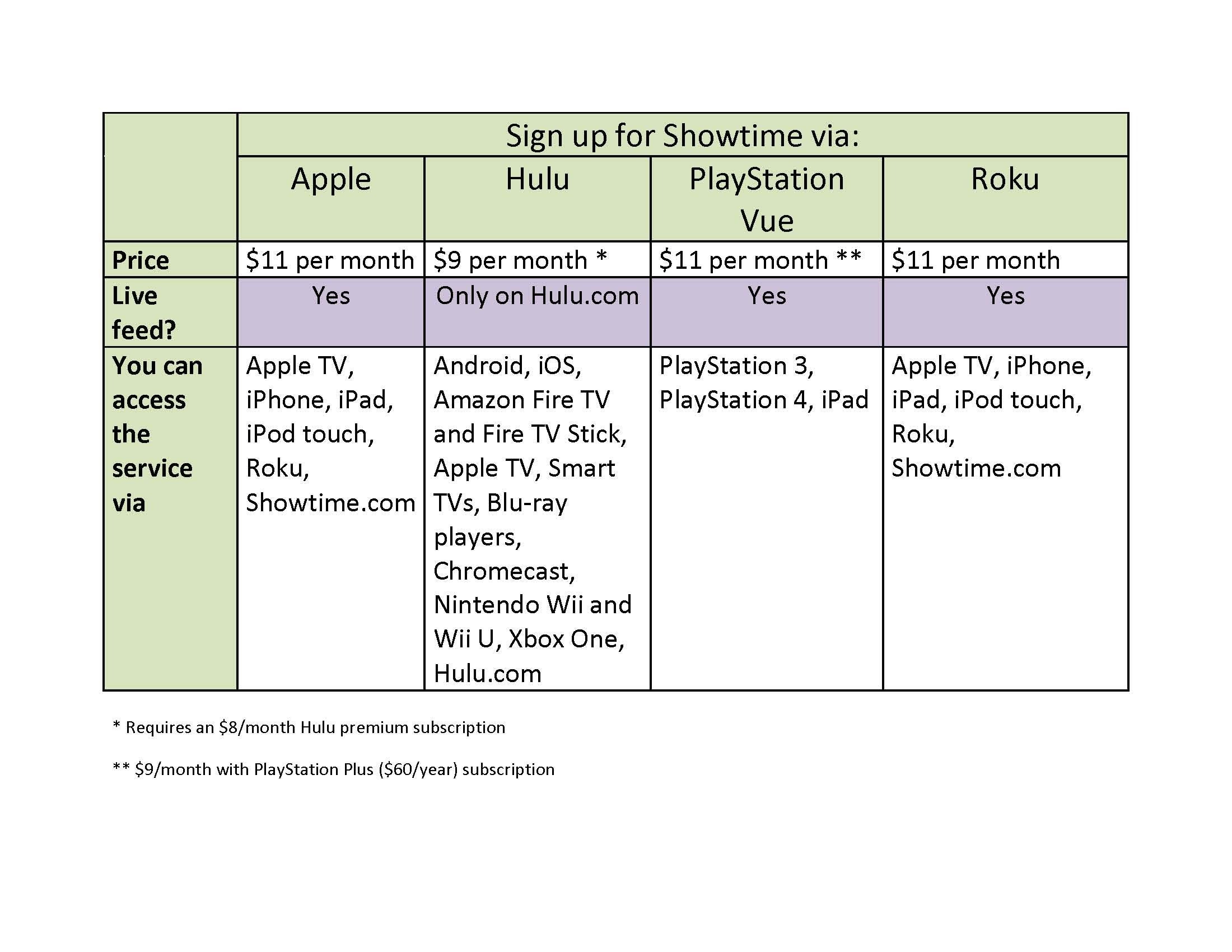
For most users seeking direct access to Showtime’s expansive library, the standalone application or website is the most straightforward route. The standard monthly subscription fee for Showtime, when purchased directly, typically hovers around $10.99 per month. This provides full access to their on-demand catalog, live East and West Coast feeds of the Showtime channel, and the ability to stream on multiple devices.
While seemingly a clear-cut figure, it’s essential to consider this cost in isolation first. For a dedicated fan of Showtime’s original programming like “Billions” or “Yellowjackets,” this direct subscription offers unfiltered access. There are often no hidden fees beyond the stated monthly rate, making it a predictable expense in a personal budget. However, some services occasionally offer annual payment options at a discounted rate, effectively lowering the average monthly cost. For instance, a hypothetical annual plan might be $99.99, reducing the effective monthly cost to roughly $8.33. Always check for such options directly on the Showtime website or app as they can represent significant long-term savings for committed subscribers.
Navigating Free Trials and Introductory Offers
One of the most attractive financial gateways to any streaming service is the free trial. Showtime regularly extends a free trial period, often lasting 7 to 30 days, allowing prospective subscribers to explore its content library without immediate financial commitment. This is a critical opportunity for a cost-benefit analysis.
From a financial planning perspective, the free trial is invaluable. It enables you to:
- Assess Content Value: Determine if the available shows and movies genuinely appeal to you and warrant the monthly expense.
- Evaluate Usage Frequency: Gauge how often you would realistically use the service. If you only watch one specific show, the long-term value might be diminished after that show concludes.
- Prevent Unwanted Charges: Crucially, set a calendar reminder to cancel the subscription before the trial period ends if you decide it’s not a worthwhile investment. Many consumers incur unwanted charges because they forget to cancel, turning a free exploration into an unplanned expenditure.
Beyond free trials, Showtime and its partners occasionally roll out introductory offers. These might include a reduced monthly rate for the first few months (e.g., $3.99 for 3 months) or bundled discounts. While these are excellent opportunities to save money upfront, always read the terms carefully to understand the regular price you’ll revert to after the promotional period, and factor that into your long-term budget. These promotions are temporary financial benefits, not permanent reductions.
Value Proposition: What Your Monthly Fee Buys
Beyond the raw dollar amount, the true financial assessment of Showtime lies in its value proposition. What does that $10.99 (or less) truly procure for your entertainment dollar?
- Exclusive Originals: Showtime is home to critically acclaimed series and limited runs that are not available elsewhere, representing a unique entertainment investment.
- Film Library: A rotating selection of major studio films, often including recent releases, adds significant value, potentially negating the need for individual movie rentals.
- Sports & Documentaries: For fans of boxing or premium documentaries, Showtime’s specialized content can be a major draw, adding specialized value beyond general entertainment.
- Ad-Free Experience: Typically, the direct Showtime subscription offers an ad-free viewing experience, a premium feature that many users value, improving the overall entertainment experience and saving time.
When considering the value, reflect on how much you might spend on individual movie rentals, cinema tickets, or other forms of entertainment. If Showtime’s library consistently provides content you enjoy, its monthly fee could be a more cost-effective alternative to other entertainment expenditures, becoming a strategic allocation of your discretionary income.
Showtime Through Third-Party Platforms: A Financial Comparison
The streaming ecosystem is characterized by interconnectedness. Showtime is often available not just as a standalone service but also as an add-on or integrated channel within other platforms. While convenient, each avenue presents a slightly different financial calculation for the consumer.
Channel Add-ons: Amazon Prime Video, Hulu, Apple TV+
Many popular streaming hubs allow users to subscribe to Showtime as an “add-on” channel directly through their existing interface. Platforms like Amazon Prime Video Channels, Hulu, and Apple TV+ often offer Showtime at the same standalone price, typically $10.99/month.
The financial benefit here isn’t usually a price reduction, but rather a matter of consolidated billing and convenience. For individuals who already subscribe to one of these primary platforms, adding Showtime means:
- Simplified Billing: All your streaming expenses appear on a single statement (e.g., your Amazon bill), which can aid in tracking and budgeting.
- Integrated User Experience: Accessing Showtime content within a familiar app streamlines the viewing process.
- Potential Bundling Opportunities: While not always guaranteed, these platforms occasionally offer promotional bundles, such as a reduced rate for adding multiple premium channels. For example, Amazon might run a deal offering Showtime and Paramount+ at a combined discount for a limited period.
When evaluating these options, consider your existing subscriptions. If you’re already deeply integrated into the Amazon ecosystem with Prime Video, adding Showtime there might simplify your financial oversight. Conversely, if you prefer to keep your subscriptions siloed for granular tracking, subscribing directly might be more suitable.
Live TV Streaming Services: YouTube TV, Sling TV, FuboTV
Beyond on-demand platforms, Showtime is a common premium add-on for “cord-cutting” live TV streaming services. Services like YouTube TV, Sling TV, FuboTV, and DirecTV Stream provide a channel lineup similar to traditional cable, with premium networks available for an additional monthly fee.
The financial calculus here is more complex:
- Base Package Cost: These services themselves carry a substantial monthly fee (e.g., YouTube TV is around $72.99/month). Showtime’s add-on fee (typically $10.99/month) is on top of this base cost.
- Incremental Value: You must determine if the incremental cost of Showtime is justified given the already significant base subscription. For those who need a robust live TV lineup and also desire Showtime, it might be the most practical way to consolidate their entertainment spending.
- Bundle Savings (Limited): Unlike traditional cable, live TV streamers rarely offer deep discounts on premium add-ons. The primary benefit is usually convenience and avoiding a separate direct subscription.

For budget-conscious consumers, assessing a live TV streaming service plus Showtime means asking: “Am I truly utilizing all the channels in the base package to justify its cost, and is Showtime a non-negotiable part of my entertainment?” Often, an individual subscriber might find better financial value by opting for a cheaper, on-demand only service plus the standalone Showtime app, rather than a full live TV package.
Cable Provider Integration: Legacy Bundles and Savings
Before the rise of standalone apps, Showtime was predominantly accessed through traditional cable television providers. Today, while many have “cut the cord,” cable companies still offer Showtime, often bundled with other premium channels or as part of a larger, promotional package.
The financial considerations for cable subscribers include:
- Bundle Pricing: Cable providers frequently offer introductory bundles that include internet, TV, and premium channels (like Showtime, HBO, Starz) at a seemingly attractive combined rate. However, these promotional prices often increase significantly after 12-24 months.
- True Cost of Ownership: It’s crucial to break down the actual cost of Showtime within a large cable bill. While it might appear “free” or heavily discounted in a bundle, the overall cable bill can be substantially higher than a combination of internet and direct streaming subscriptions.
- Negotiation Power: Existing cable subscribers might have leverage to negotiate for Showtime to be included or discounted, especially if threatening to cancel or downgrade service. This is a financial strategy unique to the cable model.
For those contemplating cutting the cord, comparing a cable bill with Showtime to a standalone internet plan plus a direct Showtime subscription is a vital exercise. Often, the sum of individual streaming services and a high-speed internet plan proves to be significantly cheaper than a comprehensive cable package, offering substantial long-term savings for your personal budget.
Maximizing Value and Minimizing Spend: Smart Strategies for Showtime Subscribers
Once you understand the various costs, the next step is to implement smart financial strategies to ensure you’re getting the most out of your Showtime subscription without overspending. Efficient management of your digital subscriptions is a cornerstone of modern personal finance.
The Power of Bundles: Is More Always Cheaper?
Bundling is a common marketing tactic designed to offer perceived value. While some bundles genuinely save money, others might lead to paying for services you don’t fully utilize.
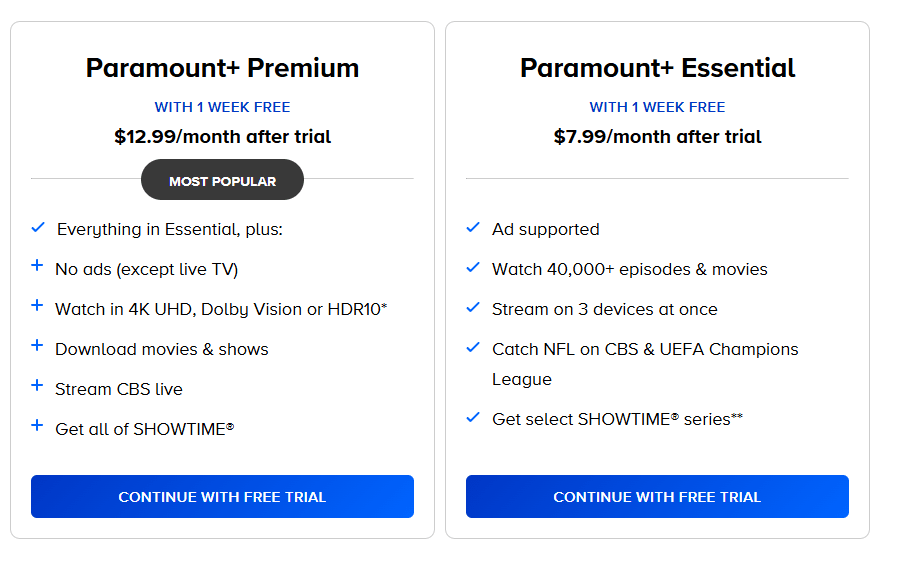
- Platform-Specific Bundles: Keep an eye out for bundles offered by major players like Paramount Global (Showtime’s parent company), which might offer Showtime alongside Paramount+ at a reduced combined rate. For example, a “Paramount+ with Showtime” bundle might be available for around $11.99 – $12.99/month (ad-supported Paramount+ tier) or $19.99/month (ad-free Paramount+ tier), representing a saving compared to subscribing to both separately. If you value content from both services, this is a clear financial win.
- Telecom & Mobile Bundles: Some internet service providers or mobile carriers occasionally include streaming services as perks or at a reduced rate for their customers. Always check your current provider’s offerings.
- Critical Evaluation: Before committing to a bundle, calculate the individual cost of each service you genuinely want. If a bundle includes services you would never use, the “savings” are illusory, as you’re still paying for unnecessary content. The goal is true financial efficiency, not just a lower number on paper.
Strategic Subscription Management: Pause, Cancel, Resubscribe
The flexibility of streaming subscriptions is a powerful financial tool. Unlike long-term cable contracts, most direct streaming services allow you to cancel at any time, effective at the end of your current billing cycle.
- Seasonal Viewing: If you primarily subscribe to Showtime for a specific show that airs seasonally (e.g., “Dexter: New Blood”), consider subscribing only for the duration of that show’s run. Once the season concludes, cancel your subscription and resubscribe when the next season or another desirable show becomes available. This can save you months of unnecessary payments.
- Content Cycling: Implement a “streaming rotation” strategy. Instead of subscribing to all desired services simultaneously, cycle through them. For example, subscribe to Showtime for two months, then switch to Hulu for two months, then Max for two months. This allows you to catch up on content across platforms while significantly reducing your monthly entertainment expenditure.
- Reminders are Key: Utilize calendar reminders or dedicated subscription management apps to track your billing dates and cancel before auto-renewal if you plan to pause or stop. This proactive approach prevents accidental charges and keeps your budget on track.
Leveraging Promotions and Student Discounts
Beyond standard pricing, various specific opportunities can lead to significant savings.
- Student Discounts: Some streaming services, including Showtime, occasionally partner with student verification platforms (like UNiDAYS or Student Beans) to offer reduced monthly rates for eligible students. These discounts can cut the monthly cost by a substantial percentage, making premium content more accessible.
- Gift Cards: Keep an eye out for discounted gift cards for streaming services at retailers. Buying a $50 gift card for $40 effectively gives you a 20% discount on your subscription.
- Cashback and Rewards Programs: Certain credit cards or loyalty programs offer cashback or bonus points for streaming service expenditures. While not a direct discount, these can subtly reduce the net cost over time.
- Seasonal Sales: Black Friday, Cyber Monday, or other holiday periods are prime times for streaming services to offer special pricing or extended free trials. Being aware of these annual windows allows for strategic subscription initiation.
Showtime in Your Personal Budget: A Financial Planning Perspective
Ultimately, the decision to subscribe to Showtime, or any streaming service, is a personal financial choice. It’s about how this discretionary expense aligns with your broader financial goals and priorities.
Discretionary Spending: Allocating Funds for Entertainment
In personal finance, discretionary spending refers to money spent on non-essential items and services, which includes entertainment.
- Setting an Entertainment Budget: It’s crucial to allocate a specific, realistic amount for entertainment each month. This helps prevent overspending on streaming services, dining out, or other leisure activities.
- Prioritization: Within your entertainment budget, prioritize what matters most. Is Showtime’s content more valuable to you than, say, a gym membership, a night out, or another streaming service?
- The 50/30/20 Rule: If you follow budgeting guidelines like the 50/30/20 rule (50% needs, 30% wants, 20% savings/debt repayment), streaming services fall squarely into the “wants” category. Ensure your total “wants” spending remains within your allocated percentage.
Subscribing to Showtime isn’t just about the $10.99; it’s about whether that $10.99 could be better utilized elsewhere in your financial plan, such as contributing to savings, paying down debt, or investing.
Cost-Benefit Analysis: Is Showtime Worth Your Hard-Earned Money?
Beyond a simple budget, a deeper cost-benefit analysis involves assessing both the tangible and intangible returns on your investment.
- Usage vs. Cost: How many hours a month do you realistically spend watching Showtime? Divide the monthly cost by your hours of usage. Is the “cost per hour” of entertainment reasonable compared to other activities?
- Emotional Value: Can the relaxation, escape, or intellectual stimulation provided by Showtime’s content be considered a valuable return on your investment in terms of well-being? This is an intangible benefit, but a real one for many.
- Opportunity Cost: What are you giving up by spending money on Showtime? Could that money be used for a personal development course, an experience, or an investment that generates future wealth? This concept is central to sound financial decision-making.
The “worth” of Showtime is highly subjective. For someone who deeply enjoys its unique content and views it as a vital source of relaxation, it might be a worthy expense. For another, with a tight budget and less interest in its specific programming, it might be an unnecessary luxury.
The Evolving Streaming Economy: Future Pricing and Consumer Choices
The streaming landscape is dynamic, with new services, content, and pricing models emerging constantly. This evolution has direct implications for your financial planning.
- Price Increases: Streaming services, including Showtime, are not immune to price increases. Stay informed about potential future hikes and be prepared to re-evaluate your subscription if the cost-benefit balance shifts unfavorably.
- Content Exclusivity Wars: As companies increasingly produce their own content and pull it from competitors, consumers might find themselves needing more subscriptions to access all desired shows. This fragmented market can lead to “subscription fatigue” and increased overall spending.
- Consumer Power: As a consumer, your subscription choices send a signal to the market. By strategically subscribing, pausing, and cancelling based on value and price, you exercise financial power and influence the direction of the streaming economy.
In conclusion, while the question “how much is Showtime a month?” has a straightforward answer, the financial implications are far more nuanced. By understanding the direct costs, exploring third-party avenues, employing smart subscription management strategies, and integrating Showtime into your personal budget with a clear financial perspective, you can ensure your entertainment spending is both enjoyable and fiscally responsible.
aViewFromTheCave is a participant in the Amazon Services LLC Associates Program, an affiliate advertising program designed to provide a means for sites to earn advertising fees by advertising and linking to Amazon.com. Amazon, the Amazon logo, AmazonSupply, and the AmazonSupply logo are trademarks of Amazon.com, Inc. or its affiliates. As an Amazon Associate we earn affiliate commissions from qualifying purchases.