
In an era defined by “subscription fatigue,” the cost of digital entertainment has become a significant line item in the average household budget. As streaming services continue to hike prices and introduce ad-supported tiers, consumers are increasingly scrutinizing the return on investment (ROI) of their monthly outlays. One of the most complex players in this space is Amazon Prime Video. Unlike standalone services, its pricing is often bundled into a larger ecosystem, making the question “How much is Prime Video a month?” a gateway into a deeper financial discussion about value, convenience, and strategic spending.
1. Decoding the Prime Video Pricing Structure
To understand the financial impact of Prime Video, one must first navigate the various entry points Amazon offers. Unlike many of its competitors, Amazon provides a bifurcated pricing model that appeals to different consumer segments, from the casual viewer to the power shopper.
The Standalone Prime Video Membership
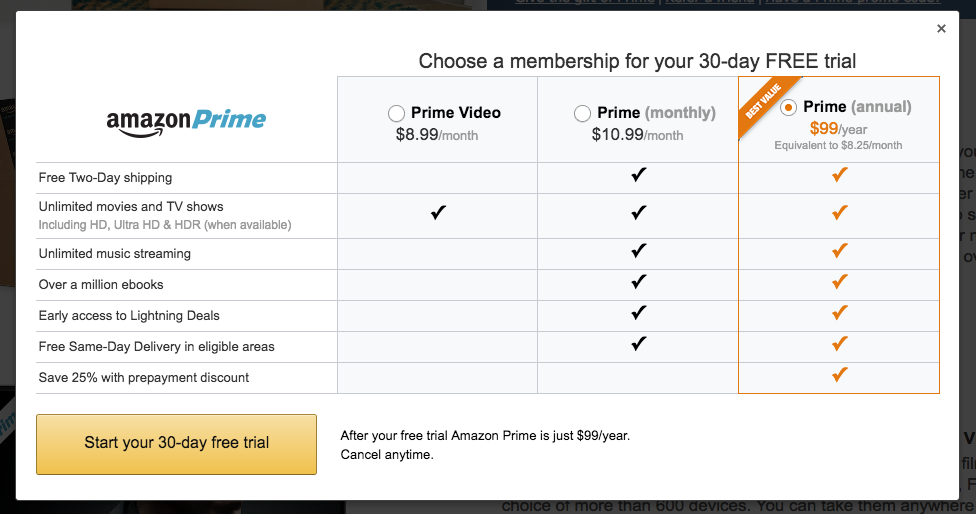
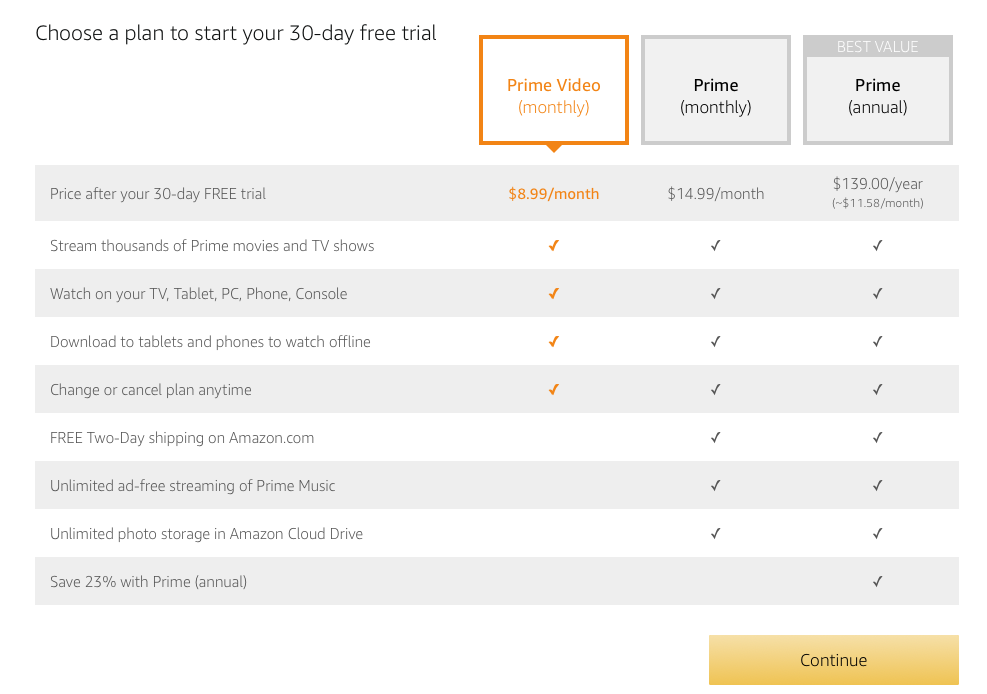
For those who have no interest in the retail benefits of Amazon.com, there is a standalone Prime Video subscription. Currently priced at $8.99 per month, this option is designed for the “entertainment-first” consumer. From a personal finance perspective, this is often the most overlooked option. If your primary goal is to access critically acclaimed originals like The Boys or The Marvelous Mrs. Maisel without the $100+ annual commitment of a full Prime membership, this $8.99 price point offers a leaner way to manage your digital overhead.
The Integrated Amazon Prime Membership
The most common way users access Prime Video is through the comprehensive Amazon Prime membership. This is currently priced at $14.99 per month or $139 per year. When you opt for the annual payment, the effective monthly cost drops to approximately $11.58. For the savvy budgeter, the annual plan represents a nearly 23% discount over the monthly billing cycle. However, this requires an upfront capital outlay, which may not suit those living paycheck-to-paycheck or those who prefer the liquidity of a monthly commitment.
Discounted Tiers: Student and Assistance Programs
Amazon offers some of the most aggressive discounting in the streaming industry for specific demographics. Prime Student provides a six-month trial followed by a price of $7.49 per month (or $69 per year), making it a high-value tool for those managing a student budget. Furthermore, the “Prime Access” program offers a discounted rate of $6.99 per month for recipients of qualifying government assistance (such as SNAP or EBT). From a financial equity standpoint, these tiers ensure that digital entertainment remains accessible across various socio-economic brackets.
2. Beyond the Base Fee: The “Hidden” Costs of Amazon’s Ecosystem
When calculating the monthly cost of Prime Video, it is a financial mistake to look only at the subscription fee. Amazon’s platform is designed as a “hub-and-spoke” model, where the base subscription is the entry point into a much larger marketplace of digital expenses.
The New Reality of Ad-Supported Streaming
In early 2024, Amazon transitioned its standard Prime Video experience to include “limited advertisements.” For users who wish to maintain the ad-free experience they previously enjoyed, Amazon introduced an additional surcharge of $2.99 per month. This shifts the effective cost of a “premium” Prime Video experience to nearly $18 per month for monthly subscribers. In the context of personal finance, this is a classic example of “feature creep,” where the cost of a service increases not through a base-rate hike, but through the monetization of previously included features.
Prime Video Channels and Add-ons
One of Amazon’s most successful business strategies is “Prime Video Channels.” This allows users to subscribe to third-party services like Paramount+, Max, or Discovery+ directly through the Prime interface. While this offers centralized billing—a plus for financial organization—it can lead to “invisible” spending. When multiple $5.99 to $15.99 subscriptions are layered onto a single Amazon bill, the total monthly cost of the platform can easily exceed $50 or $60. Managing these “micro-subscriptions” is essential for anyone looking to maintain a disciplined entertainment budget.
The Rental and Purchase Marketplace
Unlike Netflix, which is a pure “all-you-can-eat” model, Prime Video integrates its subscription content with a digital storefront. This creates a psychological “nudge” toward spending. A user might search for a movie only to find it is not included in the Prime library but is available for a $5.99 rental. From a behavioral finance perspective, this reduces the friction of spending, potentially leading to impulse purchases that can disrupt a monthly budget.
3. Value Proposition and ROI: Is Prime Video Worth the Cost?
In finance, the value of an asset isn’t just its price; it’s what that price buys you compared to the alternatives. To determine if Prime Video is a “good deal,” we must look at the cost-per-hour of entertainment and the ancillary benefits of the membership.
Comparing the Competition
When stacked against its peers, Prime Video’s $8.99 standalone price is competitive. Netflix’s standard ad-free plan is significantly higher, and even Disney+ has seen aggressive price hikes. However, when you look at the $14.99 full Prime membership, the value is tied directly to how much you use the shipping benefits. If you place more than two or three Amazon orders a month, the “shipping savings” effectively subsidize the cost of the video service to near zero. Conversely, if you rarely shop online, you are paying a premium for a bundle of services you aren’t utilizing.
The “Sunk Cost” Trap of Bundled Services
There is a psychological phenomenon in personal finance where consumers feel obligated to use a service because they have already paid for it. Because Prime Video is bundled with shipping, music, and reading benefits, many consumers view it as “free.” However, nothing in the Amazon ecosystem is free. Every dollar spent on a Prime membership is a dollar that cannot be invested or saved. A periodic audit of how much time you actually spend watching Prime Video versus other platforms is a healthy financial habit to ensure your entertainment dollars are working as hard as possible.
The Lifestyle ROI
For many, the value of Prime Video isn’t just in the movies, but in the time saved. The integration of Prime Video with Alexa and Fire TV devices creates a seamless user experience that reduces the “search cost” of finding something to watch. For a busy professional, the convenience of a unified ecosystem can be worth the $14.99 monthly fee. In this sense, you aren’t just buying content; you are buying an optimized lifestyle.
4. Strategic Budgeting for the Streaming Era
As the cost of living continues to fluctuate, managing digital subscriptions is a vital part of modern financial planning. Prime Video, with its various tiers and add-ons, requires a proactive approach.
The “Seasonal Rotation” Strategy
One of the most effective ways to save money on streaming is the “rotation strategy.” Since Prime Video does not require a long-term contract for its monthly plans, a financially savvy consumer can subscribe for a month to binge-watch specific series and then cancel. Even the full Prime membership can be toggled on and off. By only paying for the months you actually use the service, you can slash your annual entertainment spend by 50% or more.
Utilizing Tracking and Management Tools
With the rise of recurring digital costs, several financial tools have emerged to help consumers track their “vampire” subscriptions. Apps like Rocket Money or the subscription tracking features in most modern banking apps (like Chase or Wells Fargo) can highlight exactly how much Amazon is taking from your account each month, including those easily forgotten Channel add-ons. Reviewing your Amazon “Digital Orders” history once a quarter is a high-impact, low-effort way to tighten your budget.

The Math of Annual vs. Monthly Payments
For those who are certain they will use Prime year-round, the $139 annual fee is the clear winner. However, from a cash-flow management perspective, some prefer the $14.99 monthly hit to avoid a large triple-digit charge in a single month. If you choose the annual route, a smart financial move is to “self-insure” the cost: set aside roughly $11.60 each month into a high-yield savings account so that when the annual renewal hits, the money is already accounted for and has even earned a few cents in interest.
In conclusion, the question of how much Prime Video costs is not a static one. Whether it is $8.99, $14.99, or $17.98 (with the ad-free upgrade), the real cost is determined by your usage patterns and your ability to manage the surrounding ecosystem. By treating Prime Video not just as an entertainment app, but as a strategic financial commitment, you can enjoy the best of modern cinema while keeping your personal balance sheet in the black.
aViewFromTheCave is a participant in the Amazon Services LLC Associates Program, an affiliate advertising program designed to provide a means for sites to earn advertising fees by advertising and linking to Amazon.com. Amazon, the Amazon logo, AmazonSupply, and the AmazonSupply logo are trademarks of Amazon.com, Inc. or its affiliates. As an Amazon Associate we earn affiliate commissions from qualifying purchases.