
In the evolving landscape of personal finance, the line between digital wallets and traditional banking continues to blur. PayPal, once primarily known as a gateway for eBay transactions and peer-to-peer transfers, has transformed into a comprehensive financial ecosystem. For individuals and business owners looking to optimize their cash flow, the logical next step in leveraging this platform is obtaining a physical PayPal card. Whether you are seeking a way to spend your freelance earnings instantly or looking to maximize cashback rewards on everyday purchases, understanding the nuances of PayPal’s card offerings is essential for modern financial management.
Understanding the PayPal Card Suite: Debit, Credit, and Prepaid Options
Before beginning the application process, it is vital to distinguish between the various types of cards PayPal offers. Unlike a traditional bank that might offer a single flagship debit card, PayPal provides a tiered system designed to meet specific financial needs, ranging from basic liquidity to credit-building.
The PayPal Cashback Mastercard®
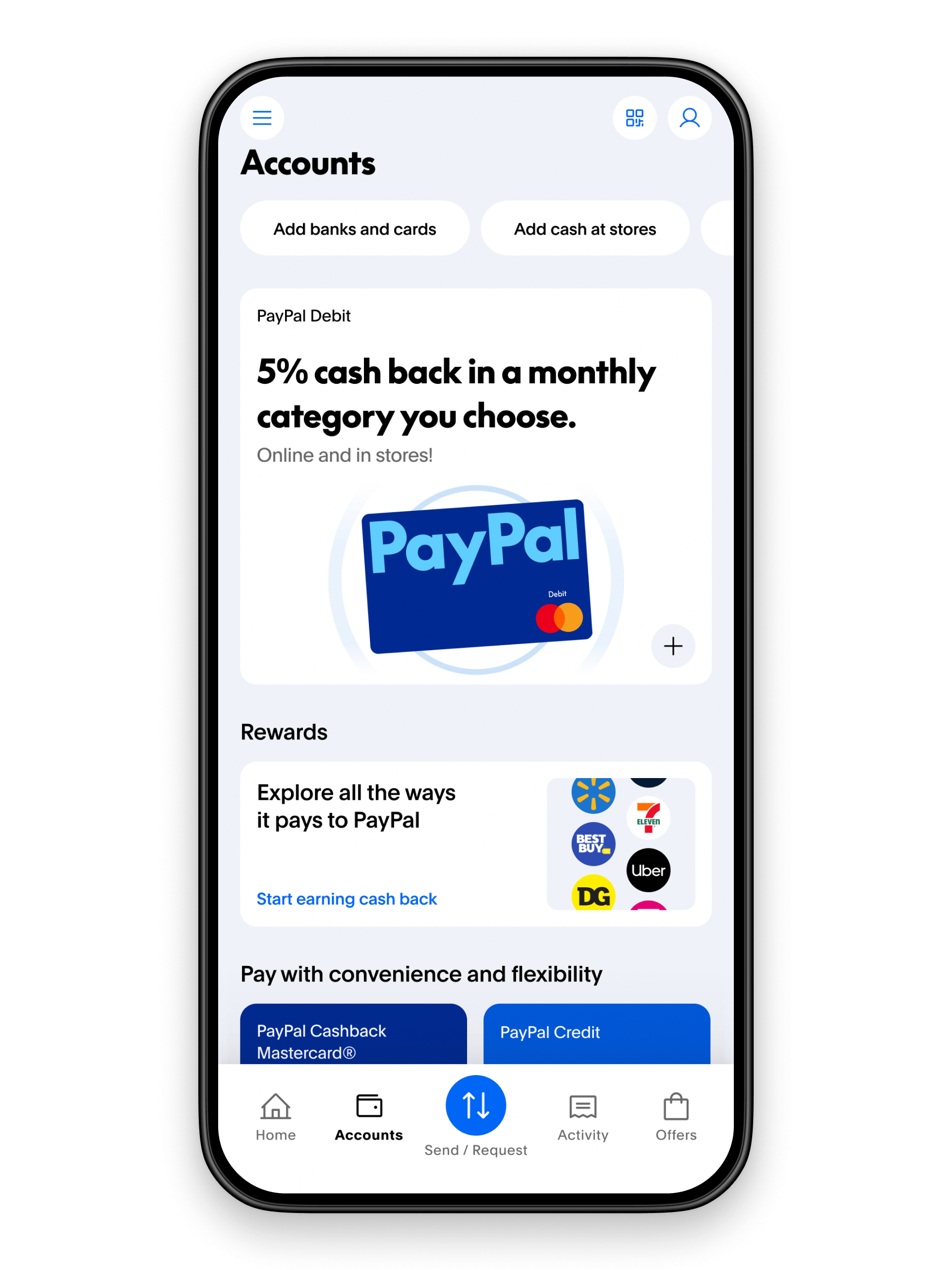
For those focused on maximizing their “Money” strategy, the PayPal Cashback Mastercard is a powerful credit tool. It is designed for users who want to earn rewards on every purchase without the complexity of rotating categories. Typically offering high-tier cashback percentages on PayPal purchases and a competitive rate on all other transactions, this card functions as a traditional credit card while integrating deeply with your digital wallet.
The PayPal Debit Mastercard®
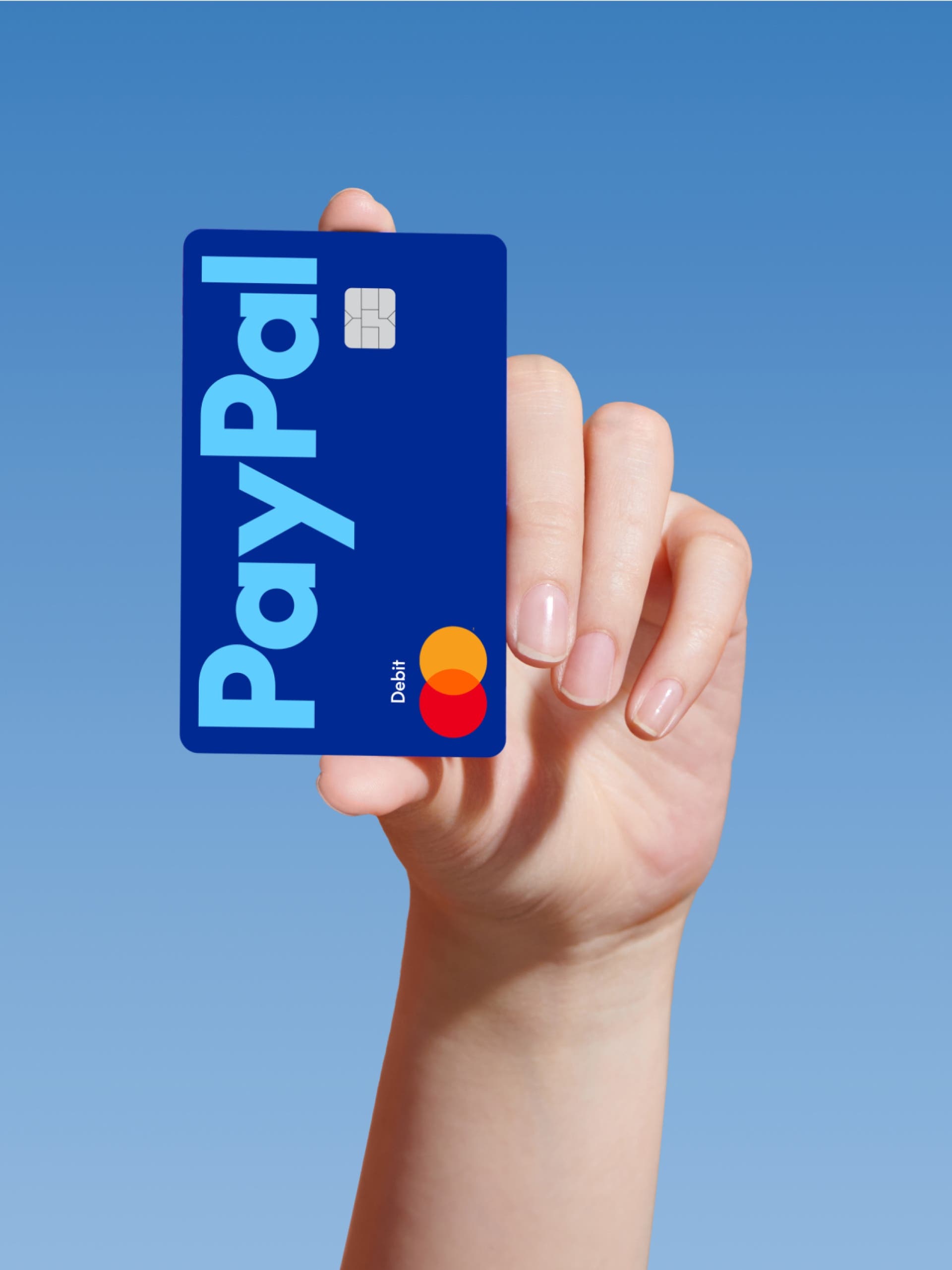
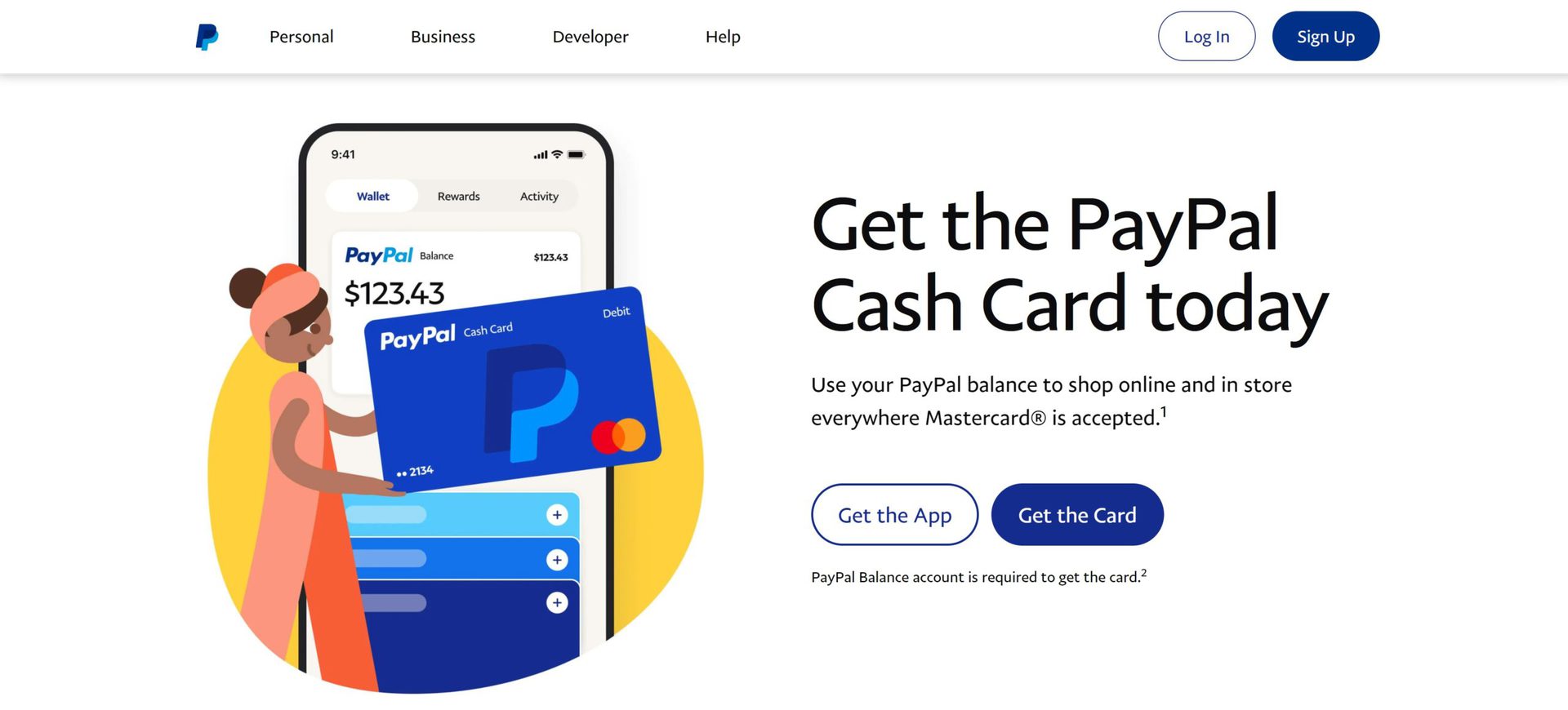
The PayPal Debit Mastercard (often referred to as the PayPal Cash Card) is a debit instrument linked directly to your PayPal Balance account. This is the primary tool for users who receive online income or side-hustle payments and wish to access those funds at brick-and-mortar retailers or ATMs without waiting for a bank transfer. It is not a credit card; rather, it is a liquidity tool that bridges the gap between digital earnings and physical spending.
The PayPal Business Debit Mastercard®
Specifically tailored for entrepreneurs and small business owners, this version of the card offers features conducive to business finance management. It often includes a percentage of cashback on “eligible” spends, providing a small but consistent margin of return on operational expenses. For a business owner, this card is less about credit and more about the velocity of capital—ensuring that revenue can be reinvested into the business immediately.
Step-by-Step Guide to Applying for Your PayPal Card
The process of acquiring a PayPal card is streamlined, but it requires adherence to specific financial regulations and “Know Your Customer” (KYC) protocols. Because PayPal operates in conjunction with licensed banking institutions (such as Synchrony Bank or The Bancorp Bank), the application is more than just a settings toggle; it is a formal financial request.
Eligibility and Prerequisites
Before applying, ensure your PayPal account is in good standing. This means having a verified identity, which usually involves linking a primary bank account or a mobile phone number. For the Credit version of the card, a credit check is mandatory, and your FICO score will play a significant role in approval. For the Debit version, the requirements are lower, but you must have a “PayPal Balance” account set up, which requires providing your Social Security Number and date of birth to comply with federal anti-money laundering laws.
The Digital Application Process
To begin, navigate to the “Cards” or “Wallet” section of your PayPal dashboard.
- Selection: Choose the card that aligns with your financial goals (Credit for rewards/building credit, or Debit for instant access to funds).
- Verification: Confirm your personal details. PayPal will pre-fill much of this from your account profile, but ensure your legal name and residential address are current.
- Review of Terms: Pay close attention to the Cardholder Agreement. In the realm of personal finance, the “fine print” regarding interest rates (for the Mastercard) or ATM withdrawal limits (for the Debit card) is where your long-term costs are determined.
Activation and Initial Setup
Once approved, your physical card typically arrives within 7 to 10 business days. Upon arrival, activation is handled through the PayPal app or website. A critical step in the setup is choosing your “backup” funding source. This is a sophisticated financial feature that allows the card to pull funds from a linked bank account if your PayPal balance is insufficient, ensuring you never face a declined transaction at the point of sale.
Integrating PayPal Cards into Your Personal Finance Strategy
Simply owning the card is the first step; the second is utilizing it as a strategic component of your broader financial portfolio. In the “Money” niche, efficiency and optimization are the goals.
Managing Cash Flow and Instant Access
For freelancers, gig workers, and online sellers, “time is money.” Traditional banking transfers can take 1-3 business days to clear. By using a PayPal Debit Card, that delay is eliminated. The moment a client pays an invoice or a customer buys a product, those funds are available for use at a grocery store or a gas station. This “instant liquidity” can be a lifesaver for managing tight monthly budgets or unexpected emergency expenses.
Maximizing Rewards and Reinvestment
If you opt for the PayPal Cashback Mastercard, the strategy shifts toward “rebate optimization.” By routing all your monthly bills—utilities, subscriptions, and insurance—through the PayPal card, you can effectively shave 2-3% off your total cost of living through cashback. For a business owner, using the Business Debit card to pay for digital advertising or inventory can result in hundreds of dollars in annual rewards that can be reinvested back into the company.
Budgeting with the Digital/Physical Hybrid Model
One of the best ways to use a PayPal card for budgeting is to treat it as a “discretionary spending” account. You can transfer a set amount of “fun money” or “eating out” budget into your PayPal balance each month. By spending only what is on the card, you create a hard ceiling for your variable expenses, protecting your primary savings and checking accounts from impulsive overspending.
Fees, Limits, and Security: Protecting Your Assets
A responsible approach to personal finance requires a clear-eyed look at the costs and risks associated with any financial tool. While PayPal cards offer significant convenience, they are not without their specific parameters.
Understanding the Fee Structure
While there is typically no annual fee for the PayPal Cashback Mastercard or the standard Debit card, other costs can accrue.
- ATM Fees: Using an out-of-network ATM usually incurs a fee from both PayPal and the ATM operator.
- Foreign Transaction Fees: If you travel internationally, check if your specific PayPal card charges a 2.5% to 3% fee on non-USD transactions.
- Add-Cash Fees: If you use a retail location to “load” cash onto your card, there is often a service fee (usually around $3.95–$4.95).
Transaction and Withdrawal Limits
To mitigate risk, PayPal imposes daily limits on both spending and ATM withdrawals. For the standard Debit card, this might be limited to $3,000 in daily purchases and $400 in ATM withdrawals. Understanding these limits is crucial for financial planning—especially if you intend to use the card for a large one-time purchase, such as a laptop or a piece of industrial equipment for your business.
Security Features and Fraud Protection
From a financial security perspective, PayPal cards offer several layers of protection. Because the card is linked to your digital account, you can “freeze” the card instantly via the mobile app if it is lost or stolen. Furthermore, purchases are often covered by PayPal’s Fraud Protection, and the credit/debit cards are backed by Mastercard’s “Zero Liability” policy. This ensures that your primary assets are shielded from unauthorized activity, a cornerstone of sound financial health.
The Future of Fintech: Why a Digital-First Card Matters
As we move toward an increasingly cashless society, the role of a “digital-first” card becomes more prominent. A PayPal card is not just a piece of plastic; it is a bridge between the traditional banking world and the new frontier of digital finance.
Bridging the Online and Offline Worlds
The true value of getting a PayPal card lies in its versatility. It allows you to take funds that exist in the “cloud” and apply them to the physical world. This is particularly relevant in an era where more people are earning income through non-traditional means—be it through e-commerce, content creation, or digital consulting. The card validates digital earnings by giving them immediate purchasing power in the physical marketplace.
The Role of PayPal in a Diversified Portfolio
In a sophisticated financial plan, no single card should be the only tool. Instead, the PayPal card should serve as a specialized instrument. Use it for its high cashback on digital purchases, use it for its instant access to side-hustle income, and use it for its robust security features when shopping at unfamiliar retailers. By integrating the PayPal card into a diversified strategy that includes high-yield savings accounts, retirement investments, and primary banking, you create a more resilient and flexible financial life.
Ultimately, getting a PayPal card is a straightforward process that offers significant rewards for those who manage their money with intention. By choosing the right card, understanding the application requirements, and utilizing the card strategically within your budget, you turn a simple payment tool into a powerful asset for financial growth.
aViewFromTheCave is a participant in the Amazon Services LLC Associates Program, an affiliate advertising program designed to provide a means for sites to earn advertising fees by advertising and linking to Amazon.com. Amazon, the Amazon logo, AmazonSupply, and the AmazonSupply logo are trademarks of Amazon.com, Inc. or its affiliates. As an Amazon Associate we earn affiliate commissions from qualifying purchases.