
In an increasingly saturated streaming landscape, understanding the financial implications of each subscription service is paramount for the savvy consumer. Paramount Plus, a major player in this competitive arena, offers a compelling library of content ranging from live sports and breaking news to original series and a vast movie collection. However, the fundamental question for many potential subscribers, and indeed for those managing their household budgets, remains: “How much is a Paramount Plus subscription, and what value does it truly deliver for that price?”
This article will meticulously break down the costs associated with Paramount Plus, explore its various subscription tiers, and provide a comprehensive financial perspective to help you determine if it aligns with your entertainment needs and budgetary constraints. We’ll delve into the nuances of its pricing model, discuss strategies for maximizing value, and examine how it fits into a broader personal finance strategy for managing digital entertainment expenses.

Understanding Paramount Plus Subscription Tiers and Costs
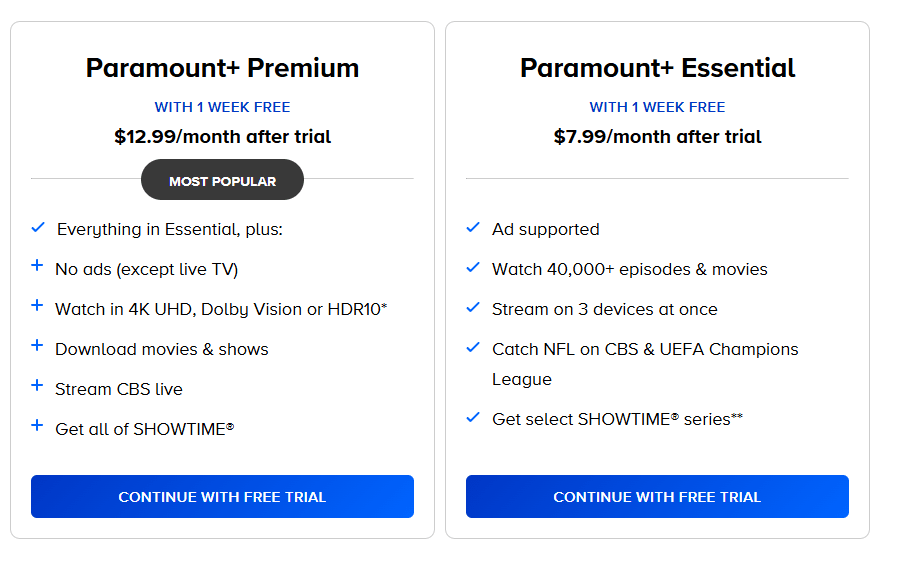
Paramount Plus has streamlined its offering into distinct tiers designed to cater to different viewer preferences and financial capacities. The core proposition revolves around two primary plans, with additional bundling options that significantly alter the overall value proposition. Understanding these tiers is the first step in making an informed financial decision.
The Essential Plan: Ad-Supported Value
The Essential Plan serves as the entry point to the Paramount Plus ecosystem, positioning itself as a cost-effective option for viewers who are comfortable with periodic commercial interruptions. This tier provides access to the vast majority of Paramount Plus’s on-demand library, including original series, hit movies, and a selection of classic shows from the Paramount, CBS, Comedy Central, MTV, Nickelodeon, and Smithsonian Channel archives.
Key Financial Aspects of the Essential Plan:
- Monthly Cost: This plan typically costs a modest fee per month, making it one of the more affordable streaming options available.
- Annual Cost: Subscribers often have the option to pay annually, which generally results in a significant percentage savings compared to the cumulative monthly payments over a year. This upfront investment locks in a lower effective monthly rate and is a key consideration for budget-conscious consumers committed to the service long-term.
- Content Access: It includes access to live NFL games on CBS and the UEFA Champions League, providing significant value for sports fans at a lower price point. However, live local CBS station streams are generally not included in this tier (with some regional exceptions for NFL content).
- Trade-off: The primary trade-off for this lower price is the inclusion of commercials. These ad breaks are strategically placed throughout the on-demand content, similar to traditional broadcast television. For some, the minor interruption is an acceptable compromise for the savings. For others, the perceived “cost” of their time and viewing experience outweighs the monetary savings. From a financial perspective, it’s about valuing your time against your dollar savings.
The Premium Plan: Ad-Free Experience with Added Perks
For those who prioritize an uninterrupted viewing experience and desire additional features, the Premium Plan offers an upgrade. This tier removes most on-demand commercials, delivering a more seamless and immersive entertainment experience.
Key Financial Aspects of the Premium Plan:
- Monthly Cost: The Premium Plan comes at a higher monthly price than the Essential Plan, reflecting the enhanced viewing experience and additional features.
- Annual Cost: Similar to the Essential Plan, an annual subscription for the Premium tier typically offers a substantial discount over twelve monthly payments. This strategy encourages long-term commitment while rewarding subscribers with financial savings.
- Ad-Free On-Demand: The most significant financial benefit here is the value placed on an ad-free experience. While the cost is higher, many users find the uninterrupted viewing invaluable, effectively “paying for convenience and time.” This aligns with personal finance principles where consumers decide if a premium service’s added benefits justify its higher price point.
- Enhanced Features: This plan often includes additional features such as the ability to download content for offline viewing (a major perk for travelers or those with limited data), and access to a live stream of your local CBS station. The live CBS stream is a critical differentiator for those who rely on local news, primetime shows as they air, or specific live events beyond sports. From a financial standpoint, this can potentially replace other services or antennas, consolidating entertainment expenses.
Bundling Opportunities: Maximize Savings with Showtime
Paramount Global, the parent company of Paramount Plus, also owns Showtime, a premium cable and streaming network renowned for its original series, movies, and combat sports. Recognizing the synergy and desire for a broader content library, Paramount Plus often offers attractive bundling opportunities that integrate Showtime’s content.
Key Financial Aspects of Bundling:
- Combined Value: The bundled package typically offers both the Paramount Plus Premium Plan (ad-free) and the full Showtime streaming service at a combined price that is significantly lower than subscribing to both services individually. This is a classic financial strategy of economies of scale for the consumer.
- Cost-Effectiveness: For individuals or households considering both Paramount Plus and Showtime, the bundle is almost always the most financially prudent choice. It represents a substantial discount and consolidates billing, simplifying budget management.
- Content Expansion: This option dramatically expands the available content, offering a diverse array of shows and movies across two major platforms. From a financial perspective, you’re getting double the content for less than double the price, which is excellent value for money if you utilize both.
- Consideration: The decision to bundle should be based on a genuine interest in Showtime’s content library. While the savings are attractive, subscribing to content you won’t watch still represents an unnecessary expenditure. A critical financial assessment involves evaluating if the combined library genuinely adds enough value to your entertainment consumption to justify the total cost.
Deeper Dive into Value: Is Paramount Plus Worth the Investment?
Beyond the raw numbers, the true “cost” of a subscription service extends to its perceived value. Is the content strong enough, and are the features robust enough, to justify your hard-earned money each month or year? A thorough financial analysis requires looking beyond the price tag and into what you actually receive for your investment.
Content Library Assessment: What You Get for Your Money
The heart of any streaming service’s value lies in its content. Paramount Plus boasts a diverse library, but its appeal is highly subjective.
- Breadth and Depth: For your subscription fee, you gain access to a broad array of content from ViacomCBS brands. This includes popular shows from CBS (e.g., NCIS, Survivor), classic sitcoms from Comedy Central (South Park), nostalgic Nickelodeon cartoons (SpongeBob SquarePants), reality TV from MTV, and documentaries from the Smithsonian Channel. The financial value here is in the sheer volume and variety, potentially replacing several individual channel subscriptions or even traditional cable packages.
- Originals: Paramount Plus has invested heavily in exclusive original programming (Star Trek: Strange New Worlds, Yellowstone prequels like 1883 and 1923, Mayor of Kingstown). These exclusive titles are often the primary draw and a significant factor in a subscriber’s decision-making process. From a financial viewpoint, if these originals are “must-watch” for you, the service provides unique value that cannot be replicated elsewhere.
- Movies: The service features a rotating selection of movies, including new releases from Paramount Pictures after their theatrical and PVOD windows. The ability to watch recent blockbusters at home, included in your subscription, offers a tangible financial benefit compared to renting or purchasing these films individually.
- Live Sports and News: For sports enthusiasts, live NFL games and UEFA Champions League matches are a massive draw, particularly for the Essential Plan’s lower cost. Access to CBS News 24/7 also adds value for those who prioritize staying informed. This component of the service directly competes with cable sports packages or specialized sports streaming services, potentially offering significant savings.
Feature Comparison: Ad-Free vs. Ad-Supported Experience
The decision between the Essential (ad-supported) and Premium (ad-free) plans is fundamentally a personal finance calculation involving the value of your time and preference.
- Monetary Savings vs. Time Cost: The Essential Plan saves you money each month, but at the “cost” of your time and potentially your viewing enjoyment due to commercials. If you watch many hours of content, those cumulative ad breaks can add up. From an economic perspective, you are making a choice: is the extra monthly fee for Premium less than the value you place on your uninterrupted time?
- Offline Downloads (Premium): The Premium plan’s ability to download content is a significant financial perk for certain users. For frequent travelers, this avoids costly mobile data usage on the go. For those with limited internet access or data caps at home, it allows for strategic downloading during off-peak hours or when connected to Wi-Fi, preventing overage charges.
- Live Local CBS (Premium): Access to your local CBS live stream can potentially eliminate the need for a separate digital antenna or a more expensive live TV streaming service. This consolidation of services is a key financial strategy for reducing overall household expenses.
Multi-User and Device Access: Family Budgeting Implications
Streaming services are often shared across households. Understanding Paramount Plus’s policies regarding user profiles and simultaneous streams is crucial for family budgeting.
- Profiles: The ability to create individual user profiles allows for personalized recommendations and watch histories, enhancing the user experience for multiple family members. This indirect financial benefit makes the service more appealing to a wider range of tastes within a household, maximizing the shared value derived from a single subscription.
- Simultaneous Streams: Paramount Plus typically allows for a certain number of simultaneous streams (often three), meaning multiple people can watch different content on different devices at the same time from a single account. This is a critical factor for families or roommates. If a service allows fewer streams, a household might need multiple subscriptions or resort to frustrating scheduling conflicts, indirectly increasing the cost per viewer or decreasing the utility. Confirming this limit is vital when assessing cost-effectiveness for a multi-person household.
Strategic Financial Planning for Streaming Services
Integrating Paramount Plus into your personal finance framework requires a proactive approach to budgeting, comparison, and continuous evaluation.
Budgeting for Entertainment: Fitting Streaming into Your Finances
Streaming services, while individually inexpensive, can collectively create “subscription creep.”
- Establish an Entertainment Budget: The first step is to allocate a specific monthly budget for all entertainment, including streaming services. This ensures that you don’t overspend. Paramount Plus, like any other service, should fit within this pre-defined limit.
- Prioritize: With many services available, prioritize based on “must-have” content versus “nice-to-have.” If Paramount Plus offers unique content you genuinely crave, it earns its spot. If it’s merely duplicating content you can find elsewhere, or only has a few shows you occasionally watch, its financial priority might be lower.
- Track Expenses: Regularly review your bank statements or use budgeting apps to track all your streaming subscriptions. Many people are surprised by how much they spend annually on these seemingly small monthly fees.
Comparing Paramount Plus to Competitors: A Cost-Benefit Analysis
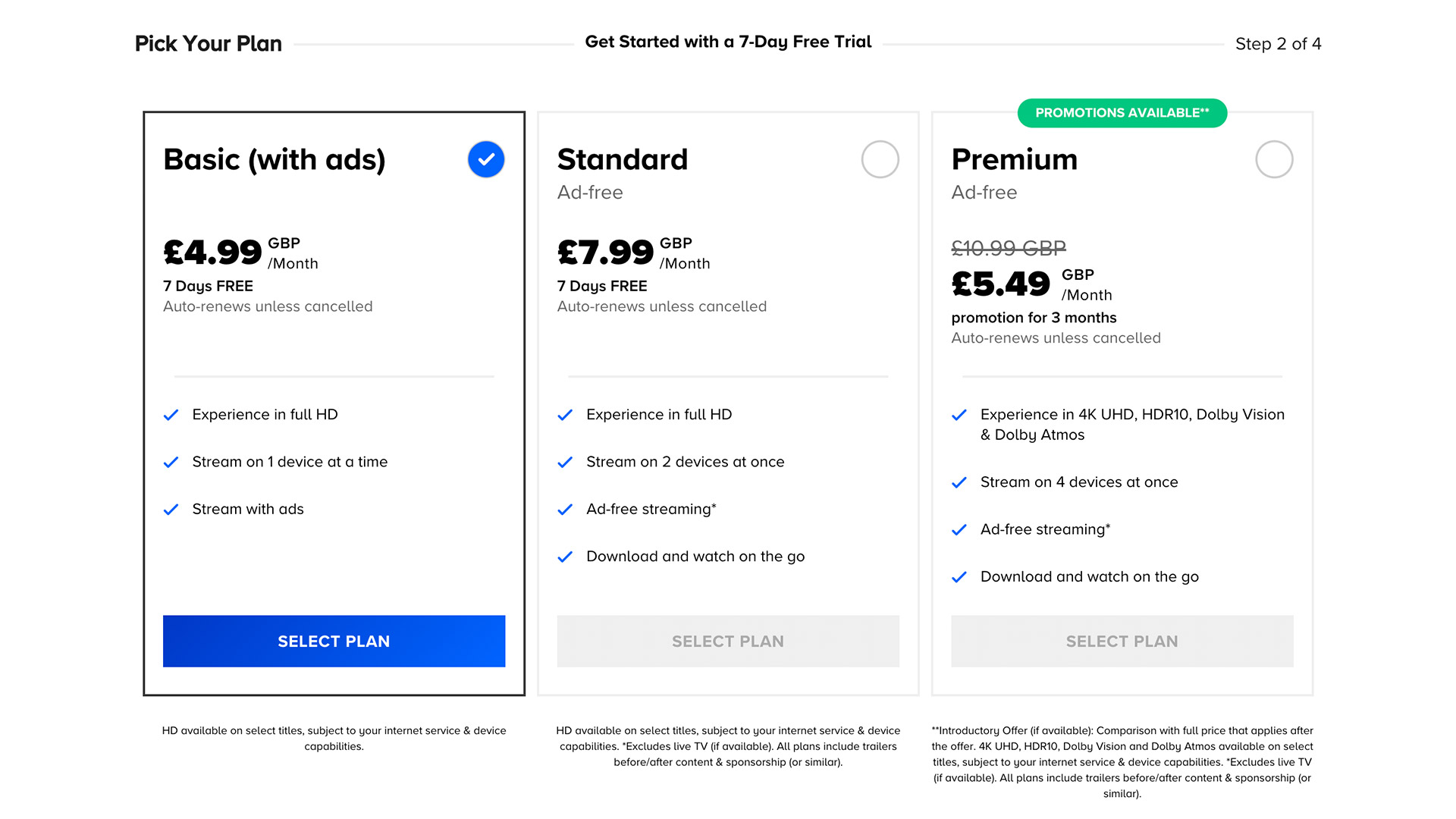
A true financial assessment involves comparing Paramount Plus against its rivals to ensure you’re getting the best bang for your buck relative to your specific content preferences.
- Direct Competitors: Compare its price and content library against other broad-appeal services like Netflix, Hulu, Max, Disney+, and Peacock. Does Paramount Plus offer a better value proposition for the content you value most?
- Niche Competitors: If live sports are your primary draw, compare its sports offerings and cost to dedicated sports streaming services or live TV alternatives. If specific network shows are your focus, see if those shows are available on other platforms or if Paramount Plus provides them more economically.
- Feature-to-Price Ratio: Consider the ad-free options, offline downloads, and simultaneous streams offered by competitors at similar price points. Which service provides the most desirable feature set for its cost? This multi-faceted comparison helps you make financially optimized choices.
Trial Periods and Promotions: Leveraging Discounts
Savvy consumers leverage introductory offers and trial periods to mitigate upfront costs and test services risk-free.
- Free Trials: Paramount Plus, like many streaming services, frequently offers free trial periods (e.g., 7 days, 30 days). This is a crucial financial tool. Utilize these trials to thoroughly explore the content library, test features, and determine if the service genuinely meets your needs before committing any money. Set a calendar reminder to cancel before the trial ends if it’s not a good fit.
- Promotional Codes and Bundles: Keep an eye out for seasonal promotions, student discounts, military discounts, or special bundles often advertised around major events or holidays. These can significantly reduce the initial or ongoing subscription cost. Websites dedicated to coupon codes or specific student/military verification services are good resources.
- Partnerships: Sometimes, mobile carriers, internet providers, or other companies offer Paramount Plus as a free perk or at a reduced rate as part of a larger service package. Always investigate these options to find potential hidden savings.
The Subscription Audit: Regularly Evaluating Your Streaming Portfolio
The streaming landscape is dynamic, as are your viewing habits. A regular “subscription audit” is essential for financial discipline.
- Quarterly Review: Dedicate time every three to six months to review all your active subscriptions. Ask yourself: “Am I still actively using this service? Am I getting value for my money? Have my entertainment needs changed?”
- Rotate Services: Instead of subscribing to all services simultaneously, consider a rotation strategy. For instance, subscribe to Paramount Plus for a few months to catch up on specific shows, then cancel and switch to another service. This allows you to access a wider range of content over a year while keeping your monthly streaming budget consistent.
- Cancel Unused Services: Be ruthless. If a service hasn’t been used in a month or more, or if its primary draws have concluded, cancel it. It’s easy to resubscribe later if new content emerges. This prevents “lazy spending” and ensures every dollar allocated to entertainment is working for you.
Maximizing Your Paramount Plus Subscription Value
Once you’ve decided Paramount Plus is a good fit for your budget and entertainment needs, there are further strategies to ensure you’re getting the absolute most out of your financial commitment.
Annual vs. Monthly Billing: Unlocking Long-Term Savings
This is perhaps the most straightforward financial decision for a committed subscriber.
- Significant Savings: Opting for an annual subscription over monthly payments almost invariably results in substantial savings over a 12-month period. Paramount Plus, like most streaming services, incentivizes long-term commitment by offering a discounted rate for upfront annual payment.
- Cash Flow Management: While the upfront cost is higher, it eliminates a recurring monthly expense, simplifying budgeting for the rest of the year. For those with stable finances, this is a clear win. However, if cash flow is tight, the monthly option might be preferable despite the higher cumulative cost.
- Commitment: This option is best suited for individuals who are confident they will use the service consistently throughout the year. If you anticipate only using Paramount Plus for a few specific shows or a short period, the monthly option offers more flexibility.
Student, Military, and Other Potential Discounts
Many companies, including streaming services, offer special discounts to specific demographics as a form of appreciation or market penetration.
- Verify Eligibility: If you are a student, educator, first responder, or a member of the military (active or veteran), always check the Paramount Plus website or third-party verification services for potential discounts. These savings can be significant, often 15-25% off the standard monthly price.
- Ongoing Verification: Be aware that some of these discounts require periodic reverification of your status. Factor this into your budgeting to avoid unexpected price increases if your discount expires.
Gift Cards and Promotional Codes: Unexpected Savings Avenues
Sometimes, savings can come from unexpected sources.
- Retailer Promotions: Keep an eye out for Paramount Plus gift cards sold at a discount by major retailers (e.g., during holiday sales or special promotions). Buying a year’s worth of service via discounted gift cards can offer significant savings.
- Loyalty Programs: Some credit card loyalty programs or telecom providers occasionally offer cash back or bonus points for streaming subscriptions, or even free months of service. Regularly check your loyalty program benefits.
- Bundles with Other Products: As mentioned earlier, sometimes Paramount Plus is bundled with cell phone plans, internet services, or even purchases of smart TVs. These can be “hidden” savings that reduce your overall entertainment outlay.
Cancelling and Resubscribing: Financial Flexibility
This strategy requires a bit more active management but can lead to substantial long-term savings for intermittent viewers.
- Content Cycles: Many users subscribe to a service to watch a specific series, a new season, or a movie. Once that content is consumed, they cancel their subscription until new content of interest becomes available. This “churn and return” strategy ensures you are only paying when you are actively deriving value.
- No Long-Term Contracts: The beauty of most streaming services, including Paramount Plus, is the lack of long-term contracts. You can cancel at any time, and your service typically continues until the end of your current billing cycle. This financial flexibility is a major advantage over traditional cable.
- Track New Releases: Stay informed about upcoming Paramount Plus releases. When a new season of a favorite show or a highly anticipated movie is released, you can resubscribe for a month or two, catch up, and then cancel again. This minimizes your annual spending while still allowing you to access desired content.
The Broader Financial Impact of Streaming Habits
Understanding the cost of Paramount Plus is part of a larger financial literacy picture concerning digital consumption.
The “Subscription Creep” Phenomenon and Your Wallet
Individually, $5 or $10 a month seems negligible. Collectively, a handful of these services can quickly add up to a significant portion of a household’s discretionary spending.
- Cumulative Cost: Five streaming services at $10 each per month equate to $50 a month, or $600 a year. Many households subscribe to more. Recognizing this cumulative cost is crucial for preventing “subscription creep” from silently eroding your budget.
- Financial Blind Spots: Because these payments are often automated and relatively small, they can become financial blind spots. Regular audits are essential to bring these recurring expenses into conscious awareness.
Opportunity Cost: Where Else Could Your Money Go?
Every dollar spent on a Paramount Plus subscription represents a dollar that cannot be spent elsewhere. This is the concept of opportunity cost.
- Alternative Investments: Could that $10-$100 annually be better allocated to savings, investments, debt repayment, skill development, or charitable giving?
- Long-Term Goals: While entertainment is important for well-being, consistently evaluating whether your entertainment spending aligns with your broader financial goals (e.g., buying a home, retirement, education) is a mark of financial maturity. A balanced approach ensures both current enjoyment and future security.
Financial Discipline in the Digital Age
Managing streaming subscriptions effectively is a microcosm of broader financial discipline in the modern era. It teaches conscious spending, value assessment, and regular auditing of expenses. By thoughtfully approaching “how much is a Paramount Plus subscription,” and indeed all digital expenditures, consumers can maintain control over their finances, ensuring their entertainment budget serves their overall financial well-being rather than depleting it.
aViewFromTheCave is a participant in the Amazon Services LLC Associates Program, an affiliate advertising program designed to provide a means for sites to earn advertising fees by advertising and linking to Amazon.com. Amazon, the Amazon logo, AmazonSupply, and the AmazonSupply logo are trademarks of Amazon.com, Inc. or its affiliates. As an Amazon Associate we earn affiliate commissions from qualifying purchases.