
The question “how much is one share of bitcoin” is a common one, particularly for those new to the world of cryptocurrencies, and it immediately highlights a fundamental misunderstanding about how Bitcoin functions as an asset. Unlike traditional companies that issue shares representing equity ownership, Bitcoin is not a company. It is a decentralized digital currency and a global payment system, operating on a technology called blockchain. Therefore, there isn’t a “share” of Bitcoin in the conventional sense. Instead, investors buy units of Bitcoin, which can be as small as a fraction of a single coin.
Understanding this distinction is the first crucial step in navigating the Bitcoin landscape. While the terminology might be confusing, the underlying principle is straightforward: you invest in a portion of a digital asset whose value fluctuates based on market dynamics, rather than a stake in a corporate entity. This article will demystify what it means to own Bitcoin, delve into its current valuation, explore the factors influencing its price, and guide potential investors on how they can gain exposure to this groundbreaking digital asset within a sound financial framework.
Understanding Bitcoin’s Unique “Share” Structure
To truly grasp “how much is one share of bitcoin,” we must first discard the notion of shares altogether and embrace the unique architecture of this digital asset. Bitcoin operates entirely outside the traditional corporate structure, meaning it doesn’t have shareholders, a board of directors, or quarterly earnings reports.
Bitcoin as a Digital Asset, Not a Company Stock
Bitcoin was created in 2009 by an anonymous entity known as Satoshi Nakamoto as a peer-to-peer electronic cash system. Its core innovation lies in its decentralized nature, meaning no single entity controls it. Transactions are verified by a network of participants (miners) and recorded on a public ledger called the blockchain. This fundamentally differentiates Bitcoin from a company stock, which represents a fractional ownership claim on a specific corporation and its future earnings. When you buy a share of Apple or Microsoft, you are betting on the success of that company. When you buy Bitcoin, you are betting on the adoption, utility, and security of a global, decentralized monetary network. This distinction is paramount for investors to understand, as it influences everything from valuation metrics to regulatory oversight.
The Concept of a Whole Bitcoin and Its Divisibility
Instead of shares, Bitcoin exists as individual units, with a finite supply capped at 21 million coins. A single unit is referred to as “one Bitcoin.” However, one of Bitcoin’s most powerful features is its divisibility. Just as a dollar can be broken down into cents, a Bitcoin can be divided into much smaller units. The smallest unit of Bitcoin is called a Satoshi, named after its pseudonymous creator. One Satoshi is equal to 0.00000001 Bitcoin (one hundred millionth of a Bitcoin).
This extreme divisibility means that investors are not required to purchase a whole Bitcoin. If one Bitcoin is valued at, say, $70,000, an investor can purchase 0.1 BTC for $7,000, 0.01 BTC for $700, or even 0.001 BTC for $70. This makes Bitcoin accessible to a wide range of investors, regardless of their budget, eliminating the barrier that a high per-unit price might otherwise present. The ability to buy fractions means that practically anyone can gain exposure to Bitcoin, making the question of “how much is one share” somewhat irrelevant to practical investment strategies.
Dispelling the “Share” Misconception
The use of the term “share” often stems from a natural attempt to relate new financial instruments to familiar ones. People think of stocks when they consider investments, and stocks come in shares. However, applying this terminology to Bitcoin can lead to inaccurate assumptions about its nature, risks, and potential returns. It suggests an underlying corporate structure that simply doesn’t exist. By understanding Bitcoin as a unique digital asset – a cryptocurrency – rather than a corporate share, investors can approach it with a more accurate framework, better equipped to evaluate its investment potential and integrate it into a diversified portfolio. This shift in understanding is critical for anyone looking to invest intelligently in the digital asset space.
The Volatile Price of Bitcoin: What Influences Its Value?
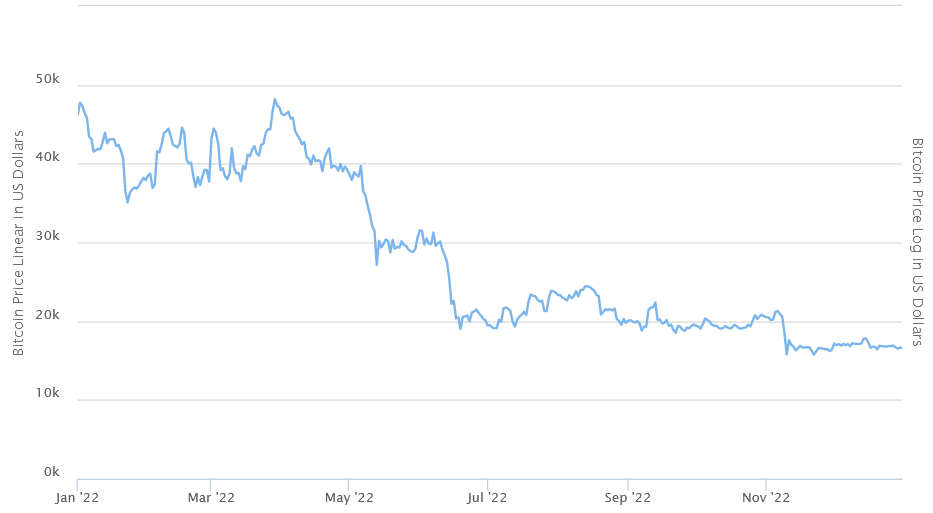
The “price” of Bitcoin, rather than the price of a “share,” is a dynamic and often volatile figure, constantly fluctuating based on a complex interplay of market forces and external factors. This volatility is a defining characteristic of cryptocurrency markets and something all potential investors must be prepared for. Understanding these influences is key to making informed decisions.
Supply and Demand Dynamics
At its core, Bitcoin’s price is determined by the fundamental economic principles of supply and demand. The supply of Bitcoin is mathematically constrained and predictable. With a hard cap of 21 million Bitcoins ever to be mined, and new coins introduced at a gradually decreasing rate (halving events occur approximately every four years, reducing the reward for miners), Bitcoin is designed to be a scarce asset.
Demand, on the other hand, is highly variable. Factors driving demand include:
-
Retail Investor Interest: Individual investors looking for alternative investments or speculative opportunities.
-
Institutional Adoption: Growing interest and investment from hedge funds, corporations, and other large financial institutions, particularly since the approval of Bitcoin ETFs.
-
Utility and Adoption: The increasing use of Bitcoin for payments, remittances, and as a store of value in various economies, especially those with high inflation or unstable currencies.
-
Narrative and Sentiment: Public perception, media coverage, and the prevailing narrative around Bitcoin’s role in the future of finance can significantly sway demand.
When demand outstrips the rate of new supply, the price tends to rise; conversely, if demand wanes, the price can fall.
Macroeconomic Factors and Global Events
Bitcoin, despite its decentralized nature, does not exist in a vacuum. Its price is increasingly influenced by broader macroeconomic trends and global events.
-
Inflation: In periods of high inflation, investors may turn to Bitcoin as a potential hedge against currency debasement, often comparing it to “digital gold.”
-
Interest Rates and Monetary Policy: Central bank decisions, such as interest rate hikes or quantitative easing, can impact risk appetite across all asset classes, including Bitcoin. Higher interest rates can make traditional investments more attractive, potentially drawing capital away from riskier assets like crypto.
-
Geopolitical Instability: Conflicts, sanctions, and political unrest can sometimes drive demand for Bitcoin as a censorship-resistant and borderless asset, while at other times, they may increase overall market uncertainty, leading to sell-offs.
-
Economic Recessions/Booms: During economic downturns, investors might reduce exposure to volatile assets, whereas during boom periods, risk tolerance may increase.
Regulatory Developments and Adoption Rates
The regulatory landscape plays a significant role in shaping Bitcoin’s price and investor confidence.
-
Government Stance: Positive regulatory clarity, such as the approval of spot Bitcoin ETFs in major economies, can legitimize the asset class, attract institutional capital, and increase accessibility for mainstream investors. Conversely, strict bans or unfavorable regulations can trigger price drops.
-
Legal Frameworks: The development of clear legal frameworks for custody, trading, and taxation of cryptocurrencies provides certainty and encourages broader adoption.
-
Corporate and National Adoption: When major companies or even countries adopt Bitcoin for payments, hold it on their balance sheets, or recognize it as legal tender, it signals growing legitimacy and utility, often leading to price appreciation.
Technological Advancements and Network Security
The underlying technology and security of the Bitcoin network also contribute to its perceived value.
-
Protocol Upgrades: Improvements to the Bitcoin protocol, such as the Taproot upgrade, enhance its functionality, privacy, and efficiency, which can positively impact its long-term value proposition.
-
Network Health: The strength of the mining network (hash rate) and the number of active nodes demonstrate the network’s security and resilience against attacks, bolstering confidence.
-
Layer-2 Solutions: Developments like the Lightning Network, which enable faster and cheaper transactions, enhance Bitcoin’s utility as a medium of exchange, potentially increasing demand. Any perceived vulnerabilities or security breaches, however, could have the opposite effect.
These interwoven factors create a complex tapestry that dictates Bitcoin’s dynamic price. Investors must remain cognizant of these influences and approach the market with a well-researched and disciplined strategy.
How Investors Gain Exposure to Bitcoin
Given that you don’t buy “shares” of Bitcoin, understanding the various avenues to gain exposure to this digital asset is crucial. These methods range from direct ownership to more traditional investment vehicles, catering to different risk tolerances and technical proficiencies.
Direct Purchase of Fractional Bitcoin
The most straightforward way to invest in Bitcoin is by purchasing it directly through a cryptocurrency exchange. As established, you don’t need to buy a whole Bitcoin; you can purchase any fraction of a Bitcoin (e.g., 0.001 BTC, 0.5 BTC).
-
Cryptocurrency Exchanges: Platforms like Coinbase, Binance, Kraken, and Gemini allow users to buy Bitcoin using fiat currency (e.g., USD, EUR). These exchanges act as marketplaces where buyers and sellers meet.
-
Peer-to-Peer (P2P) Platforms: Some platforms facilitate direct transactions between individuals, offering greater privacy but potentially higher risk if not managed carefully.
-
Bitcoin ATMs: Similar to traditional ATMs, these machines allow users to buy Bitcoin with cash, though they often come with higher fees.
When purchasing directly, investors typically hold their Bitcoin in a digital wallet. This could be a “hot wallet” provided by the exchange (online storage) or a more secure “cold wallet” (offline hardware device) for greater control and protection against hacks.
Bitcoin ETFs and Other Regulated Investment Products
For investors who prefer a more traditional and regulated approach, or who wish to avoid the complexities of direct crypto custody, several indirect investment products offer exposure to Bitcoin’s price movements.
-
Spot Bitcoin Exchange-Traded Funds (ETFs): These revolutionary products, particularly those approved in the US and other major markets, hold actual Bitcoin. When you buy shares of a spot Bitcoin ETF, you are essentially investing in a fund that holds Bitcoin on your behalf. This allows investors to gain exposure through standard brokerage accounts, simplifying taxes and security concerns, as the fund managers handle custody.
-
Bitcoin Futures ETFs: These ETFs invest in Bitcoin futures contracts, which are agreements to buy or sell Bitcoin at a predetermined price on a specified future date. While they track Bitcoin’s price, they do not hold actual Bitcoin and can be subject to different price dynamics due to futures market complexities.
-
Exchange-Traded Notes (ETNs) and Trusts: Products like Grayscale Bitcoin Trust (GBTC) were among the earliest ways for institutional investors and accredited individuals to gain exposure to Bitcoin via traditional markets. While some trusts have converted to spot ETFs, others still exist, offering a similar but often less flexible structure than ETFs.

These regulated products democratize access to Bitcoin for a broader investor base, including those with employer-sponsored retirement plans that can invest in ETFs.
Bitcoin Mining and Staking
While less direct than purchasing, mining and staking are ways to acquire Bitcoin or earn rewards in other cryptocurrencies that can then be converted to Bitcoin.
-
Bitcoin Mining: This involves using powerful computers to solve complex cryptographic puzzles to verify transactions on the Bitcoin blockchain. Successful miners are rewarded with newly minted Bitcoin and transaction fees. Mining requires significant capital investment in hardware and electricity, making it a specialized endeavor for most individual investors.
-
Staking (for other cryptocurrencies): Bitcoin itself does not use “staking” (which is associated with Proof-of-Stake blockchains). However, investors can stake other cryptocurrencies (e.g., Ethereum, Solana) on Proof-of-Stake networks to earn rewards. These rewards, in the native token of that blockchain, can then be exchanged for Bitcoin on a crypto exchange. This is an indirect way to accumulate Bitcoin through other crypto assets.
Indirect Investments (e.g., Publicly Traded Companies Holding Bitcoin)
Another avenue for indirect exposure is investing in publicly traded companies that have significant holdings in Bitcoin or whose business models are closely tied to the cryptocurrency ecosystem.
-
Corporate Treasuries: Companies like MicroStrategy have adopted Bitcoin as a primary treasury reserve asset. Investing in their stock provides indirect exposure to Bitcoin’s price movements, alongside the company’s core business performance.
-
Mining Companies: Investing in shares of publicly traded Bitcoin mining companies (e.g., Riot Platforms, Marathon Digital Holdings) offers exposure to the profitability of Bitcoin mining operations, which is directly linked to Bitcoin’s price and network activity.
-
Crypto-Focused Businesses: Companies that provide services to the cryptocurrency industry, such as exchanges (e.g., Coinbase Global), payment processors, or blockchain technology developers, can also offer indirect exposure.
Each of these methods comes with its own set of risks, fees, and technical requirements. Investors should carefully consider which approach best aligns with their financial goals, risk tolerance, and understanding of the cryptocurrency market.
Practical Steps for Investing in Bitcoin
Investing in Bitcoin, whether directly or indirectly, requires careful planning and execution. A structured approach can help mitigate risks and set you on a path toward potentially achieving your financial objectives.
Choosing a Reputable Cryptocurrency Exchange
For direct Bitcoin purchases, selecting the right exchange is paramount. Key considerations include:
-
Security: Look for exchanges with strong security measures, including two-factor authentication (2FA), cold storage for a significant portion of assets, and insurance policies (where applicable). Read reviews regarding their security history.
-
Regulation and Compliance: Choose exchanges that comply with regulatory requirements in your jurisdiction. Regulated exchanges often offer greater consumer protection and transparency.
-
Fees: Understand the fee structure for trading, deposits, and withdrawals. Fees can vary significantly between platforms and transaction types.
-
Liquidity: High liquidity ensures that you can buy and sell Bitcoin quickly at competitive prices. Major exchanges generally offer excellent liquidity.
-
User Experience and Support: A user-friendly interface and responsive customer support can make a big difference, especially for beginners.
-
Available Assets: While your primary focus might be Bitcoin, check if the exchange offers other cryptocurrencies you might be interested in in the future.
Examples of reputable exchanges include Coinbase, Kraken, Gemini, and Binance (ensure local regulatory compliance).
Understanding Wallet Security and Custody Options
Once you buy Bitcoin, you need a secure place to store it. This involves understanding different wallet types and custody options:
-
Exchange Wallets (Hot Wallets): These are custodial wallets provided by the exchange where you bought your Bitcoin. They are convenient but mean you don’t fully control your private keys (“not your keys, not your crypto”). While exchanges implement security, they can be targets for hackers. Suitable for smaller amounts or active traders.
-
Software Wallets (Hot Wallets): Desktop or mobile applications that you install on your device. You control your private keys. Examples include Electrum, Exodus, and MetaMask (though primarily for Ethereum-based tokens, some support Bitcoin). They offer more control than exchange wallets but are still connected to the internet, making them potentially vulnerable if your device is compromised.
-
Hardware Wallets (Cold Wallets): Physical devices (like a USB drive) that store your private keys offline. These are considered the most secure option for storing significant amounts of Bitcoin as they are immune to online hacks. Examples include Ledger and Trezor. This is highly recommended for long-term holders.
-
Paper Wallets (Cold Storage): Printing your public and private keys on paper. While offline, they are susceptible to physical damage, loss, or theft and are generally considered less secure than hardware wallets due to the risk of human error.
Properly securing your private keys (the string of characters that proves ownership of your Bitcoin) is paramount. Losing them means losing access to your Bitcoin forever.
Starting with a Budget and Dollar-Cost Averaging
Given Bitcoin’s volatility, a disciplined investment strategy is crucial:
-
Allocate a Budget: Only invest what you can afford to lose. Bitcoin is a high-risk, high-reward asset. Determine a specific percentage of your portfolio you are comfortable allocating to crypto.
-
Dollar-Cost Averaging (DCA): This strategy involves investing a fixed amount of money at regular intervals (e.g., $100 every week or month), regardless of Bitcoin’s price. DCA helps mitigate the risk of buying all at once at a market peak. Over time, it averages out your purchase price, potentially leading to a better entry point than trying to time the market. This approach reduces emotional decision-making and fosters a long-term perspective.
-
Long-Term Horizon: Bitcoin has historically demonstrated significant growth over multi-year periods. Adopting a long-term investment horizon (e.g., 5-10 years) allows you to ride out short-term market fluctuations and potentially benefit from its long-term adoption.
Navigating Taxes and Regulatory Compliance
Investing in Bitcoin comes with tax obligations that vary by jurisdiction.
-
Capital Gains Tax: In many countries (e.g., the US, Canada, UK), selling Bitcoin for a profit is subject to capital gains tax. The tax rate often depends on how long you held the asset (short-term vs. long-term).
-
Income Tax: Earning Bitcoin through mining, staking, or as payment for goods/services is typically considered taxable income.
-
Record Keeping: Maintain meticulous records of all your Bitcoin transactions, including purchase dates, prices, sale dates, prices, and any fees. This is essential for accurate tax reporting.
-
Consult a Professional: Given the complexity of crypto taxation, especially as regulations evolve, it is highly advisable to consult with a tax professional or financial advisor experienced in digital assets. They can help ensure compliance and optimize your tax strategy.
Understanding and adhering to these practical steps can significantly enhance your investment journey in Bitcoin, making it more secure and financially sound.
Risks and Rewards: A Balanced Perspective on Bitcoin Investment
Investing in Bitcoin presents a unique blend of significant opportunities and substantial risks. A balanced perspective is essential for any potential investor. It’s not merely about “how much is one share,” but rather about the fundamental value proposition versus the inherent volatility and uncertainty.
High Volatility and Potential for Significant Losses
Bitcoin is renowned for its extreme price volatility. Its value can swing dramatically within short periods, sometimes by tens of percentages in a single day, week, or month. While this volatility can lead to rapid gains, it equally exposes investors to the potential for significant and swift losses. Factors contributing to this include:
-
Market Sentiment: Cryptocurrencies are heavily influenced by news, social media, and investor psychology, leading to rapid shifts in sentiment.
-
Lack of Fundamental Valuation Models: Unlike stocks with established earnings, P/E ratios, or dividends, Bitcoin’s valuation is more abstract, based on network effects, adoption, and its status as a store of value, making it harder to determine an “intrinsic” price.
-
Flash Crashes: Sudden, sharp declines in price often triggered by large sell orders or cascading liquidations in derivatives markets.
Investors must be prepared for this inherent volatility and avoid investing funds they cannot afford to lose.
Regulatory Uncertainty and Market Manipulation
The regulatory landscape for Bitcoin and other cryptocurrencies is still evolving globally. This uncertainty poses several risks:
-
Unfavorable Legislation: Governments could impose strict regulations, outright bans, or heavy taxation that negatively impact Bitcoin’s price and utility.
-
Lack of Consumer Protection: While regulated exchanges offer some safeguards, the broader crypto market may lack the same investor protections found in traditional financial markets.
-
Market Manipulation: The relatively young and less regulated nature of some crypto markets can make them susceptible to manipulation, such as “pump-and-dump” schemes, wash trading, or coordinated selling by large holders (“whales”). While increasing institutional involvement and regulation aim to mitigate this, it remains a concern.
The Potential for Transformative Returns
Despite the risks, Bitcoin has demonstrated an unparalleled track record of long-term appreciation since its inception. Early investors who held through multiple market cycles have seen life-changing returns. This potential stems from several key factors:
-
Scarcity: Its hard-capped supply of 21 million coins makes it a deflationary asset in a world of endless fiat currency printing.
-
Global Adoption: As more individuals, businesses, and institutions recognize its utility as a censorship-resistant store of value and a peer-to-peer payment network, its demand could continue to grow.
-
Technological Innovation: The underlying blockchain technology offers solutions to various problems in finance and beyond, suggesting a future where decentralized digital assets play a significant role.
-
Digital Gold Narrative: Many see Bitcoin as a hedge against inflation and economic uncertainty, akin to digital gold, particularly in an increasingly digital world.
For investors with a high-risk tolerance and a long-term outlook, Bitcoin offers the possibility of substantial returns as the digital economy evolves.
Diversification and Long-Term Strategy
Given the inherent risks and rewards, a balanced approach to Bitcoin investment is crucial:
-
Diversification: Bitcoin should be considered part of a broader, diversified investment portfolio. It is generally not advisable to put all your eggs in one basket, especially with a volatile asset like Bitcoin. Allocate a smaller, manageable percentage of your total portfolio (e.g., 1-5%) to crypto.
-
Long-Term Mindset: Focus on Bitcoin’s long-term potential rather than short-term price fluctuations. Employing strategies like dollar-cost averaging can help mitigate volatility and foster a disciplined approach.
-
Continuous Education: The crypto space is rapidly evolving. Stay informed about market trends, technological developments, and regulatory changes to make well-informed decisions.
-
Risk Management: Understand your personal risk tolerance. If extreme price swings cause undue stress, it may indicate overexposure. Set clear entry and exit strategies, and stick to them.
In conclusion, the question “how much is one share of bitcoin” dissolves into a more nuanced understanding of a fractional digital asset whose value is shaped by powerful, multifaceted forces. For those willing to navigate its complexities and accept its volatility, Bitcoin represents an innovative asset with the potential for significant long-term growth, but it must be approached with caution, diligent research, and a strategic financial plan.
aViewFromTheCave is a participant in the Amazon Services LLC Associates Program, an affiliate advertising program designed to provide a means for sites to earn advertising fees by advertising and linking to Amazon.com. Amazon, the Amazon logo, AmazonSupply, and the AmazonSupply logo are trademarks of Amazon.com, Inc. or its affiliates. As an Amazon Associate we earn affiliate commissions from qualifying purchases.