
Understanding the true market value of your car is a cornerstone of responsible personal finance. Whether you’re contemplating an upgrade, looking to sell privately, preparing for a trade-in, or simply curious about a significant asset’s worth, the phrase “Blue Book value” inevitably comes to mind. This universally recognized term, most notably associated with Kelley Blue Book (KBB), serves as a vital benchmark in the automotive world. It’s more than just an arbitrary number; it’s a sophisticated calculation influenced by a myriad of factors, designed to provide clarity in what can often be a complex transaction. Delving into your car’s valuation isn’t just about getting a good deal; it’s about financial literacy, strategic planning, and ensuring you make informed decisions that impact your wealth. In the following sections, we will demystify the “Blue Book” concept, explore the critical elements that shape your car’s price tag, guide you through the practical steps of accurate valuation, and offer insights into maximizing its worth in the dynamic automotive market.

Understanding the Essence of “Blue Book” Valuation
The term “Blue Book” has become synonymous with vehicle valuation, but its roots and intricate methodology are often overlooked. It represents a standardized, data-driven approach to determining a car’s fair market value, acting as a crucial guide for both buyers and sellers.
More Than Just a Number: The Role of Kelley Blue Book
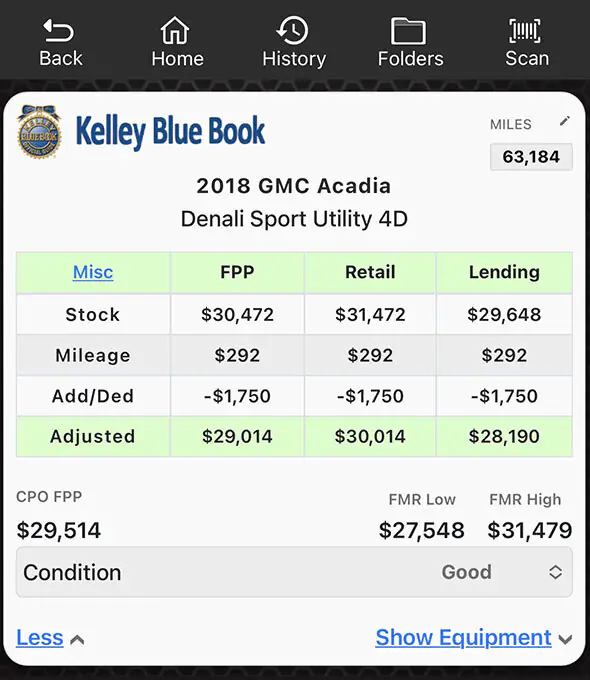
At the heart of the “Blue Book” lies Kelley Blue Book (KBB), an institution with over 90 years of history in the automotive industry. What started as a simple listing of used car prices for dealers has evolved into a comprehensive, consumer-facing resource powered by sophisticated data analytics. KBB doesn’t just pull numbers out of thin air; their valuations are the result of analyzing millions of data points daily. This includes completed sales transactions from dealerships and private parties, wholesale auction prices, new car inventory, economic conditions, and even geographic market trends. Their goal is to provide multiple values – such as trade-in, private party, and retail values – each reflecting a different transactional context. This multifaceted approach ensures that whether you’re selling to a friend, trading with a dealer, or buying from a lot, you have an authoritative benchmark. The trust placed in KBB’s valuations stems from its long-standing accuracy and its ability to reflect the ever-changing dynamics of the used car market, making it an indispensable tool for financial planning involving your vehicle.
Why Your Car’s Value Matters: Beyond Just Selling
While the primary motivation for checking your car’s value is often an impending sale or trade-in, its significance extends much further into various aspects of personal finance. For insurance purposes, knowing your car’s “actual cash value” is vital for filing claims after an accident or theft; an undervalued policy could leave you severely undercompensated. When refinancing a car loan, lenders will assess the vehicle’s worth to determine loan-to-value ratios, impacting your eligibility and interest rates. Estate planning also benefits from accurate valuations, as a car is often a significant asset that needs to be properly assessed for inheritance or distribution. Furthermore, simply understanding the depreciation curve of your current vehicle can inform future purchasing decisions, helping you choose models that retain value better over time, thus minimizing long-term ownership costs. In essence, your car’s “Blue Book” value is a financial health indicator, providing clarity and leverage across numerous financial scenarios that go far beyond a simple transaction. It empowers you to negotiate effectively, manage your assets wisely, and safeguard your financial interests in the automotive realm.
The Core Factors Influencing Your Car’s Worth
Determining a car’s value is a complex algorithm, but several key factors consistently emerge as the most influential. Understanding these elements is crucial for anticipating your car’s “Blue Book” value and identifying areas where you might enhance it.
The Big Four: Make, Model, Year, and Trim
At the absolute foundation of any vehicle valuation are the immutable characteristics of your car: its make, model, year, and trim level. The make (e.g., Toyota, BMW, Ford) establishes the brand’s reputation for reliability, luxury, or performance, which inherently affects its market desirability. The model (e.g., Camry, 3 Series, F-150) specifies the particular vehicle line, each having its own market segment, typical buyer, and demand profile. The year of manufacture is a direct indicator of its age and, by extension, its expected depreciation – newer cars generally command higher prices. Finally, the trim level (e.g., LE, XLT, M Sport) denotes specific packages of features, engine options, and interior finishes that significantly differentiate variants of the same model. A fully loaded trim with premium features will naturally be worth more than a base model, even if they are the same make, model, and year. These “Big Four” create the initial framework upon which all other valuation factors are layered, establishing a baseline value that subsequent conditions will adjust up or down.
Mileage: The Unavoidable Depreciation Indicator
Mileage is arguably the single most straightforward and impactful indicator of a car’s wear and tear and its remaining useful life. Every mile driven contributes to the degradation of components, from the engine and transmission to suspension and interior materials. Generally, lower mileage translates to a higher valuation, as it suggests less cumulative stress on the vehicle. While there’s no magic number, an “average” annual mileage is often considered around 12,000 to 15,000 miles. Cars significantly above this average for their age will typically see a noticeable drop in value, while those significantly below might fetch a premium. However, mileage is not the sole determinant; a high-mileage car that has been meticulously maintained can sometimes be valued higher than a low-mileage car that has been neglected. The type of mileage also matters; highway miles are generally considered less taxing on a vehicle than stop-and-go city driving. Ultimately, mileage provides a quantitative measure of usage, making it an unavoidable and powerful factor in depreciation and valuation.
Condition, Condition, Condition: Interior and Exterior
Beyond the numbers, the subjective yet critical assessment of a car’s physical condition plays a monumental role in its valuation. This encompasses both its interior and exterior aesthetics and functionality. On the exterior, factors like paint quality (fading, chips, scratches), dents, dings, rust, condition of tires, wheels, and headlights all contribute to the first impression and perceived value. A car free of major body damage and with a well-maintained paint job will command a higher price. The interior condition is equally important. Stains, tears, burns, or excessive wear on upholstery, dashboard, and carpets can significantly detract from value. Non-smoking vehicles and those kept free of pet odors or damage typically fetch better prices. Functionality of all interior components – power windows, climate control, infotainment system, dashboard lights – must also be in perfect working order. A professional detail can often yield a high return on investment, as a clean, well-presented car suggests careful ownership and a higher overall quality to potential buyers.
Maintenance History and Vehicle Records
A comprehensive and well-documented maintenance history is a powerful differentiator and a significant value enhancer. It provides irrefutable proof that the vehicle has been regularly serviced, addressing issues proactively and following manufacturer-recommended schedules. Records of oil changes, tire rotations, brake replacements, and major service intervals (like timing belt changes) reassure potential buyers that the car has been properly cared for and is less likely to present unforeseen mechanical problems. Conversely, a lack of maintenance records can raise red flags, suggesting neglect and potentially higher future repair costs for the new owner. Beyond routine maintenance, a clean Vehicle History Report (VHR) from services like CARFAX or AutoCheck is indispensable. These reports disclose crucial information such as accident history, flood damage, salvage titles, odometer discrepancies, and the number of previous owners. A car with a clean VHR, free of accidents and major issues, will always be worth more than one with a checkered past, even if exterior appearances are similar. Transparent and verifiable documentation builds trust and confidence, directly translating into a higher “Blue Book” value.
Features and Optional Extras
In today’s competitive automotive market, the specific features and optional extras equipped in a vehicle can significantly influence its desirability and, consequently, its “Blue Book” value. While base models offer fundamental utility, premium packages and advanced technologies often command a higher price point. This includes luxury upgrades like leather seats, panoramic sunroofs, premium sound systems, and advanced climate control. More importantly, modern safety features and driver-assistance technologies are becoming increasingly influential. Systems such as adaptive cruise control, lane-keeping assist, blind-spot monitoring, automatic emergency braking, and parking assist not only enhance safety but also add tangible value, as buyers are increasingly prioritizing these innovations. Connectivity features, navigation systems, and advanced infotainment screens also play a role. However, it’s worth noting that not all optional extras retain their value equally over time. Some niche or highly specialized features may have limited appeal to a broader market. Nevertheless, a well-equipped vehicle with desirable and functional upgrades will generally fetch a better price than a bare-bones equivalent, assuming all other factors are equal.
Navigating the Valuation Process: Practical Steps
Armed with an understanding of the factors influencing your car’s value, the next step is to accurately assess its worth using available tools and methods. This requires a methodical approach and a commitment to honesty.
Gathering Your Car’s Information Accurately
The accuracy of your “Blue Book” valuation hinges on the precision of the information you input. Before you begin, compile all pertinent details about your vehicle. Start with the Vehicle Identification Number (VIN), usually found on the driver’s side dashboard near the windshield or on the driver’s side door jamb. The VIN is a unique identifier that can unlock a wealth of specific information about your car, including its exact make, model, year, and trim level. Next, record the precise current mileage from your odometer. This is a critical factor, and even a few thousand miles can impact the valuation. Beyond these basics, meticulously list all the specific features and optional extras your car possesses. This includes everything from the engine type, transmission, drivetrain (2WD, 4WD, AWD), and any premium packages (e.g., navigation, sunroof, heated seats, advanced safety tech). Do not guess; refer to your car’s original sales sticker, owner’s manual, or an online VIN decoder if unsure. The more detailed and accurate your input, the more reliable your “Blue Book” valuation will be.

Honesty is Key: Assessing Your Car’s True Condition
One of the most challenging, yet crucial, steps in accurate valuation is an unbiased assessment of your car’s true condition. Most online valuation tools will ask you to categorize your car’s condition (e.g., Excellent, Good, Fair, Poor). It’s easy to be overly optimistic about your own vehicle, but an honest evaluation is vital for a realistic appraisal. Take your car out in good lighting and meticulously inspect both the interior and exterior. Look for every dent, scratch, chip, and rust spot. Check the condition of the tires (tread depth, brand), wheels, and glass. Inside, examine the upholstery for tears, stains, or excessive wear. Test all electronic components – windows, radio, AC, lights, horn – to ensure full functionality. Note any dashboard warning lights. Also, consider any mechanical issues, no matter how minor, such as strange noises, rough idling, or leaks. If you’re unsure, or for a truly objective opinion, consider having a trusted mechanic perform a pre-purchase inspection. While this costs a fee, it can provide an unbiased report on mechanical health that aligns better with how a buyer or dealer would assess your car, ensuring your “Blue Book” figure is grounded in reality.
Utilizing Online Valuation Tools Effectively
Once you have all your car’s details and an honest assessment of its condition, it’s time to leverage the power of online valuation tools. Kelley Blue Book (KBB.com) is the most prominent, offering various values like “Instant Cash Offer,” “Trade-In Value,” “Private Party Value,” and “Retail Value.” It’s essential to understand the distinction between these:
- Instant Cash Offer: A guaranteed offer from a participating dealer for a quick sale. Typically the lowest value.
- Trade-In Value: The amount a dealership is likely to offer you when you trade your car in for a new one. This is generally lower than private party because of the dealer’s reconditioning costs and profit margin.
- Private Party Value: The price you can expect to receive when selling your car directly to another individual. This is often the highest value you can realistically achieve.
- Retail Value: The price a dealership would sell your specific vehicle for after reconditioning.
Beyond KBB, explore other reputable platforms like Edmunds.com and NADAguides.com. Edmunds provides “True Market Value” estimates based on recent sales in your area, while NADAguides (now J.D. Power Valuation Services) focuses on clean trade-in, average trade-in, and retail values. Crucially, input the exact same information into each tool and compare the results. Discrepancies can arise from different data sources and methodologies, but cross-referencing provides a more robust and averaged understanding of your car’s market range. Do not rely on a single source; instead, use these tools to establish a realistic spectrum of values.
Accounting for Local Market Dynamics
While online tools provide national or regional averages, your car’s “Blue Book” value can also be significantly influenced by very localized market dynamics. The demand for specific vehicle types can vary dramatically from one geographic location to another. For instance, a four-wheel-drive SUV might fetch a premium in snowy climates or rural areas, while a convertible might be more valuable in sunny coastal regions. Similarly, urban centers might see higher demand for compact, fuel-efficient cars, whereas larger sedans or trucks could be more popular in suburban or exurban markets. Seasonal demand also plays a role; convertibles tend to sell better in spring and summer, while SUVs and AWD vehicles see spikes in demand before winter. Economic factors specific to your area, such as local industry booms or downturns, can also subtly shift buyer behavior and pricing. To account for these nuances, supplement your online valuations by browsing local classifieds (both online and print), checking local dealership inventory, and observing actual sales prices for comparable vehicles in your immediate vicinity. This ground-level research can help fine-tune your “Blue Book” estimate, making it more accurate and actionable for your specific selling environment.
Maximizing Your Car’s Value: Before You Sell
Once you have a clear understanding of your car’s “Blue Book” value, the next step is to take proactive measures to enhance its appeal and secure the highest possible return. A little effort can go a long way.
Pre-Sale Preparations: The Low-Effort, High-Impact Fixes
Before listing your car or taking it to a dealership, invest some time in inexpensive yet impactful preparations that can significantly boost its perceived value. Start with a thorough cleaning and detailing, both inside and out. A professional detail can cost a few hundred dollars but often yields double or triple that in increased sale price. Remove all personal belongings, vacuum carpets, wipe down surfaces, clean windows, and consider using an odor eliminator to neutralize any lingering smells. On the exterior, wash, wax, and clean the wheels and tires. Address any minor cosmetic flaws that are easy and cheap to fix, such as touch-up paint for small scratches, replacing a missing hubcap, or polishing foggy headlights. Check and top off all fluids (oil, washer fluid, coolant) and ensure tire pressures are correct. These “low-effort, high-impact” fixes create an impression of meticulous care, making the car more appealing and suggesting to a buyer that it has been well-maintained overall, justifying a higher “Blue Book” price.
Addressing Significant Issues: When to Repair, When to Sell “As Is”
Deciding whether to repair significant mechanical or cosmetic issues before selling is a critical financial decision. The general rule of thumb is to calculate the cost of the repair versus the potential increase in the car’s “Blue Book” value. If a repair costs $500 but only increases the car’s value by $300, it’s generally not worth it. However, some issues are “deal breakers” that will deter most buyers or lead to drastic price reductions, such as a check engine light, faulty brakes, or major fluid leaks. These repairs often yield a good return on investment because they restore the car to a “reliable” status. For very expensive repairs, like a transmission overhaul or engine replacement, it’s often more financially prudent to sell the car “as is” at a reduced price, clearly disclosing the issue to potential buyers. Transparency is paramount. When considering repairs, always obtain multiple quotes from trusted mechanics. Weigh the cost against the likely impact on your asking price, and decide if the investment will genuinely improve your net return.
Strategic Timing: Selling in the Right Market
The timing of your car sale can subtly but significantly influence its “Blue Book” value and how quickly it sells. Seasonal demand plays a considerable role. Convertibles often fetch higher prices in spring and early summer, while SUVs and vehicles with all-wheel drive tend to be more sought after in the fall and winter months. The release of new models by manufacturers can also impact the used car market; when a new generation of your specific model hits showrooms, the value of the outgoing generation may see a slight dip. Economic factors, such as rising gas prices, can increase demand for fuel-efficient vehicles and decrease interest in gas guzzlers. Conversely, a robust economy might lead to higher overall used car prices as more consumers feel confident making larger purchases. Pay attention to local market trends and consumer confidence. If you have flexibility, waiting for the optimal season or market conditions can help you maximize your return. Research current demand for your specific make and model in your area to determine the most opportune moment to list your vehicle.
Beyond the Blue Book: Other Valuation Perspectives and Considerations
While the “Blue Book” provides a robust foundation, there are other important angles and strategies to consider when evaluating and monetizing your vehicle. Each offers different trade-offs in terms of convenience, potential return, and effort.
Dealership Trade-In vs. Private Party Sale
The choice between trading your car in at a dealership and selling it privately is often the biggest decision for sellers, each presenting distinct financial implications. A dealership trade-in offers unparalleled convenience: you simply hand over your old car and drive away in a new one, often benefiting from sales tax savings (as the trade-in value is deducted from the new car’s price before tax is calculated). It’s quick, hassle-free, and avoids the complexities of advertising, meeting strangers, and dealing with paperwork. However, this convenience comes at a cost; dealerships need to recondition your vehicle and make a profit, meaning their offer will almost always be lower than what you could achieve through a private sale. A private party sale, conversely, generally yields the highest potential “Blue Book” value. You have complete control over the asking price and the negotiation process. The downside is the significant investment of time and effort: writing compelling ads, responding to inquiries, scheduling test drives, haggling over price, and managing all the transfer paperwork. Your financial strategy should weigh the potential for a higher return against your personal time constraints and comfort level with the selling process.
Instant Cash Offers and Online Buyers
In recent years, a new category of car buyers has emerged, offering “instant cash offers” through online platforms. Companies like Carvana, Vroom, Shift, and even Kelley Blue Book’s Instant Cash Offer program allow you to get a firm offer for your vehicle within minutes, often without leaving your home. You input your car’s details, and they provide a guaranteed price based on their algorithms and market analysis. If you accept, they typically arrange to pick up the car and pay you on the spot or via direct deposit. The primary advantage here is speed and convenience, often surpassing even a dealership trade-in. There’s no negotiation, no advertising, and minimal paperwork. This can be an excellent option if you need to sell your car quickly, want to avoid the complexities of a private sale, or if you’re not planning to buy another car immediately. However, similar to trade-ins, these instant offers often fall somewhere between a dealership’s trade-in value and a private party sale value. They factor in their own reconditioning costs, logistical expenses, and profit margins. It’s a trade-off: maximum convenience for a potentially lower payout compared to a motivated private sale.
The Nuances of Vehicle Appraisals
For unique situations or vehicles, a standard “Blue Book” valuation might not fully capture its true worth. This is where professional vehicle appraisals become invaluable. A certified appraiser, often affiliated with organizations like the Appraisers National Association (ANA) or the International Automotive Appraisers Association (IAAA), conducts a thorough, in-depth evaluation that goes beyond typical online tools. These appraisals are particularly useful for:
- Classic or Vintage Cars: Where rarity, historical significance, and restoration quality heavily influence value.
- Customized or Heavily Modified Vehicles: Standard tools can’t account for extensive aftermarket upgrades.
- Insurance Claims: Providing an independent valuation for total loss claims, especially for unique vehicles.
- Estate Planning or Divorce Settlements: When an impartial, legally recognized valuation is required.
- Disputes: Resolving disagreements over vehicle value between parties.
Professional appraisers consider factors like market demand for specific collectors’ items, originality, provenance, and the quality of any restoration work. While more expensive than a simple online check, a professional appraisal offers a highly detailed and legally defensible valuation, providing clarity and confidence in complex financial scenarios involving your vehicle.
Staying Informed: Market Trends and Future Depreciation
Understanding your car’s current “Blue Book” value is one thing; anticipating its future depreciation and staying abreast of market trends is another, equally important aspect of long-term financial planning. The automotive market is dynamic, influenced by a confluence of economic factors, technological advancements, and consumer preferences. For example, shifts towards electric vehicles (EVs) are beginning to impact the long-term value retention of gasoline-powered cars. Fluctuations in fuel prices can dramatically increase or decrease demand for certain vehicle segments. Changes in new car inventory levels or financing rates can also ripple into the used car market. Keeping an eye on these broader trends can help you make more strategic decisions about when to sell, what to buy next, and how to manage your automotive assets effectively. Regularly checking your car’s “Blue Book” value, perhaps annually, can help you track its depreciation curve and identify optimal selling windows. This proactive approach ensures you’re not caught off guard by unexpected drops in value and allows you to make financially sound choices regarding one of your most significant assets.
aViewFromTheCave is a participant in the Amazon Services LLC Associates Program, an affiliate advertising program designed to provide a means for sites to earn advertising fees by advertising and linking to Amazon.com. Amazon, the Amazon logo, AmazonSupply, and the AmazonSupply logo are trademarks of Amazon.com, Inc. or its affiliates. As an Amazon Associate we earn affiliate commissions from qualifying purchases.