
The question “how much is mortgage interest rate?” isn’t merely a query about a single number; it’s an inquiry into a complex interplay of economic forces, personal financial health, and lender strategies that collectively determine one of the most significant costs in a person’s life. For most, a mortgage represents the largest financial commitment they will ever make, and the interest rate attached to it can mean the difference of tens or even hundreds of thousands of dollars over the loan’s lifetime. Understanding the mechanics behind these rates is not just smart financial planning; it’s an essential step towards informed homeownership and wealth building.

This article delves into the intricacies of mortgage interest rates, demystifying the factors that cause them to fluctuate, exploring the different types of rates available, and outlining actionable strategies to secure the most favorable terms for your home loan. By grasping these dynamics, aspiring and current homeowners can navigate the housing market with greater confidence and make decisions that truly serve their long-term financial goals.
Decoding Mortgage Interest Rates: The Fundamentals
Before diving into the complexities, it’s crucial to establish a foundational understanding of what a mortgage interest rate truly represents and why its impact is so profound.
What Exactly is a Mortgage Interest Rate?
At its core, a mortgage interest rate is the cost of borrowing money to purchase a home, expressed as a percentage of the principal loan amount. It’s the fee that lenders charge for providing you with the capital, and it’s added to your monthly mortgage payment. This rate is distinct from the Annual Percentage Rate (APR), which includes the interest rate plus certain fees and charges (like origination fees, discount points, and some closing costs) to give you a more comprehensive picture of the loan’s total cost. While the interest rate directly affects your monthly principal and interest payment, the APR provides a truer “apples-to-apples” comparison when evaluating different loan offers.
The interest rate is typically quoted on an annual basis, even though payments are made monthly. For instance, a 5% interest rate means you’ll pay 5% of your outstanding loan balance in interest over the course of a year. This amount is then amortized—spread out—across your monthly payments, with a larger portion going towards interest in the early years of the loan and more towards principal as time progresses.
Why Interest Rates Matter: Impact on Your Homeownership Journey
The interest rate you secure on your mortgage holds immense power over your financial future. A seemingly small difference in percentage points can translate into substantial savings or additional costs over a 15-year or 30-year loan term. For example, on a $300,000 mortgage, moving from a 6% interest rate to a 5% rate could save you hundreds of dollars per month and tens of thousands over the life of the loan.
Beyond the immediate impact on your monthly budget, the interest rate also influences your purchasing power. A lower rate means you can afford a larger loan amount for the same monthly payment, effectively expanding your options in the housing market. Conversely, higher rates can diminish your purchasing power, potentially requiring you to adjust your home search to a lower price point or extend your savings for a larger down payment. For existing homeowners, changes in market interest rates can open opportunities for refinancing, allowing them to lower their monthly payments, reduce their loan term, or tap into home equity at a more favorable cost.
Key Influencers: What Drives Mortgage Rates Up and Down?
Mortgage interest rates are not static; they are highly dynamic, responding to a multitude of economic signals and market conditions. Understanding these drivers is key to anticipating rate movements and timing your mortgage decisions effectively.
Macroeconomic Forces: The Big Picture
The broader economy exerts a significant influence on mortgage rates. Key macroeconomic indicators that lenders and investors watch closely include:
- Inflation: When inflation rises, the purchasing power of money decreases. Lenders, to compensate for the reduced value of future repayments, typically push interest rates higher. The Federal Reserve often raises its benchmark rate to combat inflation, which has a ripple effect on other lending rates.
- Economic Growth and Employment: A strong economy, characterized by robust GDP growth and low unemployment, often correlates with higher interest rates. This is because strong economic activity can lead to inflationary pressures and increased demand for credit. Conversely, a weakening economy might see rates fall as central banks try to stimulate activity.
- Global Events: Geopolitical events, international trade policies, and global financial crises can all introduce uncertainty into markets, prompting investors to seek safe-haven assets, which in turn can influence bond yields and, subsequently, mortgage rates.
The Federal Reserve and the Bond Market’s Role
While the Federal Reserve does not directly set mortgage rates, its actions have a profound indirect impact. The Fed’s primary tool is the federal funds rate, the target rate for overnight lending between banks. When the Fed raises this rate, it signals a tightening of monetary policy, making it more expensive for banks to borrow money, which then translates to higher interest rates for consumers across various loan products, including mortgages.
Perhaps even more directly influential is the bond market, particularly the yield on the 10-year Treasury bond. Mortgage rates tend to track the 10-year Treasury yield very closely because mortgage-backed securities (MBS), which are packaged mortgages sold to investors, compete with Treasuries for investment dollars. When Treasury yields rise, MBS must offer higher yields to attract investors, leading to higher mortgage rates. Changes in investor sentiment and demand for these bonds can cause daily fluctuations in mortgage rates.
Lender-Specific Considerations and Profit Margins
Beyond the broader market, individual lenders also play a role in setting rates. Their pricing strategies are influenced by:
- Operational Costs: The overhead associated with processing, underwriting, and servicing loans.
- Risk Assessment: Lenders price rates based on their perception of risk, factoring in potential defaults.
- Competition: A highly competitive lending market can drive rates down as lenders vie for borrowers.
- Profit Margins: Lenders need to ensure profitability, so their rates include a margin above their cost of funds.
Borrower Profile: Your Personal Financial Footprint
Crucially, the interest rate you’re offered isn’t solely determined by external factors; your personal financial profile significantly impacts it.
- Credit Score: A strong credit score (generally FICO 740 and above) signals to lenders that you are a reliable borrower with a history of responsible debt management, qualifying you for the most favorable rates. Lower scores typically result in higher rates to compensate lenders for increased risk.
- Debt-to-Income (DTI) Ratio: This ratio compares your total monthly debt payments to your gross monthly income. A lower DTI (ideally below 43%) indicates you have more disposable income to cover mortgage payments, making you a less risky borrower.
- Down Payment: A larger down payment reduces the loan-to-value (LTV) ratio, meaning you’re borrowing a smaller percentage of the home’s value. This reduces the lender’s risk and can lead to a lower interest rate, as well as potentially avoiding Private Mortgage Insurance (PMI).
- Loan Type and Term: Different loan programs (e.g., FHA, VA, USDA, conventional) come with their own rate structures. The loan term also matters; 15-year mortgages typically have lower interest rates than 30-year mortgages, though their monthly payments are higher.
Navigating Mortgage Rate Options: Fixed vs. Adjustable
When applying for a mortgage, one of the most fundamental decisions you’ll make is choosing between a fixed-rate and an adjustable-rate mortgage (ARM). Each option offers distinct advantages and disadvantages depending on your financial situation, risk tolerance, and outlook on future interest rates.
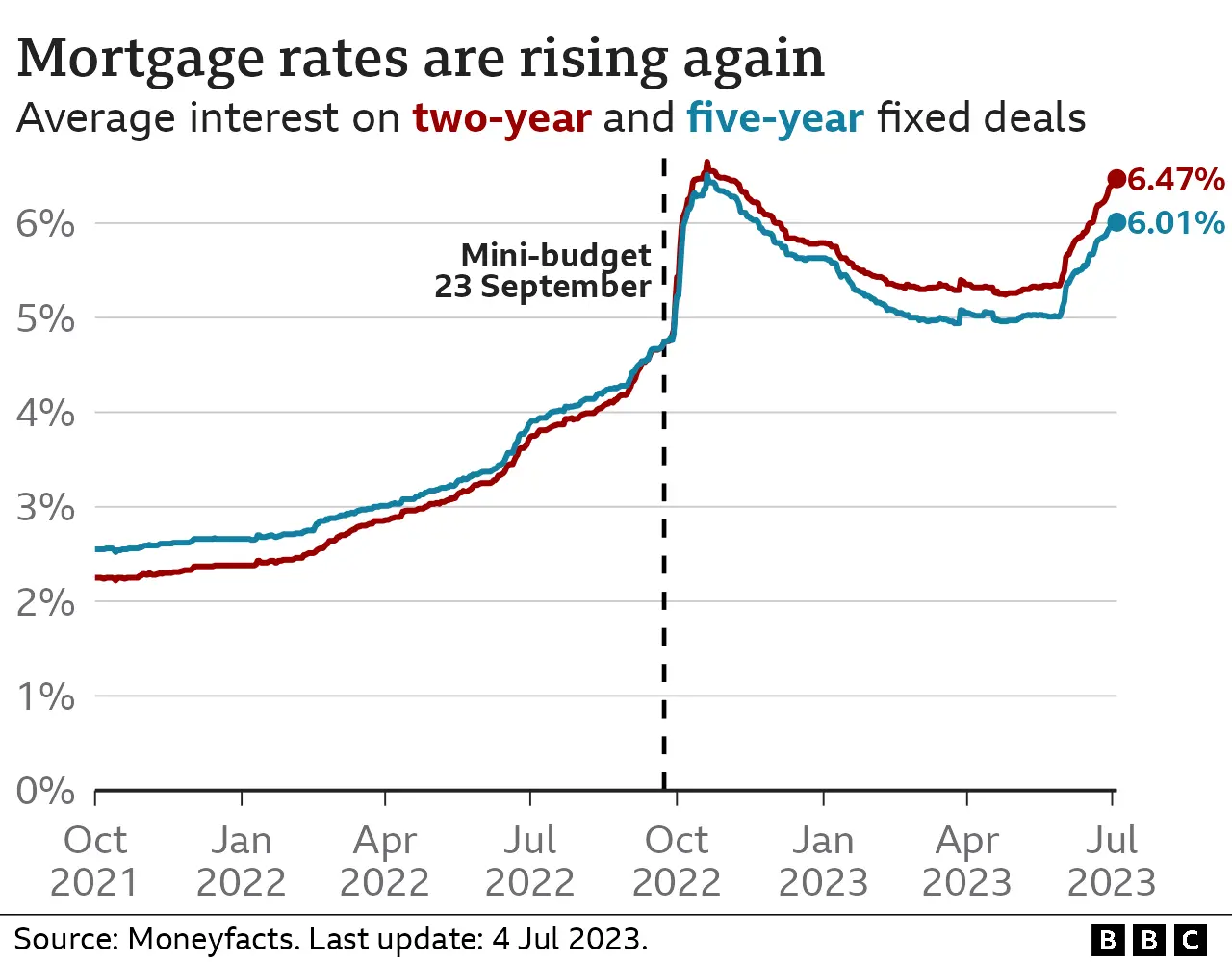
The Stability of Fixed-Rate Mortgages
A fixed-rate mortgage is characterized by an interest rate that remains constant for the entire duration of the loan. This means your monthly principal and interest payment will never change, providing unparalleled stability and predictability in your budgeting.
- Pros: Predictable payments, protection from rising interest rates, easier budgeting.
- Cons: You won’t benefit if market rates fall (unless you refinance), initial rates can be higher than introductory ARM rates.
Fixed-rate mortgages are popular choices for borrowers who plan to stay in their homes for many years, prefer consistent payments, or believe interest rates are likely to rise in the future. Common fixed-rate terms are 15, 20, or 30 years, with the 30-year fixed being the most common due to its lower monthly payment.
The Volatility and Potential Savings of Adjustable-Rate Mortgages (ARMs)
An adjustable-rate mortgage (ARM) starts with an initial fixed interest rate for a set period (e.g., 3, 5, 7, or 10 years), after which the rate adjusts periodically based on a chosen financial index (like the Secured Overnight Financing Rate – SOFR) plus a margin.
- Pros: Lower initial interest rates (which means lower initial payments), potential for lower payments if market rates fall, suitable for short-term homeownership.
- Cons: Payments can increase significantly when the rate adjusts, budgeting can be challenging, exposure to market rate volatility.
ARMs often come with caps that limit how much the interest rate can change in a single adjustment period and over the life of the loan, offering some protection against extreme rate hikes. However, the risk of higher payments remains. ARMs are often suitable for borrowers who anticipate selling or refinancing before the fixed-rate period ends, or those who expect their income to increase significantly in the future.
Hybrid Options: Finding a Middle Ground
Some lenders offer hybrid ARMs, which combine features of both fixed and adjustable-rate mortgages. The most common are 5/1, 7/1, or 10/1 ARMs. The first number indicates the number of years the interest rate is fixed, and the second number indicates how frequently the rate will adjust after the fixed period (e.g., once a year). This structure offers an initial period of payment stability, followed by the potential for adjustments. This can be a good compromise for those who want a lower initial rate but don’t mind some future rate uncertainty.
Strategies for Securing the Most Favorable Rate
While many factors influencing mortgage rates are beyond an individual’s control, there are several powerful strategies borrowers can employ to significantly improve their chances of securing a lower rate.
Enhancing Your Borrower Profile
Your personal financial health is paramount. Focusing on these areas can make you a more attractive borrower:
- Improve Your Credit Score: Pay bills on time, reduce credit card balances, avoid opening new credit accounts just before applying for a mortgage, and correct any errors on your credit report. A higher credit score translates directly into lower perceived risk for lenders and thus better rates.
- Reduce Your Debt-to-Income (DTI) Ratio: Prioritize paying down existing debts, especially high-interest credit card balances. A lower DTI shows lenders you have ample cash flow to manage your new mortgage payments.
- Increase Your Down Payment: Aim for a down payment of 20% or more if possible. This not only reduces the principal loan amount but also signals financial strength, reduces your LTV, and often allows you to avoid Private Mortgage Insurance (PMI), further lowering your overall housing cost.
- Build a Strong Cash Reserve: Having a healthy emergency fund and additional savings demonstrates financial stability, which can be viewed favorably by lenders.
The Power of Comparison Shopping and Negotiation
Never settle for the first offer you receive. Mortgage rates can vary significantly from one lender to another, even on the same day for the same borrower.
- Shop Multiple Lenders: Contact a variety of lenders, including traditional banks, credit unions, and online mortgage brokers. Each institution has different pricing models, loan products, and risk appetites.
- Get Pre-Approved: Obtaining pre-approval from several lenders allows you to compare actual loan offers, including interest rates, points, and fees, without committing. It also shows sellers you are a serious buyer.
- Negotiate: Don’t be afraid to use offers from one lender to negotiate a better deal with another. Lenders are often willing to compete for your business.
Understanding Rate Locks and Closing Costs
When you find an acceptable rate, you’ll likely have the option to “lock in” your interest rate.
- Rate Lock: A rate lock guarantees your interest rate for a specific period (e.g., 30, 45, or 60 days) during the underwriting and closing process. This protects you if market rates rise before your closing. Understand any associated fees and the lock-in period.
- Discount Points vs. Lender Credits: You may be offered the option to “buy down” your interest rate by paying discount points (one point equals 1% of the loan amount) upfront at closing. Conversely, some lenders offer lender credits, which reduce your closing costs in exchange for a slightly higher interest rate. Evaluate which option makes financial sense for your situation and expected homeownership duration.
The Long-Term Impact: How Rates Shape Your Financial Future
The initial interest rate you secure is just the beginning. Its enduring influence on your overall financial landscape warrants careful consideration, especially regarding long-term budgeting and potential future adjustments.
Calculating Your Monthly Payments and Total Cost
The interest rate is the primary driver of your monthly mortgage payment (specifically the principal and interest portion). A lower rate significantly reduces this payment, freeing up cash flow for other financial goals or simply enhancing your daily budget. Over the life of a 30-year mortgage, even a half-percentage point difference in the rate can translate into tens of thousands of dollars saved in total interest paid.
For example, on a $350,000 loan:
- At 6.5% interest, the monthly principal & interest payment is approximately $2,212, and the total interest paid over 30 years is ~$446,300.
- At 6.0% interest, the monthly principal & interest payment is approximately $2,098, and the total interest paid over 30 years is ~$405,300.
That’s a difference of over $110 per month and $41,000 over the life of the loan. This illustrates the profound long-term financial implications of the rate you secure.

Considerations for Refinancing and Future Planning
Even after you’ve closed on your mortgage, the interest rate environment can continue to impact your financial strategy. If market rates drop significantly after you’ve purchased your home, refinancing could be a viable option. Refinancing involves taking out a new loan to pay off your existing mortgage, typically to secure a lower interest rate, reduce your monthly payments, change your loan term, or convert an ARM to a fixed-rate mortgage.
However, refinancing comes with its own set of closing costs, so it’s essential to perform a break-even analysis to determine how long it will take for the savings from the lower rate to offset these upfront expenses. Continuously monitoring the market and understanding the potential benefits and costs of refinancing are crucial components of proactive financial management for homeowners.
In conclusion, understanding “how much is mortgage interest rate” goes far beyond a simple numerical answer. It involves appreciating the complex interplay of global economics, central bank policies, bond markets, lender strategies, and your personal financial standing. By taking proactive steps to improve your borrower profile, meticulously compare offers, and strategically choose the right mortgage product, you can significantly influence the cost of your homeownership journey and lay a stronger foundation for your long-term financial well-being.
aViewFromTheCave is a participant in the Amazon Services LLC Associates Program, an affiliate advertising program designed to provide a means for sites to earn advertising fees by advertising and linking to Amazon.com. Amazon, the Amazon logo, AmazonSupply, and the AmazonSupply logo are trademarks of Amazon.com, Inc. or its affiliates. As an Amazon Associate we earn affiliate commissions from qualifying purchases.