
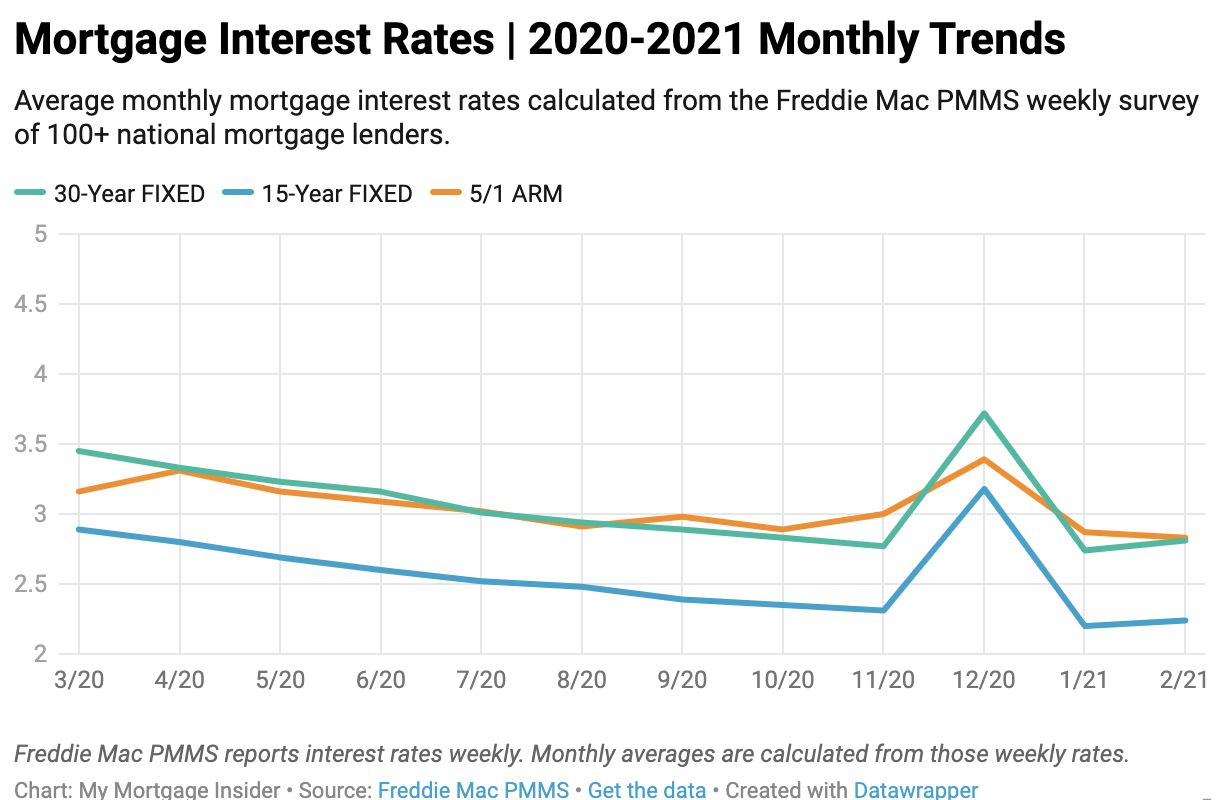
For any prospective homeowner or real estate investor, the question of “how much is mortgage interest rate today” is more than a simple inquiry—it is a critical data point that determines purchasing power, long-term wealth accumulation, and monthly cash flow. In the current economic climate, mortgage rates have moved away from the historic lows of the early 2020s, settling into a range that demands a more sophisticated understanding of the financial markets. Navigating this landscape requires a deep dive into the macroeconomic forces at play, the personal financial metrics that lenders scrutinize, and the strategic choices available to borrowers looking to minimize their interest burden.
The Economic Forces Shaping Today’s Mortgage Market
Mortgage rates do not exist in a vacuum; they are the result of a complex interplay between government policy, investor sentiment, and global economic health. To understand why rates sit where they do today, one must look toward the Federal Reserve and the broader bond market.
The Influence of the Federal Reserve and Monetary Policy
While the Federal Reserve does not directly set the interest rates that consumers pay on their mortgages, its actions regarding the federal funds rate serve as a primary catalyst. When the Fed raises rates to combat inflation, the cost of borrowing increases across the entire economy. This ripple effect typically leads to higher yields on U.S. Treasury bonds. Because mortgage-backed securities (MBS)—the bundles of home loans sold to investors—must compete with Treasuries for investor dollars, mortgage rates must rise to remain attractive. Today’s rates are a direct reflection of the Fed’s “higher for longer” stance, aimed at cooling an overheated economy and bringing inflation back toward a 2% target.
The 10-Year Treasury Yield Correlation
Historically, the most reliable barometer for 30-year fixed-rate mortgages is the 10-year Treasury yield. There is a “spread” or gap between the yield on a 10-year Treasury note and the average mortgage rate, usually hovering around 1.5 to 2 percentage points. In times of economic uncertainty or high volatility, this spread can widen significantly. Today, investors watch the 10-year yield closely; when yields spike due to strong economic data or fears of persistent inflation, mortgage rates almost inevitably follow suit within hours or days.
Inflationary Pressures and Market Sentiment
Inflation is the natural enemy of fixed-income investments like mortgages. If inflation is high, the purchasing power of the interest payments an investor receives in the future is eroded. Consequently, when the Consumer Price Index (CPI) or Personal Consumption Expenditures (PCE) reports show that prices are rising faster than expected, mortgage rates tend to jump. Conversely, signs of a cooling labor market or slowing retail sales can lead to a dip in rates as the market anticipates a potential shift toward a more accommodative monetary policy.
Identifying the Factors That Influence Individual Mortgage Quotes
When a borrower asks “how much is mortgage interest rate today,” they are often surprised to find that the “headline rate” seen on news sites is not necessarily the rate they are offered. A variety of personal financial factors influence the specific quote provided by a lender.
The Critical Role of Credit Scores
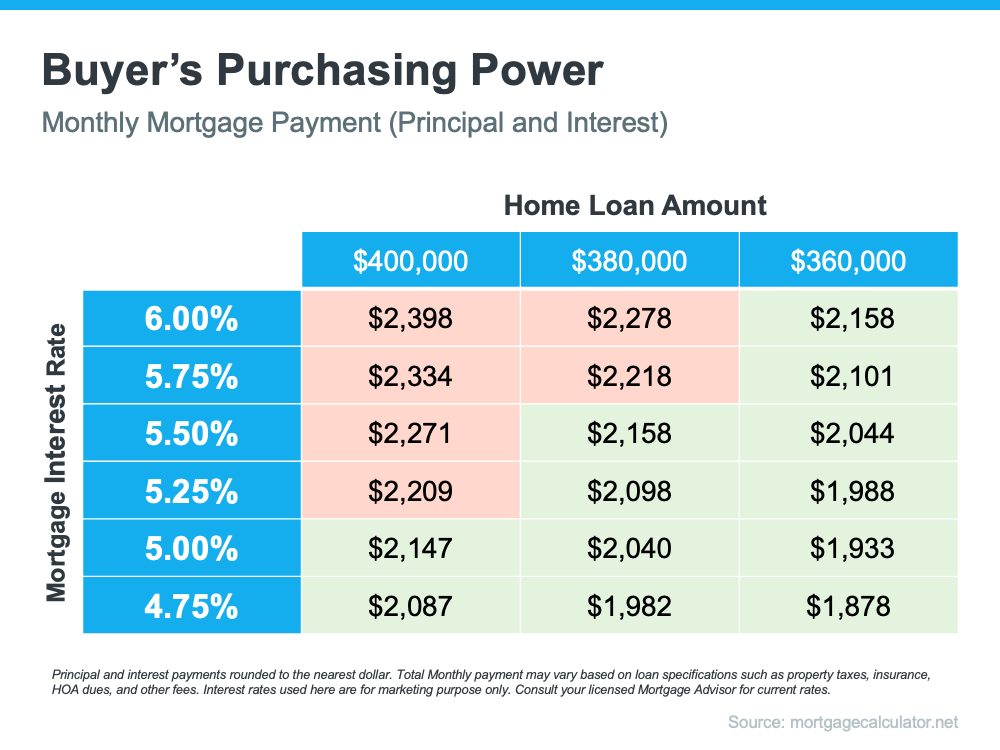
In the world of personal finance, your credit score is the most significant lever you have to control your interest rate. Lenders use the FICO score to categorize borrowers into risk tiers. A borrower with a score of 760 or higher is viewed as low risk and will qualify for the most competitive rates. Someone with a score in the mid-600s may face a rate that is 0.5% to 1.5% higher. Over a 30-year loan term, this seemingly small difference can result in tens of thousands of dollars in extra interest payments.
Loan-to-Value (LTV) and Down Payment Size
The amount of equity you put into a home significantly impacts the lender’s risk. A higher down payment—typically 20% or more—lowers the Loan-to-Value ratio. Lenders often reward lower LTV ratios with better interest rates because the borrower has more “skin in the game,” making them less likely to default. Furthermore, reaching the 20% threshold eliminates the need for Private Mortgage Insurance (PMI), which, while not part of the interest rate itself, adds to the effective annual percentage rate (APR) of the loan.
Debt-to-Income (DTI) Ratios and Financial Stability
Lenders also evaluate your Debt-to-Income ratio, which compares your monthly debt obligations to your gross monthly income. A DTI below 36% is generally considered ideal. If your DTI is high, a lender might perceive you as being stretched too thin financially, which could lead to a higher interest rate quote or a requirement for a larger cash reserve.
Choosing Between Fixed-Rate and Variable-Rate Mortgages
The structure of the loan is just as important as the rate itself. In today’s market, borrowers must decide between the security of a fixed rate and the potential short-term savings of an adjustable-rate mortgage (ARM).
The Stability of the 30-Year Fixed-Rate Mortgage
The 30-year fixed-rate mortgage remains the gold standard for American homeowners. It provides a predictable monthly payment that never changes, regardless of how high market interest rates might climb in the future. For those planning to stay in their home for a decade or more, this stability is often worth the slightly higher initial rate compared to shorter-term or variable products. It acts as a hedge against future inflation, as the borrower pays back the loan with “cheaper” future dollars.
The Strategic Use of Adjustable-Rate Mortgages (ARMs)
In an environment where rates are perceived to be at a cyclical peak, an Adjustable-Rate Mortgage can be a strategic tool. ARMs typically offer a lower “teaser” rate for an initial period—commonly 5, 7, or 10 years. After this period, the rate adjusts based on a specific financial index. If a borrower expects to sell the home or refinance before the adjustment period begins, an ARM can save them thousands in interest during the first several years of the loan. However, the risk of “payment shock” if rates remain high at the time of adjustment makes this a more aggressive financial move.
The 15-Year Fixed-Rate Advantage
For those with the cash flow to handle higher monthly payments, the 15-year fixed-rate mortgage offers significantly lower interest rates than the 30-year counterpart. Because the lender’s capital is at risk for a shorter period, they offer a discount on the rate. Additionally, the accelerated amortization schedule means the borrower builds equity much faster and pays a fraction of the total interest over the life of the loan.
Tactical Strategies for Securing a Competitive Mortgage Rate
Securing the best possible mortgage rate today requires more than just a good credit score; it requires a proactive approach to the lending process.
Shopping Multiple Lenders and Comparing Loan Estimates
One of the most common mistakes borrowers make is accepting the first quote they receive. Mortgage rates can vary significantly between big banks, credit unions, and independent mortgage brokers. By obtaining at least three Loan Estimates, borrowers can compare not only the interest rate but also the closing costs and origination fees. Small differences in these fees can often offset the benefits of a slightly lower rate.
Utilizing Discount Points to Buy Down the Rate
Borrowers have the option to pay “points” at closing to permanently lower their interest rate. One point typically costs 1% of the total loan amount and reduces the rate by approximately 0.25%. This is essentially an upfront investment in your future savings. To determine if this makes sense, one must calculate the “break-even point”—the number of months it takes for the monthly interest savings to equal the upfront cost of the points. If you plan to keep the loan longer than the break-even period, buying points is a sound financial strategy.
The Importance of the Rate Lock
Because mortgage rates fluctuate daily—and sometimes hourly—a “rate lock” is essential. Once you find a rate that fits your budget, your lender can lock that rate for a set period, typically 30 to 60 days, while the loan is processed. Without a lock, you are at the mercy of market volatility. Some lenders also offer “float-down” provisions, which allow you to lock in a rate but still take advantage of a lower rate if the market drops before you close.
The Long-Term Financial Implications of Higher Rates
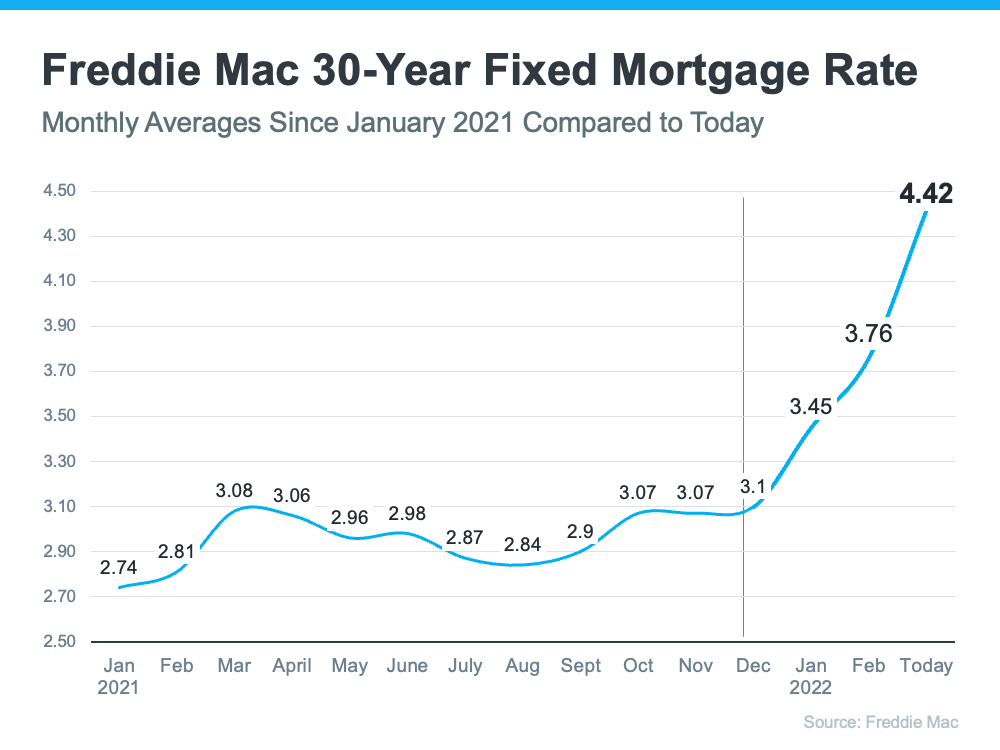
Understanding “how much is mortgage interest rate today” is ultimately about understanding the cost of capital. In a high-rate environment, the philosophy of “marry the house, date the rate” has become popular. This suggests that if you find the right property, you should purchase it even if rates are high, with the intention of refinancing when rates eventually decline.
However, this strategy requires a margin of safety. Borrowers must ensure they can afford the payments at the current rate indefinitely, as there is no guarantee when or if rates will return to previous lows. Higher rates also mean that more of your early payments go toward interest rather than principal, slowing the pace of equity growth.
In conclusion, while today’s mortgage rates are significantly higher than the historic anomalies of the recent past, they remain within the context of long-term historical averages. By focusing on improving credit health, choosing the right loan product, and shopping aggressively among lenders, savvy borrowers can still find paths to homeownership that align with their long-term financial goals. The key is to remain informed, stay flexible, and view the mortgage not just as a debt, but as a strategic component of a broader financial portfolio.
aViewFromTheCave is a participant in the Amazon Services LLC Associates Program, an affiliate advertising program designed to provide a means for sites to earn advertising fees by advertising and linking to Amazon.com. Amazon, the Amazon logo, AmazonSupply, and the AmazonSupply logo are trademarks of Amazon.com, Inc. or its affiliates. As an Amazon Associate we earn affiliate commissions from qualifying purchases.