
For families across the United States, securing adequate health insurance is not just a regulatory requirement, but a fundamental pillar of financial security and peace of mind. The ability to access necessary medical care without facing crippling debt is a primary concern for millions. However, the question of “how much is medical insurance for a family of 4?” is often met with a frustratingly complex and variable answer. Unlike a fixed utility bill, the cost of health coverage is a mosaic of factors, influenced by everything from where you live and your family’s health needs to the specific type of plan you choose.

Navigating this intricate landscape requires more than just a quick glance at a premium. It demands a deep understanding of the various components that contribute to the total cost, both upfront and out-of-pocket, and an awareness of the strategies available to manage these expenses effectively. This article will delve into the multifaceted world of family health insurance, breaking down the core cost drivers, exploring the factors that cause wide variations in pricing, and ultimately providing insights into how a family of four can approach securing affordable and comprehensive coverage in today’s dynamic healthcare market. By shedding light on these critical elements, we aim to equip families with the knowledge needed to make informed decisions that protect both their health and their financial well-being.
Understanding the Core Components of Health Insurance Costs
When evaluating health insurance plans, it’s easy to get lost in a sea of jargon. However, four fundamental components dictate the vast majority of your health insurance spending: premiums, deductibles, copayments, coinsurance, and the out-of-pocket maximum. Grasping these terms is crucial to understanding the true cost of a plan beyond its monthly sticker price.
Premiums: The Monthly Sticker Price
The premium is the most straightforward cost: it’s the amount you or your employer pay each month to keep your health insurance active. For a family of four, this figure will naturally be higher than for an individual or a couple, as it covers more lives. Premiums are influenced by several key factors:
-
Plan Type: Health Maintenance Organizations (HMOs) often have lower premiums due to their restricted networks and requirement for a primary care physician (PCP) referral. Preferred Provider Organizations (PPOs), while offering more flexibility and no referral requirement, typically come with higher premiums. Exclusive Provider Organizations (EPOs) and Point of Service (POS) plans offer variations in between.
-
Metal Tier: Plans on the Affordable Care Act (ACA) marketplace are categorized into metal tiers (Bronze, Silver, Gold, Platinum). Bronze plans have the lowest premiums but highest out-of-pocket costs when you use care, while Platinum plans have the highest premiums but the lowest out-of-pocket costs.
-
Location: Premiums vary significantly by state, and even by county, due to differences in healthcare costs, competition among insurers, and state regulations.
-
Age: While children generally cost less to insure than adults, the age of the adult family members will impact the total premium, with older individuals typically having higher costs.
Deductibles: Your Out-of-Pocket Threshold
The deductible is the amount of money you must pay for covered healthcare services before your insurance plan starts to pay. For a family of four, this can be a substantial sum. For example, if a family has a $6,000 deductible, they would need to pay $6,000 out of pocket for doctor visits, hospital stays, or prescriptions before their insurance begins to pay a share.
There’s an inverse relationship between deductibles and premiums: plans with lower monthly premiums often come with higher deductibles, meaning you pay less upfront but more if you need significant medical care. Conversely, plans with higher premiums usually have lower deductibles. When assessing a plan, consider your family’s health history and anticipated medical needs. A healthy family might find a high-deductible plan appealing for its lower premiums, while a family with chronic conditions might prefer a lower deductible, even if it means a higher monthly premium. It’s important to note that many preventative services (like annual check-ups, immunizations, and screenings) are usually covered at 100% even before the deductible is met.
Copayments and Coinsurance: Shared Costs for Services
Once your deductible has been met, you’re still not necessarily done paying for services. This is where copayments and coinsurance come into play, representing your share of the cost for specific services.
-
Copayment (Copay): This is a fixed dollar amount you pay for a covered healthcare service at the time you receive it. For example, you might pay a $30 copay for a doctor’s visit, or a $15 copay for a prescription drug, regardless of the total cost of the service. Copays often apply even before the deductible is met for certain services, like primary care visits, depending on the plan.
-
Coinsurance: This is a percentage of the cost of a covered healthcare service that you pay after you’ve met your deductible. For instance, if your plan has an 80/20 coinsurance, it means the plan pays 80% of the cost, and you pay the remaining 20% until you reach your out-of-pocket maximum. If you have a $1,000 medical bill after your deductible is met, and 20% coinsurance, you would pay $200.
Understanding how these costs stack up is vital. A plan with a low premium might have high copays and coinsurance percentages, potentially leading to significant out-of-pocket expenses if your family frequently uses medical services.
Out-of-Pocket Maximum: Your Financial Safety Net
The out-of-pocket maximum (or limit) is your ultimate financial safety net. It’s the most you will have to pay for covered services in a plan year. Once you reach this limit, your health insurance plan pays 100% of the costs for covered benefits for the rest of the year. This limit includes payments for deductibles, copayments, and coinsurance. Premiums, however, do not count towards the out-of-pocket maximum.
For a family of four, the out-of-pocket maximum can be a critical feature, particularly in the event of a severe illness, accident, or chronic condition affecting one or more family members. Knowing this maximum provides a ceiling to your potential annual healthcare spending, allowing for more predictable financial planning. For 2024, the out-of-pocket maximum for a family plan purchased through the ACA marketplace is capped at $18,900. Employer-sponsored plans may have different limits, but they generally follow similar principles.
Key Factors Influencing Costs for a Family of 4
The broad spectrum of health insurance costs for a family of four isn’t random; it’s the result of several interconnected factors. Understanding these drivers is essential for families looking to accurately estimate and potentially reduce their healthcare expenditures.
Geographic Location Matters
Where you live significantly impacts the cost of health insurance. This isn’t just about state lines but often varies considerably even within states, from urban centers to rural areas. Several factors contribute to this geographical variation:
-
State Regulations: Each state has its own insurance laws and regulations, which can affect the types of plans available, the benefits they must cover, and how premiums are calculated. Some states have more stringent requirements than others, potentially leading to higher baseline costs.
-
Cost of Healthcare: The general cost of medical services, hospital stays, and prescription drugs varies widely across the country. Areas with higher living costs, greater demand for specialists, or less competition among healthcare providers tend to have higher insurance premiums.
-
Market Competition: In areas with more health insurance companies competing for customers, you might find more diverse plan options and potentially lower prices due to competitive pressure. Conversely, regions with fewer insurers may see higher rates.
-
Demographics and Health Trends: Local population health trends and demographics can also play a role. Areas with older populations or higher rates of chronic diseases might see higher average premiums reflected across the board.
Age and Health Status of Family Members
While the Affordable Care Act (ACA) largely prevents insurers from charging more based on pre-existing conditions, age remains a significant factor in premium calculation for adults. For children, the impact is less dramatic, but overall family age composition is key.
-
Adult Age: Older adults typically incur higher premiums because they are statistically more likely to require medical care. For a family of four, having two adults in their 50s will generally result in higher premiums than two adults in their 30s, even if all other factors are equal.
-
Children: Children are generally less expensive to insure than adults. Under the ACA, insurers can only rate based on age, tobacco use, and geography, and the rating curve for children is flat up to age 20. Adding more children to a policy will increase the premium, but not as steeply as adding an adult.
-
Tobacco Use: In most states, insurers are permitted to charge tobacco users up to 50% more than non-tobacco users. If one or both adults in a family of four use tobacco, this can significantly inflate the premium.
-
Health Status (Indirect Impact): While pre-existing conditions cannot be used to deny coverage or charge higher premiums, a family’s general health status will indirectly influence their total annual spending on healthcare through deductibles, copayments, and coinsurance. A family with chronic health issues will likely hit their deductible and out-of-pocket maximum much faster than a generally healthy family.
Plan Type and Metal Tier Selection
The type of plan and its “metal tier” (for ACA marketplace plans) are direct indicators of the premium level and the expected cost-sharing structure.
-
Plan Type (HMO, PPO, EPO, POS):
-
HMOs (Health Maintenance Organizations): Tend to have the lowest premiums, but restrict coverage to a network of doctors and hospitals, often requiring a referral from a primary care physician to see a specialist.
-
PPOs (Preferred Provider Organizations): Offer more flexibility to see out-of-network providers (though at a higher cost) and typically don’t require referrals. They generally come with higher premiums.
-
EPOs (Exclusive Provider Organizations): Similar to HMOs in network restrictions but don’t always require a referral.
-
POS (Point of Service): A hybrid of HMO and PPO, offering lower costs for in-network care but flexibility for out-of-network at a higher price.
-
-
Metal Tier (Bronze, Silver, Gold, Platinum):
-
Bronze: Lowest premiums, highest deductibles and out-of-pocket costs (insurer pays about 60% of costs, on average). Ideal for those who don’t expect to use much medical care.
-
Silver: Moderate premiums, moderate deductibles and out-of-pocket costs (insurer pays about 70% of costs, on average). Crucially, Silver plans are the only ones eligible for Cost-Sharing Reductions (CSRs) for eligible lower-income families, making them an excellent value for many.
-
Gold: Higher premiums, lower deductibles and out-of-pocket costs (insurer pays about 80% of costs, on average). Suited for families who expect to use a fair amount of medical care.
-
Platinum: Highest premiums, lowest deductibles and out-of-pocket costs (insurer pays about 90% of costs, on average). Best for families with significant ongoing medical needs.
-
The choice of plan and tier should align with your family’s anticipated healthcare usage and risk tolerance. A healthy family that rarely visits the doctor might benefit from a Bronze plan’s lower premiums, while a family with ongoing medical conditions might find a Gold or Platinum plan’s lower out-of-pocket costs to be more financially sensible in the long run.
Employer-Sponsored vs. Marketplace Plans
The source of your health insurance coverage also plays a critical role in its cost. Most Americans receive health insurance through an employer, which often significantly reduces the burden on the employee.
-
Employer-Sponsored Plans: These plans typically offer more affordable coverage because employers usually subsidize a substantial portion of the premium. On average, employers pay about 70-80% of the premium for single coverage and often a significant percentage for family coverage. For a family of four, the employee’s contribution might still be several hundred dollars per month, but the total cost is much higher, with the employer picking up the majority. These plans often come with a wider array of choices and lower deductibles than many marketplace plans.
-
Marketplace Plans (ACA Exchange): For families who don’t have access to affordable employer-sponsored coverage, or for self-employed individuals, the Health Insurance Marketplace (or state exchanges) offers individual and family plans. While these plans can be more expensive than employer-subsidized options, they come with a crucial benefit: government subsidies. Families with incomes between 100% and 400% (and temporarily, above 400% through 2025) of the Federal Poverty Level (FPL) may be eligible for Premium Tax Credits, which can significantly reduce their monthly premiums. Additionally, those with incomes up to 250% FPL may qualify for Cost-Sharing Reductions (CSRs), which lower deductibles, copayments, and coinsurance on Silver plans.
Comparing these two avenues is vital. Even if you have an employer plan, it’s worth checking the marketplace if your employer’s family coverage is particularly expensive, as you might find a subsidized marketplace plan to be a more cost-effective option, depending on your income.
Average Costs and Real-World Examples (Illustrative)
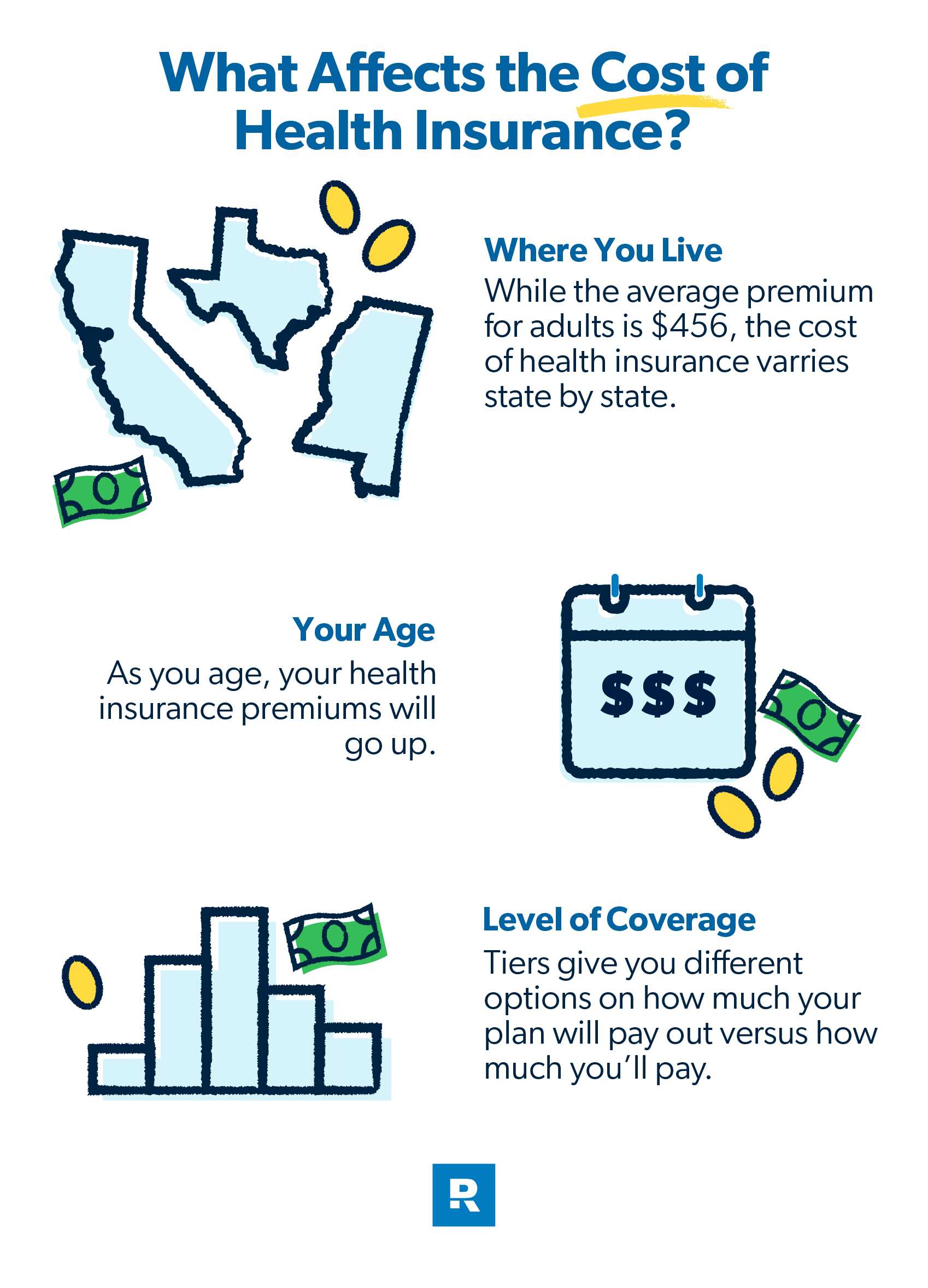
While it’s impossible to give a precise figure without knowing a family’s specific circumstances, we can provide general averages and illustrate how various factors might influence the actual cost for a family of four. It’s crucial to remember that these are illustrative and real costs can vary dramatically.
General Averages (with Caveats)
Based on recent data, the national average unsubsidized premium for a family of four can range significantly, typically falling between $1,000 to over $2,500 per month. This wide range reflects the influence of location, age, and plan choice.
-
Employer-Sponsored Plans: For families with employer-sponsored coverage, the average employee contribution for family coverage might be around $500 to $1,500 per month, depending on the plan, the employer’s generosity, and the family’s specific demographic. The employer typically pays the remaining portion, which can be thousands more.
-
Marketplace Plans (Unsubsidized): Without subsidies, a “benchmark” Silver plan for a family of four could easily fall into the $1,500 to $2,500+ range per month, or even higher in high-cost states like New York or California. Bronze plans might be on the lower end, while Gold or Platinum plans would push towards the higher end or beyond. These figures underscore why subsidies are so critical for affordability on the individual market.
These averages do not account for deductibles, copayments, or coinsurance, which are additional costs incurred when healthcare services are actually used. A family’s total annual out-of-pocket spending could easily reach several thousand dollars beyond premiums, up to their plan’s out-of-pocket maximum.
Impact of Subsidies (Premium Tax Credits)
The Affordable Care Act’s Premium Tax Credits are designed to make marketplace coverage more affordable for eligible families. These credits are based on income relative to the Federal Poverty Level (FPL) and are calculated to limit how much of your income you spend on benchmark Silver plan premiums.
Hypothetical Example: Consider a family of four with an annual household income of $80,000. In 2024, the FPL for a family of four is approximately $30,000. An $80,000 income puts this family at roughly 266% of the FPL.
-
Without Subsidies: Let’s assume a benchmark Silver plan in their area costs $1,800 per month ($21,600 per year).
-
With Subsidies: The ACA aims to cap premiums for a benchmark Silver plan at a certain percentage of income. For a family at 266% FPL, this cap might be around 8.5% of their income.
-
8.5% of $80,000 = $6,800 annually.
-
Annual premium after subsidy: $6,800.
-
Monthly premium after subsidy: $6,800 / 12 = $567 per month.
-
In this scenario, the family would receive a subsidy of $1,233 per month ($1,800 – $567).
-
This example highlights how subsidies can transform an unaffordable $1,800 monthly premium into a much more manageable $567, representing a significant financial relief. It also demonstrates why it’s critical for families to accurately report their income when applying for marketplace coverage, as income changes can impact subsidy eligibility.
High-Deductible Health Plans (HDHPs) and HSAs
For families who are relatively healthy and anticipate minimal medical needs, High-Deductible Health Plans (HDHPs) can offer a compelling cost-saving strategy.
-
HDHPs: These plans typically have lower monthly premiums in exchange for higher deductibles. For 2024, an HDHP must have a minimum deductible of $3,200 for family coverage and an out-of-pocket maximum not exceeding $16,100 for family coverage. The appeal of HDHPs lies in their lower monthly cost for families who rarely visit the doctor, minimizing their upfront spending.
-
Health Savings Accounts (HSAs): Crucially, HDHPs are often paired with Health Savings Accounts (HSAs). An HSA is a tax-advantaged savings account that can be used to pay for qualified medical expenses.
-
Tax Benefits: Contributions to an HSA are tax-deductible, the money grows tax-free, and withdrawals for qualified medical expenses are also tax-free. This triple tax advantage makes HSAs a powerful financial tool.
-
Savings for Future Medical Costs: For a healthy family, an HSA allows them to save money specifically for future medical expenses (like reaching the deductible) or even for retirement healthcare costs, while benefiting from tax savings.
-
Contribution Limits: For 2024, families can contribute up to $8,300 to an HSA.
-
For a family of four considering an HDHP, the strategy is often to pay the lower premium, contribute regularly to the HSA, and use those tax-free funds to cover the deductible if and when needed. If they remain healthy, the funds in the HSA can continue to grow, providing a robust financial cushion for future healthcare expenses.
Strategies for Managing and Reducing Family Health Insurance Costs
Given the significant expense that health insurance represents for a family of four, proactive strategies for managing and potentially reducing these costs are indispensable. Smart financial planning combined with an understanding of available options can lead to substantial savings without compromising quality of care.
Evaluate All Available Options Thoroughly
The first and most critical step is to cast a wide net when researching plans. Do not assume your current or employer-offered plan is automatically the best or most affordable.
-
Compare Employer Plans vs. Marketplace Plans: If you have access to an employer-sponsored plan, get a detailed breakdown of its costs (premiums, deductibles, out-of-pocket maximum) for family coverage. Then, visit Healthcare.gov (or your state’s exchange website) and input your family’s income and demographics to see what subsidized plans are available. Even if your employer plan is generally good, sometimes the subsidies on the marketplace can make a comparable plan significantly cheaper, especially for families with moderate incomes.
-
Explore Direct-to-Insurer Plans: Some insurers offer plans directly to consumers outside the marketplace. While these plans typically aren’t eligible for ACA subsidies, they might offer different network options or price points that could be competitive for families who don’t qualify for subsidies.
-
Utilize Online Comparison Tools: Websites like eHealth, Policygenius, and others can help you compare multiple plans from different carriers side-by-side, based on your family’s specific needs and location.
Optimize Plan Selection Based on Family Health Needs
The “best” plan isn’t always the cheapest premium; it’s the one that offers the best value for your family’s specific health profile.
-
Assess Anticipated Usage: If your family generally has few doctor visits, takes no prescription medications, and has no chronic conditions, a Bronze plan or an HDHP with lower premiums might be the most cost-effective choice. However, be prepared for potentially higher out-of-pocket costs if an unexpected medical event occurs.
-
Consider Frequent Medical Needs: If one or more family members have chronic conditions, require regular specialist visits, or take expensive prescription drugs, a Gold or Platinum plan (with higher premiums but lower deductibles and out-of-pocket costs) or a Silver plan with Cost-Sharing Reductions (CSRs) might result in lower total annual spending.
-
Check Provider Networks: Before enrolling, always verify that your family’s preferred doctors, specialists, and hospitals are “in-network” with the plan you’re considering. Out-of-network care can be substantially more expensive or not covered at all.
-
Review Drug Formularies: If your family relies on specific prescription medications, check the plan’s drug formulary (list of covered drugs) to ensure they are covered and understand their cost tier.
Maximize Tax Credits and Subsidies
For families utilizing the ACA marketplace, leveraging financial assistance is paramount to affordability.
-
Premium Tax Credits: Accurately estimate your household income for the upcoming year. Small changes in income can significantly impact your subsidy amount. If your income changes during the year, update the marketplace promptly to adjust your tax credit.
-
Cost-Sharing Reductions (CSRs): If your income is below 250% of the Federal Poverty Level, specifically choose a Silver plan. CSRs are only available with Silver plans and can drastically reduce your deductibles, copayments, and out-of-pocket maximums, making a Silver plan potentially more valuable than a Gold or Platinum plan for eligible families.
-
“Silver Loading” Advantage: In some states, due to complex tax rules, the full cost of CSRs is loaded onto Silver plans. If you are not eligible for CSRs but are eligible for premium tax credits, you might find that the premium tax credits are higher on Silver plans, making a Silver plan with lower out-of-pocket costs a better value than a Bronze plan, even if your income is higher. Always compare carefully.
Utilize Health Savings Accounts (HSAs) or Flexible Spending Accounts (FSAs)
These tax-advantaged accounts are powerful tools for covering out-of-pocket medical expenses.
-
Health Savings Accounts (HSAs): If you enroll in an HDHP, open and contribute to an HSA. The triple tax advantage (tax-deductible contributions, tax-free growth, tax-free withdrawals for qualified medical expenses) makes it an excellent way to save for future healthcare costs. Funds roll over year to year and are portable if you change jobs or plans.
-
Flexible Spending Accounts (FSAs): If you have an employer-sponsored plan (and it’s not an HDHP, or you choose not to use an HSA), an FSA allows you to set aside pre-tax money from your paycheck to pay for qualified medical and dental expenses. The primary drawback is the “use it or lose it” rule, meaning most funds must be used within the plan year (though some plans offer a grace period or a small carryover amount). For families, FSAs can be great for predictable expenses like copays, glasses, or dental work.
Proactive Health Management and Preventative Care
While not directly impacting premiums (except for tobacco use), prioritizing your family’s health can significantly reduce the overall amount you spend on healthcare services.
-
Take Advantage of Preventative Care: Most health insurance plans cover a wide range of preventative services (annual check-ups, immunizations, screenings, well-child visits) at no cost to you, even before your deductible is met. Utilizing these can catch potential issues early, preventing more costly treatments down the line.
-
Healthy Lifestyle: Encouraging a healthy lifestyle—balanced nutrition, regular exercise, stress management, and avoiding tobacco—can reduce the likelihood of chronic diseases and the need for frequent medical interventions.
-
Generic Prescriptions: Always ask your doctor if a generic version of a prescribed medication is available. Generics are chemically identical to brand-name drugs but typically cost significantly less.
-
Negotiate Bills: If you receive a large medical bill, especially for out-of-network services or unexpected charges, don’t be afraid to negotiate with the provider or hospital for a lower price.

Conclusion
The question of “how much is medical insurance for a family of 4” doesn’t have a singular, easy answer. Instead, it invites a deeper exploration into the intricate world of personal finance and healthcare economics. From the monthly premium to the potential for significant out-of-pocket expenses, the total cost is a dynamic sum influenced by myriad factors: geographic location, the age and health needs of each family member, the type of plan chosen, and whether the coverage is employer-sponsored or secured through the individual marketplace.
What is clear, however, is that families are not powerless in managing these costs. By understanding the core components of health insurance—premiums, deductibles, copayments, coinsurance, and the out-of-pocket maximum—families can gain clarity beyond the sticker price. Leveraging available strategies, such as thoroughly comparing employer and marketplace options, optimizing plan selection based on anticipated health needs, maximizing government subsidies, and utilizing tax-advantaged accounts like HSAs and FSAs, can lead to substantial savings and more predictable financial planning.
Ultimately, securing health insurance for a family of four is a critical financial decision. It requires diligence, research, and a proactive approach to ensure that your loved ones have access to quality care without jeopardizing your family’s financial stability. By becoming informed consumers and strategic planners, families can navigate the complexities of healthcare costs and build a more secure future for everyone under their roof.
aViewFromTheCave is a participant in the Amazon Services LLC Associates Program, an affiliate advertising program designed to provide a means for sites to earn advertising fees by advertising and linking to Amazon.com. Amazon, the Amazon logo, AmazonSupply, and the AmazonSupply logo are trademarks of Amazon.com, Inc. or its affiliates. As an Amazon Associate we earn affiliate commissions from qualifying purchases.