
Navigating the landscape of health insurance can often feel like deciphering a complex financial puzzle. For many Americans, the Affordable Care Act (ACA) marketplace, also known as Healthcare.gov or state-based exchanges, serves as a vital avenue for securing health coverage. However, a primary question on everyone’s mind is, “How much does it truly cost?” The answer, unfortunately, isn’t a simple figure but rather a dynamic calculation influenced by a multitude of factors unique to each individual and household. Understanding these variables is crucial for making an informed financial decision and ensuring access to essential healthcare without undue burden.

This comprehensive guide will demystify the pricing of marketplace health insurance, breaking down the components that contribute to your monthly premiums and out-of-pocket expenses. We’ll explore how government subsidies can significantly reduce costs, examine the different types of plans available, and provide actionable insights to help you find coverage that aligns with both your health needs and your financial capacity.
Understanding the Fundamentals of Marketplace Health Insurance
Before diving into the specifics of cost, it’s important to grasp what marketplace health insurance entails and why its pricing structure differs from, say, employer-sponsored plans. The ACA marketplace was designed to provide a transparent and competitive environment where individuals and small businesses could compare and purchase health insurance plans. These plans are offered by private insurance companies but must adhere to specific federal standards, ensuring they cover essential health benefits.
The Role of Essential Health Benefits
One of the foundational aspects influencing the cost and value of marketplace plans is the mandatory inclusion of ten categories of essential health benefits (EHBs). These include: ambulatory patient services; emergency services; hospitalization; maternity and newborn care; mental health and substance use disorder services, including behavioral health treatment; prescription drugs; rehabilitative and habilitative services and devices; laboratory services; preventive and wellness services and chronic disease management; and pediatric services, including oral and vision care. This standardization means that regardless of the plan or insurer, you can expect a baseline of comprehensive coverage, which inherently affects the underlying premium costs.
Open Enrollment and Special Enrollment Periods
A key financial consideration for marketplace plans is the timing of enrollment. Most people must enroll or re-enroll during the annual Open Enrollment Period, typically in the fall. Missing this window can mean you cannot get coverage for the coming year unless you qualify for a Special Enrollment Period (SEP). SEPs are triggered by qualifying life events such such as marriage, birth of a child, loss of other health coverage, or moving to a new area. Understanding these periods is financially critical, as being uninsured outside of these times can lead to gaps in coverage and potential financial vulnerability for medical emergencies.
Key Factors Driving Your Health Insurance Premiums
The sticker price for marketplace health insurance is never one-size-fits-all. Several personal and geographical factors play a significant role in determining your monthly premium. Recognizing these drivers can help you anticipate costs and understand the variations you see when comparing plans.
Age and Location
Your age is a significant determinant of your premium. Generally, premiums are lower for younger individuals and progressively increase with age, reflecting the higher statistical likelihood of needing medical care as one gets older. However, the ACA limits how much older adults can be charged compared to younger adults (typically a 3:1 ratio).
Location also has a profound impact. Health insurance markets are localized, meaning premiums vary significantly by state, and even by county within a state. This is due to several factors, including the number of competing insurers, the cost of healthcare services in that area, state regulations, and the overall health of the local population. A zip code can literally change your premium by hundreds of dollars a month.
Tobacco Use
In many states, insurers are permitted to charge tobacco users higher premiums—up to 50% more than non-tobacco users. This surcharge is often applied for a certain period after you quit, reflecting the long-term health risks associated with tobacco use. Disclosing tobacco use accurately is important, not just for compliance but also for receiving the correct premium calculation.
Plan Category (Metal Tiers)
Marketplace plans are categorized into “metal tiers” based on how they divide healthcare costs between you and the insurance company:
- Bronze: Covers approximately 60% of average healthcare costs, with you paying 40%. These plans have lower monthly premiums but higher deductibles and out-of-pocket costs when you need care. Best for those who want low monthly costs and don’t expect to use much medical care, or who can afford a high deductible in an emergency.
- Silver: Covers approximately 70% of average healthcare costs, with you paying 30%. These plans have moderate premiums and moderate deductibles. Crucially, Silver plans are the only tier eligible for Cost-Sharing Reductions (CSRs), which can significantly lower your out-of-pocket costs if you qualify based on income.
- Gold: Covers approximately 80% of average healthcare costs, with you paying 20%. These plans have higher monthly premiums but lower deductibles and out-of-pocket costs. Suitable for those who expect to use a fair amount of medical care and prefer predictable costs.
- Platinum: Covers approximately 90% of average healthcare costs, with you paying 10%. These plans have the highest monthly premiums but the lowest deductibles and out-of-pocket costs. Ideal for individuals with chronic conditions or those who frequently use healthcare services.
There are also Catastrophic plans available for individuals under 30 or those with a hardship exemption. These have very low premiums but extremely high deductibles and are designed primarily to protect against worst-case scenarios.
Household Size and Income (for Subsidies)
While not directly impacting the unsubsidized premium, your household size and income are critical because they determine your eligibility for financial assistance, which can drastically reduce your net premium. This leads us to the next crucial aspect of affordability.
Unlocking Affordability: Subsidies and Cost-Sharing Reductions
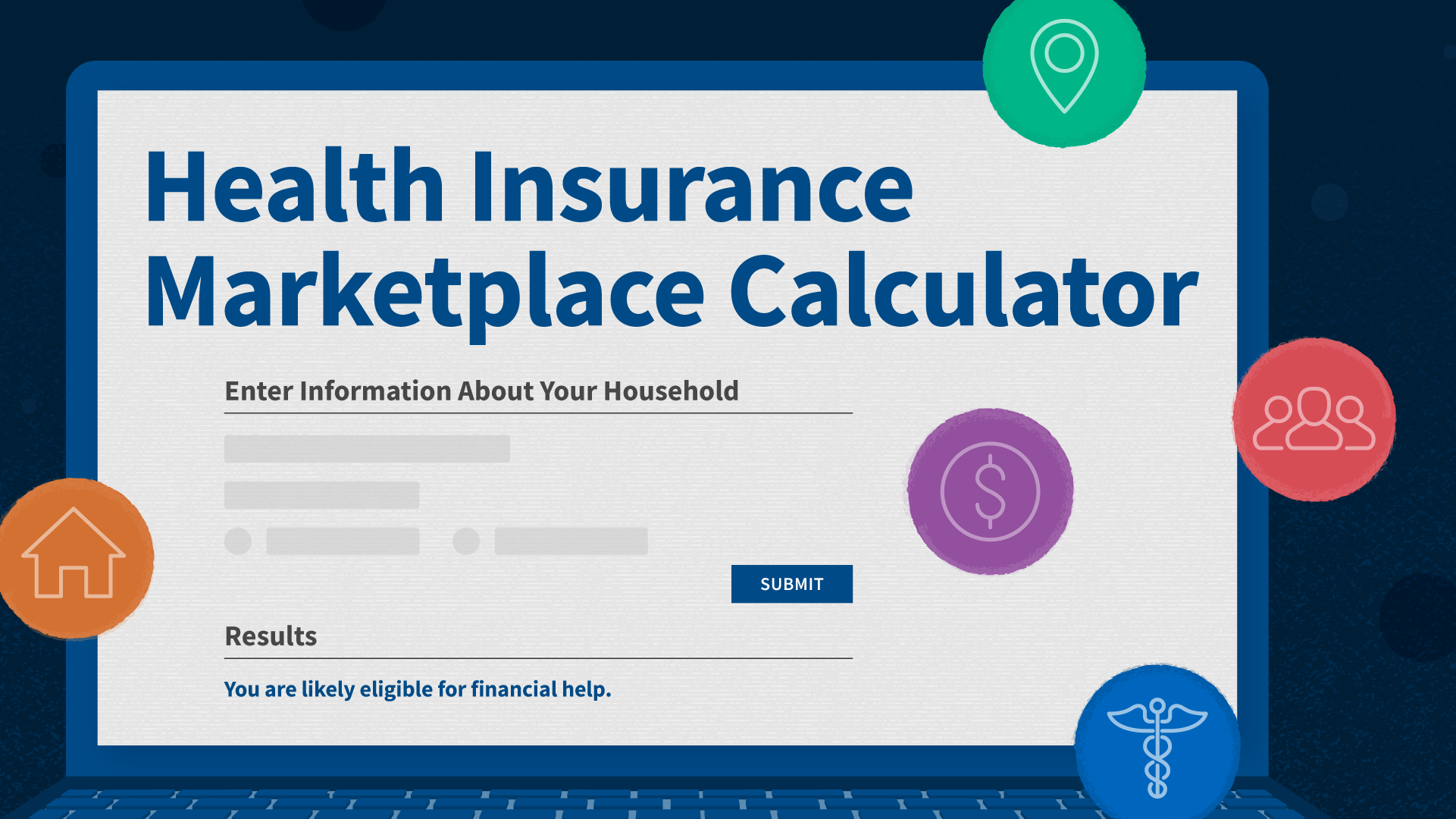
One of the most impactful features of the ACA marketplace is the availability of financial assistance designed to make health insurance more affordable. These subsidies are not a loan; they are direct government payments that reduce your costs.
Premium Tax Credits (APTC)
The Advanced Premium Tax Credit (APTC) is the primary form of financial help for marketplace plans. This credit lowers your monthly premium, allowing you to pay less out of pocket each month. Eligibility for APTC is based on your estimated household income for the year you want coverage, relative to the federal poverty level (FPL), and your household size.
Currently, under extended provisions (e.g., from the American Rescue Plan Act), more people are eligible for premium tax credits, and the amount of assistance has increased. Individuals and families earning between 100% and 400% of the FPL were historically eligible, but now those above 400% FPL may also qualify if the cost of the benchmark Silver plan exceeds 8.5% of their household income. The marketplace uses your income estimate to calculate your credit, which is then paid directly to your insurer, reducing your bill. It’s crucial to update your income estimates if they change during the year, as this can affect the amount of credit you receive and could lead to owing money back at tax time or receiving a larger refund.
Cost-Sharing Reductions (CSRs)
Beyond premium assistance, some individuals are also eligible for Cost-Sharing Reductions (CSRs). These are unique because they are only available for Silver plans. If you qualify for CSRs based on your income (typically between 100% and 250% of the FPL), your Silver plan will automatically have lower deductibles, copayments, and coinsurance, and a lower out-of-pocket maximum. In essence, a “Silver” plan for someone receiving CSRs functions much like a Gold or even Platinum plan in terms of out-of-pocket costs, but you still pay the Silver plan’s premium (which may itself be reduced by APTC). This is a powerful benefit that can dramatically reduce your financial exposure if you need significant medical care.
Beyond Premiums: The True Cost of Healthcare Coverage
While monthly premiums are the most visible cost, they represent only a portion of your total healthcare expenses. Understanding the full financial picture requires looking at out-of-pocket costs, which can significantly impact your budget, especially if you require frequent medical attention.
Deductibles, Copayments, and Coinsurance
- Deductible: This is the amount you must pay out of pocket for covered healthcare services before your insurance company starts to pay. For example, if you have a $5,000 deductible, you’ll pay the first $5,000 of covered medical expenses yourself each year before your plan kicks in. Plans with lower premiums generally have higher deductibles.
- Copayment (Copay): A fixed amount you pay for a covered healthcare service after you’ve met your deductible. For example, you might pay a $30 copay for a doctor’s visit, while your insurance pays the rest. Some services, like preventive care, may be covered by a copay even before meeting your deductible.
- Coinsurance: Your share of the cost of a covered healthcare service, calculated as a percentage (e.g., 20%) of the allowed amount for the service after you’ve met your deductible. If your plan’s coinsurance is 20% for a $100 service, you’d pay $20.
These three components combine to form the core of your out-of-pocket spending. A low premium might seem appealing, but if it comes with a high deductible and high coinsurance, your actual costs when you need care could be substantial.
Out-of-Pocket Maximum
Every marketplace plan has an annual out-of-pocket maximum (or limit). This is the most you’ll have to pay for covered services in a plan year. Once you reach this limit, your health insurance company pays 100% of the costs for covered essential health benefits for the rest of the year. This financial safeguard is critical, as it caps your financial liability in the event of a serious illness or injury, protecting you from potentially catastrophic medical bills. When comparing plans, always look at the out-of-pocket maximum in addition to the premium and deductible.
Navigating the Marketplace: Strategies for Smart Selection
Choosing the right health insurance plan is a critical financial decision. With numerous options available, a strategic approach can help you find the best value for your money and health needs.
Accurately Estimating Your Income
The most vital step in determining your true cost is accurately estimating your household income for the upcoming year. This is because your Premium Tax Credits and eligibility for Cost-Sharing Reductions are directly tied to this figure. Use pay stubs, tax returns, and any expected changes in employment or income to make the most precise estimate possible. Remember to report any significant income changes to the marketplace throughout the year to adjust your subsidies and avoid surprises at tax time.
Comparing Plans Beyond Premiums
Don’t let a low premium be the sole deciding factor. A comprehensive comparison involves looking at:
- Network: Does the plan include your preferred doctors, hospitals, and specialists? Out-of-network care can be significantly more expensive.
- Formulary: If you take prescription medications, check the plan’s drug list (formulary) to ensure your medications are covered and what tier they fall into, which determines your copay.
- Overall Costs: Compare not just premiums, but also deductibles, copays for common services (like doctor visits or urgent care), coinsurance rates, and the out-of-pocket maximum.
- Plan Type:
- HMO (Health Maintenance Organization): Typically lower premiums, require you to choose a primary care physician (PCP) who refers you to specialists. No out-of-network coverage except emergencies.
- PPO (Preferred Provider Organization): More flexibility, no referrals needed for specialists, some coverage for out-of-network care (at a higher cost). Higher premiums than HMOs.
- EPO (Exclusive Provider Organization): A hybrid, typically no referrals, but no out-of-network coverage except emergencies.
- POS (Point of Service): Similar to HMOs but with some out-of-network coverage, though often at a higher cost.
Leveraging the Marketplace Tools and Assistance
The Healthcare.gov website (or your state’s exchange) provides robust tools for comparing plans side-by-side, filtering by metal tier, plan type, and even specific doctors. Utilize these features fully. If you find the process overwhelming, free assistance is available through navigators, agents, and brokers. These professionals are trained to help you understand your options, calculate your subsidies, and complete the enrollment process, ensuring you make a financially sound decision.
In conclusion, the question “how much is marketplace health insurance” has a nuanced answer, deeply intertwined with your personal circumstances and choices. By understanding the factors that drive premiums, leveraging available subsidies, and looking beyond just the monthly cost to consider your total potential out-of-pocket expenses, you can confidently navigate the marketplace. Making an informed decision ensures you secure comprehensive, affordable health coverage that protects both your health and your financial well-being.
aViewFromTheCave is a participant in the Amazon Services LLC Associates Program, an affiliate advertising program designed to provide a means for sites to earn advertising fees by advertising and linking to Amazon.com. Amazon, the Amazon logo, AmazonSupply, and the AmazonSupply logo are trademarks of Amazon.com, Inc. or its affiliates. As an Amazon Associate we earn affiliate commissions from qualifying purchases.