
Securing a business loan is often a pivotal step for entrepreneurs looking to launch, expand, or simply navigate the ebb and flow of their operations. However, the question “how much business loan can I get?” is far from straightforward. The amount a lender is willing to offer is contingent upon a complex interplay of factors, unique to both your business and the specific financial institution. Navigating this landscape requires a deep understanding of what lenders prioritize, the types of funding available, and how to position your business for the most favorable outcome. This comprehensive guide delves into the core components that determine your borrowing capacity, empowering you to approach the loan application process with confidence and clarity.
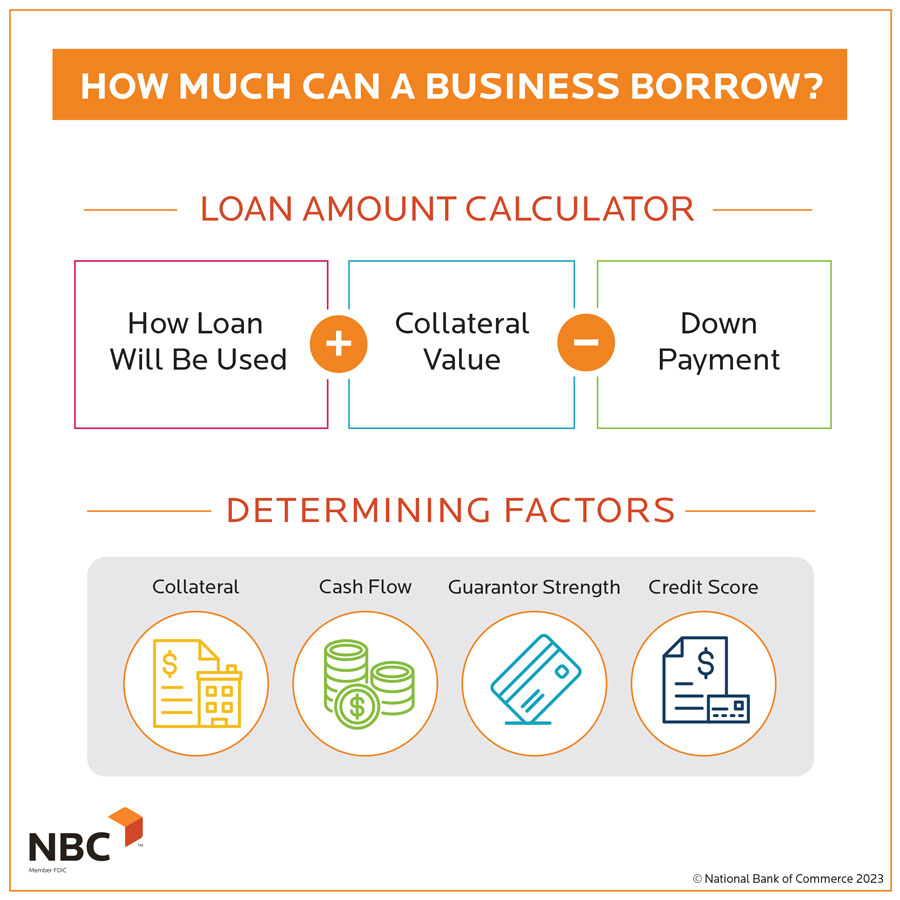
The Core Factors Lenders Evaluate
When you apply for a business loan, lenders undertake a meticulous assessment of your company’s financial health, operational stability, and overall risk profile. Their primary goal is to ascertain your ability to repay the loan reliably. Understanding these key evaluation metrics is the first step toward accurately estimating your borrowing potential.
Business Creditworthiness
Just as personal credit scores dictate individual lending opportunities, business creditworthiness is paramount for commercial financing. This encompasses several critical elements:
- Business Credit Score: Separate from your personal score, a business credit score (e.g., from Dun & Bradstreet, Experian Business, Equifax Business) reflects your company’s payment history with suppliers, lenders, and other creditors. A strong score indicates a history of timely payments and financial responsibility.
- Personal Credit Score: For small businesses, particularly startups or those without an extensive business credit history, the owner’s personal credit score plays a significant role. Lenders often look at FICO scores (typically requiring a minimum of 680-700) as an indicator of personal financial management, especially if a personal guarantee is required.
- Payment History: Consistent, on-time payments for existing debts, utilities, and trade lines demonstrate reliability and reduce perceived risk. Lenders scrutinize these records for any delinquencies or defaults.
Business Revenue and Cash Flow
The most direct indicator of your ability to repay a loan is your business’s revenue and, more importantly, its cash flow. Lenders want to see a consistent and sufficient stream of income to cover proposed loan payments comfortably.
- Gross Revenue: While high revenue is attractive, it’s net income and free cash flow that truly matter. Lenders will analyze your income statements to understand sales volume and growth trends.
- Cash Flow Statements: These documents reveal how cash moves in and out of your business. Positive cash flow from operations is a strong sign that your business generates enough money to meet its obligations without relying on external financing for day-to-day activities.
- Debt Service Coverage Ratio (DSCR): This crucial metric compares your business’s net operating income to its total debt obligations, including the proposed new loan. A DSCR of 1.25x or higher is generally preferred, indicating that your business generates 1.25 dollars of cash for every dollar of debt payment due.
Time in Business and Industry Stability
The age of your business and the stability of its industry can significantly influence loan amounts and approval chances.
- Established Businesses: Companies with a proven track record (typically 2+ years in operation) are generally viewed as less risky. They have demonstrated resilience, built customer bases, and often possess more comprehensive financial histories for lenders to analyze.
- Startups: While innovative, startups inherently carry higher risk due to their unproven business models and lack of historical data. They may qualify for smaller loan amounts or specific startup-focused financing with stricter terms or higher collateral requirements.
- Industry Outlook: Lenders also consider the economic health and growth prospects of your industry. Businesses in stable, growing sectors might receive more favorable terms than those in volatile or declining industries.
Collateral and Guarantees
Many business loans, especially for larger amounts, are secured. This means the borrower pledges assets that the lender can seize if the loan defaults.
- Collateral: Assets such as real estate, equipment, inventory, or accounts receivable can serve as collateral. The value and liquidity of these assets directly impact the maximum loan amount you can receive, as lenders typically lend a percentage of the collateral’s appraised value.
- Personal Guarantees: For small businesses, it’s common for lenders to require a personal guarantee from the owner. This means you are personally liable for the business debt if the company defaults, offering an additional layer of security for the lender.
Debt-to-Income Ratio and Existing Debt Load
Lenders assess your business’s existing debt obligations to understand its overall financial leverage and capacity for additional borrowing.
- Debt-to-Income Ratio: A high ratio indicates that a significant portion of your income is already allocated to debt payments, potentially limiting your ability to take on new loans.
- Existing Debt Burden: If your business is already burdened with numerous loans or high-interest credit lines, lenders may be hesitant to extend further credit, fearing overleveraging. They want to ensure that the new loan won’t strain your finances to a breaking point.
Types of Business Loans and Their Typical Ranges
The “how much” question also depends heavily on “what kind” of loan you’re seeking. Different loan products are designed for specific purposes and come with varying typical loan amounts, eligibility criteria, and repayment structures.
Term Loans
Traditional term loans provide a lump sum of capital that is repaid over a fixed period with regular installments.
- Typical Amounts: Can range from $5,000 to $5 million or more, depending on the lender and the business’s qualifications.
- Characteristics: Often used for large capital expenditures like equipment purchases, facility expansions, or long-term working capital. They can be secured or unsecured, with secured loans generally offering higher amounts and lower interest rates.
SBA Loans
Backed by the U.S. Small Business Administration (SBA), these loans are offered by partner lenders and feature lower down payments, flexible overhead requirements, and longer repayment terms.
- Typical Amounts: Up to $5 million for programs like the SBA 7(a) loan (the most common type), though specific programs (e.g., SBA Microloans) are limited to $50,000.
- Characteristics: Government guarantees reduce risk for lenders, making them more willing to approve loans for businesses that might not qualify for conventional financing. However, they come with stringent eligibility criteria and a more involved application process.
Business Lines of Credit
A business line of credit provides access to a revolving pool of funds up to a certain limit. You only pay interest on the amount you draw, and as you repay, the funds become available again.
- Typical Amounts: Usually range from $10,000 to $500,000, though larger lines are possible for well-established businesses.
- Characteristics: Ideal for managing short-term cash flow gaps, purchasing inventory, or covering unexpected expenses. They offer flexibility but might come with higher interest rates than term loans.
Equipment Financing
Specifically designed to help businesses purchase new or used equipment, these loans use the purchased equipment itself as collateral.
- Typical Amounts: Can cover 50% to 100% of the equipment’s value, ranging from a few thousand dollars to several million, depending on the asset.
- Characteristics: Often easier to qualify for than general business loans because the collateral is built-in. Repayment terms typically align with the expected lifespan of the equipment.
Invoice Factoring/Financing
This isn’t a traditional loan but a way to get immediate cash by selling your outstanding invoices (factoring) or using them as collateral (invoice financing).

- Typical Amounts: Based on a percentage (usually 70-90%) of your accounts receivable, providing funding from a few thousand to several million dollars depending on your sales volume.
- Characteristics: Useful for businesses with slow-paying customers. It provides quick access to working capital but often comes with higher fees than conventional loans.
Preparing Your Business for a Loan Application
Maximizing your potential loan amount begins long before you submit an application. Strategic preparation can significantly enhance your appeal to lenders and improve your chances of securing the funding you need.
Financial Documentation You’ll Need
Accuracy and completeness of your financial records are non-negotiable. Lenders require a comprehensive picture of your business’s financial health.
- Bank Statements: Typically, 6-12 months of business bank statements to show cash flow patterns.
- Tax Returns: Business and personal tax returns for the past 2-3 years.
- Profit & Loss (P&L) Statements: Also known as income statements, showing revenue, costs, and profit over specific periods.
- Balance Sheets: A snapshot of your business’s assets, liabilities, and equity at a particular point in time.
- Cash Flow Projections: Forward-looking estimates demonstrating your ability to generate sufficient cash to repay the loan.
- Accounts Receivable/Payable Aging Reports: To show your outstanding invoices and bills.
Crafting a Robust Business Plan
A well-articulated business plan is more than just a formality; it’s your narrative to the lender, demonstrating your vision, viability, and repayment strategy.
- Executive Summary: A concise overview of your business, its mission, and what you’re seeking funding for.
- Company Description: Detailed information about your business, legal structure, history, and goals.
- Market Analysis: Demonstrate a clear understanding of your industry, target market, and competitive landscape.
- Management Team: Highlight the experience and expertise of your leadership, instilling confidence in your ability to execute the plan.
- Financial Projections: Realistic and well-supported financial forecasts that show how the loan will lead to increased revenue and profit, ultimately enabling repayment.
Improving Your Financial Health Proactively
Taking proactive steps to strengthen your business’s financial standing can dramatically improve your loan eligibility and terms.
- Boost Credit Scores: Regularly monitor both your personal and business credit reports. Dispute any errors and prioritize on-time payments.
- Reduce Existing Debt: Paying down other high-interest debts can improve your debt-to-income ratio, signaling a healthier financial position.
- Increase Revenue and Profitability: Focus on strategies to boost sales and optimize operational efficiency to enhance your cash flow.
- Maintain Clean Books: Consistent, accurate bookkeeping is crucial. Consider working with an accountant to ensure your financial statements are organized and verifiable.
Strategies to Maximize Your Loan Amount
Once you understand the fundamentals, you can employ specific strategies to not only get approved but also secure the maximum possible loan amount for your business needs.
Diversify Your Funding Applications
Don’t put all your eggs in one basket. Different lenders have different risk appetites, product offerings, and ideal borrower profiles.
- Traditional Banks vs. Online Lenders vs. Credit Unions: Explore a variety of institutions. Traditional banks often offer lower rates but have stricter requirements. Online lenders are known for faster approvals and more flexible criteria, while credit unions may provide personalized service and competitive rates to members.
- Specific Loan Programs: Research industry-specific grants, government programs, or niche lenders that cater to your business type or size. Applying for the right type of loan for your specific use case (e.g., equipment financing for machinery) can yield better results.
Presenting a Strong Case for Growth
Lenders are more likely to invest in businesses that demonstrate clear potential for growth and a well-defined plan for how the loan will facilitate that expansion.
- Clear Use of Funds: Articulate precisely how the loan proceeds will be used and how those uses will directly contribute to revenue generation, efficiency improvements, or market expansion.
- Projected Return on Investment (ROI): Quantify the expected returns from the investment of the loan. Show how the added capital will generate more than enough to cover the loan payments, illustrating a positive ROI for both your business and, by extension, the lender.
- Market Opportunity: Highlight any untapped market opportunities or competitive advantages your business possesses that the loan will help you capitalize on.
Considering Co-signers or Additional Collateral
If your business’s standalone qualifications aren’t sufficient for the desired loan amount, exploring additional security options can be beneficial.
- Co-signer: A strong co-signer with excellent personal credit and financial standing can significantly strengthen your application, especially for newer businesses or those with lower credit scores.
- Additional Collateral: If your business has unencumbered assets that weren’t initially considered, offering them as additional collateral can reduce the lender’s risk and potentially increase the loan amount or improve terms. Be cautious, however, not to over-collateralize or put essential assets at undue risk.
The Application Process: From Inquiry to Approval
Navigating the loan application process efficiently is crucial. Understanding the steps and potential hurdles can streamline your journey from initial inquiry to receiving funds.
Researching and Comparing Lenders
The first step is to identify lenders whose products and criteria align with your business’s needs and profile.
- Online Research: Utilize comparison websites and direct lender sites to explore various loan products, interest rates, fees, and eligibility requirements.
- Networking: Speak with other business owners, accountants, or financial advisors for recommendations.
- Prequalification: Many lenders offer prequalification, which allows you to get an estimate of how much you might qualify for without impacting your credit score. Use this to gauge your options.
Understanding Loan Terms and Conditions
Once you receive offers, meticulously review all aspects of the loan agreement before committing.
- Interest Rates: Compare APRs (Annual Percentage Rates), which include both interest and fees, for a true cost comparison.
- Fees: Look out for origination fees, closing costs, administrative fees, late payment penalties, and prepayment penalties.
- Repayment Schedule: Understand the frequency and amount of payments, and ensure they fit comfortably within your projected cash flow.
- Covenants: Be aware of any specific conditions or requirements the lender imposes throughout the loan term, such as maintaining certain financial ratios or providing regular financial statements.

What to Do If You’re Denied
A loan denial isn’t the end of the road. It’s an opportunity to learn and recalibrate.
- Seek Feedback: Ask the lender for the specific reasons for denial. This feedback is invaluable for understanding your weaknesses.
- Re-evaluate Your Application: Based on the feedback, address any deficiencies in your financial records, business plan, or credit profile.
- Explore Alternative Options: Consider different types of financing (e.g., smaller microloans, crowdfunding, angel investors) or alternative lenders with different criteria. Focus on improving your business’s financial health and reapplying when you are in a stronger position.
Ultimately, determining “how much business loan can I get” is an iterative process that involves thorough self-assessment, diligent preparation, and strategic engagement with potential lenders. By understanding the key evaluation factors, exploring various loan types, and proactively strengthening your business’s financial foundation, you can significantly enhance your borrowing potential and secure the capital necessary to achieve your entrepreneurial ambitions.
aViewFromTheCave is a participant in the Amazon Services LLC Associates Program, an affiliate advertising program designed to provide a means for sites to earn advertising fees by advertising and linking to Amazon.com. Amazon, the Amazon logo, AmazonSupply, and the AmazonSupply logo are trademarks of Amazon.com, Inc. or its affiliates. As an Amazon Associate we earn affiliate commissions from qualifying purchases.