
Refinancing a home mortgage can be a powerful financial tool, offering opportunities to lower monthly payments, reduce interest rates, convert equity into cash, or change loan terms. However, like any significant financial transaction, it comes with a price tag. Understanding “how much it is to refinance a home” is crucial for any homeowner considering this step, as these costs directly impact the overall financial benefit and the eventual break-even point of the new loan. This comprehensive guide will delve into the various expenses associated with refinancing, explore factors that influence these costs, and provide strategies for minimizing them, all to help you make an informed and financially savvy decision.
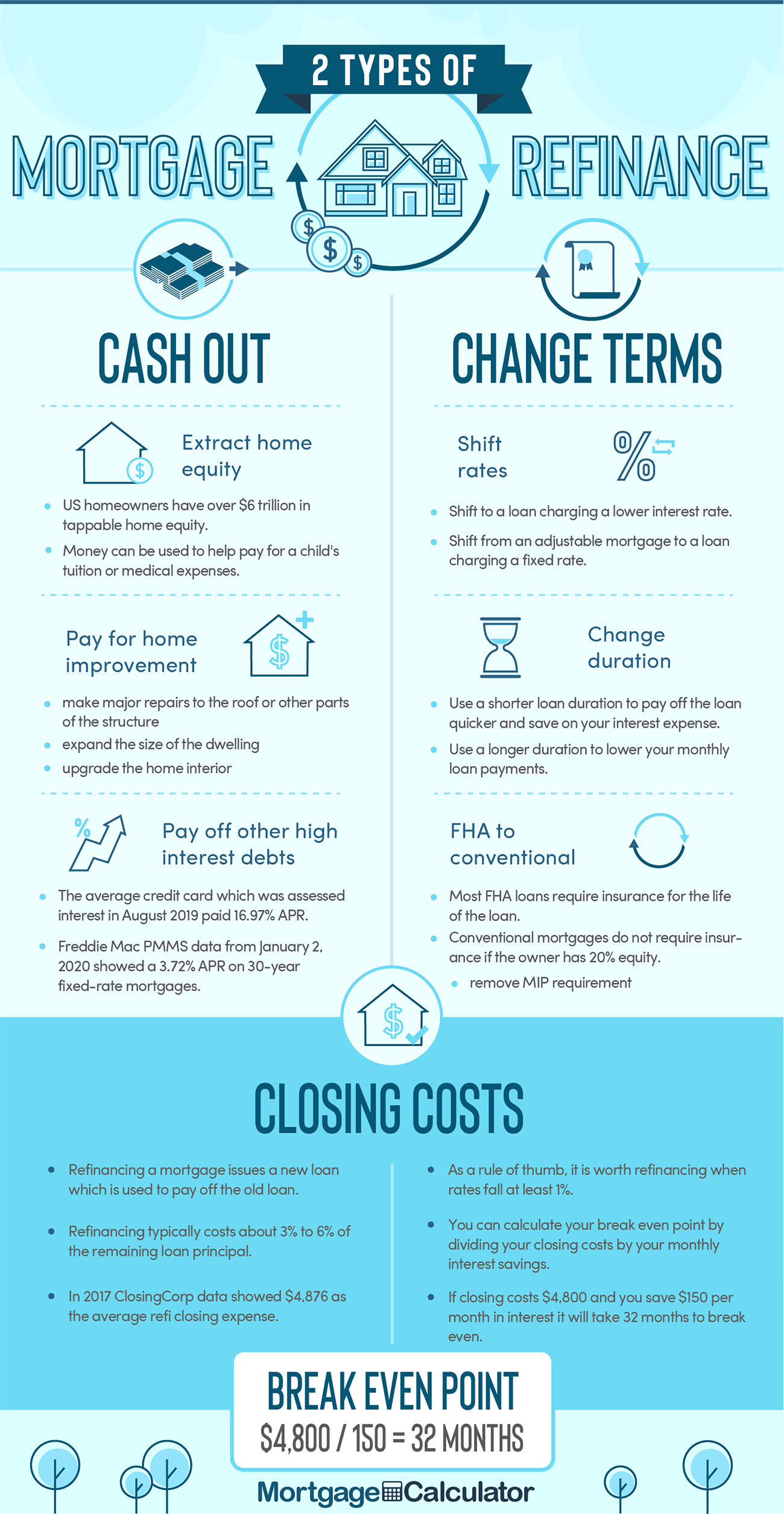
Understanding the Core Costs of Refinancing
The costs associated with refinancing a home are generally categorized as “closing costs,” mirroring many of the expenses encountered when you first purchased your home. These are fees paid at the close of the refinance transaction and typically range from 2% to 5% of the new loan amount. While these can seem substantial, understanding each component is key to evaluating the true cost-benefit.
Lender Fees and Origination Charges
Lender fees are charges levied by the financial institution providing the new mortgage. These can vary significantly between lenders and are often negotiable.
- Loan Origination Fee: This is a charge for processing your loan application, underwriting, and funding the new mortgage. It typically covers the administrative costs incurred by the lender. It can be a flat fee or a percentage of the loan amount (e.g., 0.5% to 1%).
- Discount Points (or Origination Points): These are optional fees paid upfront to the lender in exchange for a lower interest rate on the loan. One “point” equals 1% of the loan amount. While they increase your upfront costs, they can lead to significant long-term savings on interest, making them a strategic investment for those planning to stay in their home for many years.
- Application Fee: A charge for processing your loan application, though many lenders have phased this out or roll it into the origination fee.
- Underwriting Fee: Covers the cost of evaluating your financial risk and approving the loan.
- Commitment Fee: A fee to guarantee a specific interest rate for a period, ensuring it doesn’t change before closing.
Third-Party Services: Appraisals, Title, and Escrow
Beyond the lender’s direct charges, several third-party professionals and services are required to ensure the legality and security of the new loan.
- Appraisal Fee: An independent appraiser evaluates your home’s current market value. Lenders require this to ensure the property adequately secures the new loan amount, especially if you’re taking cash out or if market conditions have changed significantly since your original purchase.
- Title Search and Title Insurance: A title company performs a thorough search of public records to ensure there are no liens, claims, or disputes over your property’s ownership. Lender’s Title Insurance protects the lender if a problem with the title arises later, while an Owner’s Title Insurance policy, though often optional in a refinance, protects you.
- Escrow Fees: The escrow or closing agent, an impartial third party, oversees the closing process, collects and disburses funds, and ensures all documents are properly executed. This fee covers their administrative services.
- Survey Fee: In some areas or for certain property types, a new property survey may be required to confirm boundary lines and property dimensions.
- Credit Report Fee: Covers the cost of obtaining your credit report from the major credit bureaus, which lenders use to assess your creditworthiness.
Government Taxes and Recording Fees
Government entities also collect fees and taxes associated with property transactions, including refinances.
- Recording Fees: These are fees paid to your local government (county or municipal) to officially record the new mortgage deed and release the old one.
- Transfer Taxes (or Mortgage Taxes): Some states and localities charge a tax on the transfer of property ownership or on the act of securing a new mortgage. While more common in property sales, these can apply to refinances in certain jurisdictions, especially for cash-out refinances.
- Prepaid Interest: Interest accrues daily. When you close on a refinance, you’ll often pay interest from the closing date through the end of the month. Your first mortgage payment will then skip a month, covering interest for the full subsequent month.
Factors Influencing Your Refinancing Costs
While the types of fees are generally consistent, the exact amount you pay can fluctuate based on several variables. Understanding these factors can help you anticipate expenses and potentially strategize for lower costs.
Loan Type and Amount
The size and nature of your new mortgage significantly impact closing costs. A larger loan amount naturally translates to higher percentage-based fees (like origination fees or points). Moreover, different loan types may carry distinct costs. For instance, a government-backed FHA or VA streamline refinance might have lower upfront costs compared to a conventional cash-out refinance due to reduced appraisal requirements or different fee structures.
Credit Score and Financial Health
Your credit score is paramount in determining the interest rate you qualify for, and indirectly, it can influence some refinancing costs. A higher credit score signals lower risk to lenders, potentially allowing you to secure a lower interest rate without paying discount points, thereby reducing upfront costs. Conversely, a lower credit score might necessitate paying points to achieve a competitive rate or could limit your options to lenders with higher fees. Your debt-to-income ratio and overall financial stability also play a role in the terms offered.
Location and Market Conditions
Where your home is located can significantly affect specific refinancing costs. Local property taxes, recording fees, and state-specific transfer taxes vary widely. Highly competitive housing markets might lead to higher appraisal fees due to demand for appraisers, while less competitive markets might see lower costs. General interest rate trends also influence the perceived value of refinancing; in a low-rate environment, demand for refinances typically increases, which can sometimes affect service provider costs or lender flexibility.
Strategies to Minimize Refinancing Expenses
While some costs are unavoidable, savvy homeowners can employ several strategies to reduce their refinancing expenses, making the transaction more financially appealing.
Shopping Around for Lenders
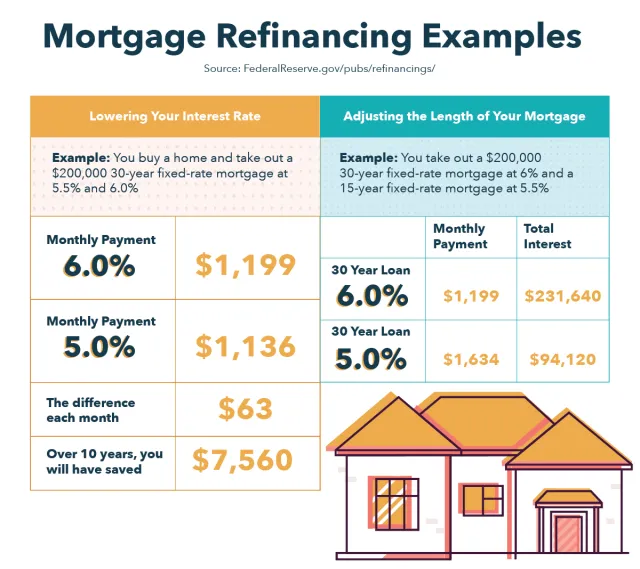
This is perhaps the most impactful strategy. Different lenders offer varying rates, fees, and incentives. Obtain quotes from at least three to five different lenders, including banks, credit unions, and online mortgage brokers. Compare not just the interest rate, but also the total closing costs listed on the Loan Estimate form. A small difference in origination fees or appraisal costs can add up to hundreds or even thousands of dollars.
Negotiating Fees
Many fees, particularly lender-specific charges like origination fees, processing fees, and even underwriting fees, are negotiable. Once you have multiple quotes, leverage them. If one lender offers a lower origination fee, ask another lender if they can match or beat it. Even third-party fees, such as those for title insurance or appraisals, can sometimes be negotiated, or you can request to use your preferred provider if the lender allows it.
Considering a No-Closing-Cost Refinance (and its trade-offs)
A “no-closing-cost” refinance might sound too good to be true, but it’s a legitimate option. In this scenario, the lender either rolls your closing costs into the loan amount or charges a slightly higher interest rate to cover these expenses. While it eliminates upfront out-of-pocket costs, you either pay more interest over the life of the loan (due to a higher rate) or increase your principal balance, meaning you pay interest on those costs for years to come. This strategy can be beneficial if you plan to move within a few years and won’t recoup the upfront costs of a traditional refinance, or if you simply lack the liquid cash for closing. However, for long-term homeowners, a traditional refinance with upfront costs often proves more cost-effective due to lower interest accumulation.
Utilizing Lender Credits
Some lenders offer “lender credits” to help offset your closing costs. Similar to a no-closing-cost refinance, these credits are usually offered in exchange for a higher interest rate. The lender essentially pays a portion of your closing costs, but you compensate them through slightly higher monthly payments over the life of the loan. Carefully calculate whether the long-term cost of a higher interest rate outweighs the immediate benefit of reduced upfront costs.
Beyond the Upfront Costs: Long-Term Financial Implications
Understanding the immediate costs of refinancing is only half the battle. A truly insightful financial decision requires evaluating these costs against the long-term benefits and overall impact on your financial health.
Interest Savings vs. Closing Costs
The primary driver for many refinances is to secure a lower interest rate. Over decades, even a half-percent reduction can translate into tens of thousands of dollars in interest savings. The goal is for these long-term interest savings to significantly outweigh the upfront closing costs. If your interest savings are minimal, or if you don’t plan to stay in the home long enough to realize substantial savings, refinancing might not be the best financial move.
Recouping Your Investment: The Break-Even Point
The “break-even point” is a critical calculation. It’s the moment when the money you’ve saved from your lower monthly mortgage payments equals the total amount you paid in closing costs. To calculate this, divide your total closing costs by your monthly savings. For example, if closing costs are $4,000 and you save $100 per month, your break-even point is 40 months (or 3 years and 4 months). If you plan to move before reaching this point, you will have lost money on the refinance. If you expect to stay well beyond it, the refinance can be highly beneficial.
Impact on Your Overall Financial Plan
Refinancing impacts more than just your mortgage payment. A cash-out refinance, for example, can provide funds for home improvements, debt consolidation, or other investments, but it also increases your principal balance and potentially extends your loan term. A shorter-term refinance (e.g., from 30 to 15 years) dramatically increases monthly payments but saves a vast amount in interest and builds equity faster. Consider how the new loan terms align with your broader financial goals, including retirement savings, investment strategies, and debt management.
Is Refinancing Right for You? A Cost-Benefit Analysis
Deciding whether to refinance requires a careful assessment of its costs against its potential benefits for your unique financial situation.
When Refinancing Makes Financial Sense
Refinancing often makes sound financial sense in several scenarios:
- Significant Interest Rate Drop: When current rates are substantially lower than your existing mortgage rate, offering substantial long-term interest savings.
- Improved Credit Profile: If your credit score has improved dramatically since you first took out your mortgage, you may qualify for much better terms.
- Shortening Loan Term: If you want to pay off your mortgage faster, you can refinance to a shorter term (e.g., from 30 to 15 years), which typically comes with a lower interest rate, though a higher monthly payment.
- Converting Loan Types: Switching from an Adjustable-Rate Mortgage (ARM) to a fixed-rate loan for stability, or from an FHA loan to a conventional loan to eliminate mortgage insurance premiums.
- Accessing Home Equity (Cash-Out Refinance): Utilizing built-up home equity to fund major expenses like renovations, education, or debt consolidation at a potentially lower interest rate than other loan types.
- Removing PMI: If your home value has increased significantly and your loan-to-value (LTV) ratio is below 80%, refinancing can allow you to drop private mortgage insurance (PMI).

Potential Pitfalls and Hidden Costs to Watch For
While refinancing can be beneficial, be wary of potential pitfalls:
- “Recasting” the Loan Term: If you refinance a 30-year loan after 5 years back into a new 30-year loan, you effectively extend your mortgage payment period by another 5 years, paying interest for longer.
- High Upfront Costs: If closing costs are too high relative to your savings, or if you plan to move before reaching your break-even point, you could end up losing money.
- Ignoring the APR: Always compare the Annual Percentage Rate (APR), which includes fees and costs, not just the nominal interest rate, to get a true comparison of loan costs.
- Impacting Your Credit Score: While temporary, applying for multiple loans for comparison can cause a slight dip in your credit score, though credit bureaus often treat multiple mortgage inquiries within a short period (e.g., 14-45 days) as a single inquiry.
In conclusion, “how much it is to refinance a home” is not a simple, single answer. It’s a calculation that involves a myriad of fees, influenced by personal financial standing, market conditions, and strategic choices. By diligently comparing offers, understanding each cost component, and thoughtfully assessing the long-term financial implications against your personal goals and projected time in the home, you can leverage refinancing as a powerful tool to strengthen your financial future. Always consult with a qualified financial advisor or mortgage professional to tailor the best strategy for your specific circumstances.
aViewFromTheCave is a participant in the Amazon Services LLC Associates Program, an affiliate advertising program designed to provide a means for sites to earn advertising fees by advertising and linking to Amazon.com. Amazon, the Amazon logo, AmazonSupply, and the AmazonSupply logo are trademarks of Amazon.com, Inc. or its affiliates. As an Amazon Associate we earn affiliate commissions from qualifying purchases.