
The question “how much is it for the movies?” was once answered with a simple glance at a newspaper’s local listings. Today, however, the financial reality of movie-going has evolved into a complex landscape of tiered pricing, subscription models, and premium experiences. In the broader context of personal finance, entertainment remains one of the most volatile categories in a household budget. As inflation fluctuates and the battle between theatrical releases and streaming services intensifies, understanding the true cost of the “movie night” is essential for any consumer looking to optimize their discretionary spending.
The Evolving Cost of the Cinema Experience
For many, the theater remains the gold standard for cinematic consumption, but the price of entry has risen significantly over the last decade. To understand the financial impact, one must look beyond the face value of a single ticket.
Ticket Pricing Trends and Regional Variances
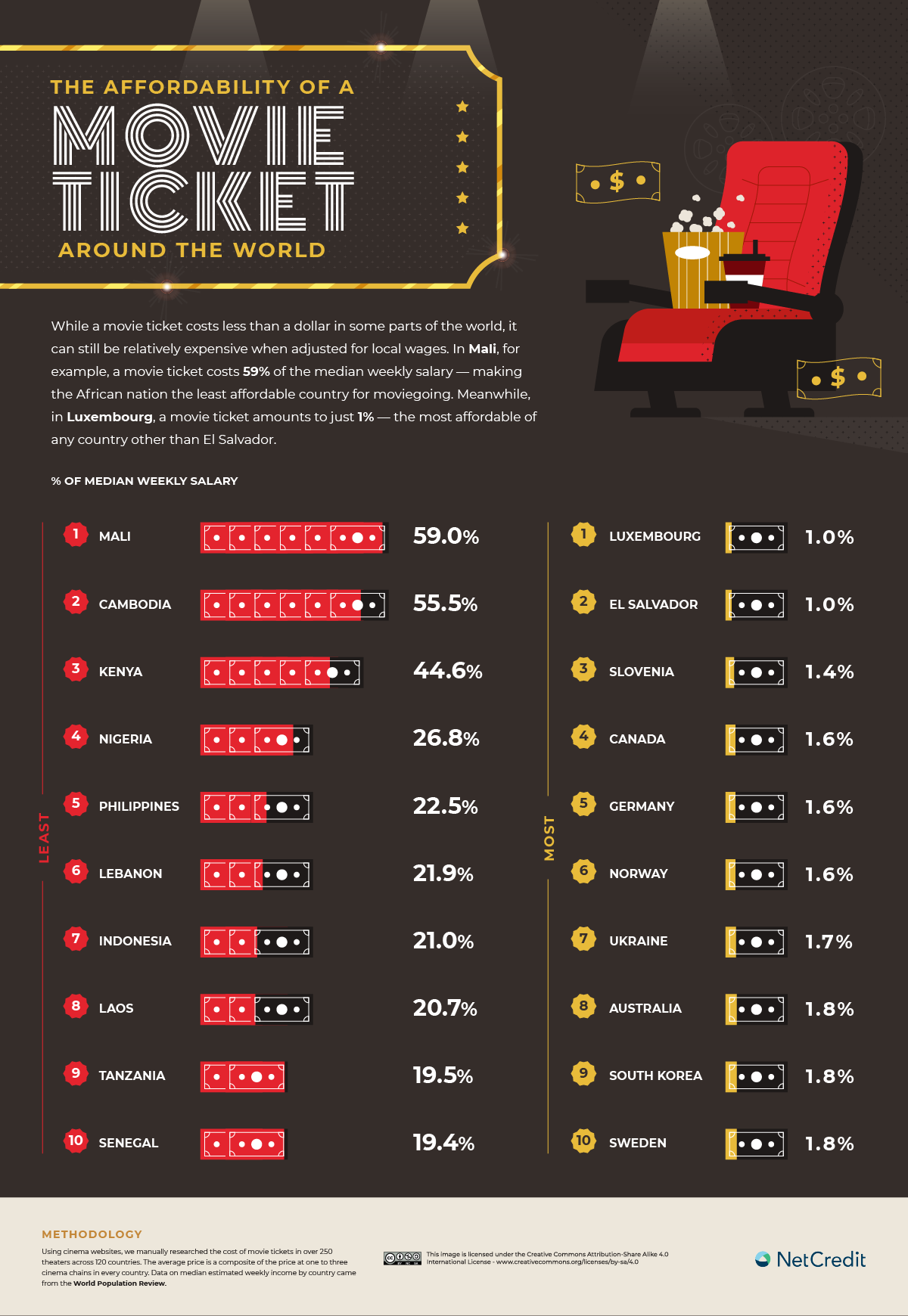
The average price of a movie ticket in the United States has seen a steady upward trajectory, but these figures are often misleading due to regional economic disparities. In major metropolitan hubs like New York City or Los Angeles, a standard adult ticket can easily exceed $18. Conversely, in smaller rural markets, the price may hover closer to $10 or $12.
From a personal finance perspective, this regional variance means that “movie night” requires different budgeting strategies depending on your zip code. Furthermore, many theater chains have adopted dynamic pricing—a model similar to airlines—where blockbuster opening weekends or high-demand time slots (Friday and Saturday evenings) command a premium compared to a Tuesday afternoon screening.
The Hidden Costs: Concessions and Premium Formats
The true “cost” of the movies is rarely limited to the ticket. The cinema industry operates on thin margins for film rentals, often surrendering a large percentage of ticket sales back to the studios. Consequently, theaters generate their primary profit through concessions. A family of four can easily spend $50 to $70 on popcorn, soda, and snacks alone.
Additionally, the rise of premium formats like IMAX, Dolby Cinema, and 4DX has introduced a “luxury tier” to movie-going. These tickets often carry a surcharge of $5 to $10 per person. When evaluating “how much is it for the movies,” a consumer must decide if the sensory upgrade justifies a 30% to 50% increase in the total cost of the outing.
Streaming vs. Cinema: A Financial Comparison
The digital revolution has shifted the “movie” budget from a transactional expense (paying per movie) to a recurring subscription expense. This shift has profound implications for how we manage our personal finances and perceive value.
The Subscription Stack: Calculating Monthly Entertainment Overhead
For the price of two theater tickets, a consumer can often fund three or four streaming services for an entire month. Services like Netflix, Max, Disney+, and Hulu offer vast libraries of content for a fixed monthly fee. However, the phenomenon of “subscription fatigue” is real.
When consumers subscribe to multiple platforms to gain access to diverse movie catalogs, the monthly overhead can quickly exceed $60 or $80. From a financial management standpoint, it is crucial to conduct a “subscription audit” every quarter. If you are paying for a service primarily to watch one or two movies a month, your “per-movie cost” may actually be higher than a theater ticket.
Opportunity Cost and Value-per-Hour Analysis
When choosing between the theater and streaming, savvy budgeters often look at the “value-per-hour.” A $20 theater ticket for a two-hour movie results in a cost of $10 per hour of entertainment. In contrast, a $15 monthly streaming subscription that provides 30 hours of viewing results in a cost of $0.50 per hour.
However, this calculation ignores the “opportunity cost.” Streaming often involves waiting months for a theatrical release to hit the platform. For many, the social value and the psychological “reset” provided by a night out at the cinema offer a return on investment (ROI) that isn’t captured in a simple hourly rate. The financial decision often boils down to whether you are paying for the content or the experience.
Strategic Savings: How to Reduce Your Movie Budget

Just as one might use coupons for groceries or points for travel, there are numerous ways to hack the cost of movie-going to ensure it fits within a strict personal finance plan.
Loyalty Programs and Subscription Passes
The most significant shift in theater economics has been the introduction of theater-specific subscription passes, such as AMC Stubs A-List or Regal Unlimited. For a flat monthly fee (usually between $20 and $25), members can see several movies per week.
For the frequent moviegoer—someone who sees at least two films a month—these programs offer an incredible ROI. Mathematically, if a single ticket costs $15, seeing two movies a month via a $22 subscription reduces the per-movie cost to $11. Seeing four movies reduces it to $5.50. These programs represent a shift toward “all-you-can-eat” models that reward loyalty and high-frequency consumption.
Matinees, Discount Days, and Credit Card Perks
Historically, the “matinee” was the primary way to save money, and it remains a viable strategy today. Most theaters offer significantly reduced pricing for showings before 4:00 PM. Furthermore, many major chains have designated “Discount Tuesdays,” where tickets are sold at a fraction of the weekend price.
Beyond the theater itself, consumers should look to their financial tools. Many high-end credit cards offer “entertainment” as a bonus category for cash back. Some platforms, like those offered by wholesale clubs (Costco or Sam’s Club), sell bundles of movie tickets at a 20-25% discount. Incorporating these tools into your purchasing habits can shave hundreds of dollars off your annual entertainment budget.
Investing in Your Home Theater: The Long-Term ROI
For those who find the recurring costs of the cinema too high, an alternative financial strategy is to shift “variable costs” (tickets) into “fixed assets” (home theater equipment).
Upfront Capital Expenditure vs. Recurring Costs
Building a high-quality home cinema requires a significant upfront capital expenditure. A 4K television, a dedicated sound system, and comfortable seating can cost anywhere from $1,000 to $10,000. To justify this from a money management perspective, one must calculate the “break-even point.”
If a family of four spends $100 on every trip to the movies (including snacks) and goes twelve times a year, their annual spend is $1,200. A $2,400 investment in home theater gear would pay for itself in exactly two years. After that point, the “cost” of seeing a movie at home drops to almost zero (excluding the streaming subscription and electricity), representing a massive long-term saving.
Resale Value and Lifestyle Inflation
Unlike a movie ticket, which has zero residual value once the credits roll, home theater equipment retains some resale value. While electronics do depreciate, high-quality audio equipment can hold its value for years.
However, consumers must be wary of “lifestyle inflation.” The desire to constantly upgrade to the latest 8K screen or the newest Atmos soundbar can lead to a cycle of spending that far outpaces the cost of occasional theater visits. In personal finance, the goal of a home theater should be “utility maximization”—getting the most enjoyment for the longest period without succumbing to the “upgrade trap.”
The Future of Entertainment Spending
As we look forward, the question of “how much is it for the movies” will continue to be influenced by technological shifts and corporate strategy.
Dynamic Pricing and the “Premiumization” of Cinema
We are entering an era where cinema is becoming a “luxury good.” Much like live theater or professional sporting events, the baseline price for a movie is likely to continue rising as theaters focus on providing “event-style” experiences that cannot be replicated at home. This means that consumers will need to be even more intentional with their entertainment dollars, perhaps choosing to see fewer movies in the theater but opting for the most expensive, high-end formats when they do go.

Consolidation and the Cost of Access
In the streaming world, the trend of consolidation—where smaller platforms merge into larger entities—will likely lead to higher subscription prices. As the “streaming wars” end and companies focus on profitability rather than subscriber growth, the “cheap” era of digital movies is ending.
To maintain financial health, the modern consumer must view movie-going not as a trivial expense, but as a manageable line item in their budget. Whether you choose the communal experience of the theater or the cost-effective comfort of your living room, the key to answering “how much is it for the movies” lies in understanding the balance between cost, value, and your personal financial goals. By utilizing loyalty programs, auditing subscriptions, and occasionally investing in home hardware, you can enjoy the magic of cinema without compromising your financial future.
aViewFromTheCave is a participant in the Amazon Services LLC Associates Program, an affiliate advertising program designed to provide a means for sites to earn advertising fees by advertising and linking to Amazon.com. Amazon, the Amazon logo, AmazonSupply, and the AmazonSupply logo are trademarks of Amazon.com, Inc. or its affiliates. As an Amazon Associate we earn affiliate commissions from qualifying purchases.