
Determining the “worth” of a colossal technology titan like Intel is far more complex than a single number. It involves navigating a labyrinth of financial metrics, market sentiment, strategic outlooks, and macroeconomic currents. For investors, analysts, and even curious onlookers, understanding Intel’s valuation means dissecting its market capitalization, enterprise value, intrinsic worth, and the underlying financial health that drives these figures. This article aims to unpack these layers, offering a comprehensive perspective on how to assess the financial standing of one of the semiconductor industry’s most enduring giants.
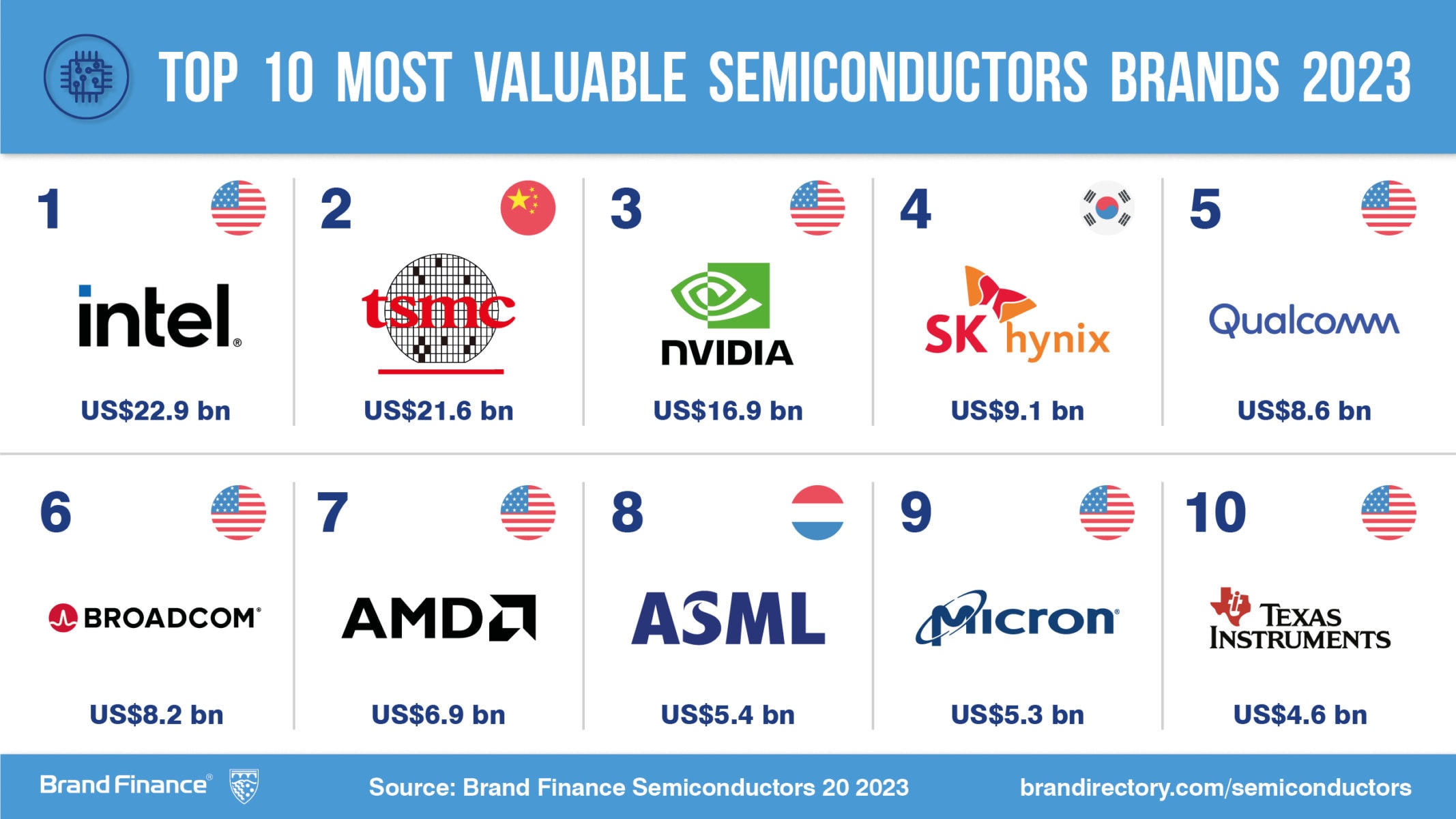
Understanding Market Capitalization: Intel’s Public Valuation
The most immediate and frequently cited measure of a company’s worth is its market capitalization. This figure represents the total value of all of a company’s outstanding shares and is the go-to metric for public investors to gauge a company’s size and market perception.
What is Market Cap?
Market capitalization, or “market cap,” is calculated by multiplying the current share price of a company’s stock by the total number of its outstanding shares. For instance, if Intel has 4 billion shares outstanding and its stock trades at $35 per share, its market cap would be $140 billion. It’s a snapshot in time, reflecting the collective judgment of investors on a given day regarding the company’s future earnings power, growth prospects, and overall risk. While seemingly straightforward, market cap is highly dynamic, fluctuating with every shift in stock price throughout the trading day.
Intel’s Current Market Cap Snapshot
As a publicly traded entity on the NASDAQ under the ticker symbol INTC, Intel’s market capitalization is readily accessible and constantly updated during market hours. Historically, Intel has commanded market caps ranging from hundreds of billions to over a quarter-trillion dollars during periods of strong performance and market dominance. However, like all companies, its valuation is subject to cycles. Recent years have seen Intel navigating significant transitions – from its historical dominance in CPU manufacturing to facing increased competition and investing heavily in new foundry technologies. This journey has introduced volatility to its share price and, consequently, its market cap, reflecting investor sentiment about its ability to execute on its ambitious turnaround strategy. A quick check on any financial portal would provide its current, real-time market cap, which serves as a crucial starting point for any valuation discussion.
Factors Influencing Market Cap
Intel’s market cap is not merely a reflection of its current financial performance but is heavily influenced by a multitude of factors. The most direct drivers are its stock price and the number of outstanding shares. However, these are themselves products of deeper forces:
- Earnings and Revenue Growth: Strong quarterly results, beating analyst expectations, and demonstrating consistent revenue growth are potent catalysts for a rising stock price.
- Profitability: Healthy profit margins, growing net income, and robust earnings per share (EPS) signal financial efficiency and strength.
- Future Outlook and Guidance: Management’s projections for future performance, including revenue forecasts and capital expenditure plans, significantly sway investor confidence.
- Competitive Landscape: News regarding competitors (e.g., AMD’s market share gains, Nvidia’s advancements in AI chips) can impact Intel’s perceived value.
- Technological Leadership: Investor confidence often hinges on Intel’s ability to innovate and maintain a leadership position in critical technological areas, particularly in process technology and chip architecture.
- Macroeconomic Conditions: Broader economic trends like interest rates, inflation, and global GDP growth can affect investor appetite for tech stocks.
- Market Sentiment: Overall market mood, sector trends, and even geopolitical events can cause widespread shifts in stock prices.
Beyond Market Cap: Enterprise Value and Intrinsic Worth
While market capitalization is a vital indicator, it doesn’t tell the whole story of a company’s financial worth, especially from an acquisition perspective. For a more comprehensive view, investors often turn to Enterprise Value and attempts to calculate intrinsic value.
The Importance of Enterprise Value (EV)
Enterprise Value (EV) offers a more holistic measure of a company’s total value, representing the theoretical cost of acquiring the entire company, including its debt, but subtracting its cash and cash equivalents. Unlike market cap, which focuses solely on equity, EV accounts for both equity and debt, providing a clearer picture of a company’s true economic size. For a company like Intel, with substantial assets, liabilities, and ongoing capital expenditures, EV can be a more revealing metric for comparing it to peers or evaluating it for a potential takeover. It essentially represents the total value of the business’s operating assets.
Calculating Intel’s Enterprise Value
The formula for Enterprise Value is:
EV = Market Capitalization + Total Debt – Cash & Cash Equivalents
- Total Debt: Includes all interest-bearing debt, both short-term and long-term. For Intel, this can be substantial due to investments in fabs (fabrication plants) and R&D.
- Cash & Cash Equivalents: Represents the company’s liquid assets. Intel typically maintains a strong cash position for strategic flexibility, R&D, and shareholder returns.
By incorporating debt, EV acknowledges that if an acquirer were to buy Intel, they would also inherit its financial obligations. Subtracting cash accounts for the fact that the acquirer would gain access to this cash, effectively reducing the net cost of the acquisition. Analyzing Intel’s EV over time, in relation to its market cap, can reveal shifts in its capital structure and financial health.
The Elusive Concept of Intrinsic Value
While market cap and EV reflect public market valuations, intrinsic value is an estimate of a company’s “true” underlying worth, independent of temporary market fluctuations. Calculating intrinsic value is more art than science, relying on various valuation methodologies:
- Discounted Cash Flow (DCF): This method projects Intel’s future free cash flows and discounts them back to the present day using a discount rate (typically its Weighted Average Cost of Capital – WACC). The sum of these present values represents the intrinsic value of its operations. This approach requires making numerous assumptions about Intel’s long-term growth, profitability, and capital expenditures, making it highly sensitive to changes in these inputs.
- Asset-Based Valuation: Less common for a tech company like Intel, but it involves valuing the sum of Intel’s assets (e.g., property, plant, equipment, intellectual property, inventory) minus its liabilities. This is more relevant for asset-heavy industries or liquidation scenarios.
- Relative Valuation (Comps Analysis): This method compares Intel’s valuation multiples (e.g., P/E ratio, EV/EBITDA, P/S ratio) to those of its publicly traded peers (AMD, Nvidia, TSMC, Qualcomm) and recent M&A transactions. While useful for benchmarking, it assumes the market correctly values comparable companies.
Ultimately, the intrinsic value is what a rational, informed investor believes Intel is really worth, based on its ability to generate future cash flows. It’s often compared to the current market price to determine if the stock is undervalued or overvalued.
Key Financial Metrics Driving Intel’s Valuation

Intel’s worth is fundamentally driven by its ability to generate revenue, manage costs, produce profits, and maintain a robust balance sheet. Investors scrutinize specific financial metrics to gauge the company’s performance and future potential.
Revenue and Growth Prospects
Intel’s revenue, particularly its segment-specific performance, is a cornerstone of its valuation. Historically, its Client Computing Group (PC chips) and Data Center and AI Group (server CPUs) have been its primary revenue drivers. However, diversification into areas like Intel Foundry Services (IFS), Mobileye (automotive), and networking is crucial for future growth. Investors look for:
- Overall Revenue Growth: Consistent year-over-year increases, indicating market demand and successful product cycles.
- Segment Performance: Growth in high-margin, strategically important segments like data center, AI, and foundry.
- Market Share: Intel’s ability to maintain or gain market share against fierce competitors in its core markets.
- Product Roadmap: The strength and competitiveness of its upcoming product lines, including new CPU architectures and process technologies.
Profitability and Margins
Revenue growth must translate into profit. Intel’s profitability metrics are critical indicators of its operational efficiency and pricing power.
- Gross Margin: The percentage of revenue left after subtracting the cost of goods sold. Fluctuations here can indicate pricing pressure, manufacturing inefficiencies, or shifts in product mix. Intel’s gross margins have been a key focus given its costly investments in new fabs and process nodes.
- Operating Margin: The percentage of revenue remaining after covering both cost of goods sold and operating expenses (R&D, sales, general & administrative). This shows the profitability of core operations.
- Net Income and Earnings Per Share (EPS): The ultimate measure of profit attributable to shareholders. Consistent and growing EPS is a significant driver of stock price and investor confidence.
Cash Flow Generation
While profits are important, “cash is king.” A company’s ability to generate cash is paramount for its long-term viability, investments, and shareholder returns.
- Operating Cash Flow: Cash generated from regular business operations before accounting for capital expenditures or financing activities. A strong and consistent operating cash flow indicates a healthy, self-sustaining business.
- Free Cash Flow (FCF): Operating cash flow minus capital expenditures (CapEx). FCF is the cash available to a company after paying for all expenses necessary to maintain and expand its asset base. It’s crucial because it’s the cash that can be used for dividends, share buybacks, debt reduction, or strategic acquisitions. Intel’s FCF is closely watched, especially given its massive CapEx requirements for new fabs.
Balance Sheet Strength
A strong balance sheet provides a company with financial flexibility and resilience.
- Cash and Investments: Intel typically holds significant cash reserves, essential for funding R&D, capital projects, and navigating economic downturns.
- Debt Levels: The amount of outstanding debt relative to its equity or earnings (e.g., Debt-to-Equity ratio, Debt-to-EBITDA). While debt can fund growth, excessive debt can pose risks.
- Asset Base: The value of its property, plant, and equipment (PP&E), including its massive fabrication plants, as well as intellectual property. Intel’s vast asset base supports its manufacturing capabilities.
- R&D Investments: While an expense, substantial and effective R&D spending is critical for Intel’s long-term competitive edge and future product innovation, ultimately driving future worth.
Macro and Micro Factors Impacting Intel’s Future Worth
Intel’s worth is not static; it is continually reshaped by a dynamic interplay of industry-specific trends, competitive pressures, strategic corporate decisions, and the broader economic landscape.
Industry Trends and Competitive Landscape
The semiconductor industry is notoriously cyclical and hyper-competitive.
- Competition: Intel faces intense rivalry from AMD across both PC and data center markets, Nvidia in AI and GPUs, and ARM-based solutions gaining traction in various computing segments. Its success in these battles directly impacts its market share and profitability.
- Rise of AI and Cloud Computing: These mega-trends represent both massive opportunities and threats. Intel’s ability to provide competitive hardware for AI training and inference, and to capture a significant portion of the data center market, is vital.
- Geopolitical Factors: Trade tensions, supply chain disruptions, and governmental policies (e.g., CHIPS Act subsidies) profoundly influence the global semiconductor landscape and Intel’s operations.
- Foundry Business: Intel’s push into Intel Foundry Services (IFS) to become a major contract chip manufacturer is a significant strategic pivot, with high capital costs but potentially massive long-term rewards if successful.
Strategic Initiatives and R&D Investments
Intel’s future worth is heavily tied to its “IDM 2.0” strategy, which involves reclaiming process technology leadership and building a world-class foundry business.
- Process Technology Advancements: Success in delivering on its roadmap for next-generation process nodes (e.g., Intel 18A, 14A) is paramount for regaining performance and power efficiency leadership.
- Product Roadmaps: The competitiveness and innovation of its future CPU, GPU, and accelerator architectures for various markets.
- Capital Expenditure (CapEx): Intel’s multi-billion dollar investments in new fabs and equipment are critical for its foundry ambitions and process leadership, but they also represent a significant drain on free cash flow in the short to medium term. The returns on these investments will dictate a large part of its future value.
Economic Environment and Investor Sentiment
Broader economic conditions play a substantial role in stock valuations, including Intel’s.
- Interest Rates and Inflation: Higher interest rates can increase Intel’s borrowing costs and reduce the present value of future earnings (via higher discount rates in DCF models). Inflation can raise input costs.
- Global GDP Growth: Economic slowdowns can depress demand for PCs, servers, and other electronics that use Intel’s chips.
- Investor Perception of Management: The market closely watches CEO Pat Gelsinger’s execution of the turnaround strategy. Confidence in leadership’s ability to navigate challenges and deliver on promises heavily influences stock performance.
- Overall Market Conditions: During bear markets or periods of risk aversion, even fundamentally strong companies like Intel can see their valuations compressed.
Investor Perspectives and What to Watch For
Different types of investors view Intel through distinct lenses, and what one investor considers a strength, another might see as a risk.
Growth vs. Value Stock Debates
- Value Investors: Often look at Intel for its established market presence, tangible assets (fabs), potential for a turnaround, and its historical dividend. They seek companies trading below their intrinsic value, believing the market is underestimating its long-term potential.
- Growth Investors: May be more cautious, given Intel’s past struggles with process technology and its heavy capital expenditures, which can suppress near-term earnings and free cash flow. They look for accelerating revenue growth, expanding margins, and disruptive innovation. Intel currently sits in an interesting position, trying to re-establish itself as a growth company while still having characteristics that appeal to value investors.
Dividend Policy and Shareholder Returns
Intel has a long history as a dividend payer, reflecting its mature cash-generating business. Its dividend policy, including the sustainability and growth of payouts, is a key consideration for income-focused investors. The company also engages in share buybacks, which can reduce the number of outstanding shares and boost EPS, thus enhancing shareholder value. However, balancing dividends and buybacks with the immense capital requirements for its strategic transformation is a delicate act that investors keenly monitor.
Key Catalysts and Risks
Investors continuously weigh potential positive catalysts against significant risks:
- Catalysts: Successful execution of the IDM 2.0 strategy, regaining process technology leadership, significant wins in the foundry business, strong adoption of new product lines (e.g., AI accelerators), and improving macroeconomic conditions.
- Risks: Delays or failures in achieving process node targets, continued market share loss to competitors, higher-than-expected capital expenditures impacting free cash flow, geopolitical tensions affecting supply chains or demand, and a global economic downturn.

Conclusion
The question “How much is Intel worth?” has no single, definitive answer. Its market capitalization provides a real-time public valuation, while its enterprise value offers a more comprehensive view by factoring in debt and cash. The elusive intrinsic value attempts to gauge its true worth based on future cash flow generation. All these metrics are underpinned by Intel’s financial performance – its revenue growth, profitability, cash flow, and balance sheet strength – and are constantly influenced by the intensely competitive semiconductor landscape, its ambitious strategic initiatives, and broader economic forces.
For any investor, determining Intel’s worth requires a continuous process of analysis, blending quantitative financial data with qualitative assessments of its strategic direction, technological prowess, and leadership execution. Intel is a company in transition, betting heavily on innovation and manufacturing leadership to reclaim its former glory. Its ultimate worth will be a reflection of its success in navigating these monumental challenges and capitalizing on the immense opportunities within the ever-evolving world of computing.
aViewFromTheCave is a participant in the Amazon Services LLC Associates Program, an affiliate advertising program designed to provide a means for sites to earn advertising fees by advertising and linking to Amazon.com. Amazon, the Amazon logo, AmazonSupply, and the AmazonSupply logo are trademarks of Amazon.com, Inc. or its affiliates. As an Amazon Associate we earn affiliate commissions from qualifying purchases.