
Understanding the cost of health insurance for an individual is a crucial component of personal financial planning. For many, it represents a significant monthly expenditure, yet it’s an indispensable safeguard against the potentially devastating financial impact of unexpected medical emergencies or chronic health issues. Unlike a fixed utility bill, the price of health insurance is highly variable, influenced by a myriad of factors ranging from personal demographics to policy specifics and geographic location. This comprehensive guide aims to demystify the complexities of health insurance costs for a single person, providing insights into what drives premiums, how different plans compare financially, and strategies to secure affordable yet adequate coverage. By delving into the nuances of the health insurance marketplace, individuals can make informed decisions that align with their health needs and financial well-being.

Understanding the Core Factors Influencing Premiums
The price you pay for health insurance is not arbitrary; it’s a calculated figure based on several key variables that assess your risk profile and the scope of benefits provided. For a single person, these factors can significantly swing the monthly premium up or down, making it essential to understand their individual impact.
Age and Location: Primary Determinants
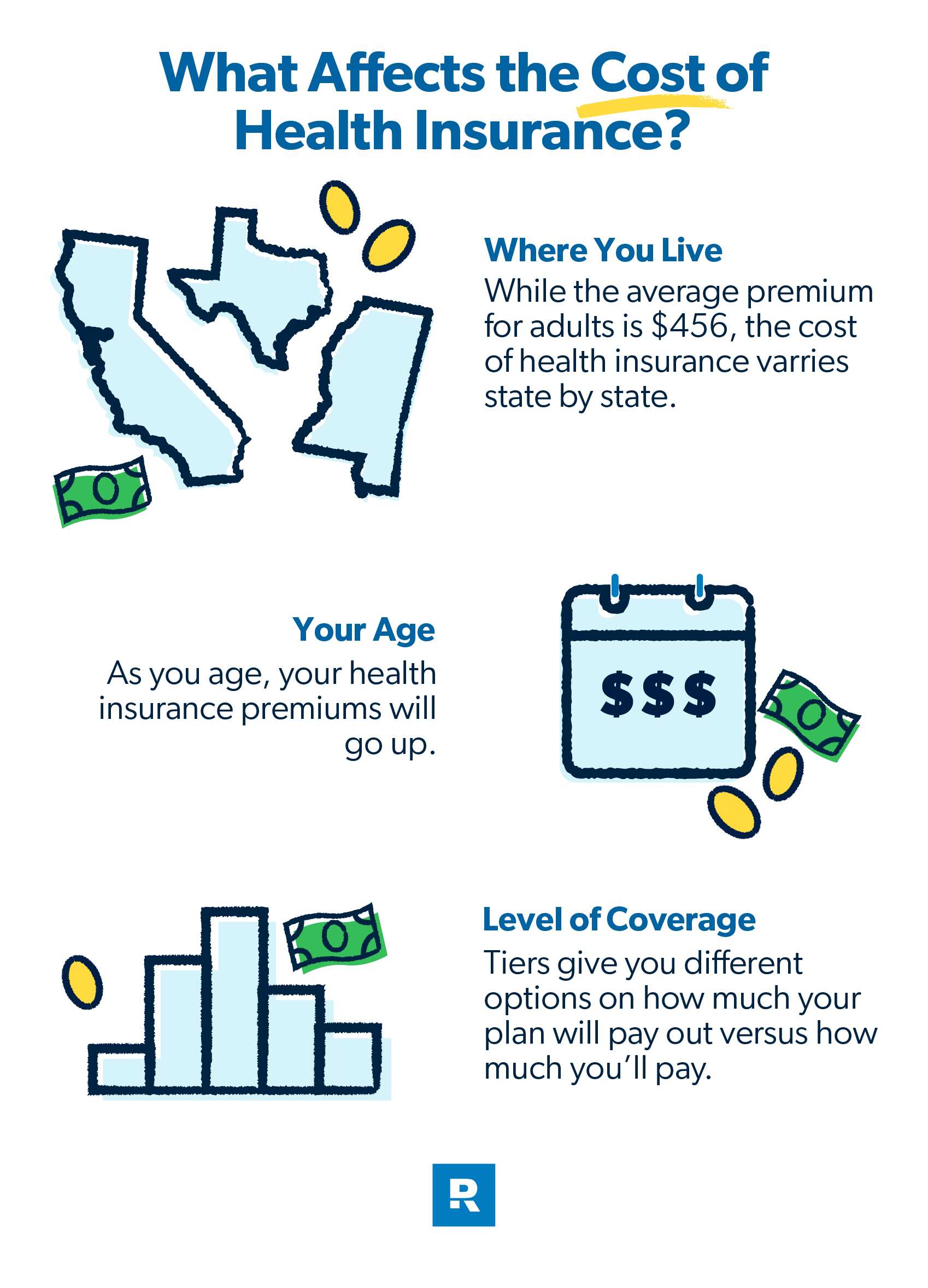
Perhaps the most significant drivers of health insurance costs are your age and where you live. Older individuals generally face higher premiums because they are statistically more likely to require medical care. The Affordable Care Act (ACA) allows insurers to charge older adults up to three times more than younger adults for the same plan, though some states have stricter limits.
Location also plays a critical role due to variations in healthcare costs, state-specific regulations, the number of competing insurers, and the overall health of the population in a given area. For instance, someone living in a densely populated urban area with higher healthcare service costs and fewer competitive plans might pay more than an individual in a rural area with different market dynamics. State laws regarding mandates, benefits, and rating factors also contribute to regional price disparities, making a truly national average almost impossible to pinpoint accurately.
Plan Type and Metal Tiers: Balancing Cost and Coverage
The type of health insurance plan you choose fundamentally dictates your out-of-pocket costs, both in terms of monthly premiums and expenses incurred when you use medical services. Plans are often categorized by “metal tiers” under the ACA marketplace: Bronze, Silver, Gold, and Platinum. These tiers reflect the actuarial value of the plan, meaning the average percentage of healthcare costs the plan is expected to cover for a standard population.
-
Bronze plans typically have the lowest monthly premiums but the highest deductibles and out-of-pocket maximums. They cover approximately 60% of healthcare costs, leaving you responsible for the remaining 40%. These are often attractive to younger, healthier individuals who anticipate minimal medical needs and prefer lower upfront costs.
-
Silver plans offer moderate premiums and deductibles, covering about 70% of costs. They are unique because they are the only tier eligible for cost-sharing reductions (CSRs), which can lower your deductibles, copayments, and out-of-pocket maximums if you qualify based on income. This makes Silver plans a compelling option for many individuals.
-
Gold plans come with higher monthly premiums but lower deductibles and out-of-pocket maximums, covering around 80% of costs. These are suitable for individuals who anticipate needing regular medical care or prescription medications and prefer greater financial predictability when accessing services.
-
Platinum plans have the highest monthly premiums but the lowest deductibles and out-of-pocket maximums, covering about 90% of costs. They are ideal for those with significant chronic health conditions or high expected medical expenses, providing maximum coverage and peace of mind at a premium price.
Beyond metal tiers, the structure of the network also impacts costs. Health Maintenance Organizations (HMOs) generally have lower premiums but restrict you to a specific network of doctors and hospitals. Preferred Provider Organizations (PPOs) offer more flexibility in choosing providers, including out-of-network options, but often come with higher premiums and deductibles. Exclusive Provider Organizations (EPOs) and Point of Service (POS) plans offer varying degrees of flexibility and cost structures in between HMOs and PPOs.
Tobacco Use and Other Individual Factors
While age, location, and plan type are the primary drivers, other individual factors can also influence your premium. Tobacco use is one such factor. Under the ACA, insurers are permitted to charge tobacco users up to 50% more than non-tobacco users. It’s a significant surcharge designed to reflect the higher health risks associated with smoking. Other factors like your income level, while not directly increasing premiums, can determine your eligibility for financial assistance, effectively reducing your out-of-pocket premium costs. The ACA prohibits insurers from charging more based on pre-existing conditions or gender, ensuring a level playing field in these areas.
Navigating Different Avenues for Health Coverage
For a single individual, there isn’t a one-size-fits-all solution for health insurance. The optimal pathway often depends on employment status, income level, and specific eligibility criteria. Exploring each avenue is crucial for finding the most suitable and financially viable option.
Employer-Sponsored Plans: The Most Common Route
For many working individuals, employer-sponsored health insurance remains the most common and often most affordable route to coverage. Employers typically cover a significant portion of the premium (often 50% to 80% or more), making the employee’s contribution much lower than if they were to purchase a similar plan independently. These plans often offer a range of options, from HMOs to PPOs, with varying deductibles and benefits. The administrative convenience and pre-tax premium deductions are additional financial benefits. However, individuals who are self-employed, work part-time, or work for small businesses that don’t offer insurance must explore other options.
Health Insurance Marketplace (ACA): Subsidies and Choice
The Health Insurance Marketplace, established under the Affordable Care Act (ACA), is a vital resource for individuals who do not have access to employer-sponsored plans or government programs. This marketplace allows individuals to compare and enroll in private health insurance plans. A key financial advantage of the ACA marketplace is the availability of subsidies, specifically premium tax credits and cost-sharing reductions (CSRs).
-
Premium Tax Credits are financial assistance that lowers your monthly insurance premium. Eligibility is based on your income relative to the Federal Poverty Level (FPL). Many individuals and families with incomes between 100% and 400% of the FPL qualify, and in some years, eligibility has been temporarily expanded to include higher incomes. These credits can significantly reduce the out-of-pocket premium, often making comprehensive coverage remarkably affordable.
-
Cost-Sharing Reductions (CSRs) lower the amount you have to pay for deductibles, copayments, and coinsurance. CSRs are available only with Silver plans and are tied to income levels below 250% of the FPL. For eligible individuals, a Silver plan can offer significantly richer benefits, effectively providing coverage comparable to a Gold or even Platinum plan at a Silver-tier premium.
The ACA marketplace offers transparency and standardization, allowing individuals to easily compare plans by price, benefits, and network.
Government Programs: Medicaid and CHIP
For individuals with very limited income, government-funded programs like Medicaid offer a crucial safety net. Medicaid provides free or low-cost health coverage to millions of Americans, including eligible low-income adults, children, pregnant women, and people with disabilities. Eligibility requirements vary by state, particularly whether the state has expanded its Medicaid program under the ACA. In expansion states, adults with incomes up to 138% of the FPL can qualify, providing a comprehensive and financially accessible option for those who need it most.
The Children’s Health Insurance Program (CHIP) provides low-cost health coverage for children in families who earn too much to qualify for Medicaid but cannot afford private insurance. While primarily for children, it’s worth noting as a broader government health initiative.
Short-Term Health Insurance: A Temporary Solution
Short-term health insurance plans are a less comprehensive and often less expensive alternative to ACA-compliant plans. They are designed to fill temporary gaps in coverage, such as between jobs or during a waiting period for new employer coverage. These plans typically have lower premiums, but they also offer limited benefits, often do not cover pre-existing conditions, and are not required to cover the essential health benefits mandated by the ACA (like maternity care, mental health services, or prescription drugs). Their deductibles can be very high, and they typically have caps on how much they will pay out. While they can seem attractive due to low upfront costs, the financial risk if a major health event occurs is significantly higher. They are generally not recommended as a long-term solution for comprehensive health coverage.
Strategies for Reducing Your Health Insurance Costs
While health insurance is an essential expense, there are several strategic approaches individuals can employ to minimize their out-of-pocket costs without necessarily compromising the quality of their care. Smart financial planning can make a significant difference.
Maximizing Subsidies and Tax Credits
The most impactful way for many single individuals to reduce their health insurance premiums is by leveraging available financial assistance through the ACA marketplace. If your income falls within the eligible range (currently up to 400% of the FPL for premium tax credits, with temporary enhancements potentially extending this further), you could qualify for substantial premium reductions. It is critical to accurately report your estimated income when applying through the marketplace, as this directly affects the amount of tax credit you receive.
Furthermore, if your income is below 250% of the FPL, opting for a Silver plan could unlock Cost-Sharing Reductions (CSRs). These are often overlooked but can be incredibly valuable, reducing your deductibles, copayments, and out-of-pocket maximums, effectively enhancing the plan’s financial protection without increasing your monthly premium. Always check your eligibility for both premium tax credits and CSRs during open enrollment or a special enrollment period.
Exploring High-Deductible Health Plans (HDHPs) with HSAs
For healthy individuals who anticipate minimal medical expenses, a High-Deductible Health Plan (HDHP) coupled with a Health Savings Account (HSA) can be a financially savvy strategy. HDHPs typically have lower monthly premiums than traditional plans, in exchange for higher deductibles that you must meet before the plan starts paying.
The power of an HDHP is amplified when paired with an HSA. An HSA is a tax-advantaged savings account that can be used to pay for qualified medical expenses. Contributions to an HSA are tax-deductible, the money grows tax-free, and withdrawals for qualified medical expenses are also tax-free. This triple tax advantage makes HSAs an excellent tool for not only covering your deductible and other out-of-pocket costs but also for long-term savings and investment, even for retirement. For a single person, contributing the maximum allowed to an HSA annually can significantly offset the financial impact of the high deductible and provide a robust emergency fund for future medical needs.
Leveraging Workplace Wellness Programs
Many employers offer wellness programs that can provide financial incentives for maintaining or improving health. These incentives might include discounts on your health insurance premiums, gift cards, or contributions to an HSA or Flexible Spending Account (FSA). Participating in activities like health risk assessments, biometric screenings, smoking cessation programs, or fitness challenges can not only improve your health but also put money back in your pocket. Inquire with your HR department about any such programs available, as they represent a tangible way to reduce your effective healthcare costs.
The Financial Implications of Not Having Coverage
While the upfront cost of health insurance can seem daunting, the financial risks associated with being uninsured far outweigh the premiums. For a single person, a single unexpected medical event can lead to catastrophic debt, eroding savings, damaging credit, and significantly impacting long-term financial stability.
Medical Debt: A Leading Cause of Bankruptcy
Without health insurance, even routine medical services can accumulate quickly. An emergency room visit, a diagnostic test, or a short hospital stay can easily run into thousands or tens of thousands of dollars. For instance, a broken leg without insurance could cost upwards of $20,000, while a severe illness requiring intensive care could quickly exceed $100,000. These exorbitant costs are rarely negotiable down to what an insurer would pay. For an uninsured individual, such bills often lead directly to medical debt, which is a leading cause of personal bankruptcy in the United States. This debt can linger for years, impacting credit scores, loan eligibility, and overall financial peace of mind.
Limited Access to Preventative and Necessary Care
Beyond acute emergencies, lacking health insurance significantly deters individuals from seeking necessary preventative care, early diagnoses, and ongoing treatment for chronic conditions. Without the financial buffer of insurance, many opt to delay doctor visits, skip prescriptions, or avoid recommended screenings. This deferral often leads to worse health outcomes in the long run, with conditions escalating to a more severe and expensive stage by the time care is finally sought. For a single person, this means not only a greater health risk but also a greater eventual financial burden, as advanced treatments are almost always more costly than early intervention.
Impact on Credit Score and Future Financial Stability
Unpaid medical bills can be sent to collections, leading to derogatory marks on your credit report. This can severely damage your credit score, making it harder to secure loans for a car or home, obtain credit cards, or even rent an apartment. A poor credit score carries long-term financial repercussions that extend far beyond medical expenses. Furthermore, the psychological stress of overwhelming medical debt can impact an individual’s mental well-being and productivity, creating a vicious cycle of financial and personal hardship. Investing in health insurance is not just about physical health; it is a fundamental pillar of sound financial health, safeguarding against unforeseen fiscal catastrophes.
Making an Informed Decision: Tools and Next Steps
Choosing the right health insurance plan for one person requires careful consideration of various factors, including financial capacity, health needs, and risk tolerance. Fortunately, several tools and steps can guide you through this complex process, ensuring you select a plan that offers both adequate protection and financial sustainability.
Utilizing Online Comparison Tools and Calculators
The internet has democratized access to health insurance information, providing powerful comparison tools that were once unavailable. Websites like Healthcare.gov (the federal marketplace) or your state’s specific marketplace site allow you to enter your demographic and income information to view eligible plans and estimate premium costs, factoring in any potential subsidies. These platforms also provide detailed breakdowns of benefits, deductibles, copayments, and out-of-pocket maximums for each plan.
Beyond the official marketplaces, several independent insurance comparison websites can help you evaluate a broader range of options, including short-term plans or direct-to-insurer plans (though always exercise caution and understand the limitations of non-ACA compliant plans). Many insurers also offer online calculators that help you estimate costs based on your expected healthcare usage. These tools are invaluable for comparing various plans side-by-side and understanding the total estimated annual cost, not just the monthly premium.
Consulting with Financial Advisors or Licensed Insurance Brokers
While online tools provide a wealth of information, the nuances of health insurance can still be overwhelming. This is where professional guidance becomes invaluable. A licensed insurance broker, often compensated by the insurance companies, can help you navigate the marketplace, understand complex terminology, and identify plans that best fit your specific health needs and financial situation. They can also explain the intricate details of subsidies, network restrictions, and how different plans might impact your total out-of-pocket expenses.
Similarly, a financial advisor can integrate your health insurance decisions into your broader financial plan. They can help you assess the financial implications of different deductibles, consider the long-term benefits of an HSA, and ensure your healthcare spending aligns with your overall budget and savings goals. While there might be a fee for a financial advisor’s services, the clarity and optimized financial strategy they provide can far outweigh the cost.

Regular Reviews and Adapting to Life Changes
Health insurance isn’t a “set it and forget it” decision. Your health needs, financial situation, and life circumstances can change significantly from year to year. Marriage, divorce, a new job, a change in income, or developing a chronic condition are all “qualifying life events” that can trigger a special enrollment period outside of the annual open enrollment.
It is crucial to review your health insurance coverage annually during open enrollment. Re-evaluate your plan against current needs, compare it with new options available in the marketplace, and ensure you are still maximizing any eligible subsidies. A plan that was perfect last year might no longer be the most cost-effective or beneficial option today. Proactively managing your health insurance is a key component of prudent personal financial management, ensuring continuous protection against the unpredictable costs of healthcare. By staying informed and leveraging available resources, single individuals can effectively manage their health insurance costs and safeguard their financial future.
aViewFromTheCave is a participant in the Amazon Services LLC Associates Program, an affiliate advertising program designed to provide a means for sites to earn advertising fees by advertising and linking to Amazon.com. Amazon, the Amazon logo, AmazonSupply, and the AmazonSupply logo are trademarks of Amazon.com, Inc. or its affiliates. As an Amazon Associate we earn affiliate commissions from qualifying purchases.