
A cashier’s check often serves as a critical financial instrument for transactions requiring guaranteed funds and enhanced security. Unlike a personal check, which draws directly from the payer’s account and can be subject to insufficient funds, a cashier’s check is drawn against the bank’s own funds. This distinction makes it a highly trusted form of payment, particularly for significant purchases or when dealing with parties who require absolute assurance of funds. For customers of Chase Bank, understanding the associated costs and procedures for obtaining a cashier’s check is essential for effective financial planning and seamless transactions.

The Indispensable Role and Security of Cashier’s Checks
In the landscape of modern finance, where various digital payment methods proliferate, the cashier’s check retains a unique and vital position. Its inherent security features address a fundamental need for trust in high-value exchanges, bridging the gap where personal checks are deemed too risky and digital transfers might not be universally accepted or provide the same level of verifiable authenticity.
What Distinguishes a Cashier’s Check?
The core difference between a cashier’s check and other forms of checks lies in its origin. When you request a cashier’s check from Chase, the bank debits the requested amount directly from your account. Once the funds are verified and secured, Chase then issues a check drawn on its own bank account, not yours. This process provides an ironclad guarantee of payment because the funds are already held by the bank. The bank’s financial strength and reputation back the check, practically eliminating the risk of it bouncing. Each cashier’s check is typically signed by a bank official and carries specific security features, such as watermarks or microprinting, making it more difficult to counterfeit than a standard personal check. This level of verification offers peace of mind to the recipient, knowing the funds are legitimate and available.
When a Cashier’s Check Becomes a Necessity
Various scenarios necessitate the use of a cashier’s check due to the inherent trust and security it provides. High-value transactions are prime examples. When purchasing a car from a private seller, putting a down payment on a house, or making a significant real estate transaction, sellers often demand a cashier’s check. This requirement stems from the need to mitigate the risk of a bounced check, which could lead to significant financial and legal complications. Similarly, for certain legal settlements, escrow payments, or even large security deposits for rentals, a cashier’s check is frequently mandated. It ensures that the funds are available immediately upon presentation, streamlining the transaction process and providing confidence to all parties involved. From a financial planning perspective, understanding these common use cases allows individuals to anticipate potential fee expenditures and factor them into their budgets for significant life events or purchases.
Navigating Chase Bank’s Fee Structure for Cashier’s Checks
Like most financial institutions, Chase Bank charges a fee for issuing cashier’s checks. These fees are a standard operational cost for providing a secure and guaranteed payment instrument. However, the exact amount can vary based on your relationship with the bank and the specific type of account you hold. Being informed about these nuances can help you minimize costs and make financially astute decisions.
Standard Charges for Non-Account Holders and Basic Accounts
For individuals who do not hold an account with Chase or those with basic checking or savings accounts, a standard fee is typically applied for each cashier’s check issued. As of current common banking practices, this fee often falls within the range of $8 to $10 per check. It’s crucial to verify the most current fee schedule directly with Chase Bank, as these figures are subject to change based on market conditions, bank policies, and regulatory updates. Non-account holders, in particular, may face additional hurdles or requirements, as banks generally prioritize services for their established clientele. From a financial perspective, a $10 fee for a single transaction might seem minor, but if multiple cashier’s checks are required for a complex transaction, these costs can accumulate and should be factored into the overall budget.
Fee Waivers for Premier Chase Accounts
One of the significant perks of maintaining a more substantial relationship with Chase Bank, particularly through premier or select checking accounts, is the potential for fee waivers on certain services, including cashier’s checks. For instance, customers with a Chase Sapphire checking account, Chase Private Client account, or certain other high-tier accounts often enjoy complimentary cashier’s checks. These account types typically come with higher minimum balance requirements, direct deposit stipulations, or other eligibility criteria that signify a more committed financial relationship with the bank. The financial incentive here is clear: by consolidating your banking and potentially maintaining higher balances, you can unlock valuable benefits that reduce everyday banking costs. This strategy underscores the importance of choosing a bank account that aligns with your overall financial activity and long-term goals, rather than just focusing on basic features.
Understanding Potential Fee Adjustments
Bank fees are not static. They can be influenced by various factors, including the broader economic climate, the bank’s operational costs, and competitive pressures within the financial industry. Chase, like all banks, reserves the right to adjust its fee schedule periodically. Therefore, relying on outdated information can lead to unexpected costs. It is always best practice to consult Chase’s official fee schedule, available on their website, through their mobile app, or by speaking directly with a branch representative. Before initiating any transaction that requires a cashier’s check, a quick verification of the current fee ensures accurate financial planning and avoids any last-minute surprises. This proactive approach is a cornerstone of responsible personal finance management.
The Practicalities of Obtaining a Cashier’s Check from Chase
The process of obtaining a cashier’s check from Chase is designed to be straightforward, but it requires specific information and adherence to established procedures to ensure accuracy and security. Understanding these steps can save time and prevent potential delays in critical transactions.
Essential Information and Identification Requirements
To obtain a cashier’s check at a Chase branch, you will need to provide specific details. Foremost, you must have the exact amount of the check readily available in your Chase checking or savings account. The funds will be debited immediately. You’ll also need to know the full legal name of the payee (the person or entity to whom the check is being made out). This information must be accurate to avoid issues with cashing or depositing the check. Furthermore, for security purposes, you will need to present a valid form of government-issued photo identification, such as a driver’s license or passport. This step is crucial for the bank to verify your identity and protect against fraud. Providing all necessary information upfront helps streamline the process.
Step-by-Step Process at a Chase Branch
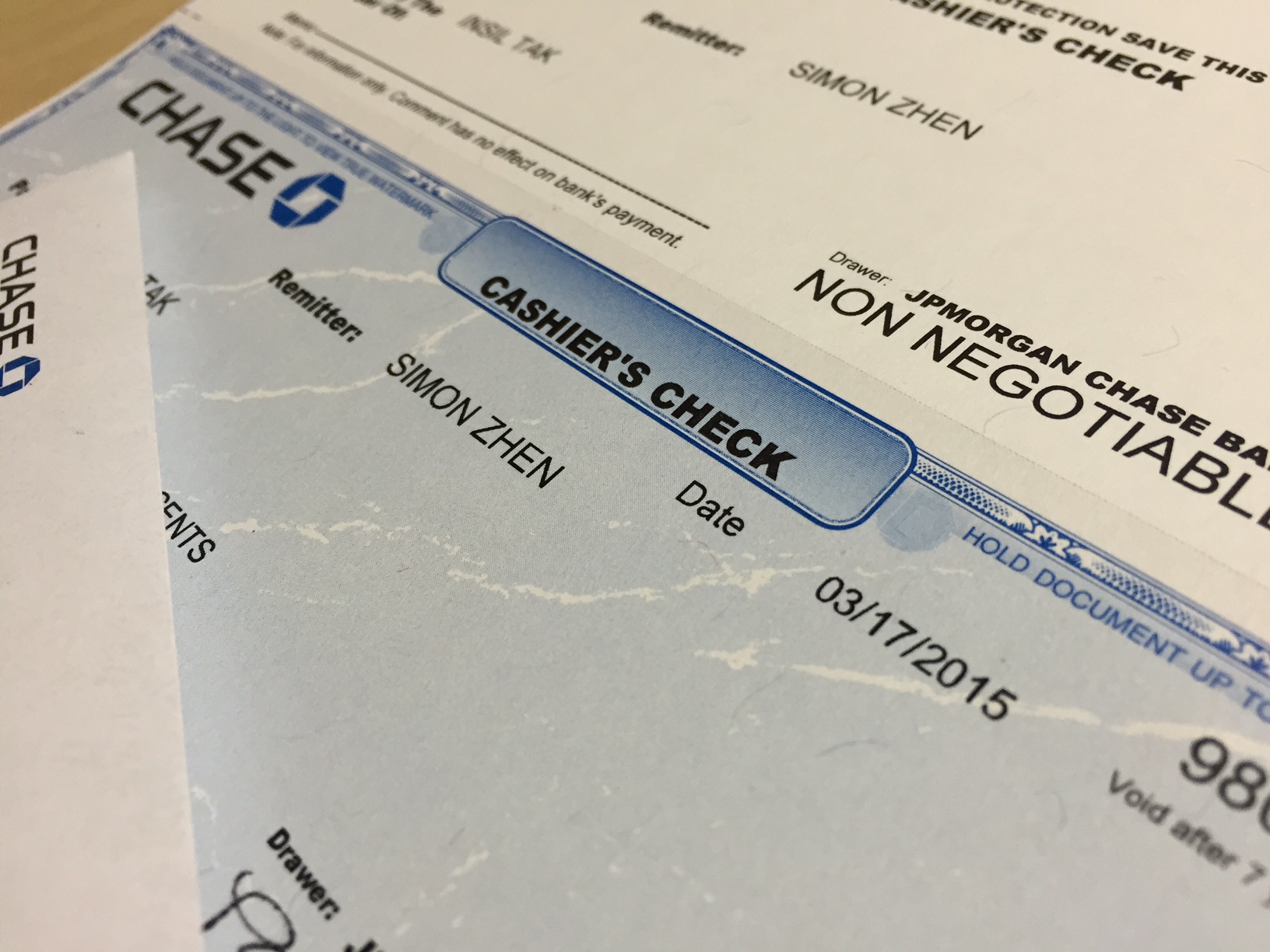
The most common method for obtaining a cashier’s check from Chase is by visiting a local branch. Upon arrival, you will typically approach a teller or a customer service representative. You will inform them of your need for a cashier’s check, state the exact amount, and provide the payee’s name. After presenting your identification, the representative will access your account, verify the availability of funds, and process the transaction. The amount will be debited from your account, and the cashier’s check will be printed on the spot, complete with the bank’s signature and other security features. It’s important to carefully review the check before leaving the branch to ensure all details, especially the amount and payee name, are correct. This direct, in-person interaction ensures immediate issuance and provides an opportunity to ask any questions directly.
Limitations and Considerations for Remote Issuance
While most financial services are increasingly moving online, cashier’s checks typically require an in-person visit to a branch. This is primarily due to the security features embedded in the physical check and the need for immediate fund verification and authentication of the requestor. Chase, like many banks, does not generally offer the option to order a cashier’s check online or over the phone for mail delivery, nor can they be printed at home. This limitation emphasizes the unique security protocols surrounding these instruments. Planning ahead for a branch visit is therefore a necessary part of the process when a cashier’s check is required for a transaction. Consider branch hours and potential wait times, especially for urgent financial needs.
Comparative Analysis: Alternatives to Cashier’s Checks
While cashier’s checks offer unparalleled security for guaranteed funds, they are not always the most appropriate or cost-effective solution for every financial situation. Exploring alternatives can help individuals choose the best payment method based on the amount, urgency, and recipient’s requirements, all while managing transaction costs.
Money Orders: A Lower-Cost Option for Smaller Transfers
For smaller payment amounts, typically up to $1,000, money orders serve as a viable and more affordable alternative to cashier’s checks. Available at banks, credit unions, post offices, and even many grocery stores, money orders generally carry a much lower fee, often ranging from $1 to $5. Like cashier’s checks, money orders are prepaid, meaning the funds are guaranteed. However, they lack some of the advanced security features of a cashier’s check and are subject to maximum amount limits. From a personal finance perspective, a money order is an excellent choice for sending rent payments, utility bills, or making small purchases where a personal check isn’t accepted, and the cost of a cashier’s check would be disproportionately high relative to the amount being sent.
Certified Checks: Similar Assurance, Different Mechanics
A certified check offers a similar level of assurance to a cashier’s check but operates differently. With a certified check, the bank verifies that sufficient funds exist in your account to cover the check, and then “certifies” the check by stamping it and signing it, effectively guaranteeing payment. The funds are then typically frozen in your account. The key distinction is that a certified check is still drawn on your personal account, not the bank’s, though the bank’s certification makes it equally secure. Fees for certified checks at Chase are generally similar to those for cashier’s checks, often falling within the same $8-$10 range, with potential waivers for premier accounts. The choice between a cashier’s and certified check often comes down to the recipient’s preference or specific transaction requirements, though both offer high reliability.
Wire Transfers: Speed, Cost, and International Reach
For rapid transfer of funds, especially for international transactions, wire transfers are often the preferred method. A wire transfer electronically moves funds directly from one bank account to another, typically within hours or a day. While incredibly fast and secure, wire transfers are significantly more expensive than cashier’s checks or money orders, with fees often ranging from $25 to $50 for domestic transfers and even higher for international ones. From a financial management standpoint, wire transfers are ideal for time-sensitive, high-value transactions where the speed and directness of the transfer justify the higher cost. However, due to their irreversibility, extreme caution must be exercised to verify the recipient’s information to prevent fraud.
Modern Digital Payment Platforms: Convenience vs. Acceptance
In the era of digital finance, platforms like Zelle, PayPal, Venmo, and other peer-to-peer payment apps offer instant or near-instant transfers, often with no fees for basic domestic transactions. While incredibly convenient for everyday transactions and small transfers between individuals, these platforms typically lack the formal, documented assurance required for major financial commitments like real estate down payments or legal settlements. Most also have transaction limits that make them unsuitable for very large sums. Furthermore, not all recipients will accept digital payments for significant transactions, especially if they require verifiable bank-issued funds for security or legal compliance. Integrating these tools into one’s financial strategy requires understanding their limitations alongside their benefits.
Prudent Financial Management When Using Cashier’s Checks
The use of cashier’s checks, while providing a layer of security, still necessitates careful financial management to prevent potential pitfalls and ensure smooth transactions. From mitigating fraud to maintaining meticulous records, strategic considerations can safeguard your financial interests.
Mitigating Fraud Risks and Verifying Authenticity
Even with their inherent security, cashier’s checks are not entirely immune to fraud. Scammers may attempt to create counterfeit cashier’s checks or overpay for an item, asking for the difference to be wired back. A crucial financial principle is to always verify the authenticity of any cashier’s check you receive before releasing goods or services. This can be done by contacting the issuing bank directly using a phone number obtained from an official source (not from the check itself or the payer). Never rely on a check simply “clearing” your account, as counterfeit checks can take weeks to be fully identified by banks, leading to funds being retracted after you’ve already disbursed money or goods. For those issuing a cashier’s check, ensure you are making it out to a legitimate payee and that the purpose of the payment is clear and understood by all parties.
Best Practices for Documentation and Record-Keeping
Effective financial management demands meticulous record-keeping, especially for transactions involving cashier’s checks. When you obtain a cashier’s check from Chase, ensure you keep the receipt provided by the bank. This receipt contains critical information, including the check number, the amount, the date of issue, and sometimes the payee’s name. It serves as proof of purchase and a vital record for your financial archives. It’s also advisable to make a photocopy or take a clear photo of both the front and back of the cashier’s check before handing it over. This documentation can be invaluable for tax purposes, dispute resolution, or simply tracking your expenditures. In the event of a lost or stolen cashier’s check, having these details greatly assists the bank in placing a stop payment or initiating an investigation, although this process can be complex due to the “guaranteed funds” nature of the check.

Integrating Transaction Fees into Your Financial Planning
While the fee for a single cashier’s check at Chase might seem minor, typically ranging from $8 to $10, these costs can accumulate, particularly if multiple checks are needed or if you frequently engage in transactions requiring guaranteed funds. Savvy financial planning involves anticipating these fees and integrating them into your budget for large purchases or life events. For instance, when calculating the total cost of a home down payment or a vehicle purchase, remember to account for the cashier’s check fee as a legitimate transaction expense. For those who frequently require such services, evaluating whether upgrading to a Chase account tier that offers fee waivers could lead to long-term savings is a wise financial strategy. Proactive consideration of all associated costs, no matter how small, is a hallmark of sound personal and business finance.
aViewFromTheCave is a participant in the Amazon Services LLC Associates Program, an affiliate advertising program designed to provide a means for sites to earn advertising fees by advertising and linking to Amazon.com. Amazon, the Amazon logo, AmazonSupply, and the AmazonSupply logo are trademarks of Amazon.com, Inc. or its affiliates. As an Amazon Associate we earn affiliate commissions from qualifying purchases.