
Navigating the financial landscape of owning a car in New York can be complex, and one of the most significant recurring costs is car insurance. For many New Yorkers, understanding this expense is not just a matter of budgeting but also a necessity for legal vehicle operation. The question “how much is car insurance per month in NY?” doesn’t have a single, simple answer. Instead, it’s a dynamic figure influenced by a multitude of personal, vehicular, and geographical factors. This article aims to demystify car insurance costs in the Empire State, providing a comprehensive guide to what you can expect to pay, what influences these rates, and how you can strategically manage them.
Car insurance is a legal requirement in New York, designed to protect drivers, passengers, and pedestrians in the event of an accident. New York operates under a “no-fault” insurance system, meaning your own insurance company pays for your medical expenses and lost wages regardless of who caused the accident. This system, combined with the state’s dense population and varying risk profiles across different regions, contributes to the often-higher-than-average insurance premiums. Our exploration will delve into the specific components that shape these costs, from statewide averages to localized variations, empowering you with the knowledge to make informed financial decisions regarding your vehicle.
Understanding the Average Cost of Car Insurance in New York
While there’s no universal rate, understanding the average car insurance costs in New York can provide a valuable baseline. It’s crucial to remember that these averages are statistical benchmarks and your personal premium will likely differ based on your unique circumstances. However, knowing the general range helps set realistic expectations and informs your budget.
Statewide Averages vs. City-Specific Variances
New York State is vast and diverse, ranging from the bustling metropolis of New York City to rural upstate communities. This geographical spectrum profoundly impacts car insurance rates. On average, a New York driver might expect to pay anywhere from $2,000 to $3,000 annually for full coverage, which translates to roughly $165 to $250 per month. However, these figures can swing dramatically depending on your precise location.
For instance, drivers in densely populated areas like Manhattan, Brooklyn, or the Bronx often face some of the highest insurance premiums in the country. High traffic volumes, increased accident rates, higher incidence of vehicle theft and vandalism, and the cost of living contribute to these elevated prices. In contrast, residents of upstate cities like Syracuse, Buffalo, or Rochester, and especially rural counties, typically see significantly lower rates, often several hundred dollars less per year than their downstate counterparts. These differences highlight the importance of obtaining quotes specific to your exact zip code.
Minimum Coverage Requirements in NY (No-Fault, Liability)
New York’s car insurance laws mandate certain minimum coverage levels that every driver must carry. These minimums are designed to protect against financial ruin in the event of an accident, particularly under the state’s no-fault system. Understanding these requirements is fundamental to comprehending your policy’s foundation:
-
No-Fault (Personal Injury Protection – PIP): This is a cornerstone of NY’s system. It covers medical expenses and lost wages for you and your passengers, regardless of who caused the accident, up to a specified limit. The minimum required is $50,000 per person.
-
Liability Coverage: This protects you financially if you’re at fault in an accident, covering damages and injuries to the other party. New York requires minimums of:
-
$25,000 for bodily injury to one person
-
$50,000 for bodily injury to all persons in one accident
-
$10,000 for property damage per accident
-
-
Uninsured/Underinsured Motorist (UM/UIM) Coverage: This protects you if you’re involved in an accident with a driver who has no insurance or insufficient insurance to cover the damages. The minimum required is:
-
$25,000 for bodily injury to one person
-
$50,000 for bodily injury to all persons in one accident
-
While these are the minimums, most financial experts and insurance advisors recommend purchasing higher liability limits than the state minimums. In today’s economic climate, even a minor accident can quickly exceed these basic coverages, leaving you personally responsible for the remainder.
What a Typical Policy Might Include (Collision, Comprehensive, etc.)
While minimum coverage is legally sufficient, many drivers opt for more comprehensive protection, often referred to as “full coverage.” This usually includes the state minimums plus additional coverages that significantly enhance financial security:
-
Collision Coverage: This pays for damages to your own vehicle if you hit another car, an object, or roll over, regardless of who is at fault. It’s often required by lenders if you have an auto loan.
-
Comprehensive Coverage: This covers damage to your car from non-collision incidents, such as theft, vandalism, fire, natural disasters (hail, floods), or hitting an animal. Like collision, it’s typically required by lenders.
-
Medical Payments (MedPay) or Additional PIP: While PIP is mandatory, some drivers choose to add MedPay for additional medical coverage or higher PIP limits.
-
Rental Car Reimbursement: Covers the cost of a rental car while your vehicle is being repaired after a covered accident.
-
Roadside Assistance: Provides help for flat tires, dead batteries, lockouts, or towing services.
Adding these coverages increases your monthly premium, but they also provide a much greater degree of financial protection and peace of mind. The decision to opt for full coverage versus minimum liability often depends on the value of your vehicle, your financial situation, and your personal risk tolerance.
Key Factors Influencing Your Monthly Premium
Car insurance premiums are not arbitrary; they are meticulously calculated based on a complex algorithm of risk assessment. Insurance companies evaluate a wide array of factors to determine how likely you are to file a claim and how expensive that claim might be. Understanding these factors is crucial for deciphering your monthly cost and identifying potential areas for savings.
Driver-Specific Factors
Your personal profile as a driver is perhaps the most significant determinant of your insurance rate. Insurers look at your history and characteristics to gauge your risk level:
-
Age and Experience: Younger, less experienced drivers (especially teenagers and those under 25) typically face the highest premiums due to statistically higher accident rates. As drivers mature and gain more experience without incidents, rates tend to decrease.
-
Driving Record: A clean driving record is paramount. Tickets for speeding, reckless driving, or DUIs/DWIs will significantly increase your premiums, sometimes for several years. Accidents, even minor ones, can also lead to surcharges.
-
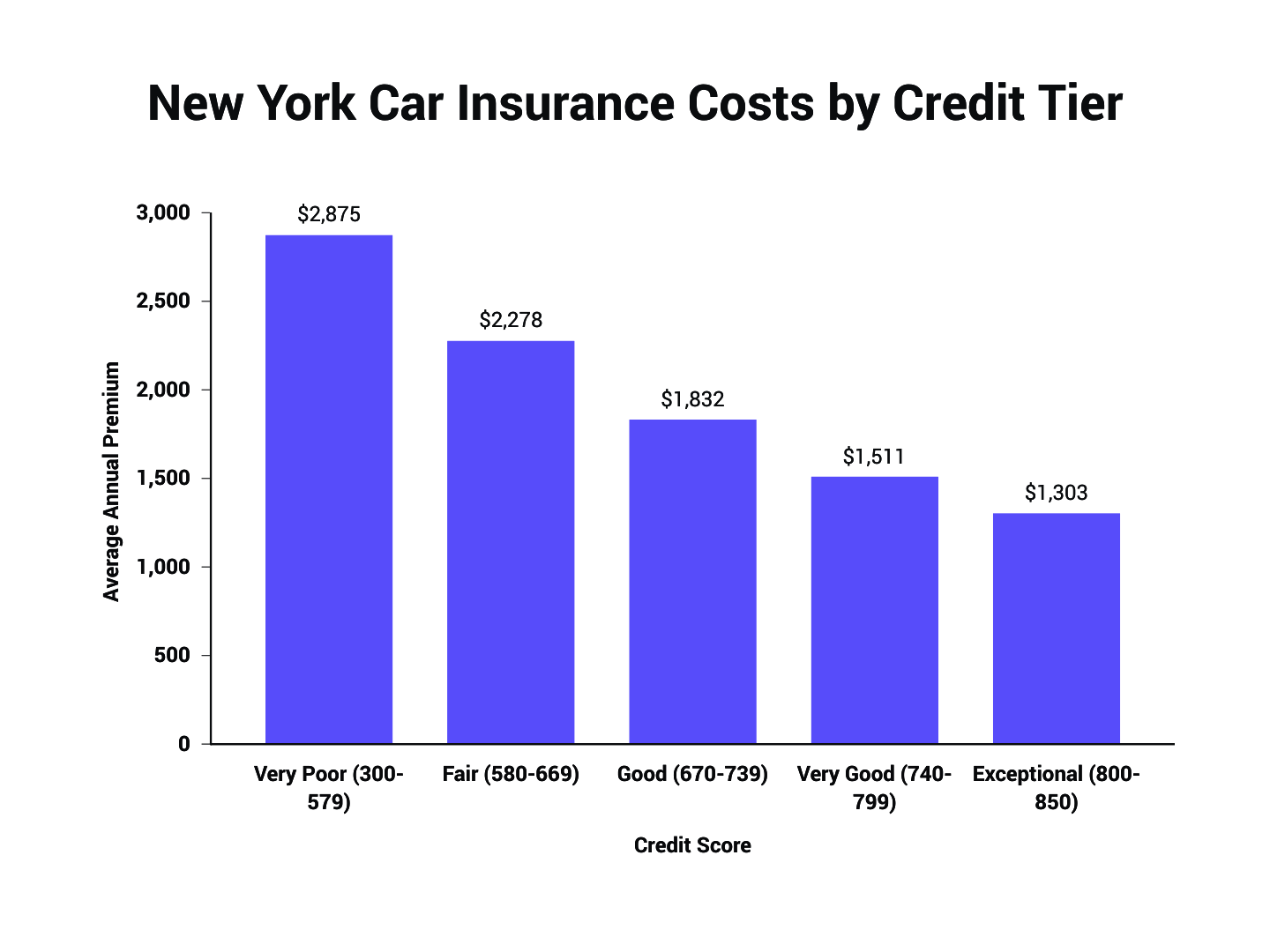
Credit Score: In many states, including New York, insurance companies use a credit-based insurance score as a predictive tool. Individuals with higher credit scores are often perceived as more responsible and thus less likely to file claims, leading to lower premiums.
-
Marital Status: Married individuals often receive slightly lower rates than single drivers, as they are statistically considered less risky.
-
Gender: Historically, male drivers, especially younger ones, have faced higher premiums. However, many states have moved towards gender-neutral pricing, and the impact of this factor is diminishing.
Vehicle-Specific Factors
The car you drive also plays a substantial role in how much you pay for insurance. Insurers assess the likelihood and cost of repairing or replacing your specific make and model:
-
Make, Model, and Year: Luxury vehicles, sports cars, and high-performance cars generally cost more to insure due to higher repair costs, more expensive parts, and a greater likelihood of theft or involvement in high-speed accidents. Conversely, older, more standard vehicles tend to be cheaper to insure.
-
Safety Features: Cars equipped with advanced safety features (e.g., anti-lock brakes, airbags, adaptive cruise control, lane departure warnings) often qualify for discounts because they reduce the risk of accidents or mitigate injury severity.
-
Anti-Theft Devices: Vehicles with alarms, tracking systems, or engine immobilizers can also lead to lower comprehensive coverage premiums, as they deter theft.
-
Repair Costs: Vehicles that are more expensive or difficult to repair after an accident will naturally incur higher collision and comprehensive premiums.
Location within New York
As previously discussed, your specific address within New York State is a powerful variable:
-
Zip Code: Insurers analyze data at a granular level, looking at accident rates, theft rates, vandalism statistics, and even the prevalence of uninsured motorists in specific zip codes. Urban areas with higher crime rates and traffic congestion almost invariably lead to higher premiums.
-
Population Density: More cars on the road mean a higher probability of collision. Densely populated areas therefore command higher rates.
-
Weather Patterns: While less critical than other factors, areas prone to severe weather (e.g., heavy snowfalls, coastal flood risks) might see slight adjustments in comprehensive coverage rates.
Coverage Levels and Deductibles

The choices you make about your policy’s structure directly impact your monthly payments:
-
Coverage Limits: Opting for higher liability limits than the state minimums will increase your premium, but provides greater financial protection. Similarly, adding comprehensive and collision coverage adds significantly to the cost.
-
Deductibles: This is the amount you pay out-of-pocket before your insurance kicks in for a claim (typically for collision and comprehensive). Choosing a higher deductible (e.g., $1,000 instead of $500) will lower your monthly premium, but means you’ll pay more upfront if you file a claim. It’s a trade-off between monthly savings and potential out-of-pocket expenses.
Strategies to Lower Your Car Insurance Premiums in NY
While many factors influencing your premium are beyond your immediate control, there are numerous proactive steps you can take to significantly reduce your monthly car insurance costs in New York. Savvy financial management of your insurance policies can lead to substantial savings over time.
Comparing Quotes from Multiple Insurers
This is arguably the single most effective strategy for finding lower rates. Insurance companies use different algorithms, offer varying discounts, and have different risk appetites. A quote from one insurer can differ by hundreds of dollars annually from another for the exact same coverage.
-
Regular Shopping: Don’t just stick with your current insurer out of habit. Make it a practice to shop around at least once a year, or whenever your policy is up for renewal.
-
Online Comparison Tools: Utilize online aggregators and comparison websites that allow you to get quotes from multiple providers simultaneously. This streamlines the process and reveals the competitive landscape.
-
Independent Agents: Work with an independent insurance agent who can shop around for you among several different companies, often providing personalized advice and uncovering deals you might miss.
Leveraging Discounts
Most insurance companies offer a wide array of discounts that can significantly chip away at your premium. Always ask your insurer about available discounts and ensure you’re taking advantage of every one for which you qualify:
-
Multi-Policy/Bundling Discount: Combining your auto insurance with other policies, such as homeowners, renters, or life insurance, usually yields a substantial discount.
-
Good Driver/Accident-Free Discount: Maintaining a clean driving record for several years often qualifies you for significant savings.
-
Defensive Driving Course Discount: Completing an approved defensive driving course can reduce your premium and, in some cases, even reduce points on your license.
-
Good Student Discount: High school or college students with good academic grades can often receive a discount.
-
Low Mileage Discount: If you don’t drive many miles annually (e.g., you work from home or use public transport), you might qualify for a low-mileage discount.
-
Vehicle Safety Features: Discounts for anti-lock brakes, airbags, anti-theft devices, and advanced driver-assistance systems.
-
Payment Discounts: Paying your premium in full upfront, enrolling in autopay, or choosing paperless billing can sometimes lead to small reductions.
Adjusting Coverage and Deductibles Wisely
Strategically modifying your policy’s coverage levels and deductibles can have a direct impact on your monthly outlay:
-
Increase Deductibles: As discussed, opting for a higher deductible (e.g., $1,000 or $1,500) on your comprehensive and collision coverage will lower your monthly premium. Just ensure you have enough in savings to cover that deductible if you need to file a claim.
-
Drop Comprehensive/Collision on Older Cars: If your car is older and its market value is low (e.g., less than $3,000-$5,000), the cost of comprehensive and collision coverage might outweigh the potential payout in the event of a total loss. Consider dropping these coverages to save money, but carefully weigh the risk.
-
Review Liability Limits: While higher liability limits are recommended, if your financial situation or assets change, you might need to re-evaluate your chosen limits to ensure they align with your current risk profile and budget.
Improving Your Driving Record and Credit Score
These factors might take time, but they have a profound and lasting impact on your insurance costs:
-
Drive Safely: The most straightforward way to lower your insurance costs long-term is to maintain a clean driving record. Avoid accidents and traffic violations at all costs.
-
Improve Credit: Work on improving your credit score by paying bills on time, reducing debt, and monitoring your credit report. A higher credit score can translate into lower insurance premiums.
Considering Usage-Based Insurance Programs
Some insurers offer programs (often through a telematics device or smartphone app) that monitor your driving habits, such as speed, braking, acceleration, and mileage. Safe drivers who opt into these programs can receive personalized discounts based on their actual driving behavior. If you’re a responsible driver, this could be a great way to save.
The Importance of Regular Review and Comparison
Car insurance is not a “set it and forget it” expense. Your life circumstances, the market, and even the value of your vehicle are constantly changing. Regular review and comparison are critical components of financially savvy car ownership in New York.
When to Re-evaluate Your Policy (Life Changes, Policy Renewal)
Several key life events and periods warrant a fresh look at your car insurance policy:
-
Policy Renewal: Always review your policy details and premium upon renewal. This is the ideal time to shop around for new quotes.
-
Major Life Changes:
-
Getting Married: Spouses often get preferred rates.
-
Moving: Even a new zip code can dramatically alter your premium.
-
Changing Jobs/Commutes: If your mileage decreases significantly, you might qualify for a low-mileage discount.
-
Adding/Removing Drivers: Adding a new, inexperienced driver (like a teenager) will increase costs, while removing a driver (e.g., a child moves out) can lower them.
-
Buying a New Car: The vehicle itself is a major factor, so always get insurance quotes before purchasing a new car.
-
Paying Off a Car Loan: Once your car is fully paid off, you have the option to drop comprehensive and collision coverage if you deem it no longer financially worthwhile.
-
-
Improvement in Driving Record/Credit Score: If you’ve gone several years without tickets or accidents, or if your credit score has significantly improved, it’s worth checking if these improvements have translated into lower rates from your current or other insurers.
How to Shop for Insurance Effectively
Effective insurance shopping is about more than just finding the lowest price; it’s about finding the best value – the right coverage at a competitive rate.
-
Gather Information: Have your vehicle information (VIN, make, model, year), driver’s license numbers, and current insurance policy details readily available.
-
Determine Your Coverage Needs: Before getting quotes, decide on the type and amount of coverage you require (e.g., state minimums, full coverage, specific deductibles). This ensures you’re comparing apples to apples.
-
Get Multiple Quotes: As emphasized, obtain quotes from at least 3-5 different insurance providers. Don’t limit yourself to the big names; smaller regional carriers can sometimes offer excellent value.
-
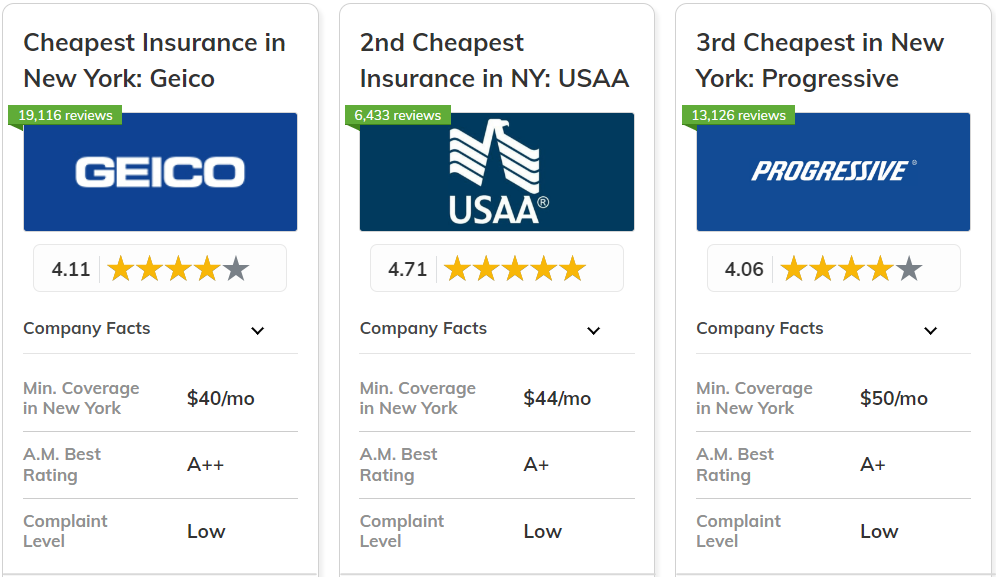
Read Reviews and Check Financial Strength: While price is important, also consider the insurer’s reputation for customer service and claims handling. Check independent ratings (e.g., AM Best) for financial stability.
-
Understand the Quote Details: Don’t just look at the bottom line. Scrutinize what’s included in each quote – the coverage limits, deductibles, and any specific endorsements. Ensure all quotes are for comparable coverage.
-
Ask About Discounts: Explicitly inquire about every possible discount. Don’t assume they’ll be automatically applied.
-
Don’t Be Afraid to Switch: If you find a better deal with a reputable insurer, don’t hesitate to switch. The process is usually seamless, and your new insurer can often help you cancel your old policy.
Conclusion
The question of “how much is car insurance per month in NY?” ultimately leads to a highly personalized answer, deeply rooted in individual circumstances, driving habits, vehicle choices, and geographical location. While average figures can provide a starting point, the true cost for you will be a unique blend of these factors. New York’s specific no-fault system, combined with the varying population densities and risk profiles across the state, contributes to its often-complex and sometimes higher-than-average premiums.
However, understanding these underlying factors empowers you to be a proactive and financially astute consumer. By diligently comparing quotes from multiple providers, strategically leveraging available discounts, making informed decisions about your coverage levels and deductibles, and continuously reviewing your policy, you can significantly influence your monthly car insurance expenditure. Car insurance is a non-negotiable expense for drivers in New York, but it doesn’t have to be an unpredictable drain on your finances. With careful planning and consistent effort, you can secure the necessary protection at a rate that aligns with your budget, ensuring both legal compliance and peace of mind on the road.
aViewFromTheCave is a participant in the Amazon Services LLC Associates Program, an affiliate advertising program designed to provide a means for sites to earn advertising fees by advertising and linking to Amazon.com. Amazon, the Amazon logo, AmazonSupply, and the AmazonSupply logo are trademarks of Amazon.com, Inc. or its affiliates. As an Amazon Associate we earn affiliate commissions from qualifying purchases.