
To the casual observer, the question “How much is Bitcoin?” is often met with a single, fluctuating numerical value pulled from a live exchange. However, for the serious investor and the financially literate, the answer is far more complex than a spot price on a screen. Bitcoin represents a fundamental shift in the concept of money, acting as both a volatile speculative asset and a nascent store of value. Understanding “how much” Bitcoin is worth requires looking beyond the daily ticker to analyze the underlying economic principles, market mechanics, and macroeconomic factors that dictate its global valuation.

In this comprehensive guide, we will explore the multifaceted nature of Bitcoin’s price, the mechanisms that drive its volatility, and the strategic frameworks investors use to evaluate its place in a modern financial portfolio.
1. Understanding the Price of Bitcoin: Value vs. Price
When discussing Bitcoin in a financial context, it is vital to distinguish between its current market price and its intrinsic value. Price is what you pay; value is what you get. The price of Bitcoin is determined by the collective agreement of buyers and sellers across global exchanges at any given second.
The Concept of Digital Scarcity
The primary driver of Bitcoin’s long-term value is its fixed supply. Unlike fiat currencies—such as the US Dollar or the Euro—which central banks can print in unlimited quantities, Bitcoin is hard-capped at 21 million units. This digital scarcity is enforced by a decentralized protocol, making it the first asset in history whose supply is entirely predictable and immune to political intervention. Investors view this scarcity as a hedge against the debasement of traditional currencies, often leading to a premium in its valuation during times of high inflation.
Market Capitalization vs. Individual Unit Price
While a single Bitcoin may be priced in the tens of thousands of dollars, the “Market Cap” is the more relevant metric for institutional investors. Market capitalization is calculated by multiplying the current price by the total number of coins in circulation. This figure allows analysts to compare Bitcoin to other asset classes, such as gold or the S&P 500. When people ask “how much is Bitcoin,” they are often looking at the price per unit, but the growth of the total market cap reflects the increasing global liquidity and trust in the network.
2. The Primary Drivers of Bitcoin’s Market Volatility
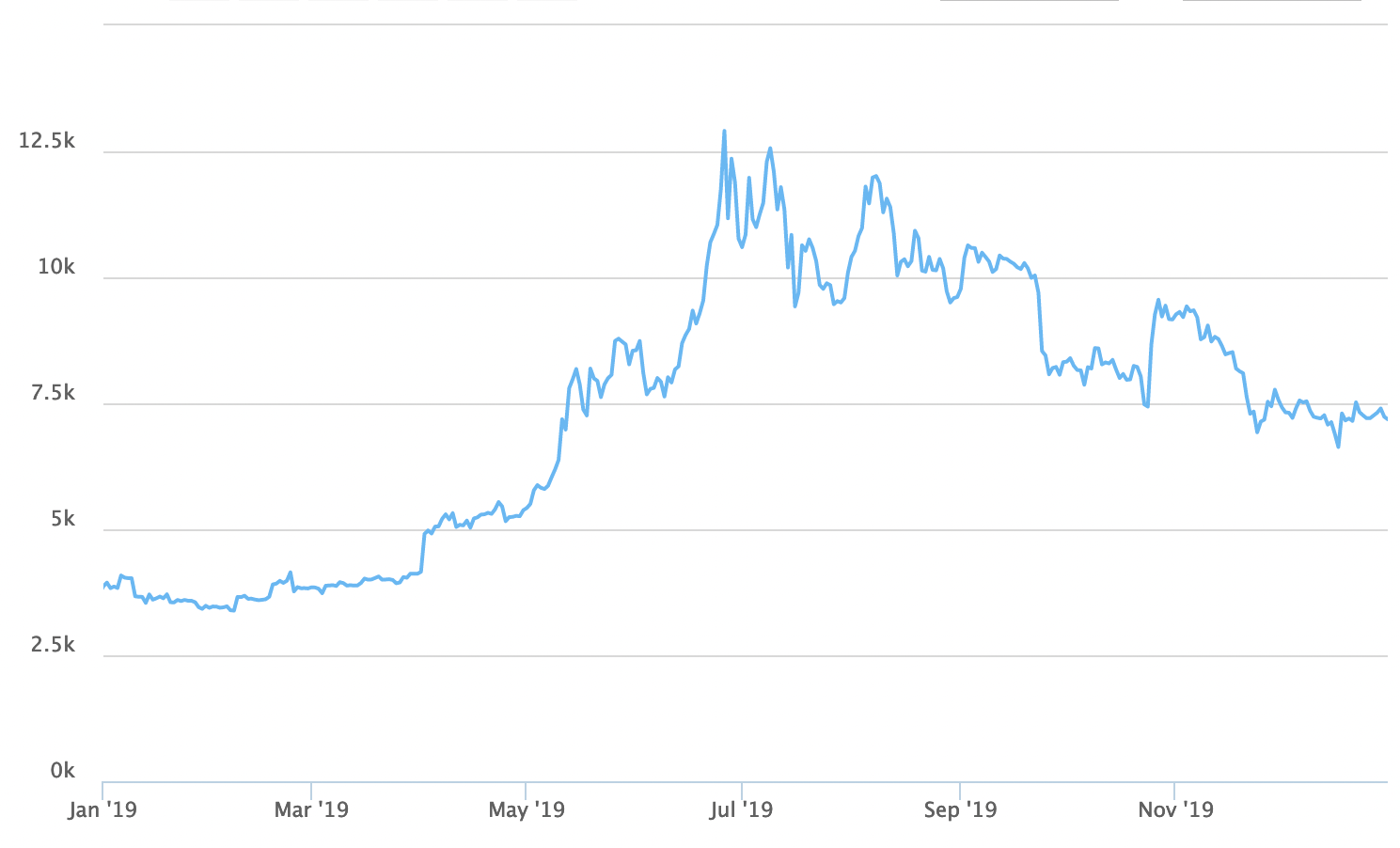
Bitcoin is famous—and sometimes infamous—for its price swings. For the disciplined investor, this volatility is not a deterrent but a characteristic of an asset that is still in its “price discovery” phase. Several key factors contribute to these fluctuations.
Supply and Demand: The Halving Cycle
Every four years, a pre-programmed event known as the “Halving” occurs. During this event, the reward given to Bitcoin miners for securing the network is cut in half. This effectively reduces the rate at which new Bitcoin enters the market. Historically, the Halving has served as a catalyst for significant price appreciation. When the growth of new supply slows down while demand remains steady or increases, the economic pressure pushes the price upward. This cyclical nature is a cornerstone of Bitcoin’s financial modeling.
Institutional Adoption and Regulatory News
The entry of institutional giants has fundamentally changed the answer to “how much is Bitcoin.” In the early years, the price was driven by retail speculators. Today, the involvement of publicly traded companies like MicroStrategy and the approval of Spot Bitcoin ETFs (Exchange-Traded Funds) by major financial institutions like BlackRock have introduced massive amounts of capital. Conversely, regulatory announcements—whether positive (legal tender status in certain regions) or negative (restrictions on trading)—can cause immediate and sharp price reactions as the market adjusts its risk expectations.
Macroeconomic Factors and Inflation
Bitcoin does not exist in a vacuum. It is deeply sensitive to the global macroeconomic environment. When the Federal Reserve adjusts interest rates, it impacts “risk-on” assets. In a low-interest-rate environment, investors often seek higher returns in assets like Bitcoin. Furthermore, as the purchasing power of the dollar fluctuates, many investors look to Bitcoin as “digital gold,” a neutral reserve asset that maintains value when traditional bonds or cash are losing ground due to inflation.

3. Tools and Metrics for Evaluating Bitcoin’s Worth
To understand “how much” Bitcoin is truly worth, sophisticated investors move beyond the price chart and utilize specific financial metrics to determine if the asset is overvalued or undervalued at any given time.
On-Chain Analysis and Network Health
On-chain analysis involves looking at the data recorded on the blockchain itself. Metrics such as “Realized Cap” (the value of all coins at the price they were last moved) or the “MVRV Z-Score” (which identifies when the market price is significantly higher or lower than the “fair value”) provide deep insights. If the network is seeing high transaction volume and an increase in new wallet addresses, the fundamental value of the network is growing, even if the price is temporarily stagnant.
Technical Analysis vs. Fundamental Analysis
Financial experts generally use two schools of thought. Technical analysis (TA) focuses on historical price patterns and trading volume to predict future movements. Traders use TA to find optimal entry and exit points. Fundamental analysis (FA), on the other hand, ignores the daily “noise” and looks at the health of the network, the rate of global adoption, and the geopolitical landscape. For long-term wealth building, fundamental analysis is usually the preferred method for determining Bitcoin’s potential.
4. Strategic Considerations for the Modern Investor
Knowing “how much” Bitcoin is today is less important than having a strategy for how much it might be tomorrow. In the realm of personal finance and investing, how you interact with the price is more important than the price itself.
Dollar-Cost Averaging (DCA)
Because Bitcoin is volatile, “timing the market” is notoriously difficult and risky. Many successful investors employ a Dollar-Cost Averaging strategy. This involves investing a fixed amount of money at regular intervals (e.g., $100 every month) regardless of the price. This strategy mitigates the risk of buying at a local peak and lowers the average cost of the investment over time, allowing the investor to benefit from long-term growth without the stress of daily price watching.
Risk Management and Portfolio Allocation
Bitcoin should be viewed within the context of a diversified financial portfolio. Due to its high-risk/high-reward profile, financial advisors often suggest an allocation that reflects an individual’s risk tolerance—frequently ranging from 1% to 10% of total investable assets. Understanding “how much” Bitcoin you should own is a personal financial decision that depends on your age, income, and long-term financial goals.
5. The Future Outlook: Where is Bitcoin Heading?
The question “How much is Bitcoin?” is inherently forward-looking. As the asset matures, its role in the global financial system continues to evolve, shifting from a niche experiment to a legitimate asset class.
The Role of Spot ETFs
The introduction of Bitcoin ETFs in major markets has bridged the gap between traditional finance and the digital asset world. These instruments allow pension funds, 401(k) providers, and retail investors to gain exposure to Bitcoin’s price without the technical hurdles of managing private keys. This influx of “stable” capital is expected to reduce long-term volatility and lead to more sustained, gradual price growth as Bitcoin becomes a standard component of institutional portfolios.
Long-term Store of Value vs. Medium of Exchange
There is a persistent debate in finance regarding whether Bitcoin is a currency or an asset. Currently, its primary function is a “Store of Value.” Like gold, it is a place to park wealth securely over long periods. However, with the development of secondary layers (like the Lightning Network) that allow for instant, low-cost payments, Bitcoin’s utility as a medium of exchange is growing. If Bitcoin successfully captures a significant portion of the global payments market or the gold market, its valuation could reach heights that make today’s “expensive” price look like a bargain in retrospect.
In conclusion, “how much is Bitcoin” is a question with a moving answer. While the current price is a reflection of today’s market sentiment, the true value of Bitcoin lies in its protocol-level scarcity, its growing adoption as a global reserve asset, and its ability to function outside the traditional banking system. For the informed investor, the focus should not be on the price of the day, but on the trajectory of the decade. As with any significant financial investment, due diligence, a long-term perspective, and a robust risk management strategy remain the keys to navigating the Bitcoin market.
aViewFromTheCave is a participant in the Amazon Services LLC Associates Program, an affiliate advertising program designed to provide a means for sites to earn advertising fees by advertising and linking to Amazon.com. Amazon, the Amazon logo, AmazonSupply, and the AmazonSupply logo are trademarks of Amazon.com, Inc. or its affiliates. As an Amazon Associate we earn affiliate commissions from qualifying purchases.