
In an increasingly subscription-driven world, understanding the true cost and value of services like Amazon Prime is crucial for sound personal financial management. Amazon Prime has evolved far beyond simple expedited shipping, transforming into a multifaceted digital ecosystem offering entertainment, exclusive deals, and various conveniences. For many households globally, it has become an almost indispensable part of their online experience. However, the fundamental question remains: how much does an Amazon Prime account actually cost, and more importantly, what financial value does it truly deliver?
This article delves into the financial intricacies of Amazon Prime membership, dissecting its pricing structures, exploring its diverse benefits through a financial lens, and offering practical advice for assessing its worth against your personal budget and usage patterns. From understanding the sticker price to quantifying the hidden value of its numerous perks, we aim to provide a comprehensive financial perspective to help you decide if Amazon Prime is a worthwhile investment for your household.
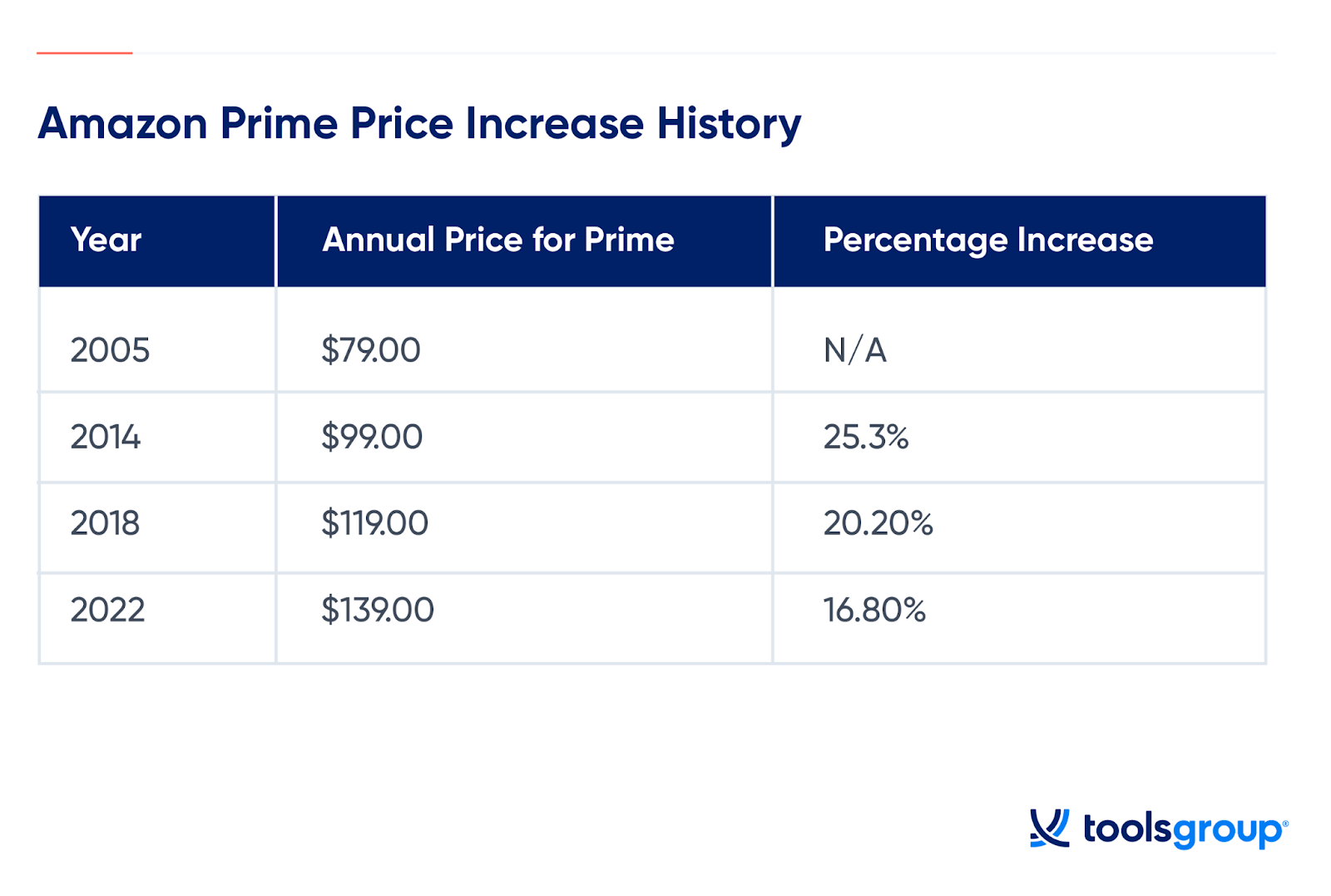
Understanding the Core Cost of Amazon Prime
The entry point to Amazon Prime’s extensive suite of services begins with its subscription fee. While the core offering is globally consistent, the exact price can vary significantly based on geographic region, subscription term, and specific promotional opportunities. Navigating these options is the first step in budgeting for a Prime membership.
Annual vs. Monthly Subscriptions: A Cost-Benefit Analysis
Amazon typically offers two primary payment structures for its Prime membership: a monthly plan and an annual plan. From a purely financial standpoint, the annual subscription almost invariably presents a better value, assuming you intend to maintain the membership for a full year.
For instance, in the United States, a standard Amazon Prime membership typically costs around $14.99 per month or $139 per year. A quick calculation reveals that subscribing monthly for a full year would amount to approximately $179.88 ($14.99 x 12). This means opting for the annual plan saves members roughly $40.88 over the course of a year. This significant saving highlights a common financial strategy employed by subscription services: incentivizing longer commitments with lower effective prices.
For individuals who are certain they will utilize Prime services consistently throughout the year, the annual plan represents a straightforward opportunity to optimize their subscription spending. However, the monthly option offers flexibility, which can be valuable for those unsure about long-term usage, or for budgeting purposes where a smaller, recurring charge is preferred over a larger upfront payment. This flexibility comes at a premium, a financial trade-off for convenience and less commitment.
Regional Pricing Variations: What to Expect Globally
Amazon Prime’s pricing is not uniform across all countries. The cost is adjusted to reflect local economic conditions, market competitiveness, and the scope of services available in a particular region. For example, while the US price is $139/year, members in the UK might pay £95/year, in Canada CAD$99/year, and in India INR 1,499/year. These differences underscore the importance of checking the specific pricing for your geographic location.
These regional variations are also often tied to the specific basket of benefits offered. While shipping remains central, the availability of Prime Video content, Music, Gaming, and other localized services can differ, influencing the perceived and actual financial value in each market. Therefore, when evaluating the cost, it’s essential to consider it within the context of what Amazon Prime delivers in your specific country.
Promotional Rates and Trial Periods
Amazon frequently offers introductory promotions and trial periods, particularly for new members. A common offering is a 30-day free trial, allowing prospective members to experience the full suite of Prime benefits without financial commitment. This is a valuable opportunity for a ‘test drive’ to assess whether the service aligns with one’s spending and usage habits before subscribing.
Beyond free trials, Amazon also occasionally rolls out limited-time discounted rates for new sign-ups or even for lapsed members. These promotions are typically advertised on the Amazon website or through targeted marketing campaigns. From a financial planning perspective, taking advantage of these offers can further reduce the initial outlay, providing an even more cost-effective entry point into the Prime ecosystem. However, it’s crucial to note the automatic renewal at the standard rate once the promotional period ends, requiring proactive management if you do not wish to continue.
Beyond the Sticker Price: Unpacking Prime’s Value Proposition
The true financial assessment of an Amazon Prime account extends far beyond its monthly or annual fee. The real value lies in the myriad of benefits included, many of which translate into tangible monetary savings or provide services that would otherwise incur separate costs. Understanding these benefits is key to performing a comprehensive cost-benefit analysis.
Free Two-Day Shipping: Quantifying the Savings
One of the most iconic and frequently utilized benefits of Amazon Prime is free two-day (or even same-day/one-day) shipping on eligible items. For avid online shoppers, this benefit alone can quickly offset the membership fee. Consider the cost of standard shipping charges, which can range from $5 to $15 per order, or even more for expedited services. If you place just one order per month that would typically incur a shipping fee, you could easily save $60 to $180 annually on shipping costs alone, potentially covering the entire Prime membership fee.
The financial benefit here isn’t just about avoiding shipping fees; it also includes the value of convenience and speed. For essential items or last-minute purchases, the ability to receive products quickly without extra cost can prevent additional spending on alternatives or impulsive local purchases when time is short. Quantifying these “saved opportunities” can be challenging but contributes significantly to the overall financial utility of Prime.
Prime Video and Music: Entertainment Value in Dollars
Amazon Prime includes access to Prime Video, an extensive library of movies and TV shows, and Prime Music, offering ad-free streaming of millions of songs. When considering the cost of alternative streaming services, the financial value of these inclusions becomes apparent.
For example, a subscription to a popular movie and TV streaming service can cost anywhere from $7 to $15 per month. Similarly, an ad-free music streaming service might cost $10 to $15 per month. If you utilize both Prime Video and Prime Music regularly, you are essentially receiving services that could easily cost an additional $17-$30 per month if purchased separately. Over a year, this translates to potential savings of $204 to $360. For households that were already planning to subscribe to similar entertainment platforms, Prime’s bundled offering represents a significant financial advantage. Even for those who weren’t, it provides access to a vast entertainment library without incurring additional separate charges, increasing the value derived from the initial Prime investment.
Exclusive Deals and Discounts: Member-Only Financial Perks
Prime members gain access to exclusive deals and discounts, most notably during events like Prime Day, Amazon’s annual sales event offering substantial savings across a wide range of products. Beyond Prime Day, members also often receive early access to Lightning Deals, specific discounts on groceries at Whole Foods Market, and other member-only promotions.
The financial benefit here is contingent on your shopping habits. If you frequently make purchases during these sales events and genuinely save money on items you would have bought anyway, these discounts can represent considerable savings. For example, a single significant purchase during Prime Day with a 20-30% discount could easily save you tens or even hundreds of dollars, making a tangible dent in or even exceeding the annual membership cost. The key is to distinguish between genuine savings on needed items versus impulse purchases driven by the allure of a discount.
Other Included Services: Reading, Gaming, and More
Beyond the core benefits, Prime also encompasses a suite of additional services that, while perhaps less prominent, contribute to its overall financial value. These include Prime Reading (access to a rotating selection of free eBooks, magazines, and comics), Amazon Photos (unlimited full-resolution photo storage), Prime Gaming (free games and in-game content), and often discounts on Amazon Fresh grocery delivery.
While it might be harder to put an exact dollar figure on each of these, consider their alternatives. Cloud photo storage services can cost $5-$10 per month, and a gaming subscription service might be similar. If these services align with your interests, they further enhance the value proposition of Prime, essentially bundling services that would otherwise require separate financial outlay. For a family utilizing Prime for photos, reading, and gaming, the collective value can be substantial, making the single Prime subscription a highly efficient financial choice.
Is Amazon Prime Worth the Investment? A Personal Finance Perspective
Determining whether an Amazon Prime membership is a financially sound investment requires a personalized assessment. It’s not merely about the sticker price; it’s about evaluating your usage against the benefits and integrating it into your broader personal finance strategy.

Calculating Your Potential Savings: A Practical Approach
To objectively assess Prime’s value, create a simple ledger of your potential savings. Over a month or year, track:
- Shipping Costs Avoided: Estimate how many orders you’d place that would incur shipping fees without Prime. Multiply by an average shipping cost.
- Entertainment Savings: If you’d subscribe to Netflix/Hulu and Spotify/Apple Music separately, note their combined monthly cost.
- Deal Savings: Keep a tally of actual money saved on Prime-exclusive deals on items you genuinely needed and would have purchased anyway.
- Other Service Savings: If you use Amazon Photos, Prime Reading, etc., estimate the cost of equivalent standalone services.
Subtract the annual Prime fee from the total estimated annual savings. If the net result is positive, Prime is likely providing financial value. If it’s negative, it might be an expense rather than an investment.
Assessing Usage Habits: Do You Maximize Prime’s Benefits?
The calculation above relies heavily on your actual utilization of the benefits. Someone who orders from Amazon once a month and never streams content might find Prime a net loss. Conversely, a frequent shopper who streams daily and utilizes Prime Photos might find it incredibly cost-effective.
Ask yourself:
- How often do I order from Amazon, and how often would those orders incur shipping fees?
- Do I actively use Prime Video or Prime Music instead of, or in addition to, other paid streaming services?
- Do I regularly take advantage of Prime-exclusive deals or Prime Day?
- Are there other bundled services, like Prime Reading or Gaming, that I actually use?
An honest assessment of your habits will reveal whether you are genuinely maximizing the value provided by your membership, or if a significant portion of your subscription fee is going towards unused perks.
Budgeting for Subscriptions: Integrating Prime into Your Financial Plan
For many, subscriptions are a significant, yet often overlooked, category in their monthly budget. When considering Prime, view it as part of your overall ‘entertainment and convenience’ budget. Can you justify its cost relative to other discretionary spending?
It’s wise to list all your monthly or annual subscriptions and their costs. You might find that consolidating services, such as using Prime Video instead of paying for a separate streaming service, can lead to net savings. For instance, if you cut an $8 streaming service because Prime Video meets your needs, your effective cost for Prime is reduced by $8 per month, making it a more financially attractive option. Always review your subscription budget regularly to ensure each service continues to provide value for money.
Alternative and Discounted Prime Options
Amazon recognizes that a single price point doesn’t fit everyone’s financial situation. To broaden accessibility and appeal, they offer several discounted Prime memberships, significantly reducing the cost for eligible individuals.
Prime Student: A Substantial Discount for the Education Sector
For eligible college and university students, Amazon offers Prime Student, which comes with a considerably reduced annual fee—often around 50% off the standard price. This program typically includes a generous free trial period, often lasting six months, courtesy of a sponsor like Sprint or Amazon itself.
Prime Student provides access to most of the core Prime benefits, including expedited shipping, Prime Video, and exclusive student deals. This is an exceptional financial opportunity for students, allowing them to leverage Prime’s conveniences for academic supplies, personal items, and entertainment at a fraction of the cost, making it an extremely high-value proposition for this demographic. Verification of student status (e.g., through a .edu email address or university enrollment documents) is typically required.
EBT/Medicaid Discount: Making Prime More Accessible
In an effort to make Prime accessible to a broader audience, Amazon offers a discounted monthly Prime membership for qualifying recipients of government assistance programs, such as EBT (Electronic Benefits Transfer) or Medicaid. This typically reduces the monthly fee to a significantly lower rate, often around $6.99 per month in the US.
This initiative underscores Amazon’s commitment to inclusivity, providing essential services like expedited shipping, which can be particularly beneficial for those with limited mobility or access to physical stores, along with entertainment and other perks, at a much more affordable price point. This program allows individuals and families on a tighter budget to partake in the conveniences of Prime without significant financial strain, demonstrating a recognition of diverse financial circumstances.
Sharing Prime Benefits: Family Households and Financial Efficiency
A single Amazon Prime membership can often be shared among family members within the same household, further enhancing its financial efficiency. Through Amazon Household, two adults and up to four children can link their accounts to share eligible Prime benefits, including free shipping, Prime Video, Prime Reading, and more.
This feature means that a family doesn’t need to purchase multiple Prime memberships to enjoy its advantages. By pooling resources and sharing one annual fee, the per-person cost of Prime significantly decreases, making it an even more cost-effective solution for multi-person households. From a financial perspective, this collaborative approach maximizes the value extracted from a single subscription, spreading the investment across multiple users and expanding the collective savings on shipping and access to bundled services.
Managing Your Prime Membership: Financial Tips and Best Practices
Once you’ve subscribed to Amazon Prime, ongoing management is key to ensuring it continues to be a financially prudent choice. Proactive oversight can prevent unwanted charges and ensure you’re always getting maximum value.
Monitoring Renewal Dates and Auto-Payment Settings
Always be aware of your Prime membership’s renewal date. Amazon Prime memberships automatically renew by default, either monthly or annually, charging the payment method on file. Mark this date in your calendar, especially if you opted for a promotional rate or if you’re assessing whether to continue the service. Regularly check your subscription settings on Amazon to confirm the payment method and renewal status. This vigilance prevents unexpected charges and allows you to make an informed decision about continuation.
Cancelling or Pausing Your Membership: When and How
If you find that you’re not utilizing Prime’s benefits enough to justify the cost, or if your financial situation changes, cancelling or pausing your membership is straightforward. You can typically manage this through your Amazon account settings under “Manage Prime Membership.”
If you cancel an annual membership partway through the year, Amazon often offers a prorated refund if you haven’t used many Prime benefits since the last renewal. For monthly subscriptions, cancellation will prevent future charges. There’s usually an option to “End Membership” or “Pause Membership,” which provides flexibility. Don’t hesitate to cancel if it no longer aligns with your financial goals or usage patterns; it’s a simple way to reclaim funds for other priorities.

Evaluating Annual Value: Is it Still a Smart Financial Move?
Make it a yearly habit to re-evaluate your Amazon Prime membership. Before each renewal, perform a quick cost-benefit analysis. Have your shopping habits changed? Are you still utilizing Prime Video and Music? Have new, more cost-effective alternatives emerged?
Your lifestyle, financial priorities, and the competitive landscape of subscription services can all evolve. What was a smart financial move last year might not be this year. By regularly assessing the value you derive against the cost, you can ensure that your Amazon Prime account remains a judicious expense rather than an overlooked drain on your personal finances.
In conclusion, the question “how much is an Amazon Prime account?” extends beyond a simple price tag. It requires a deep dive into its multifaceted value proposition, a critical assessment of your personal usage habits, and a strategic integration into your broader financial planning. By understanding the core costs, quantifying the included benefits, and leveraging available discounts, you can make an informed decision that truly optimizes your spending and enhances your financial well-being.
aViewFromTheCave is a participant in the Amazon Services LLC Associates Program, an affiliate advertising program designed to provide a means for sites to earn advertising fees by advertising and linking to Amazon.com. Amazon, the Amazon logo, AmazonSupply, and the AmazonSupply logo are trademarks of Amazon.com, Inc. or its affiliates. As an Amazon Associate we earn affiliate commissions from qualifying purchases.