
The journey toward financial independence often feels like standing at the foot of a massive mountain. You know the view from the summit—wealth, security, and the freedom to spend your time as you wish—is breathtaking, but the path upward is shrouded in technical jargon and market volatility. Investing in the stock market is arguably the most effective vehicle for long-term wealth creation, yet many potential investors remain on the sidelines due to fear or a lack of clarity.
Getting started is not about having a PhD in economics or a million dollars in the bank; it is about understanding the fundamental principles of the market, managing your risks, and, most importantly, giving your money time to grow. This guide will walk you through the essential steps to transition from a saver to an investor, ensuring you build a foundation that can weather any economic storm.
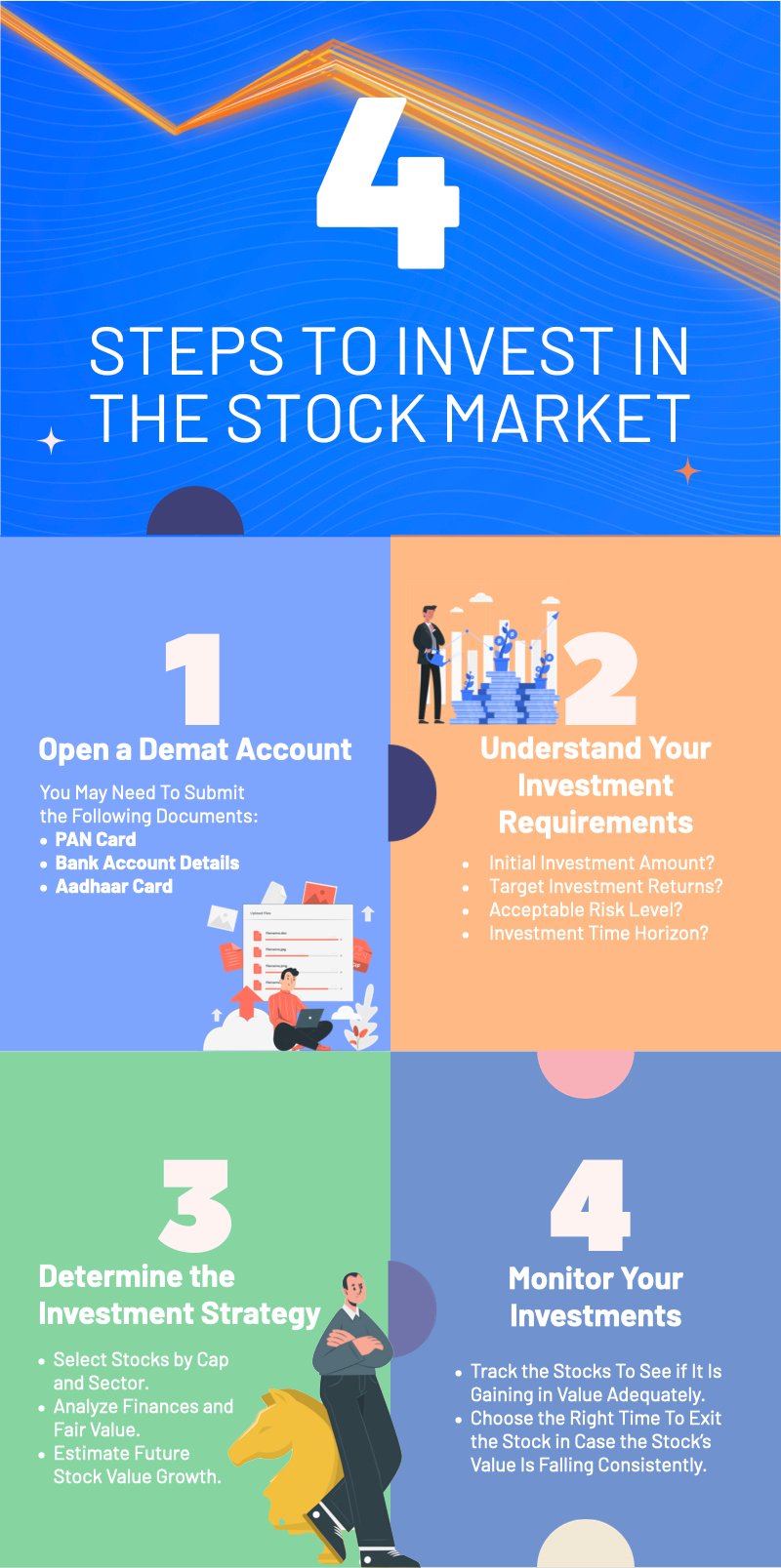
Establishing Your Financial Launchpad
Before you purchase your first share of stock, you must ensure your personal finances are stable enough to handle the inherent risks of the market. Investing is a long-term game, and the last thing you want is to be forced to sell your investments during a market downturn because you lacked a cash cushion.
Assessing Your Debt and Emergency Fund
The first rule of investing is to ensure your “financial house” is in order. High-interest debt, such as credit card balances, often carries interest rates between 15% and 25%. Since the historical average return of the stock market is approximately 10% per year, paying off high-interest debt provides a “guaranteed” return that is significantly higher than what you could expect from the market.
Simultaneously, you should establish an emergency fund. This is a liquid savings account containing three to six months of living expenses. This fund acts as a buffer, ensuring that if you face an unexpected medical bill or job loss, you won’t have to liquidate your stock portfolio at an inopportune time.
Defining Your Goals and Time Horizon
Why are you investing? The answer to this question dictates your entire strategy. If you are 25 and investing for a retirement that is 40 years away, you can afford to be aggressive because you have time to recover from market cycles. However, if you are investing for a down payment on a house you plan to buy in three years, your approach should be much more conservative. Understanding your “time horizon”—the length of time you plan to hold an investment before needing the money—is the most critical factor in determining your risk tolerance.
Choosing the Right Accounts and Platforms
Once your foundation is set, the next step is determining “where” your investments will live. Not all investment accounts are created equal; some offer significant tax advantages that can save you tens of thousands of dollars over several decades.
Tax-Advantaged vs. Taxable Accounts
In the world of personal finance, taxes are one of the biggest “drags” on your total returns. To combat this, governments offer specialized accounts to encourage long-term saving.
- Employer-Sponsored Plans (401(k) or 403(b)): These are often the best place to start, especially if your employer offers a “match.” An employer match is essentially a 100% return on your money before it even hits the market.
- Individual Retirement Accounts (IRA): Both Traditional and Roth IRAs offer tax benefits. A Roth IRA is particularly popular for beginners because you contribute after-tax dollars, and your withdrawals in retirement are completely tax-free.
- Standard Brokerage Accounts: These are taxable accounts. While they don’t offer the tax breaks of an IRA, they provide the most flexibility, allowing you to withdraw your money at any time without age-related penalties.
Selecting a Brokerage Firm
In the digital age, you have a plethora of options for where to open your account. When choosing a brokerage, look for three things: low fees, a user-friendly interface, and educational resources. Many modern brokers have eliminated trading commissions, meaning it costs you nothing to buy or sell stocks. Whether you choose a legacy firm like Fidelity or Charles Schwab, or a mobile-first platform, ensure they are SIPC-insured to protect your assets in the event the brokerage fails.
Developing an Investment Strategy
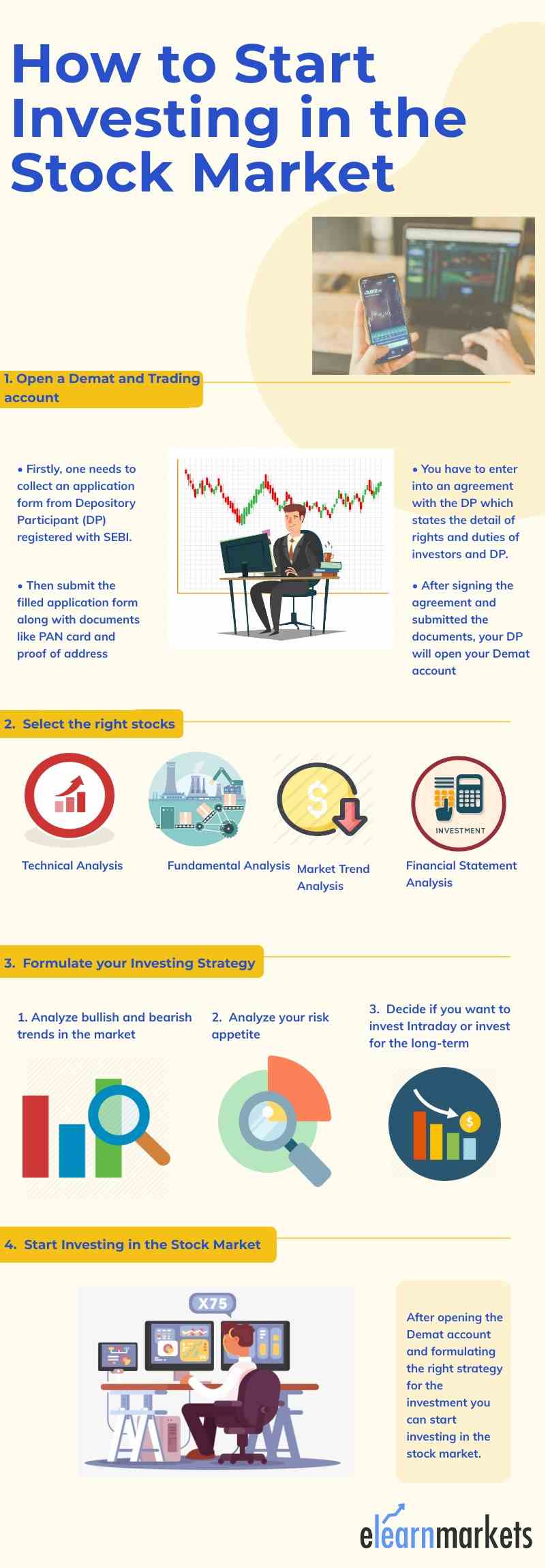
With an account opened, you are now faced with the most daunting task: choosing what to buy. It is a common misconception that you need to find the “next big thing” or pick individual winning stocks to be successful. In fact, for most beginners, the simplest path is often the most profitable.
The Power of Index Funds and ETFs
Instead of trying to find the needle in the haystack, why not buy the whole haystack? An index fund or an Exchange-Traded Fund (ETF) is a basket of hundreds or even thousands of different stocks. For example, an S&P 500 index fund allows you to own a small piece of the 500 largest publicly traded companies in the United States.
This approach provides instant diversification. If one company in the index goes bankrupt, it has a negligible impact on your overall portfolio because the other 499 companies carry the weight. For beginners, low-cost index funds are the “gold standard” of investing because they require minimal maintenance and historically outperform the majority of professional fund managers.
Understanding Asset Allocation and Risk
Asset allocation is the process of dividing your investment portfolio among different asset categories, such as stocks, bonds, and cash. Stocks are generally higher risk but offer higher potential returns. Bonds are more stable but offer lower returns.
A common rule of thumb is the “Rule of 110”: subtract your age from 110 to find the percentage of your portfolio that should be in stocks. If you are 30, you might hold 80% in stocks and 20% in bonds. As you age and move closer to your goal, you gradually shift toward more conservative investments (bonds) to preserve the wealth you’ve built.
Executing Your Plan and Managing Emotions
The final hurdle in getting started is the psychological shift from “saving” to “investing.” The stock market does not move in a straight line; it is a jagged path of peaks and valleys. Success in the market is determined less by your intellect and more by your temperament.
The Strategy of Dollar-Cost Averaging
Many beginners wait for the “perfect time” to buy, fearing they will invest right before a crash. This is known as market timing, and it is a losing game. Instead, successful investors use Dollar-Cost Averaging (DCA).
DCA involves investing a fixed amount of money at regular intervals (e.g., $200 every payday), regardless of whether the market is up or down. When prices are high, your $200 buys fewer shares. When prices are low, your $200 buys more shares. Over time, this lowers your average cost per share and removes the emotional stress of trying to “time” the market.
Maintaining a Long-Term Perspective
The greatest enemy of a beginner investor is the “noise” of the daily news cycle. Financial media thrives on sensationalism, often making every market dip sound like a catastrophe. To succeed, you must cultivate a long-term perspective.
Historically, the stock market has recovered from every single recession, war, and pandemic it has ever faced. Your job is not to react to the headlines, but to stay invested. Rebalance your portfolio once a year to ensure your asset allocation hasn’t drifted too far from your goals, and otherwise, let the power of compounding do the heavy lifting. Compounding is the process where your investment earnings are reinvested to generate their own earnings. Over decades, this effect is exponential, turning modest monthly contributions into a substantial nest egg.
Conclusion
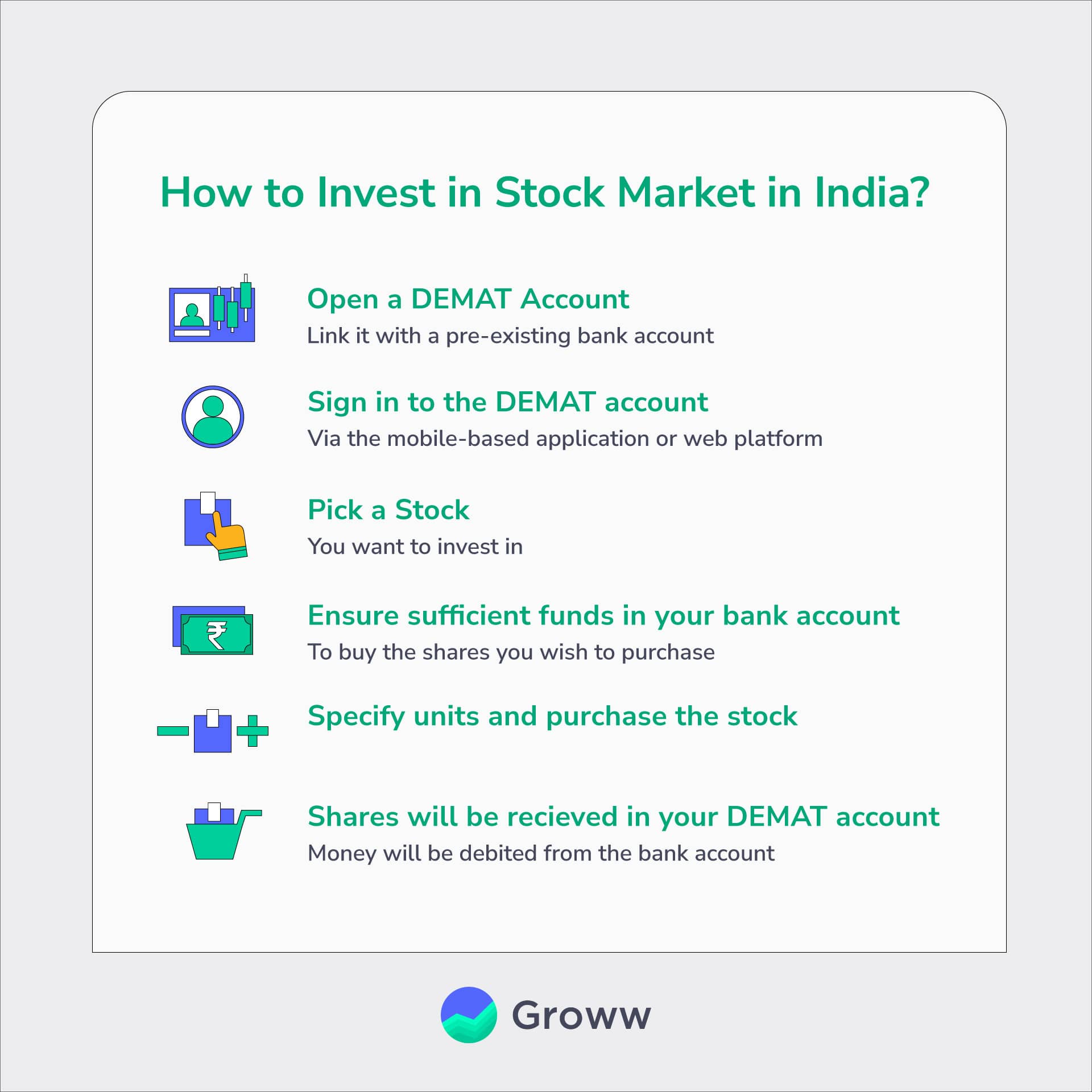
Getting started in the stock market is a marathon, not a sprint. It begins with the discipline to clear your debts and build an emergency fund, continues with the selection of tax-efficient accounts, and flourishes through a simplified strategy of low-cost index funds.
The mechanics of buying a stock are simple—often requiring just a few clicks on a smartphone. The true challenge lies in the discipline to keep going when the market is volatile and the patience to let your investments grow over years and decades. By focusing on what you can control—your savings rate, your fees, and your asset allocation—you can stop worrying about the “how” of investing and start focusing on the “when” of your financial freedom. The best time to start was ten years ago; the second-best time is today.
aViewFromTheCave is a participant in the Amazon Services LLC Associates Program, an affiliate advertising program designed to provide a means for sites to earn advertising fees by advertising and linking to Amazon.com. Amazon, the Amazon logo, AmazonSupply, and the AmazonSupply logo are trademarks of Amazon.com, Inc. or its affiliates. As an Amazon Associate we earn affiliate commissions from qualifying purchases.