
On the surface, creating an Amazon account costs nothing. A few clicks, an email address, and a password, and you’re granted access to a vast digital marketplace, streaming services, and a plethora of other functionalities. Yet, to view an Amazon account as merely “free” is to overlook a complex financial ecosystem with direct costs, hidden values, income-generating potential, and inherent risks. In an increasingly digital economy, understanding the true monetary implications of your Amazon account is crucial for personal finance, business budgeting, and overall financial literacy. This article will delve into the multifaceted financial facets of an Amazon account, moving beyond the zero-dollar sign-up fee to reveal its genuine economic footprint.
The Direct Financial Outlays: What You Pay For
While the initial sign-up is complimentary, an Amazon account quickly evolves into a hub for various financial transactions and recurring expenditures. These direct costs are the most obvious ways an Amazon account impacts your wallet, often subtly encouraging further spending within its vast ecosystem.
Amazon Prime Membership: A Gateway to Accelerated Spending
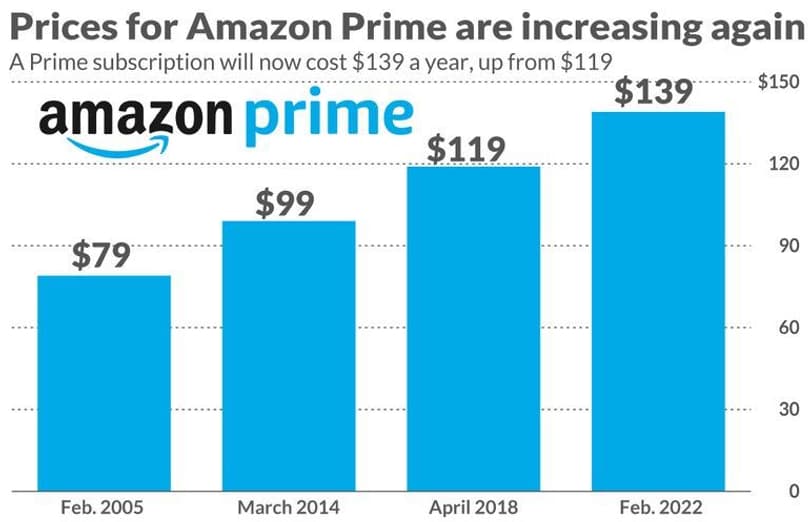
Perhaps the most significant and widely recognized direct cost associated with an Amazon account is the Amazon Prime membership. For an annual or monthly fee, members unlock a suite of benefits, including free expedited shipping, access to Prime Video, Amazon Music Prime, Prime Reading, and exclusive deals. While these perks offer considerable value and convenience, the membership itself is a substantial recurring expense. Furthermore, Prime’s expedited shipping often subtly encourages increased purchasing frequency and volume. The psychological comfort of “free two-day shipping” can lower the barrier to impulse buys, transforming incidental purchases into a regular habit, thus accelerating overall spending within the Amazon platform. Savvy consumers must weigh the explicit cost of Prime against their actual usage and the potential for increased discretionary spending it facilitates.
Digital Content and Subscription Sprawl
Beyond Prime, an Amazon account serves as a central hub for purchasing a wide array of digital content and subscribing to various services, each contributing to your overall expenditure. This can include Kindle eBooks, Audible audiobooks, Amazon Music Unlimited subscriptions, and a myriad of channels accessible through Prime Video (e.g., HBO, Showtime, Starz). Each digital purchase or recurring subscription, while perhaps individually modest, collectively contributes to a phenomenon known as “subscription sprawl.” Without diligent tracking, these costs can accumulate into a significant monthly or annual outlay, quietly eroding your budget. The ease of one-click purchasing and auto-renewal mechanisms within the Amazon ecosystem means these expenses can persist unnoticed, making regular audits essential for financial oversight.
Transaction Fees and Marketplace Charges
While Amazon itself doesn’t charge a “transaction fee” for buying products, various indirect costs contribute to the total amount you spend. For non-Prime members, shipping fees can significantly add to the cost of an item. Sales tax, mandated by various jurisdictions, is also added at checkout. Moreover, when engaging with Amazon’s marketplace, especially regarding returns or specific third-party seller policies, there might be return shipping fees or restocking charges depending on the item and seller. While these aren’t directly linked to the account itself, they are direct financial outlays incurred through the account, and understanding them is crucial for a complete picture of your Amazon-related spending. They underscore the need to review the final cart total carefully, rather than just the item price, to comprehend the full financial commitment.
The Hidden Monetary Value and Savings Potential
Beyond the explicit costs, an Amazon account also harbors considerable hidden monetary value and offers various avenues for strategic savings, especially for financially savvy users. This intrinsic value, though not always reflected in a direct dollar amount, can significantly impact personal and business finances.
Leveraging Purchase History for Budgeting and Financial Planning
Your Amazon account meticulously records every purchase you’ve ever made, creating a detailed historical ledger of your spending habits. This seemingly mundane data holds significant monetary value for budgeting and financial planning. By regularly reviewing your order history, you can identify spending patterns, track recurring expenses, and uncover areas where you might be overspending. This data can be invaluable for creating realistic budgets, setting financial goals, and even for tax purposes, particularly if you purchase business-related items. Furthermore, the ability to quickly access past purchases aids in warranty claims, tracking product lifecycles, and making informed decisions about future purchases, effectively reducing the risk of redundant spending or poor investment choices.
Digital Asset Library: Long-Term Savings and Accessibility
For many, an Amazon account isn’t just a place to buy physical goods; it’s a repository for a vast digital asset library. This includes purchased Kindle eBooks, Audible audiobooks, digital movie and TV show licenses, and even app purchases. The cumulative value of these digital assets can be substantial. Owning digital content means you have long-term access without needing physical storage, and it eliminates the need to repurchase content you already own. While the initial purchase is a cost, the enduring access and convenience they provide represent a long-term financial benefit, ensuring your entertainment and information resources remain readily available and reducing future outlays on similar content. This digital legacy, while not liquid, undeniably holds intrinsic financial value in terms of access and utility.
Strategic Savings Through Amazon’s Ecosystem
For those who understand how to navigate it, the Amazon ecosystem offers numerous opportunities for strategic financial savings. Beyond the obvious discounts of Prime Day or Black Friday, an Amazon account can be leveraged for continuous savings. This includes utilizing Amazon-branded credit cards which offer cashback or rewards points on purchases, taking advantage of subscribe-and-save options for frequently purchased consumables, and price tracking tools that alert you to drops in desired item costs. Moreover, features like Amazon Warehouse Deals for open-box or used items, and coupon clipping directly on product pages, allow savvy shoppers to reduce their expenditures significantly. The strategic use of these features transforms the Amazon account from a mere spending platform into a tool for active financial management and cost reduction.
Amazon as a Platform for Income Generation and Business Finance
Far from just being a place to spend money, an Amazon account, particularly in its more advanced forms, can be a powerful engine for income generation and a vital tool for business financial management. It opens doors for entrepreneurs, content creators, and businesses to tap into Amazon’s massive customer base.
Earning Passive Income: Affiliate Marketing
One of the most accessible ways to generate income through an Amazon account is via the Amazon Associates program, its affiliate marketing initiative. Individuals can sign up for free and earn commissions by referring customers to Amazon products. When a visitor clicks on a unique Amazon affiliate link from a website, blog, or social media post and makes a qualifying purchase, the associate earns a percentage of the sale. This represents a significant opportunity for passive income, allowing content creators, influencers, and website owners to monetize their platforms by recommending products they already use and trust. The earnings, while variable, can accumulate significantly, transforming a simple consumer account into a revenue stream.

Direct Sales and Entrepreneurship: Seller Central
For aspiring entrepreneurs and established businesses alike, an Amazon account can be transformed into a thriving e-commerce store through Amazon Seller Central. This platform allows individuals and companies to sell their products directly to Amazon’s vast customer base. While there are associated costs, such as monthly subscription fees for professional sellers, referral fees (a percentage of each sale), and Fulfillment by Amazon (FBA) fees for storage and shipping services, the income generation potential is immense. Selling on Amazon provides access to millions of potential customers, often without the need to build a separate e-commerce website. For many small and medium-sized businesses, the financial returns from direct sales on Amazon represent their primary source of revenue, turning their account into a full-fledged business operation.
Amazon Business Accounts: Streamlining Corporate Spending
Amazon also caters to the financial needs of businesses through Amazon Business accounts. These accounts, often linked to a primary Amazon account, offer a suite of features designed to streamline corporate purchasing and financial management. Benefits include multi-user accounts, tax-exempt purchases, business-only pricing, quantity discounts, and detailed spending analytics. For businesses, an Amazon Business account is a powerful financial tool that helps control costs, simplify procurement processes, and improve financial visibility. It allows for consolidated invoicing, payment solutions, and integration with existing accounting software, significantly enhancing efficiency and reducing the administrative burden associated with business expenditures. This transforms the account into an indispensable asset for operational finance.
The Financial Risks and Liabilities Associated with an Account
While an Amazon account offers convenience and opportunities, it also presents several financial risks and liabilities that users must be aware of. Neglecting these aspects can lead to significant monetary losses, compromised personal finance, and even identity theft.
Account Security Breaches: The Cost of Compromise
One of the most severe financial risks associated with any online account, including Amazon, is a security breach. If an unauthorized individual gains access to your account, they can make fraudulent purchases, access linked payment methods, or even steal personal information. The direct cost can be immediate financial loss from unauthorized transactions, which might not always be fully recovered. Beyond that, a breach can lead to identity theft, necessitating time-consuming and costly efforts to restore financial integrity. For sellers, a compromised account can mean fraudulent listings, reputational damage, and a loss of income. Implementing strong, unique passwords and enabling two-factor authentication (2FA) are not just security measures; they are critical financial protections.
Subscription Creep and Financial Oversight
The convenience of one-click subscriptions within the Amazon ecosystem can lead to a phenomenon known as “subscription creep.” Users might sign up for various digital services (e.g., Prime Video channels, Kindle Unlimited, Audible subscriptions) and then forget about them, allowing recurring charges to accumulate unnoticed. This lack of financial oversight can quietly drain funds from bank accounts or credit cards for services that are no longer used or needed. The cumulative cost of these forgotten subscriptions over months or years can amount to a substantial, unnecessary expense. Regularly auditing your “Memberships & Subscriptions” page on Amazon is a vital financial hygiene practice to identify and cancel services that no longer provide sufficient value.
Data Monetization and Privacy Concerns: An Indirect Cost?
While Amazon doesn’t directly charge users for the collection and analysis of their data, there’s an argument to be made that data monetization represents an indirect financial cost or a value extracted from users. Amazon collects vast amounts of information about your purchasing habits, browsing history, and preferences. This data is incredibly valuable, allowing Amazon to provide highly targeted advertising and personalized product recommendations. While this can enhance the shopping experience, it also means Amazon is leveraging your personal information for its own financial gain. Furthermore, highly targeted advertising, while convenient, can also subtly encourage more spending, nudging users towards purchases they might not have otherwise considered, thus indirectly impacting their financial decisions.
Optimizing Your Amazon Account for Financial Health
To truly understand and leverage the financial aspects of an Amazon account, proactive management is key. By adopting strategic approaches, users can maximize its value, minimize unnecessary costs, and secure their financial well-being within the ecosystem.
Regular Financial Audits: Cutting Unnecessary Expenses
Just as you would audit a traditional bank statement, a regular review of your Amazon account’s financial activity is crucial. This involves meticulously checking your order history for unrecognized transactions, reviewing your “Memberships & Subscriptions” for active but unused services, and scrutinizing your digital content purchases. Identifying and canceling forgotten subscriptions or disputing unauthorized charges can lead to immediate and significant savings. Additionally, analyzing past spending patterns can help you make more informed purchasing decisions in the future, preventing impulse buys and aligning your expenditures with your financial goals. An Amazon account audit is a powerful tool for maintaining control over your digital finances.
Smart Spending Strategies: Maximizing Value and Minimizing Outlay
Beyond simply cutting costs, optimizing your Amazon account for financial health involves smart spending strategies. This means actively seeking out and utilizing deals, coupons, and promotional offers. Price tracking tools can monitor items you wish to purchase, alerting you when they drop to a desired price point. Leveraging Amazon’s rewards programs, such as credit cards that offer cashback on Amazon purchases, can turn everyday spending into savings. For recurring purchases, the “Subscribe & Save” option can offer significant discounts. Furthermore, consider alternatives like Amazon Warehouse Deals for refurbished or open-box items to acquire products at a lower cost. These conscious efforts transform your Amazon account from a mere portal for transactions into a savvy financial instrument.
Securing Your Financial Footprint: Proactive Account Management
Protecting your Amazon account is paramount to safeguarding your financial health. This goes beyond just having a strong password. Enable two-factor authentication (2FA) to add an extra layer of security, making it significantly harder for unauthorized individuals to access your account. Regularly monitor your associated email for unusual activity or purchase notifications. Be wary of phishing attempts that try to trick you into revealing your login credentials. If you link payment methods, ensure they are secured and regularly check your bank and credit card statements for any unauthorized Amazon charges. Proactive security measures are not just about protecting your data; they are about preventing direct financial losses and preserving your financial integrity against digital threats.

Conclusion
An Amazon account, while free to create, carries a dynamic and multifaceted monetary value far beyond its initial zero-dollar cost. It is a complex financial ecosystem encompassing direct expenses like Prime memberships and digital content, hidden values in its data and savings opportunities, significant potential for income generation through selling or affiliate marketing, and undeniable financial risks from security breaches and subscription sprawl. Understanding these various dimensions empowers users to transcend passive consumption and become active managers of their digital finances. By conducting regular audits, employing smart spending strategies, and prioritizing security, individuals and businesses can optimize their Amazon account to contribute positively to their overall financial health, proving that its true cost and value are determined by how consciously and strategically it is managed.
aViewFromTheCave is a participant in the Amazon Services LLC Associates Program, an affiliate advertising program designed to provide a means for sites to earn advertising fees by advertising and linking to Amazon.com. Amazon, the Amazon logo, AmazonSupply, and the AmazonSupply logo are trademarks of Amazon.com, Inc. or its affiliates. As an Amazon Associate we earn affiliate commissions from qualifying purchases.