
In today’s digital economy, subscriptions have become a ubiquitous part of our daily lives, and Amazon Prime stands as one of the most prominent. Offering a sprawling ecosystem of benefits from expedited shipping to exclusive entertainment, understanding the annual cost of Amazon Prime is more than just knowing a number; it’s about evaluating a significant financial commitment. For many, Prime is an indispensable convenience; for others, it’s an annual outlay requiring careful consideration. This guide delves into the financial intricacies of an Amazon Prime membership, helping you assess its true value and make an informed budgeting decision.
Understanding Amazon Prime’s Annual Investment
The fundamental question – “How much is Amazon Prime for the year?” – has a straightforward answer, yet its implications extend far beyond the sticker price. This section breaks down the direct costs and the various factors that influence them.
The Current Annual Membership Fee
As of the latest information, the standard annual cost for an Amazon Prime membership in the United States is $139. This one-time yearly payment unlocks all the core benefits associated with Prime, offering a discount compared to opting for the monthly payment plan. While the annual fee provides a clear financial benchmark, it’s crucial to acknowledge that prices can vary by region and are subject to Amazon’s periodic adjustments. Historically, Amazon has increased the Prime membership fee several times since its inception, reflecting expansions in its service offerings and broader economic factors.
Factors Influencing Prime’s Pricing
Amazon’s pricing strategy for Prime is not static; it’s a dynamic response to a multitude of internal and external pressures. Understanding these factors can help subscribers anticipate potential future changes and better gauge the value proposition.
- Service Expansion and Innovation: The most significant driver of price adjustments is the continuous expansion of Prime’s benefits. What began primarily as a shipping service has blossomed into a comprehensive suite including video streaming, music, gaming, reading, grocery discounts, and more. Each new feature or enhancement adds to the operational cost for Amazon, which is often reflected in membership fees.
- Operational Costs and Logistics: The backbone of Prime, particularly its expedited shipping, relies on a vast and complex logistical network. Fuel costs, labor wages, warehouse operations, and technological investments in supply chain management all contribute to the overhead. As these costs fluctuate, Amazon must adjust its pricing to maintain profitability.
- Inflation and Economic Climate: Broader economic trends, especially inflation, play a crucial role. Like any business, Amazon faces increasing costs for goods, services, and labor. Membership fee adjustments often align with prevailing inflationary pressures to preserve real revenue.
- Market Competition and Value Perception: Amazon operates in a highly competitive landscape, not just in e-commerce but also in streaming, logistics, and digital services. The pricing of Prime is strategically set to remain competitive against rival loyalty programs (e.g., Walmart+, Target Circle) and standalone services (e.g., Netflix, Spotify) while reinforcing its perceived value to consumers.
Comparing Annual vs. Monthly Payment Structures
While the focus here is on the annual cost, it’s important to briefly consider the monthly payment option from a financial perspective. The standard monthly Prime membership fee is $14.99.
- Monthly Cost: $14.99/month * 12 months = $179.88 per year.
- Annual Saving: By paying annually, members save approximately $40.88 per year ($179.88 – $139). This represents a direct financial incentive to commit to a full year, assuming consistent usage. From a financial planning standpoint, if you are a regular Amazon shopper and utilize Prime benefits frequently, the annual payment offers a clear cost advantage. However, the monthly option provides flexibility for those who might only need Prime for specific periods (e.g., holiday shopping, temporary access to a particular show) or prefer smaller, more manageable payments in their budget, even if it comes at a higher overall cost.
Deciphering the Value Proposition: Is Prime Worth the Annual Cost?
Knowing the annual fee is merely the first step. The critical financial decision lies in evaluating whether the $139 investment yields a positive return for your personal finances. This involves a thorough examination of the benefits and their quantifiable savings.
Core Benefits with Financial Implications
Each Prime benefit, when utilized, can translate into tangible financial savings or offer a value equivalent to what you might pay for separate services.
- Free Two-Day (and Faster) Shipping: This is often the primary driver for membership. For frequent online shoppers, eliminating individual shipping fees, which can range from $5 to $15 per order, quickly adds up. If you place just 10-15 orders a year that would otherwise incur shipping costs, Prime’s shipping benefit alone can justify a significant portion of the annual fee. Beyond direct savings, there’s the intangible value of convenience and time saved by not needing to consolidate orders or wait longer.
- Prime Video: A vast library of movies, TV shows, and Amazon Originals. If you would otherwise subscribe to a standalone streaming service (e.g., Netflix, Hulu, HBO Max) that costs $10-$20 per month, Prime Video offers substantial savings, essentially bundling entertainment at no additional cost beyond the membership.
- Prime Music: Access to millions of songs and ad-free listening. Compared to premium music streaming services like Spotify Premium or Apple Music (typically $9.99-$10.99/month), Prime Music provides a similar utility without an extra charge, again contributing to potential savings.
- Prime Reading/First Reads: Access to a rotating selection of ebooks, magazines, and comics, plus a free pre-release Kindle book each month. For avid readers, this can represent savings on book purchases, which can range from $5 to $20 per title.
- Whole Foods Market Discounts: Exclusive discounts and 5% back on select purchases for Prime members at Whole Foods. For regular Whole Foods shoppers, these discounts can translate into significant grocery savings over the year, directly offsetting a portion of the Prime fee.
- Prime Gaming (Twitch Prime): Free games, in-game content, and a free monthly Twitch channel subscription. For gamers, this can be equivalent to saving money on game purchases or subscriptions they might otherwise make.
- Exclusive Deals & Early Access: Access to special discounts, particularly during events like Prime Day, and early access to Lightning Deals. Savvy shoppers can leverage these opportunities to save money on purchases they would have made anyway, provided they avoid impulse buys driven solely by the “deal.”
Quantifying Potential Savings: A Financial Analysis Framework
To truly assess if Prime is financially beneficial, a personal audit is necessary.
- Estimate your annual shipping costs without Prime: How many times would you pay for shipping?
- Evaluate your entertainment budget: Do you subscribe to other streaming services? Would Prime Video/Music replace them or provide enough value to forego others?
- Consider other lifestyle benefits: How often do you shop at Whole Foods? Do you buy books or games?
- Track your actual savings: Over a month or two, consciously note how much you save directly through Prime benefits (e.g., “saved $7.99 shipping on this order,” “this movie would have cost $4.99 to rent”).
By aggregating these potential savings, you can compare them directly to the $139 annual fee. If your estimated annual savings consistently exceed this amount, Prime represents a financially sound decision.
The Intangible Benefits (and their hidden financial value)
Beyond direct monetary savings, Prime offers several intangible benefits that, while harder to quantify, hold significant value for personal finances and well-being.
- Convenience: The ease of ordering and rapid delivery saves time, which has an inherent monetary value. Less time spent shopping in brick-and-mortar stores or searching for deals elsewhere means more time for work, family, or leisure.
- Peace of Mind: Knowing that essential items can arrive quickly, especially in an emergency, can reduce stress.
- Access to a Wider Selection: Prime often facilitates access to a broader range of products, potentially allowing you to find better value or niche items that might be unavailable locally.
These “soft” benefits, while not showing up as line items in a budget, contribute to overall life quality and efficiency, indirectly impacting your financial equilibrium by optimizing your time and reducing hidden costs associated with inconvenience.
Strategic Financial Considerations for Prime Membership
Making an informed decision about an Amazon Prime membership extends beyond a simple cost-benefit analysis. It involves integrating the cost into your personal finance strategy and exploring options to optimize its value.
Budgeting for Amazon Prime

The $139 annual fee, while a single payment, should be factored into your yearly budget. For some, it’s a planned expense, perhaps earmarked in a “subscriptions” or “entertainment” category. For others, it might feel like a lump sum that strains monthly cash flow. If paying the full annual amount upfront is challenging, consider setting aside a small amount each month (e.g., $11.58) into a dedicated savings account so the funds are ready when the renewal date arrives. This proactive budgeting prevents the unexpected “hit” to your finances and ensures the expense aligns with your broader financial goals.
Exploring Discounted Prime Options
Amazon recognizes that not all customers have the same financial capacity and offers several discounted Prime options, which are crucial for budgeting:
- EBT/Medicaid Recipients: Individuals with qualifying government assistance benefits (e.g., EBT, Medicaid) can often get a Prime membership for a significantly reduced monthly rate, typically around $6.99. This is a substantial financial saving, making Prime more accessible.
- Student Discounts: Students enrolled in higher education institutions can usually access Prime Student, which offers a free six-month trial followed by a reduced annual fee (historically around $69/year). This is an excellent financial boon for students, providing all the core benefits at half the standard price.
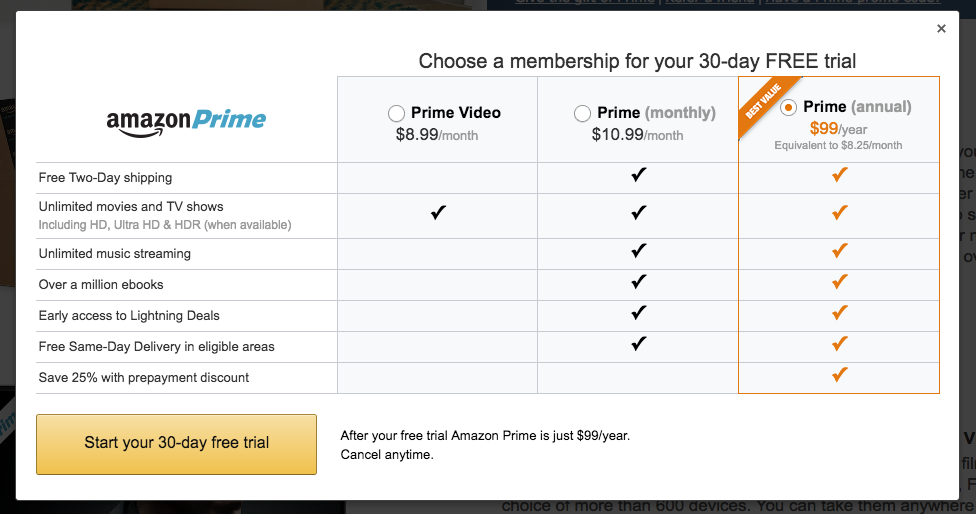
- Free Trials: Amazon frequently offers 30-day free trials for new members. This is a financially savvy way to test the waters, explore the benefits, and determine if your usage habits justify the annual cost without any upfront commitment. Remember to set a reminder to cancel before the trial ends if you decide it’s not for you.
Maximizing Your Prime Membership’s Financial Return
To ensure you’re getting your $139 worth, actively utilize the full spectrum of Prime benefits:
- Consolidate Purchases: Try to make all your eligible online purchases through Amazon to leverage the free shipping.
- Explore All Digital Benefits: Regularly check Prime Video, Prime Music, and Prime Reading to see if there’s content you’d enjoy, potentially reducing your need for other paid services.
- Shop Smart on Prime Day: If you have planned purchases, strategically wait for Prime Day or other exclusive Prime deals to make them, but avoid buying unnecessary items just because they’re on sale.
- Utilize Whole Foods Discounts: If Whole Foods is a regular grocery stop, make sure you link your Prime account and take advantage of the exclusive savings.
- Share Benefits (Household): Prime allows household members to share certain benefits, maximizing the value for a family under a single subscription.
When to Reconsider Your Prime Investment
While Prime offers immense value for many, it’s not a universal solution. You should reconsider your Prime investment if:
- Infrequent Usage: You rarely shop on Amazon or use any of the digital benefits. The occasional shipping fee might be cheaper than the annual subscription.
- Duplicate Services: You already pay for separate streaming services that fulfill your entertainment needs, making Prime Video or Music redundant.
- Budget Constraints: The $139 annual fee represents a significant strain on your budget that could be better allocated to essential needs or higher-priority financial goals.
- Alternative Options: You find better deals or faster shipping from other retailers without needing a subscription.
Alternatives and Comparisons: Financial Perspectives Beyond Prime
To fully contextualize the financial investment in Amazon Prime, it’s beneficial to compare it against other options. This comparative analysis aids in understanding the broader landscape of consumer services and loyalty programs.
Evaluating Standalone Services vs. Prime Bundle
One of Prime’s strongest financial arguments is its bundled nature. Consider the costs if you were to subscribe to comparable standalone services:
- Shipping: Imagine paying $5-$10 per order for delivery.
- Streaming Video: Netflix, Hulu, HBO Max average $10-$20/month.
- Music Streaming: Spotify Premium, Apple Music average $10-$11/month.
- Digital Books/Gaming: Potentially another $5-$15/month for similar benefits.
Cumulatively, subscribing to individual services that offer similar benefits could easily exceed $50-$60 per month, or $600-$720 per year. From this perspective, the $139 annual Prime fee appears to be an exceptional financial bargain, provided you genuinely utilize a significant portion of these bundled services. The financial efficiency of the bundle is a key differentiator.
Other Retailer Loyalty Programs
Amazon Prime isn’t the only player in the loyalty program space. Many retailers offer their own versions, each with distinct financial implications:
- Walmart+: Often considered Prime’s closest competitor, Walmart+ offers free shipping (no minimum), free grocery delivery, and fuel discounts for a lower annual fee (currently $98/year). For frequent Walmart shoppers or those prioritizing grocery delivery, Walmart+ might offer superior financial value.
- Target Circle: While not a paid subscription, Target Circle offers various discounts and rewards, providing financial benefits without an upfront cost.
- Other Store Cards/Loyalty Programs: Many individual retailers offer loyalty programs, often free, that provide discounts or cashback.
A financial comparison should assess which program aligns best with your primary shopping habits. If Amazon isn’t your dominant online shopping destination, a different loyalty program might yield a better financial return for you.
The Cost of Convenience: A Broader Financial View
Ultimately, Amazon Prime is a premium convenience service. The $139 annual fee is, in essence, payment for a frictionless consumer experience. From a financial viewpoint, the question isn’t just “Can I afford it?” but “Is this convenience worth the cost to me?” For some, the time saved, the immediate gratification of quick delivery, and the entertainment bundle are priceless, offering a return on investment that goes beyond mere dollars and cents. For others, the environmental impact of frequent deliveries, the potential for impulse purchases encouraged by ease of shopping, or the feeling of being “locked in” might detract from its perceived value, leading them to conclude that the cost of convenience is too high for their personal financial philosophy.
Future Outlook on Prime’s Annual Cost and Value
The journey of Amazon Prime’s pricing and feature set is one of continuous evolution. Understanding historical trends and Amazon’s strategic direction can help members anticipate future financial considerations.
Historical Price Changes and Future Projections
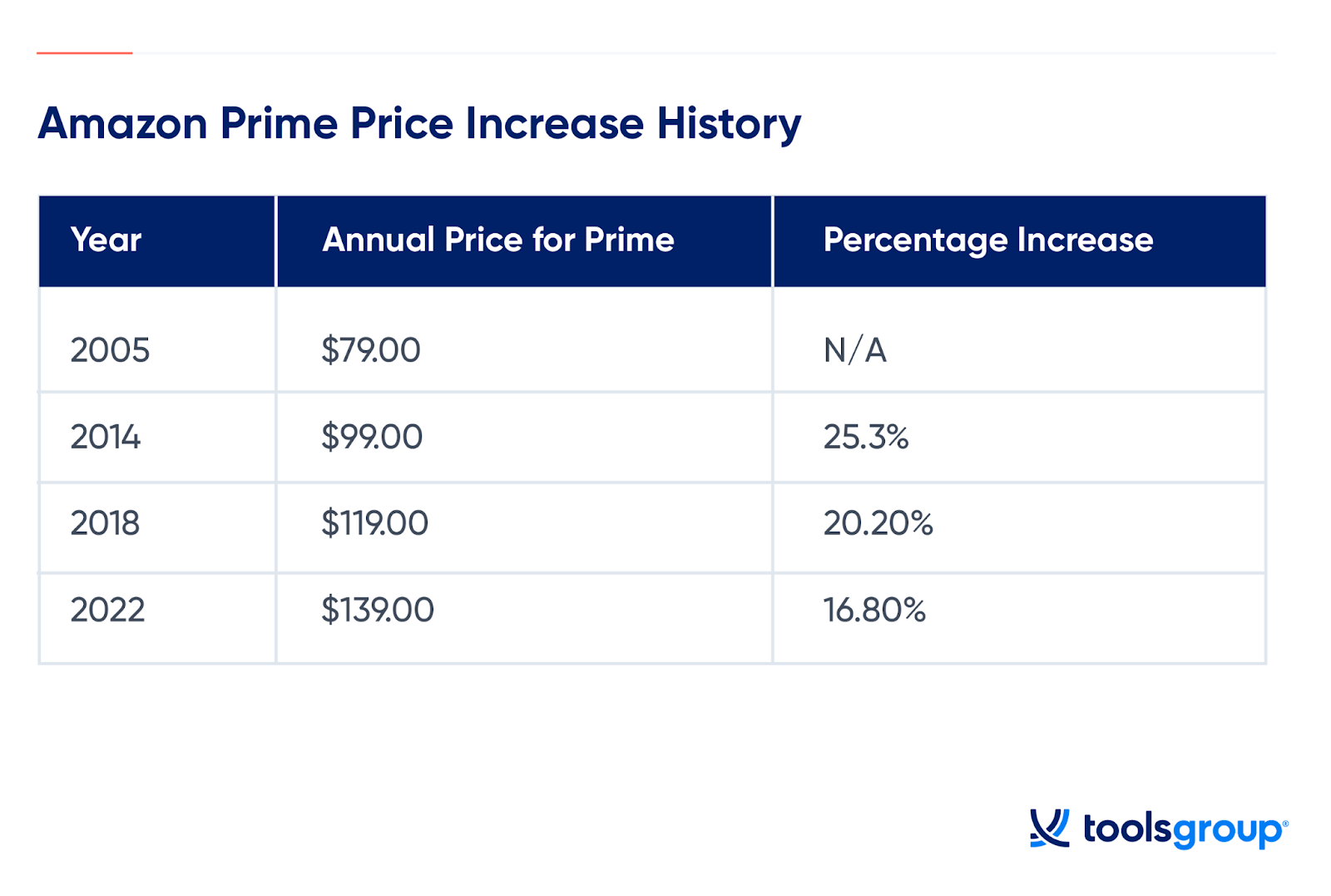
Since its launch, Amazon Prime’s annual fee has seen several increases. Initially priced at $79, it rose to $99, then to $119, and most recently to $139. These increases have always been accompanied by, or justified by, an expansion of benefits. While no one can predict the future definitively, it’s reasonable to expect that as Amazon continues to innovate and expand its logistical network and digital content offerings, future price adjustments are probable. Subscribers should budget for the possibility of incremental increases over time.
Amazon’s Evolving Strategy and Its Financial Impact
Amazon’s strategy is consistently geared towards making Prime more integral to daily life. Future additions might include enhanced grocery delivery options, new streaming content, expanded health-related services, or even deeper integrations with smart home devices. Each new feature, while adding value, also represents a potential justification for future price hikes. From a financial perspective, members will need to continually re-evaluate if the expanding suite of services aligns with their needs and justifies any increased annual investment.
Making an Informed Financial Decision
Deciding whether Amazon Prime’s annual cost is worth it is a highly personal financial choice. It requires a pragmatic assessment of your consumption habits, a careful calculation of potential savings, and an honest evaluation of the value you place on convenience and digital entertainment. By understanding the $139 annual fee, exploring available discounts, and regularly auditing your usage against the benefits, you can ensure that your Amazon Prime membership remains a financially smart investment that truly enhances your personal economy. Remember, the goal is not just to subscribe, but to subscribe wisely, ensuring every dollar spent brings commensurate value back into your financial life.
aViewFromTheCave is a participant in the Amazon Services LLC Associates Program, an affiliate advertising program designed to provide a means for sites to earn advertising fees by advertising and linking to Amazon.com. Amazon, the Amazon logo, AmazonSupply, and the AmazonSupply logo are trademarks of Amazon.com, Inc. or its affiliates. As an Amazon Associate we earn affiliate commissions from qualifying purchases.