
In the modern digital economy, the subscription model has become the bedrock of consumer spending. Among the myriad of services vying for a place in the average household budget, few are as ubiquitous as Amazon Prime. As of 2024, the primary question for many disciplined savers and household CFOs is no longer just “what does it provide,” but specifically: How much is Amazon Prime a year, and does the mathematical ROI justify the outgoing capital?
For the personal finance-conscious consumer, a subscription is not merely a convenience; it is an annual investment. To determine if Amazon Prime deserves a slot in your financial plan, one must look beyond the surface-level fee and analyze the tiered pricing structures, the hidden cost-saving benefits, and the potential for “lifestyle creep” that often accompanies frictionless commerce.
The Current Cost Structure: Breaking Down the Annual vs. Monthly Investment
Understanding the baseline cost of Amazon Prime is the first step in any budgetary audit. Since its inception, the price of Prime has undergone several inflationary adjustments, reflecting the rising costs of logistics, labor, and content acquisition.
The Standard Annual Membership
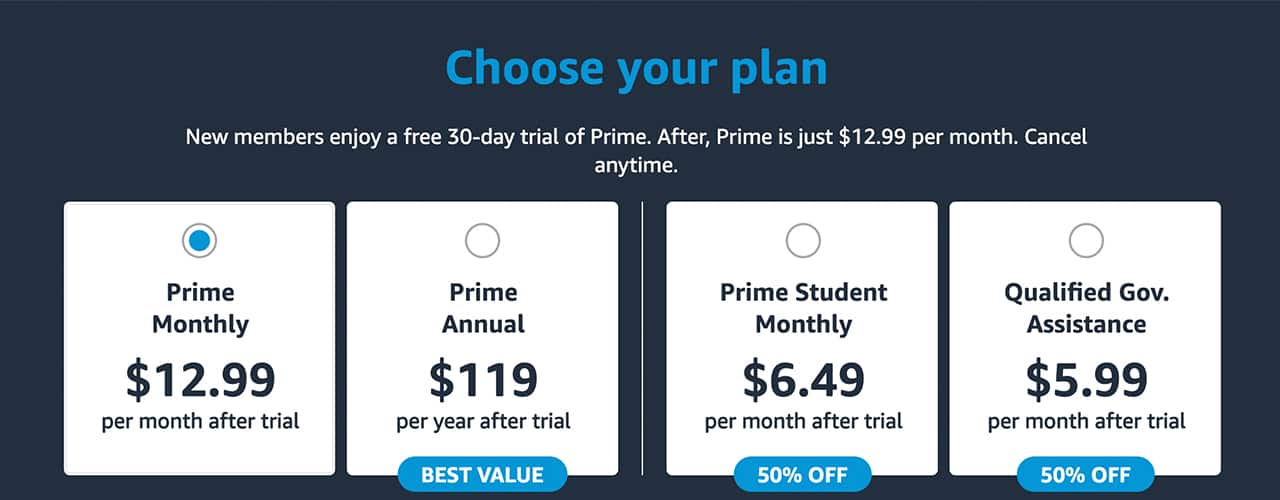
For the majority of consumers in the United States, the standard annual membership fee for Amazon Prime is $139 per year. When paid upfront, this represents the most cost-effective way to access the suite of services. From a cash-flow perspective, an annual payment requires a larger one-time disbursement, but it serves as a “set it and forget it” strategy that prevents monthly fluctuations in your bank statement.
Monthly vs. Yearly: Calculating the “Convenience Tax”
Amazon also offers a monthly payment plan at $14.99 per month. While this is more palatable for those managing tight month-to-month liquidity, the financial math reveals a significant “convenience tax.” Over twelve months, the monthly plan totals approximately $179.88.
By opting for the annual plan of $139, consumers save roughly $40 per year—a nearly 23% discount. In the world of personal finance, a 23% guaranteed return on investment is nearly impossible to find in traditional markets, making the annual commitment a superior choice for anyone certain they will use the service for a full year.
Specialized Tiers: Student and Government Assistance Discounts
Amazon utilizes a tiered pricing strategy to capture different demographic segments.
- Prime Student: Currently priced at $7.49 per month or $69 per year, this tier is designed for those in higher education. It offers a 50% discount compared to the standard rate, acknowledging the lower discretionary income of students while building long-term brand loyalty.
- Prime Access: For individuals receiving qualifying government assistance (such as SNAP or EBT), the cost is reduced to $6.99 per month. This initiative ensures that the logistical benefits of Prime are accessible to those for whom traditional retail travel might be a financial or physical burden.
Beyond the Price Tag: Quantifying the ROI of a Prime Subscription
To truly answer whether the $139 annual fee is “worth it,” one must perform a cost-benefit analysis. A membership is only a net positive if the value of the services utilized exceeds the annual cost of the subscription.
Shipping Savings: The Logistics of Personal Finance
The flagship benefit of Amazon Prime remains its expedited shipping. For a household that relies heavily on e-commerce, the savings on shipping fees can be substantial. If the average non-Prime shipping cost is $5.99 to $9.99 per order, a consumer only needs to place 15 to 24 orders per year to “break even” on the membership fee through shipping savings alone. For families or small business owners who order weekly, the shipping benefits essentially pay for the membership within the first quarter.
The Hidden Value of Digital Services (Prime Video, Music, Reading)
From a budgetary optimization standpoint, Amazon Prime can serve as a “bundle” that replaces other standalone subscriptions.
- Streaming Video: If a Prime Video subscription replaces a $15/month Netflix plan, the annual savings is $180.
- Music and Books: Prime Music and Prime Reading can potentially offset costs for Spotify or Kindle Unlimited, adding another $120–$200 in annual value.
- Cloud Storage: Prime Photos offers unlimited full-resolution photo storage, which may eliminate the need for paid tiers of Google One or iCloud.
When viewed as a comprehensive digital media package, the $139 annual fee often represents a consolidation of services that would cost over $400 if purchased individually.
Exclusive Access: Prime Day and Financial Windfalls
Amazon’s annual “Prime Day” events offer deep discounts on essential household items, electronics, and pantry staples. For the strategic shopper, timing major purchases (like kitchen appliances or tech upgrades) to coincide with these events can result in hundreds of dollars in savings, effectively subsidizing the cost of the membership for several years.
Strategic Subscription Management: Is Amazon Prime Still a Sound Financial Decision?
While the benefits are numerous, the professional approach to personal finance requires an honest look at the “hidden costs” of a Prime membership. A subscription is only an asset if it doesn’t lead to liabilities.
Analyzing the Frequency of Use
The “sunk cost fallacy” often traps consumers into maintaining subscriptions they don’t use. To audit your Prime usage, review your order history from the past 12 months. If you placed fewer than 10 orders and rarely utilize the streaming services, the $139 is a leak in your budget that should be plugged.
The “Lifestyle Creep” Factor: Does Prime Encourage Overspending?
One of the most significant financial risks of Amazon Prime is the psychological effect of “free” and “fast” shipping. Studies in consumer behavior suggest that the frictionless nature of one-click ordering leads to increased impulse spending. When the barrier to purchase is removed, consumers often buy items they don’t need simply because the shipping is perceived as “free.” To maintain financial discipline, Prime members must be vigilant about differentiating between “saving money on a purchase” and “spending money they wouldn’t have spent otherwise.”
Comparing Alternatives in the Subscription Economy
In recent years, competitors like Walmart+ ($98/year) and Target 360 have entered the fray. Walmart+, for instance, includes fuel discounts and Paramount+, which might offer a better ROI for individuals who drive frequently or prefer different streaming content. A savvy financial manager should compare these ecosystems annually to ensure they are getting the best value for their specific lifestyle.
Future-Proofing Your Budget: Navigating Price Hikes and Inflation
As we look toward the future, the cost of Amazon Prime is unlikely to remain stagnant. Managing this recurring expense requires a proactive financial strategy.
Historical Price Trends of Amazon Prime
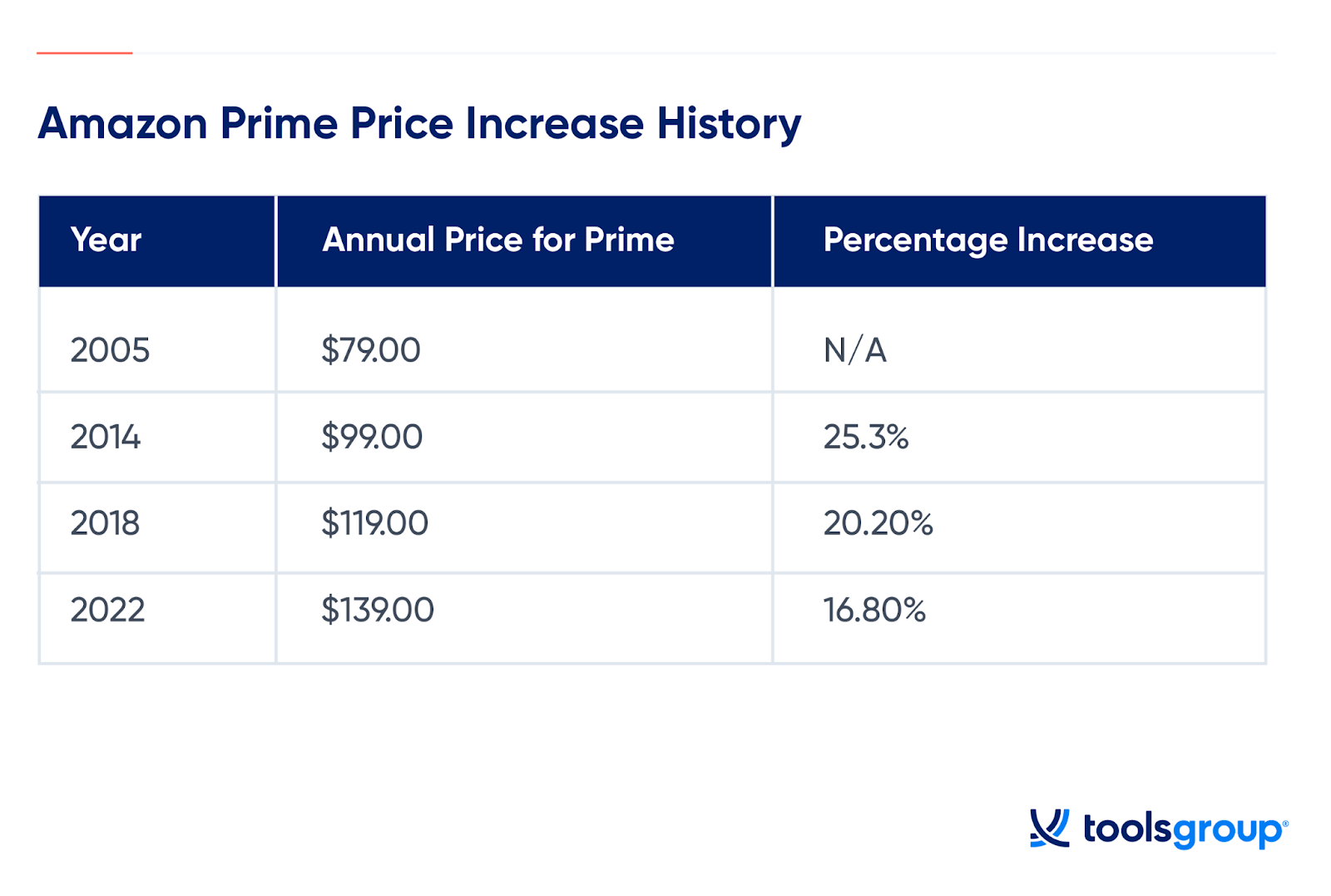
Since its launch in 2005 at $79, the price of Prime has climbed steadily: to $99 in 2014, $119 in 2018, and $139 in 2022. These hikes typically occur every 4–5 years. Budget-conscious consumers should anticipate a potential increase to $159 or $169 in the mid-2020s and factor this into their long-term financial projections.
Methods to Offset the Annual Fee
There are several sophisticated ways to mitigate or entirely eliminate the out-of-pocket cost of an Amazon Prime membership:
- Credit Card Rewards: The Amazon Prime Visa card offers 5% back on all Amazon and Whole Foods purchases. For a household that spends $2,800 annually on Amazon (roughly $233/month), the cash back earned ($140) completely covers the cost of the annual membership.
- Gift Card Strategies: Many grocery stores offer “fuel points” for purchasing Amazon gift cards. By purchasing a $139 gift card to pay for your membership, you can save money at the gas pump, creating a secondary layer of financial benefit.
- Household Sharing: Amazon allows “Amazon Household,” where two adults can share the benefits of a single Prime membership. Splitting the $139 cost with a partner or roommate effectively brings the individual cost down to $69.50 per year.

Conclusion
Determining “how much is Amazon Prime a year” is only the beginning of a meaningful financial assessment. While the sticker price is $139, the actual cost is a variable determined by your consumption habits, your ability to leverage the included digital services, and your discipline in avoiding impulse buys.
For the high-frequency shopper and the household looking to consolidate digital subscriptions, Amazon Prime remains one of the most powerful value propositions in the market. However, for the minimalist or the infrequent shopper, it can quickly become an unnecessary drain on capital. By treating your Prime membership as a strategic business decision—calculating ROI, monitoring for lifestyle creep, and utilizing rewards—you can ensure that this $139 investment works for your net worth, rather than against it.
aViewFromTheCave is a participant in the Amazon Services LLC Associates Program, an affiliate advertising program designed to provide a means for sites to earn advertising fees by advertising and linking to Amazon.com. Amazon, the Amazon logo, AmazonSupply, and the AmazonSupply logo are trademarks of Amazon.com, Inc. or its affiliates. As an Amazon Associate we earn affiliate commissions from qualifying purchases.