
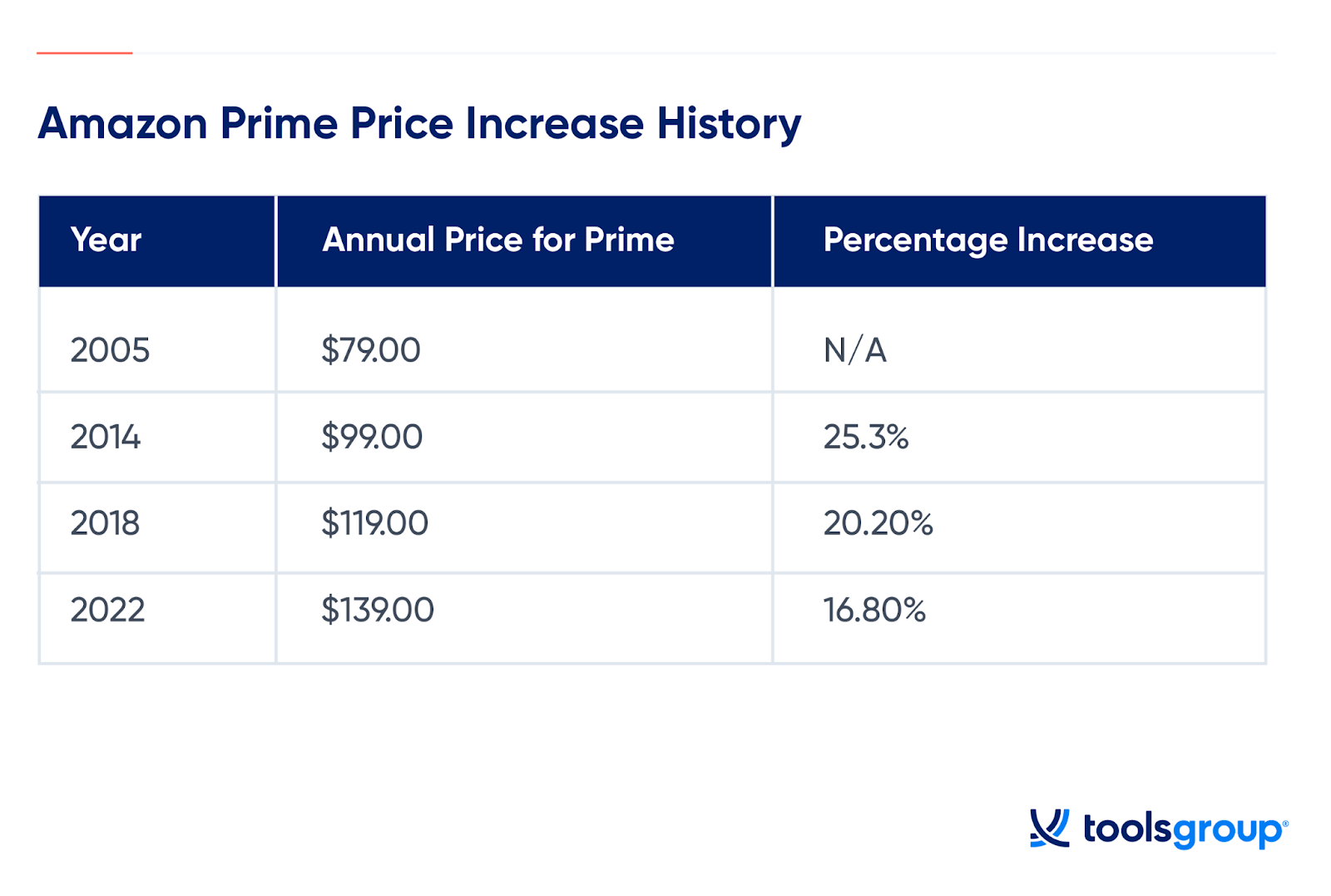
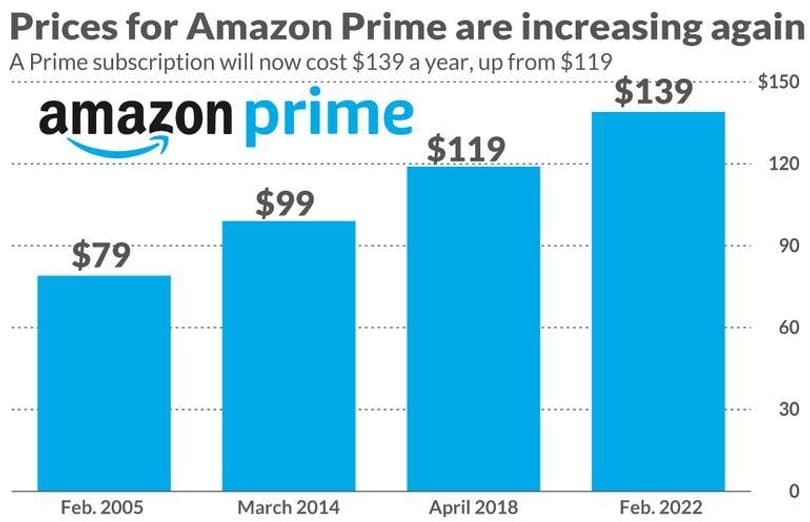
In the modern digital economy, the phrase “Amazon Instant” has become a legacy term for what we now recognize as Prime Video. However, the core question—”How much does it cost?”—remains more relevant than ever. As households increasingly move away from traditional cable toward fragmented streaming ecosystems, managing digital subscriptions has become a critical component of personal finance. What was once a simple $79-a-year free shipping perk has evolved into a complex financial commitment involving tiered pricing, transactional video-on-demand (TVOD), and supplementary “channels.”
To master your personal budget, you must understand the intricacies of Amazon’s pricing structure. This guide breaks down the direct costs, the hidden expenses, and the overall value proposition of Amazon’s video services through a financial lens.
Decoding the Pricing Structure of Amazon’s Digital Entertainment
When evaluating the cost of Amazon’s video services, it is essential to distinguish between the various entry points. Unlike competitors such as Netflix, which offer a single-service subscription, Amazon integrates its video platform into a broader ecosystem, which can make the “true cost” difficult to isolate.
The Prime Membership Bundle vs. Standalone Options
For the majority of consumers, Amazon Prime Video is accessed through a full Amazon Prime membership. As of 2024, the standard price for an annual Prime membership in the United States is $139. If billed monthly, the cost is $14.99 per month, which totals approximately $180 per year. From a financial planning perspective, the annual option offers a significant discount of about 22% over the monthly commitment.
However, for those who are strictly interested in content and do not require the logistics benefits of Prime (such as free shipping), Amazon offers a standalone Prime Video subscription. This currently sits at $8.99 per month. While this is a lower monthly outlay, it lacks the multifaceted value of the full membership. When auditing your monthly expenses, you must decide if the $6.00 difference between the standalone video service and the full Prime package justifies the access to Prime Music, Prime Reading, and shipping perks.
Renting and Buying: How Transactional VOD Works
One aspect of “Amazon Instant” that often surprises budget-conscious users is the Transactional Video on Demand (TVOD) model. Unlike Disney+ or Netflix, where almost everything on the platform is included in the subscription, Amazon Prime Video acts as both a subscription service and a digital storefront.
The costs here vary wildly:
- Digital Rentals: Typically range from $3.99 to $5.99 for standard titles, with “Home Premiere” movies often costing $19.99.
- Digital Purchases: New releases usually cost between $14.99 and $24.99.
From a wealth-management perspective, these “micro-transactions” can lead to “subscription creep.” If a household rents two movies a month on top of their membership, their annual spend on the platform can easily exceed $300. Tracking these line items in a dedicated “Entertainment” category in your budget is essential to prevent digital leakage.
Hidden Costs and Savings: Managing Your Digital Media Budget
Beyond the base subscription, Amazon has introduced several layers of pricing that require a discerning eye. As the company seeks to increase its Average Revenue Per User (ARPU), consumers must be more vigilant about where their money is going.
Prime Video Channels: The Add-on Expense
One of Amazon’s most successful business strategies is the “Channels” feature. This allows users to subscribe to third-party networks like Paramount+, Max, or Discovery+ directly through the Prime interface. While this offers the convenience of a single bill, it often obscures the total cost of a user’s streaming portfolio.
Each channel comes with its own monthly fee, usually ranging from $4.99 to $15.99. The financial risk here is “set-it-and-forget-it” syndrome. Because these charges are bundled into your Amazon account, it is easy to lose track of four or five different $10 charges hitting your credit card every month. A quarterly audit of your “Active Subscriptions” under your Amazon account settings is a necessary financial habit to ensure you aren’t paying for “dead weight” content you no longer watch.
The New “Ad-Free” Premium
In early 2024, Amazon shifted its financial model by introducing advertisements into the standard Prime Video experience. To maintain the ad-free experience that users previously enjoyed, Amazon now requires an additional $2.99 per month.
While $2.99 seems negligible, it represents a nearly 20% increase in the monthly cost for Prime members who want to avoid interruptions. For a family on a strict budget, this raises a “value of time” question: Is avoiding three minutes of commercials worth $36 a year? Over a decade, that $36, if invested in a low-cost index fund at a 7% return, would be worth over $500. These are the small financial decisions that dictate long-term net worth.
Student Discounts and Regional Pricing Variations
On the savings side, Amazon provides specific avenues for cost reduction that savvy consumers should leverage. The “Prime Student” tier is one of the most aggressive loss-leaders in the tech world. At $7.49 per month or $69 per year, it offers the full suite of Prime benefits at 50% of the cost.
Furthermore, for individuals receiving certain forms of government assistance (such as SNAP or Medicaid), Amazon offers a “Prime Access” discount at $6.99 per month. Identifying your eligibility for these programs can significantly lower your fixed monthly costs without requiring you to give up the utility of the service.
Maximizing ROI: Is Amazon Prime Video Worth the Investment?
In the world of personal finance, we look for Return on Investment (ROI). When it comes to entertainment, ROI is measured by the cost-per-hour of enjoyment versus alternative uses of that capital.
Comparing Prime Video to Other Streaming Giants
To determine if the cost of “Amazon Instant” is a sound financial move, we must compare it to its peers. Netflix’s standard ad-free plan is $15.49, and Disney+ (no ads) is $13.99. At $8.99 for standalone video or $14.99 for the full Prime suite, Amazon is competitively priced, especially when you factor in the library size.
Amazon currently boasts one of the largest libraries of any streaming service, largely due to its acquisition of MGM. From a “cost-per-title” perspective, Amazon often provides a higher theoretical value than its competitors. However, the value is only realized if the content is consumed. If your household primarily watches Netflix and only uses Amazon once a month, the ROI is poor, and those funds would be better served in a high-yield savings account or used to pay down high-interest debt.
The Ecosystem Advantage: Beyond Just Video
The financial justification for the cost of Amazon’s video service often lies outside the video player itself. Because the subscription is tied to the Amazon ecosystem, its value is tethered to your shopping habits.
If you live in an area where Amazon provides the lowest prices on household essentials, the “Free Shipping” component of the membership may save you more than $139 a year in shipping fees or gas money spent driving to a physical retailer. In this scenario, the “Amazon Instant” video service is effectively a “free” byproduct of a logistics-savings strategy. Conversely, if the existence of Prime encourages “impulse buying” due to the ease of one-click ordering, the membership might actually be a net negative for your financial health.
Smart Financial Management of Streaming Subscriptions
Financial health is not just about how much you earn, but how much you keep. Managing the “Amazon Instant” cost is part of a broader strategy of digital expense management.
Auditing Your Monthly Digital Outflow
The most effective way to handle the cost of Amazon Prime Video is to view it as a variable expense rather than a fixed one. Most streaming services, including Amazon, allow you to cancel and rejoin at any time.
A “cycling” strategy can be highly effective for those looking to optimize their cash flow. Instead of paying for Amazon, Netflix, and Max simultaneously, a consumer might pay for Amazon Prime for three months to watch specific originals, then cancel it and switch to another service. This “serial subscribing” can reduce annual entertainment costs by 50% or more, allowing that capital to be diverted toward investment goals.

Tips for Cutting Costs Without Sacrificing Quality
- Annual vs. Monthly: If you know you will use the service year-round, always pay the annual fee to capture the 22% discount.
- Shared Household Profiles: Utilize the “Amazon Household” feature to share benefits with another adult in your residence, effectively splitting the cost.
- Credit Card Rewards: Use a credit card that offers high cash-back percentages on streaming services or Amazon.com purchases (some cards offer 5% back). This effectively reduces the cost of the subscription further.
- Monitor the “Add-ons”: Regularly check your “Manage Your Prime Video Channels” page to ensure you aren’t being billed for free trials that expired.
In conclusion, the cost of “Amazon Instant” is no longer a simple flat fee. It is a multi-layered financial commitment that requires active management. By understanding the base costs, the transactional traps, and the ecosystem benefits, you can ensure that your digital entertainment choices align with your long-term financial objectives. In the realm of personal finance, every dollar—even those spent on a Friday night movie—should be an intentional investment in your quality of life.
aViewFromTheCave is a participant in the Amazon Services LLC Associates Program, an affiliate advertising program designed to provide a means for sites to earn advertising fees by advertising and linking to Amazon.com. Amazon, the Amazon logo, AmazonSupply, and the AmazonSupply logo are trademarks of Amazon.com, Inc. or its affiliates. As an Amazon Associate we earn affiliate commissions from qualifying purchases.